September 24, 2026
Vanlife in Spain and Portugal: Our Favorite Spots, Where We Camped and What it Cost
Unsere Lieblingsorte in Spanien und Portugal: Vanlife auf der Iberischen Halbinsel
Oranges hanging by the roadside, surfers padding barefoot down cliffside stairs and hot springs bubbling up in the middle of the forest. The Iberian Peninsula was the first big vanlife chapter for us and Humbär, our freshly built camper. Below you'll find our favorite spots and the places we parked for the night. And at the very end, the receipts: exactly what one month of vanlife in Spain and Portugal cost us.
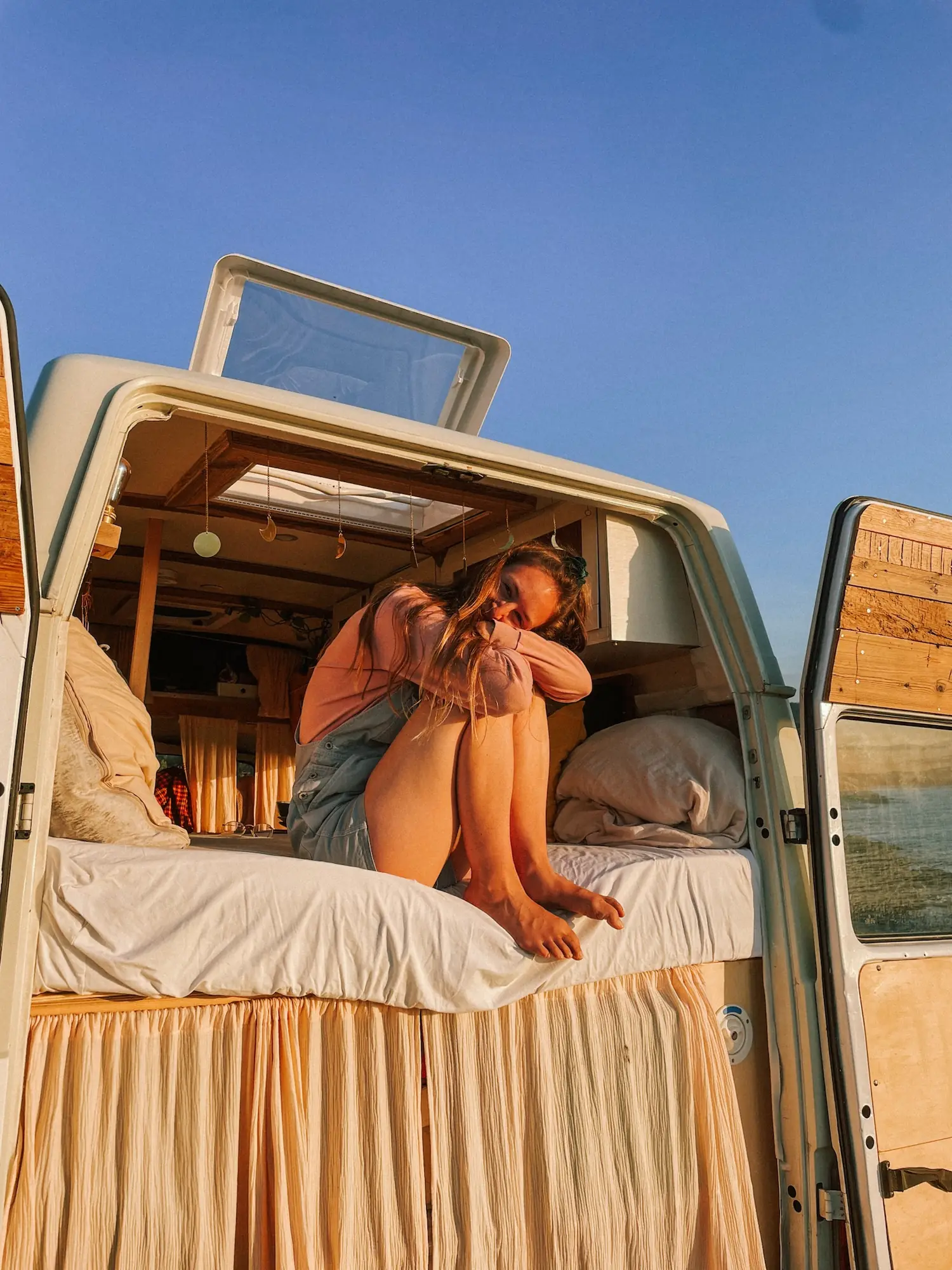
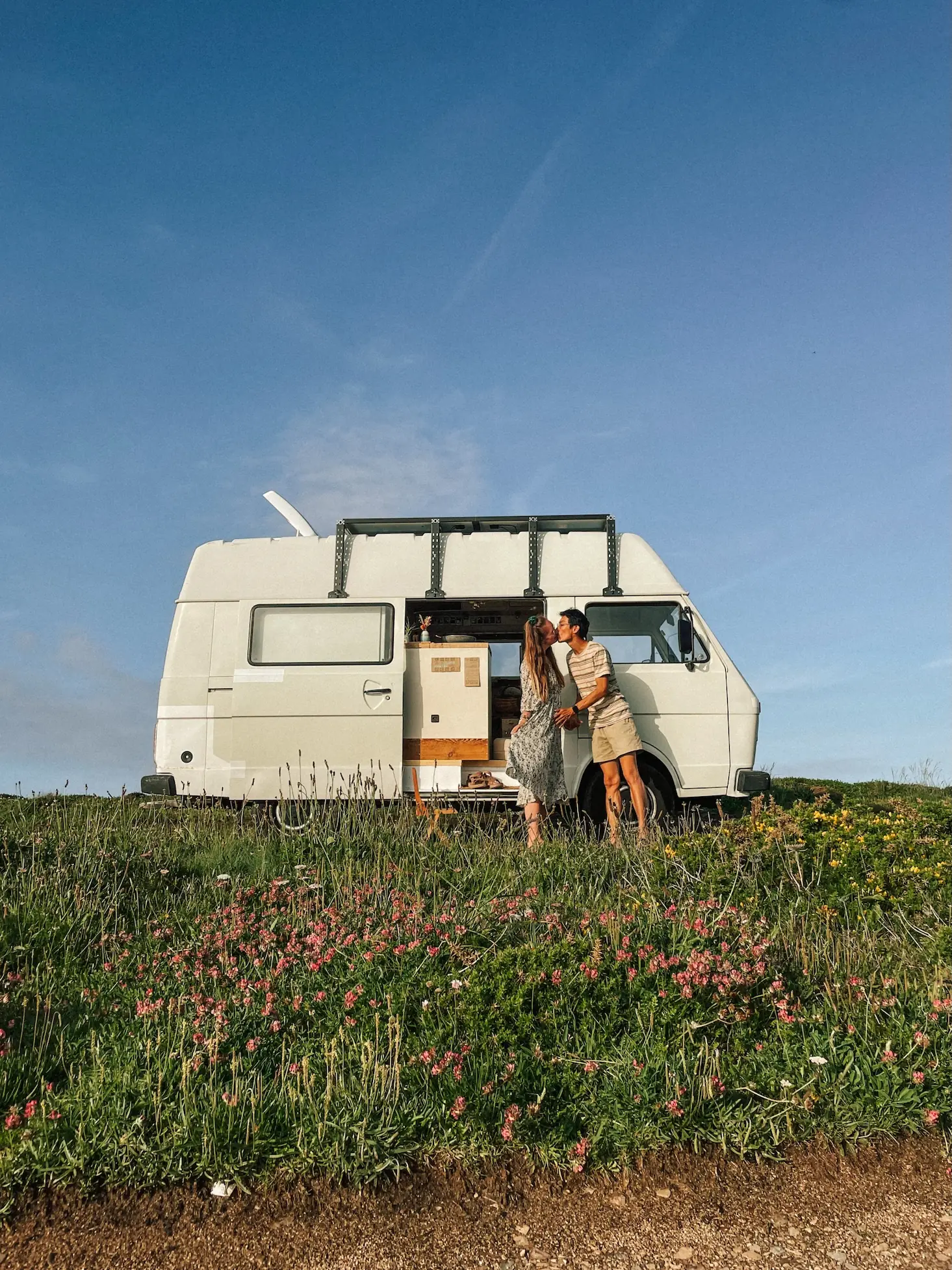
Our route and when we went
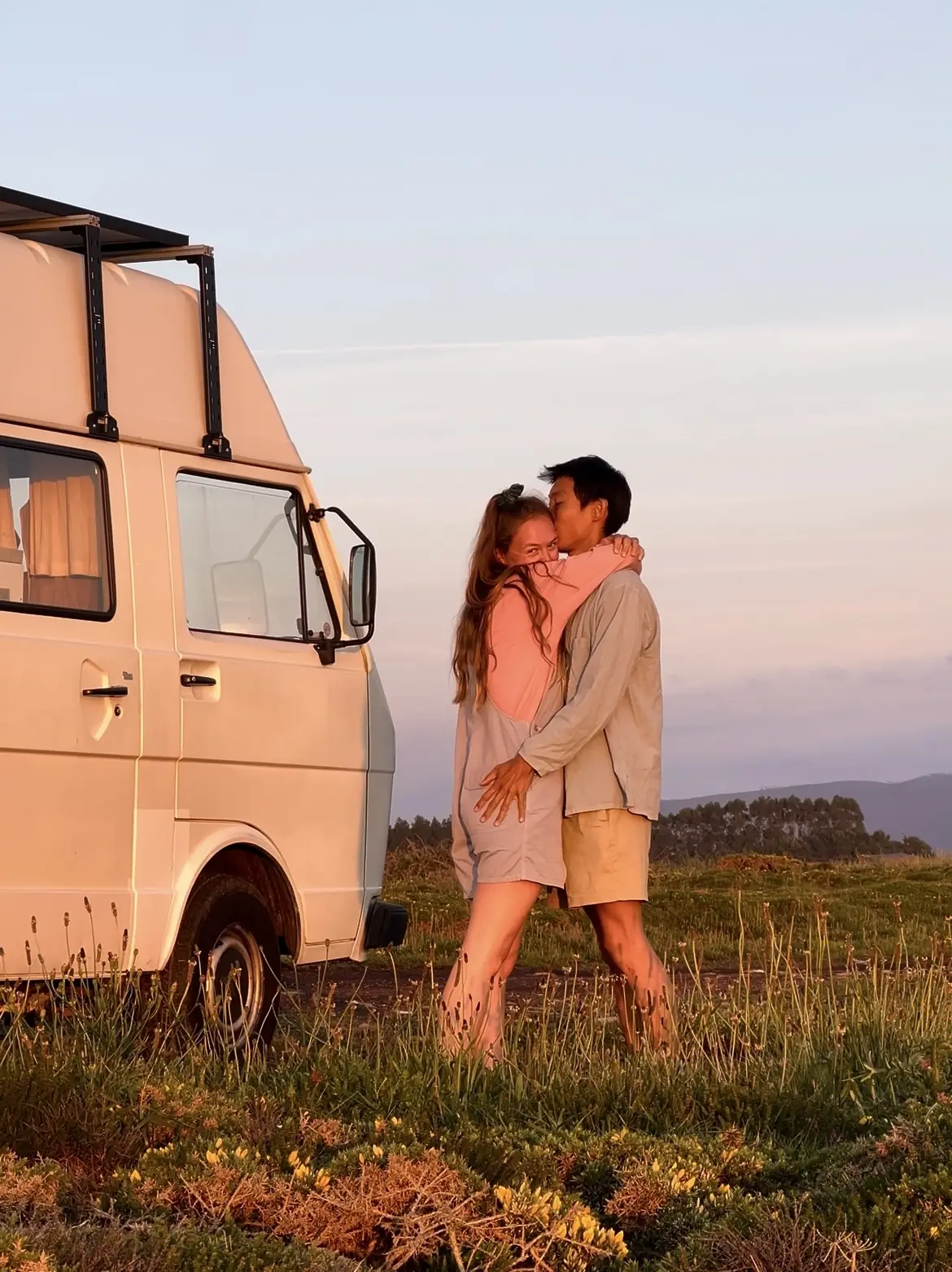
We kicked things off in mid-March in Catalonia, right on the Costa Brava. From there we followed the Mediterranean coast south past Valencia all the way down to Almería, swung west to the Algarve, and then worked our way up Portugal's Atlantic coast through Lisbon and Porto. In May we finally rolled across Galicia, the Picos de Europa and the Basque Country until the road ran out in Bilbao. All in all, we spent about eleven weeks on the road and covered roughly 4,500 kilometers (2,800 miles).
For us, spring was the sweet spot: pleasant temperatures and not a trace of the summer madness yet. In March and April we still crossed paths with plenty of snowbirds who were slowly packing up and heading north. And the big summer wave of vacationers in their camper vans? It hadn't hit yet, not even in May. A lot of places we had practically all to ourselves.
How we eased into vanlife
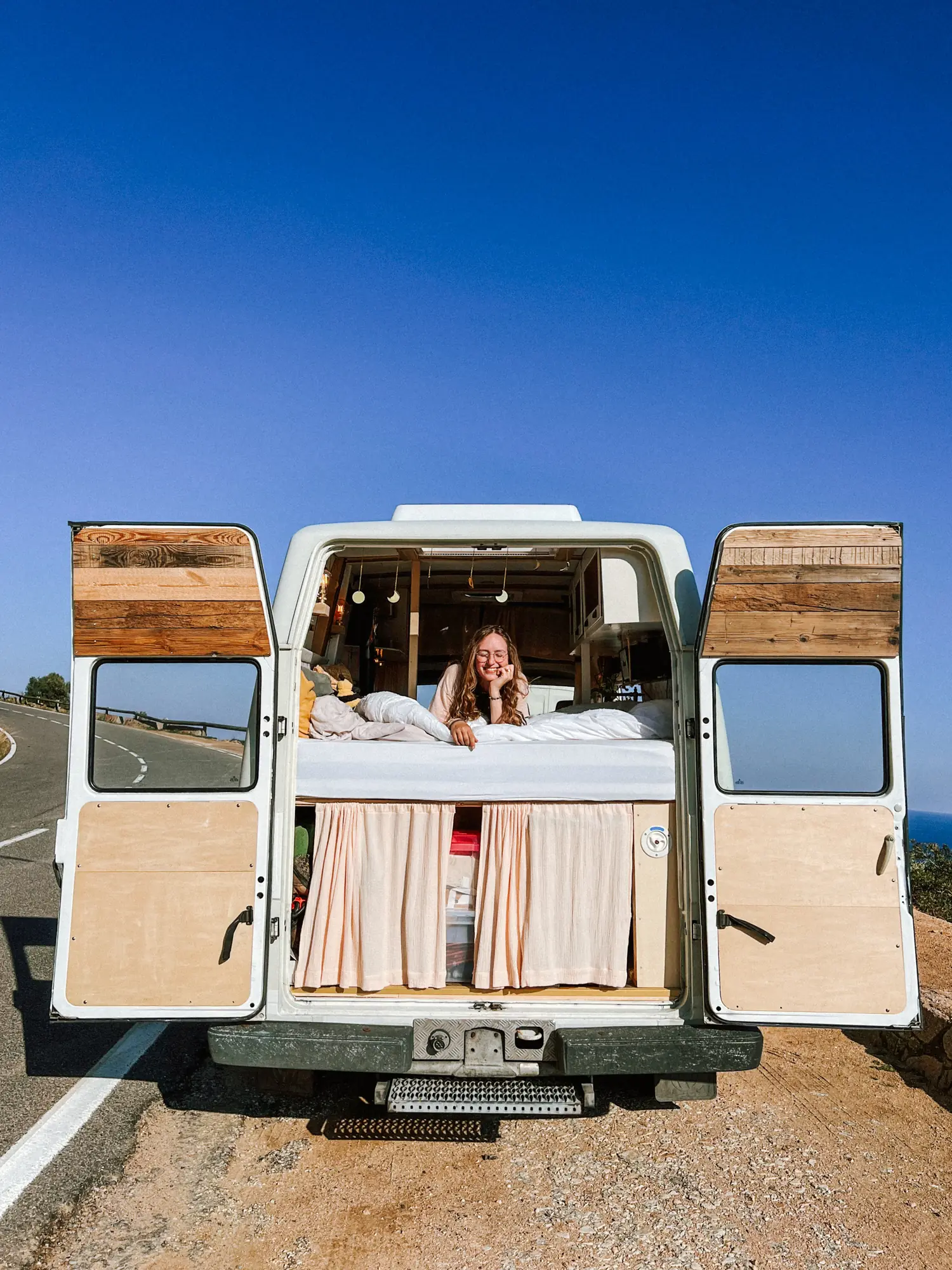
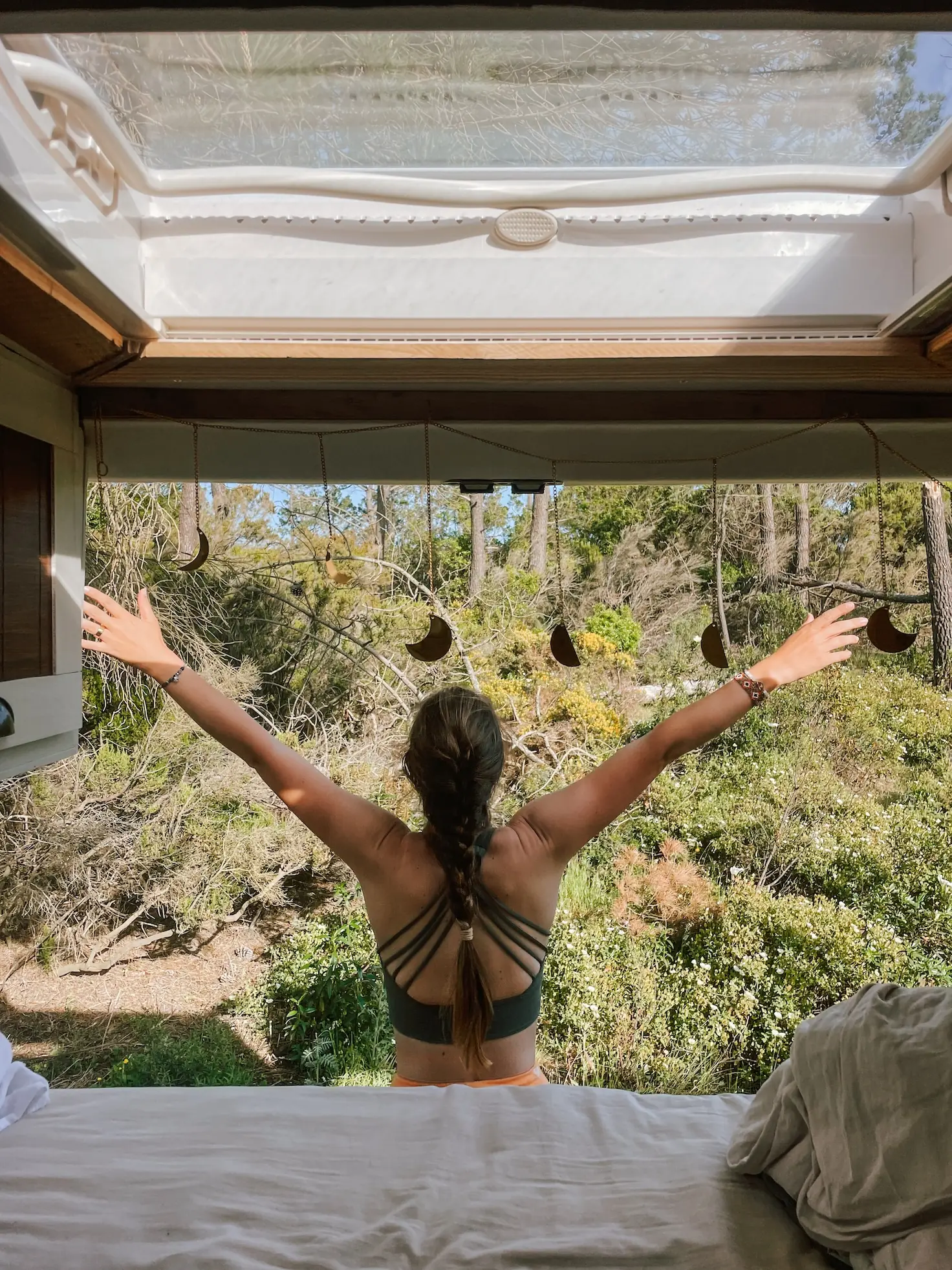
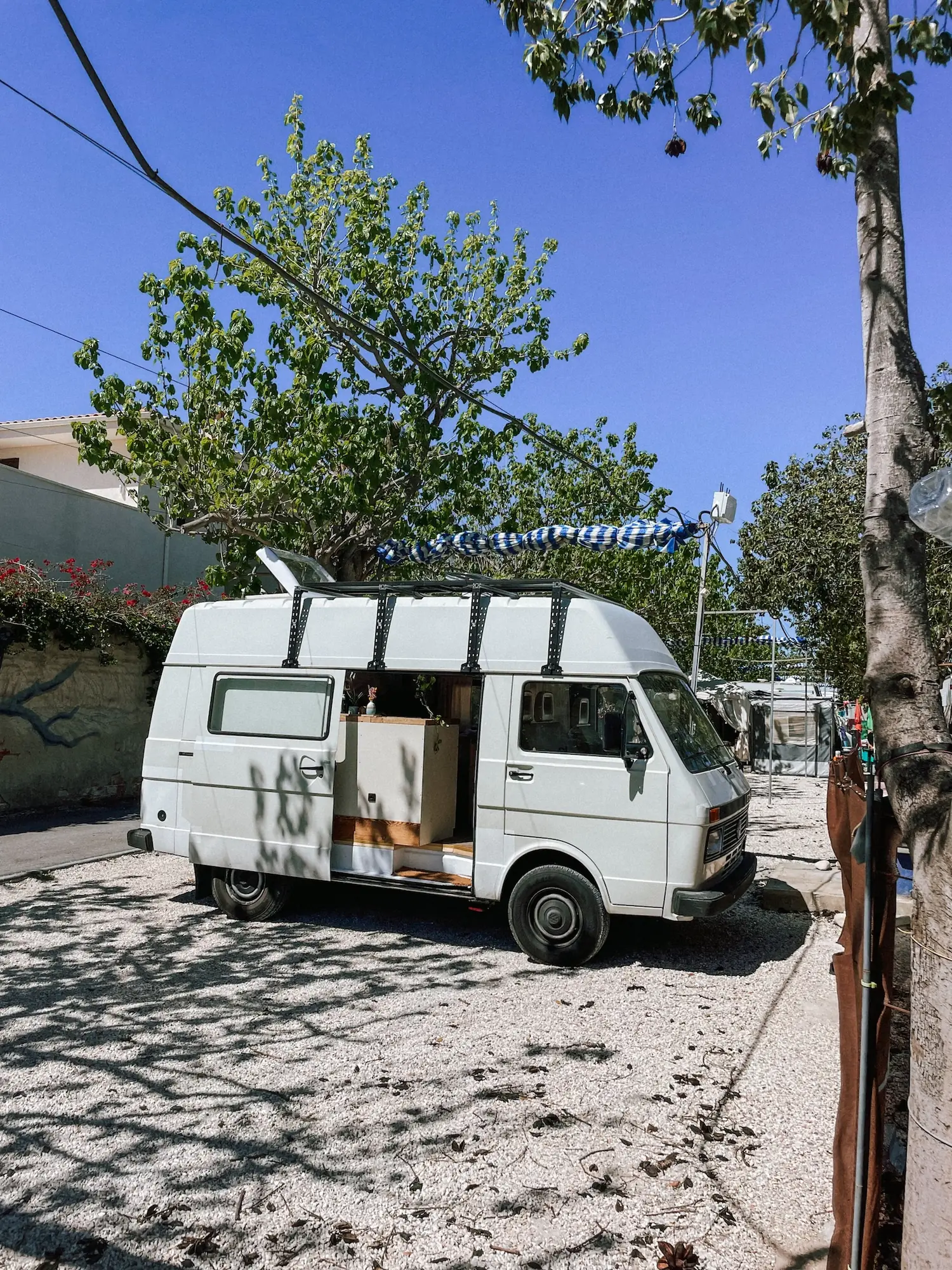
Being a vanlifer takes practice, at least it did for us. Same goes for the nerve to park a freshly converted camper on some random roadside, in a country you've never set foot in, and then drift off to sleep without a care in the world.
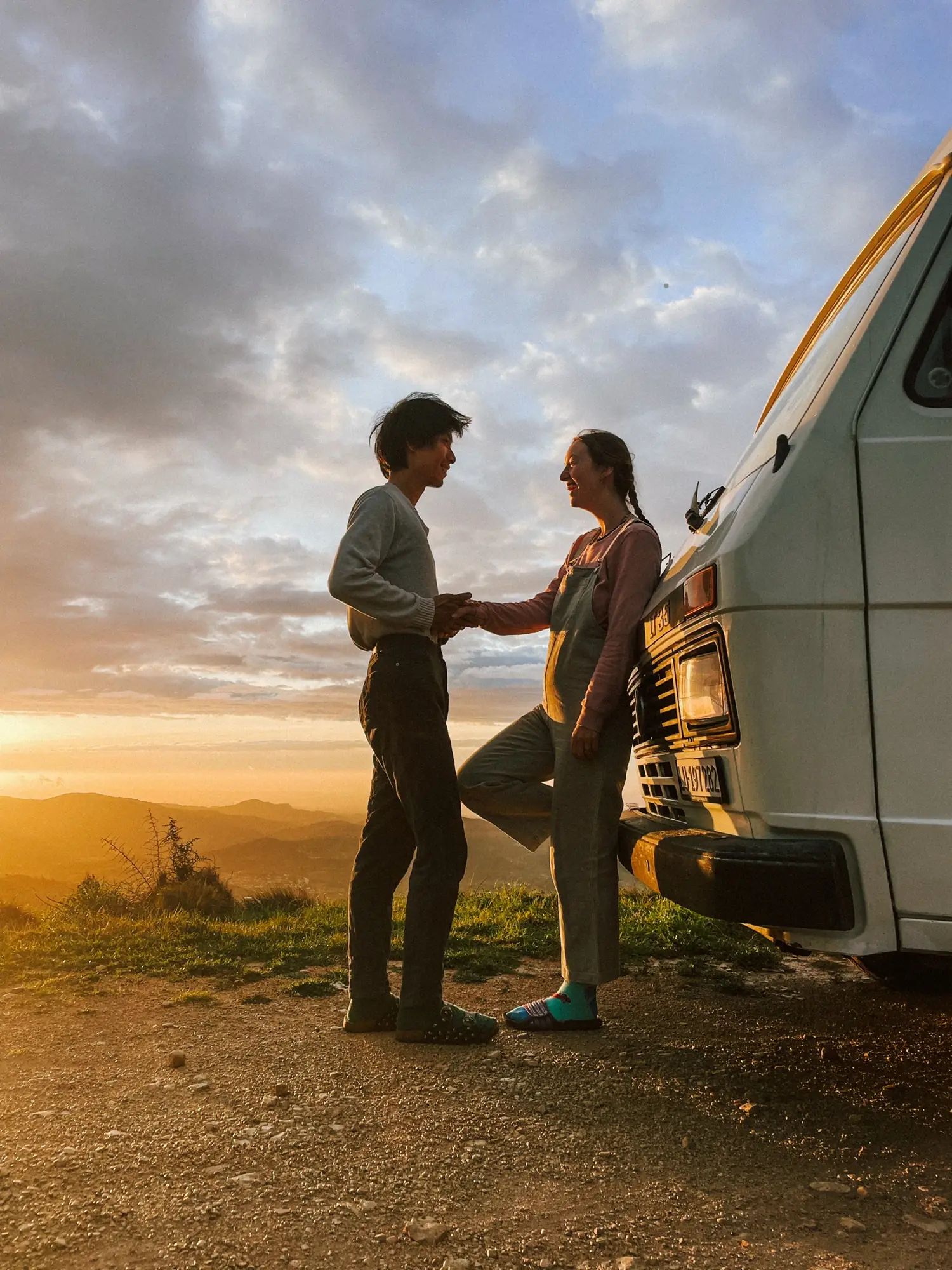
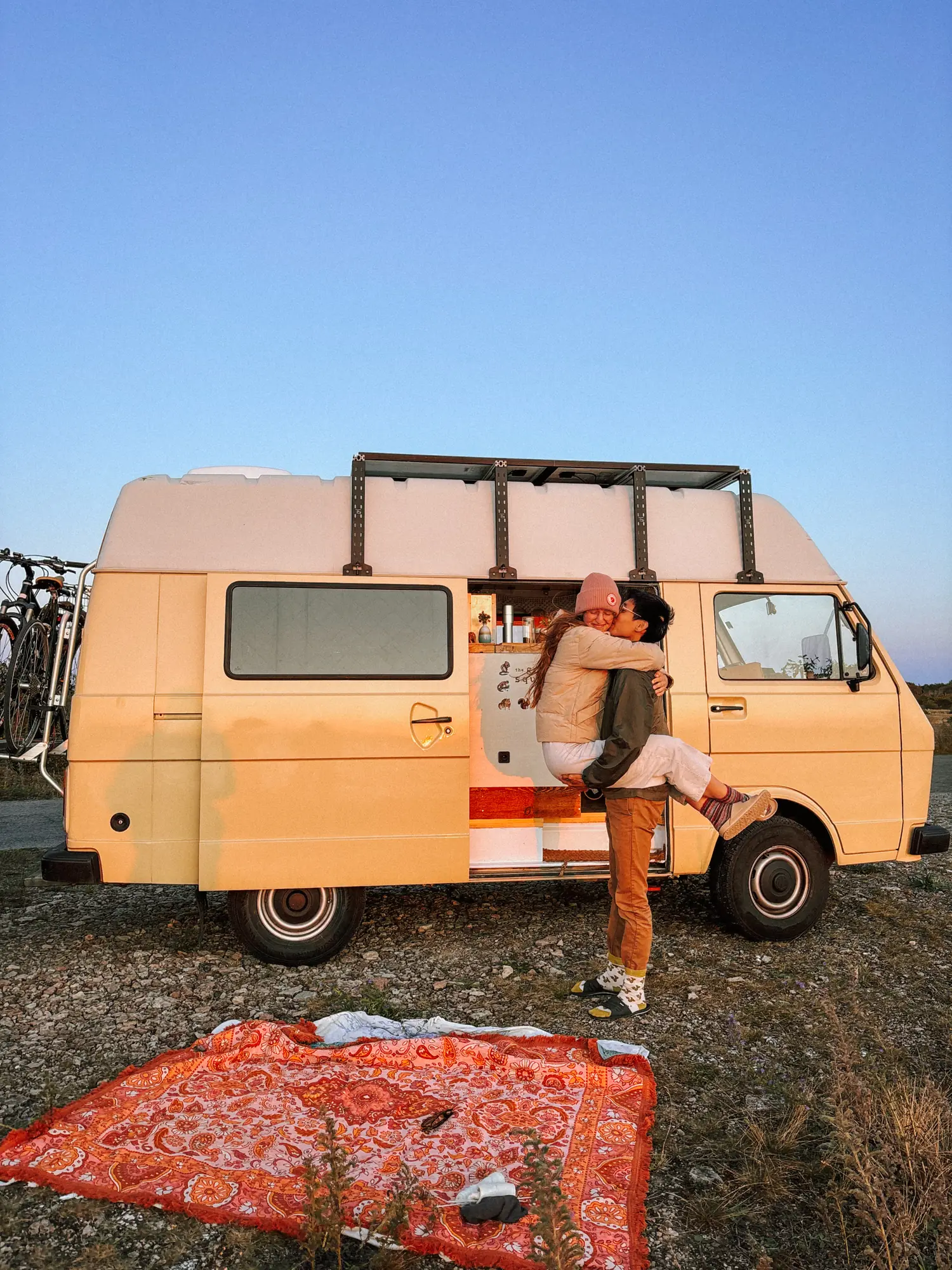
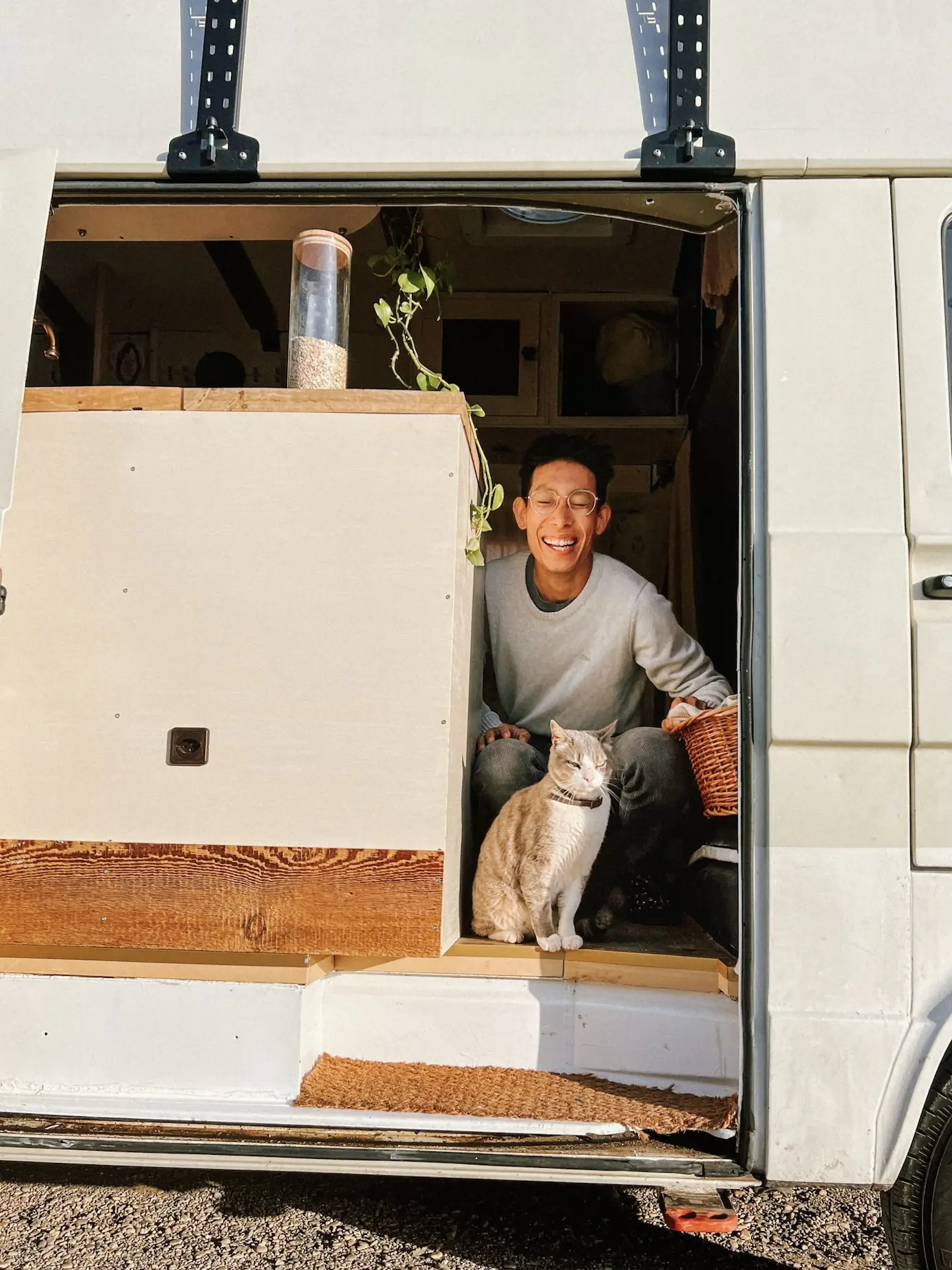
On day five in the van, we meet Isi. We're puttering along the slow, winding coastal road toward Tossa de Mar when we pull over at a stunning lookout. The spot is on Park4Night, but other people report break-ins there. Our plan is to push on to an official RV area. The place is just too good to leave, though: we film Humbär in golden hour for the very first time, play some music, and that's how we get to know Isi. That encounter is the little nudge we need to start trusting people. We'd figure this out together, and we didn't have to worry nearly as much. That evening, we truly arrived in vanlife.
Riding that new wave of confidence, we head for a sea-view spot above a small village one windy, rainy evening. The road climbs at a 20 percent grade, Humbär's wheels spin, and we claw our way up through the fog by the skin of our teeth. Not ten minutes later, a Swiss van pulls in behind us. And behind the wheel is none other than the person who inspired us to buy a van and hit the road in the first place, on the final days of his own trip and headed home: Chris Jäger.
Our favorite spots
Costa Brava: Spain's most spectacular coastline
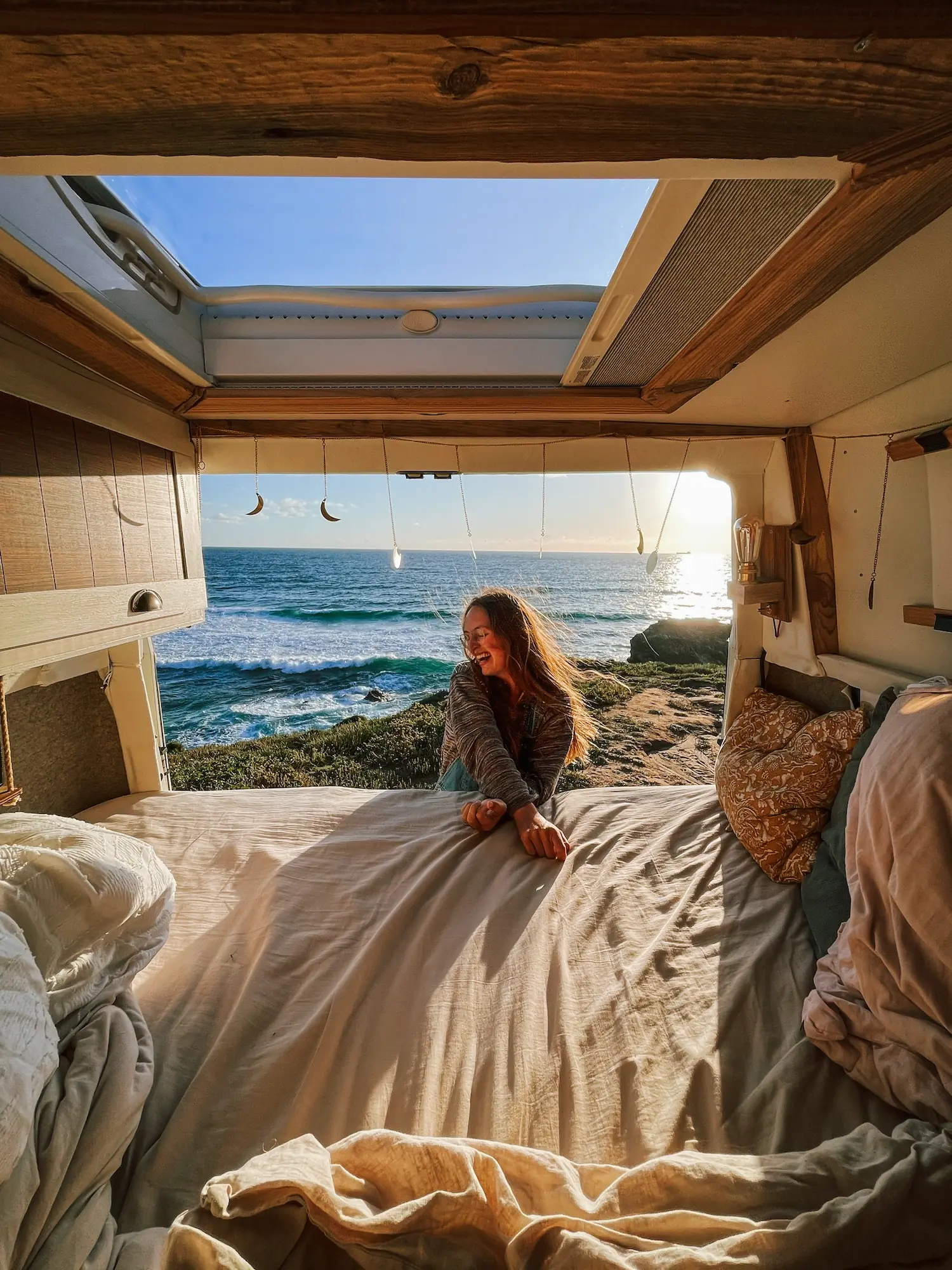
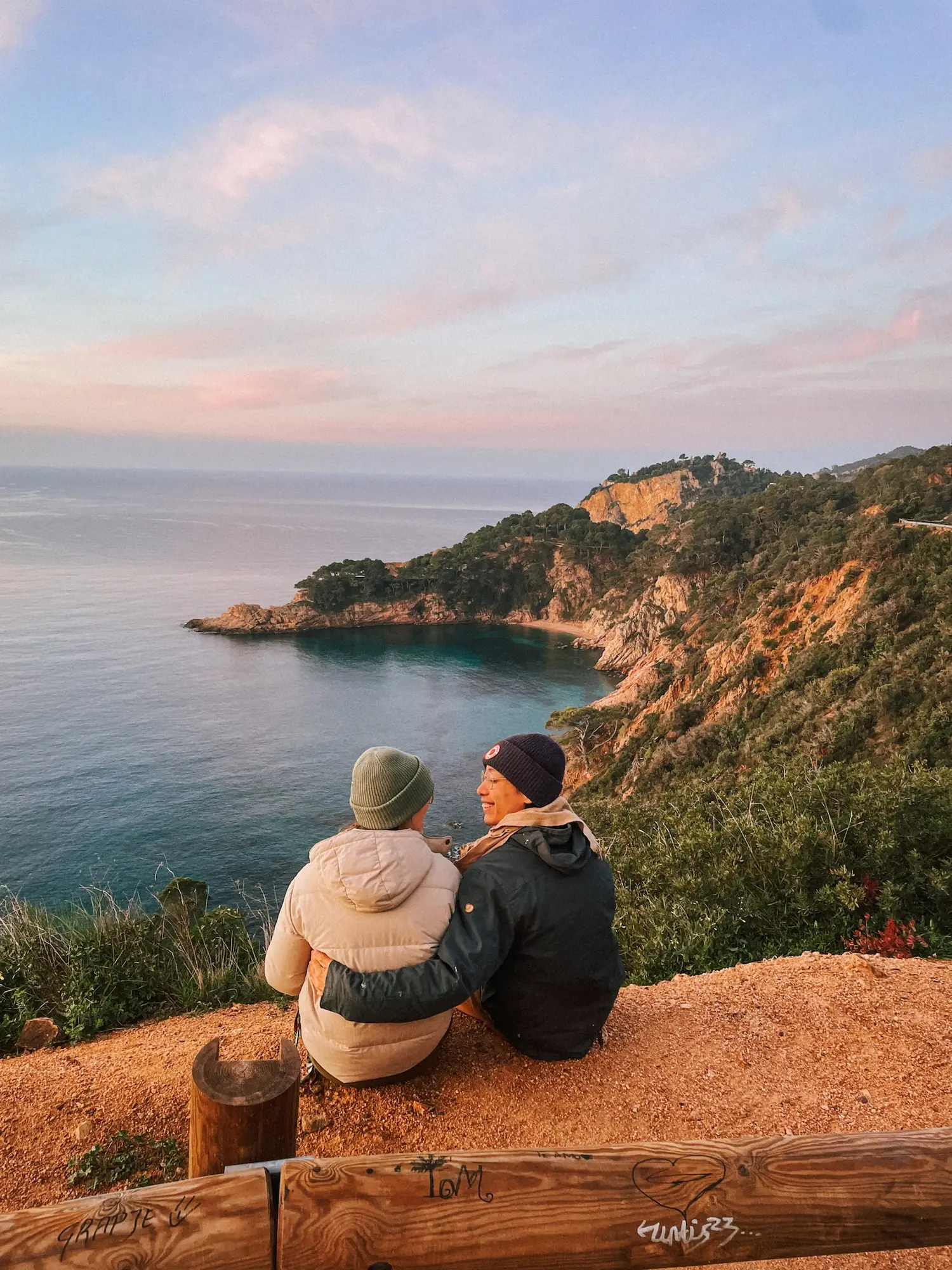
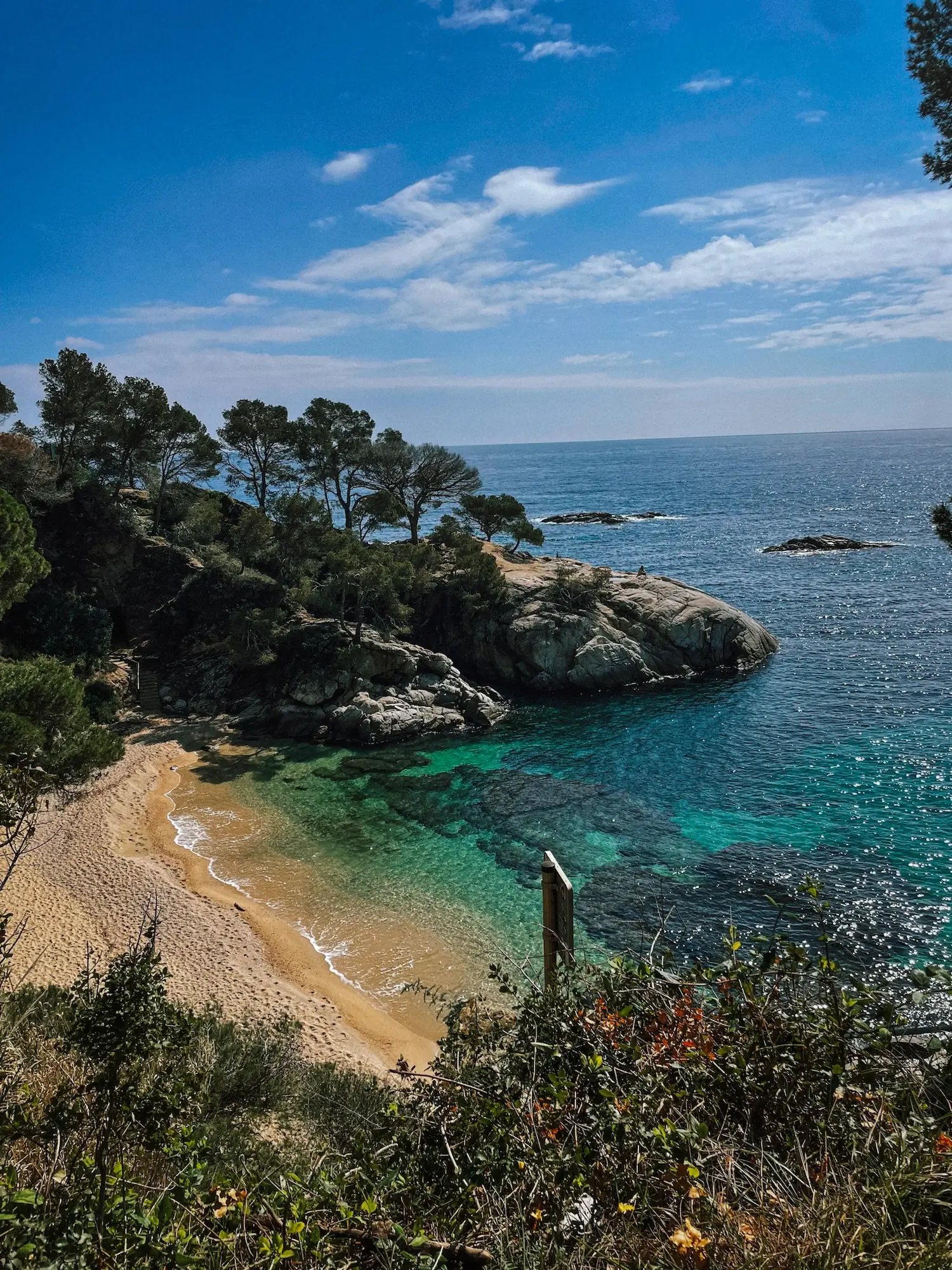
For us, the Costa Brava is hands down the most spectacular landscape in all of Spain. Rugged cliffs, gnarled pines and tiny coves with water so clear you can count the pebbles on the bottom. The coastal road corkscrews from one bay to the next, and around every bend there's another lookout begging you to pull over. You take it slow in Humbär anyway, and honestly, that's exactly how the Costa Brava wants to be seen. This is where our trip kicked off, and we couldn't have asked for a better start.
Valencia: a slice of Berlin on the Mediterranean
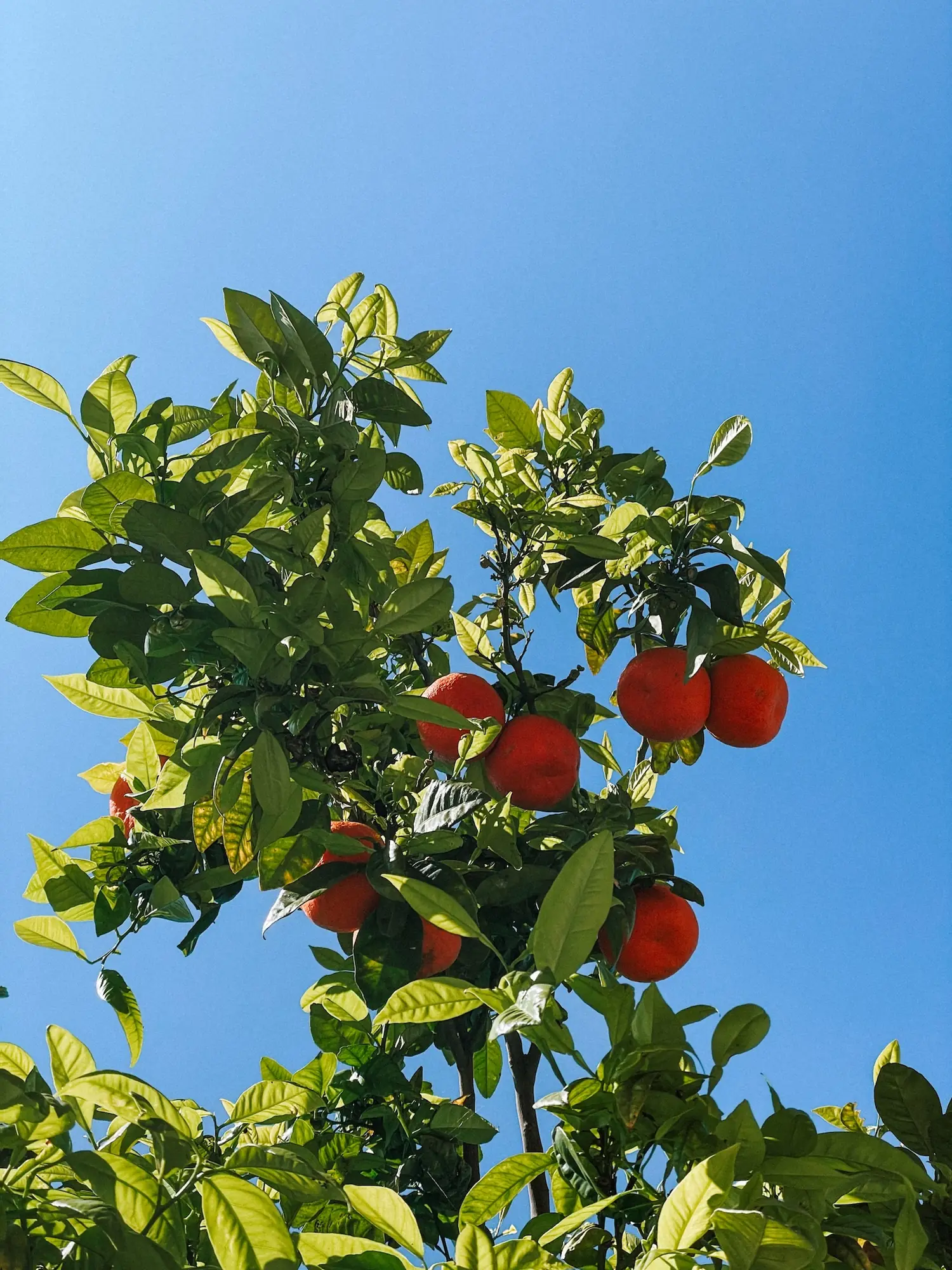
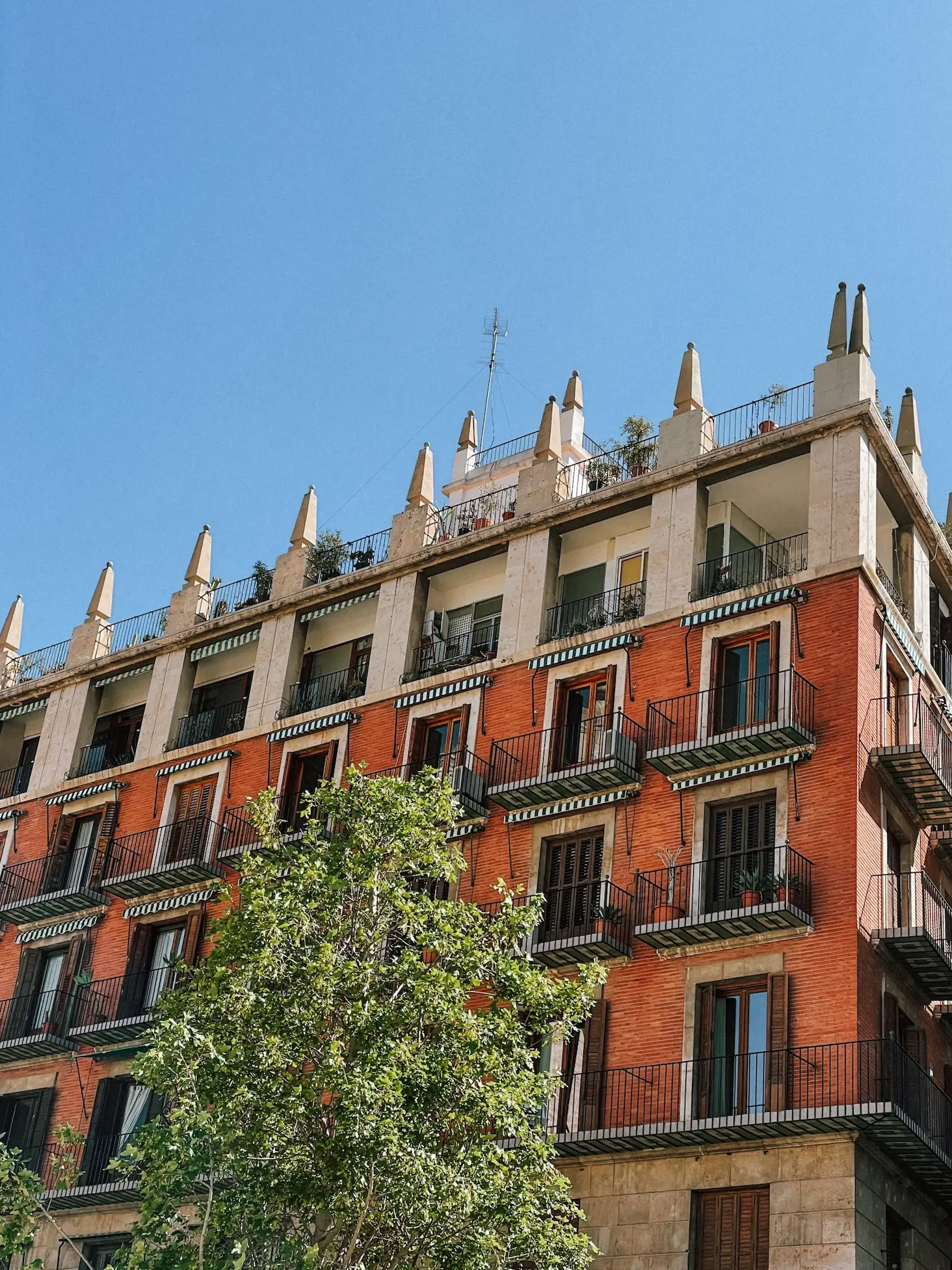
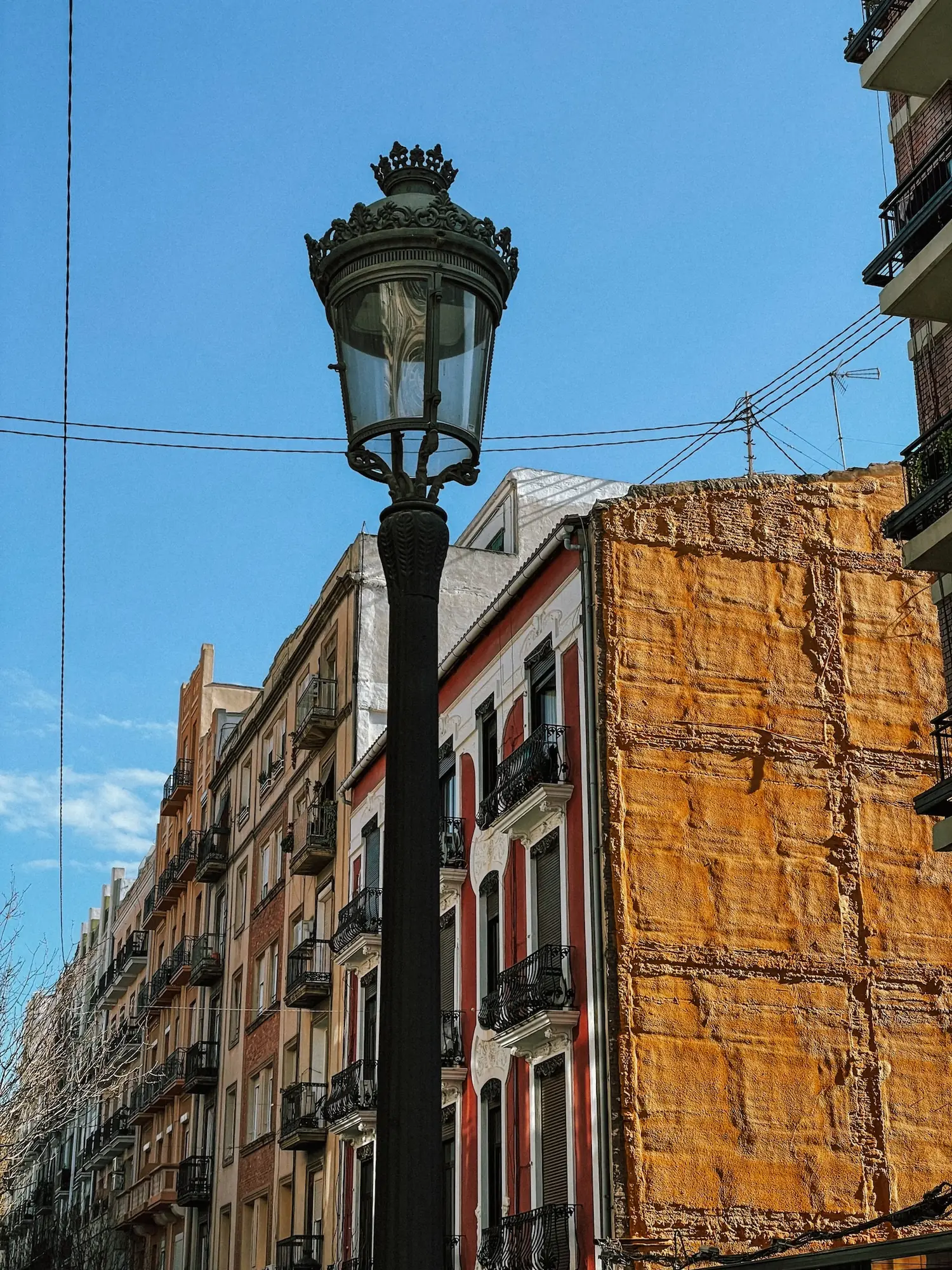
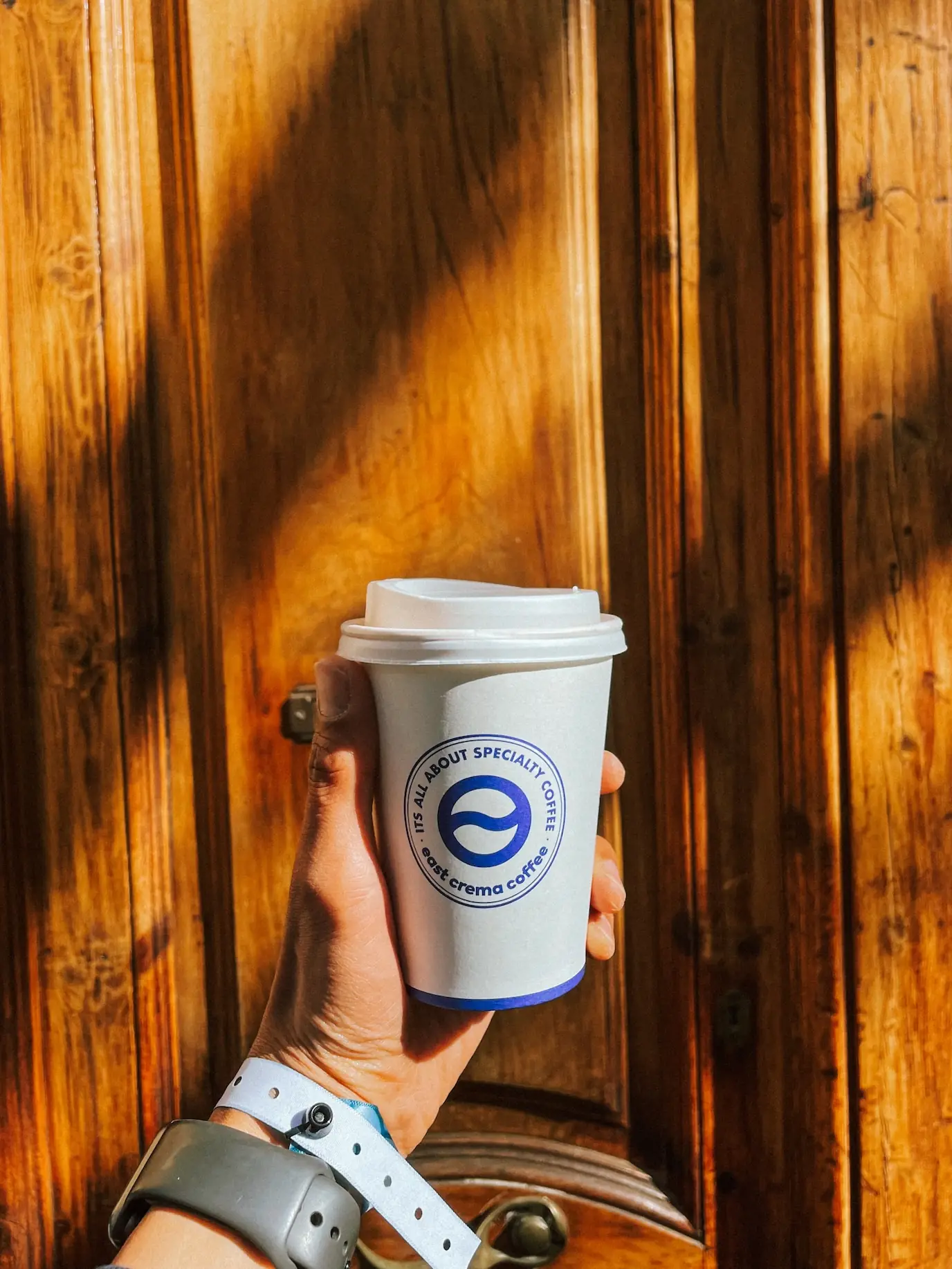
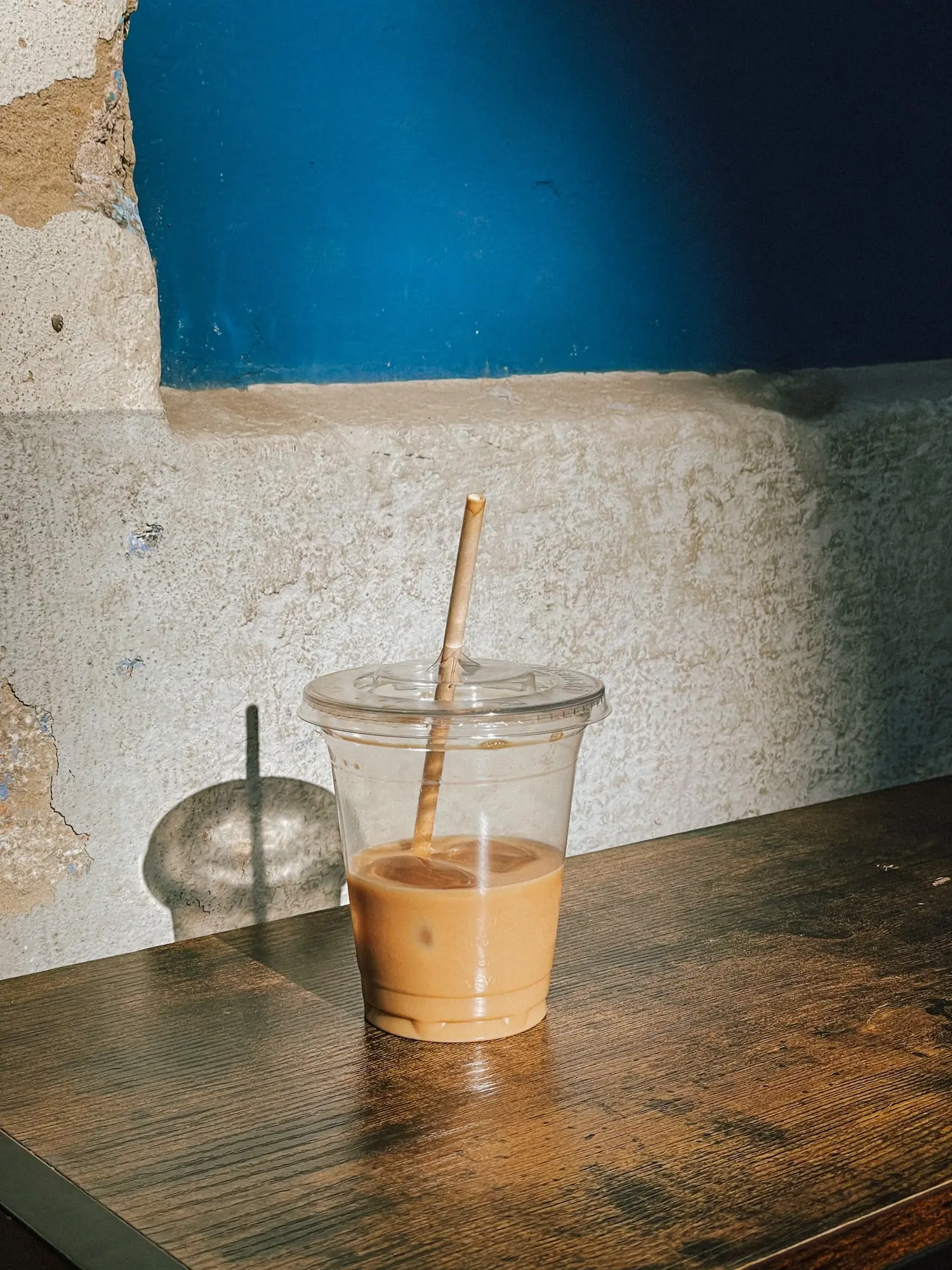
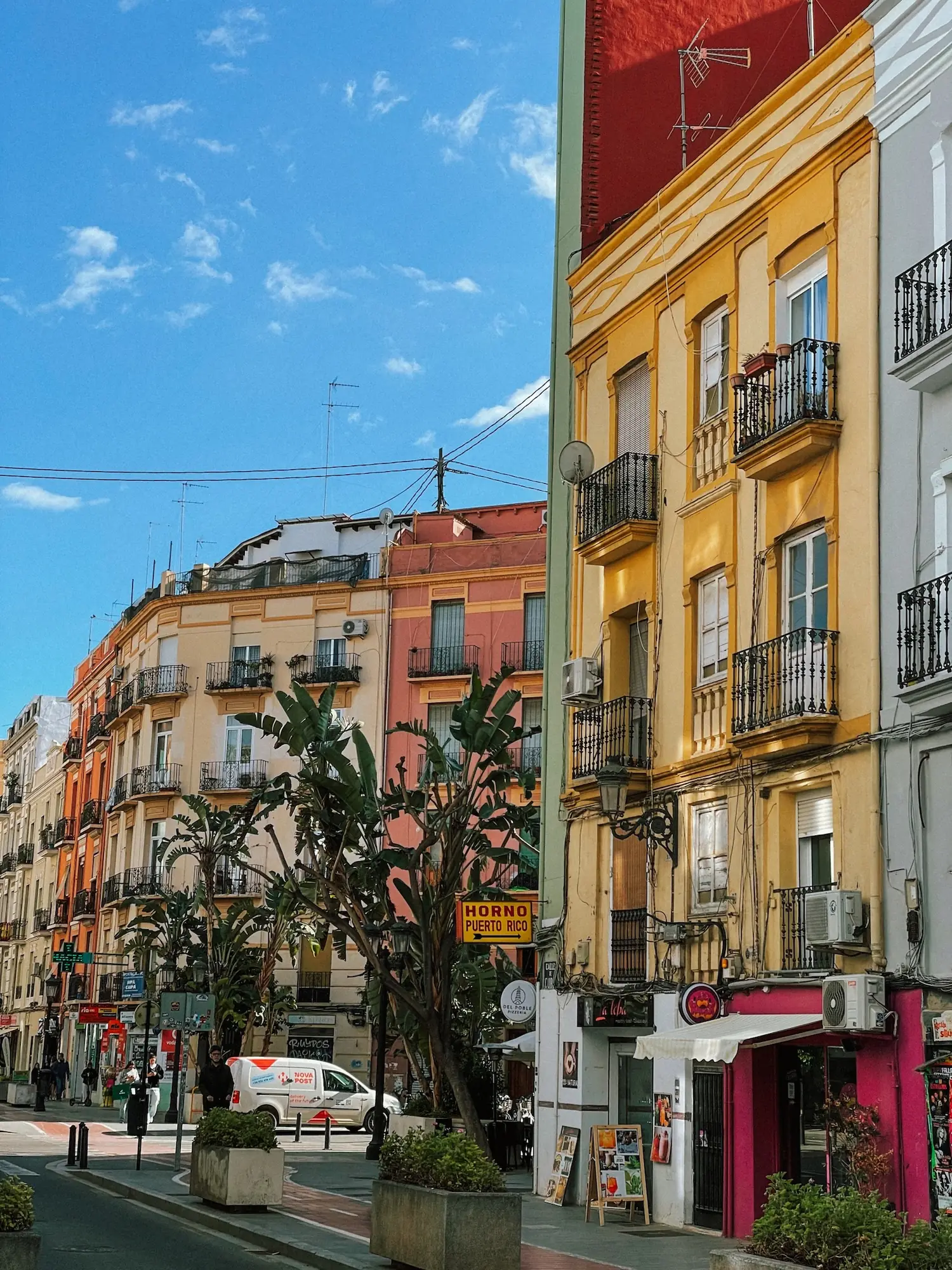
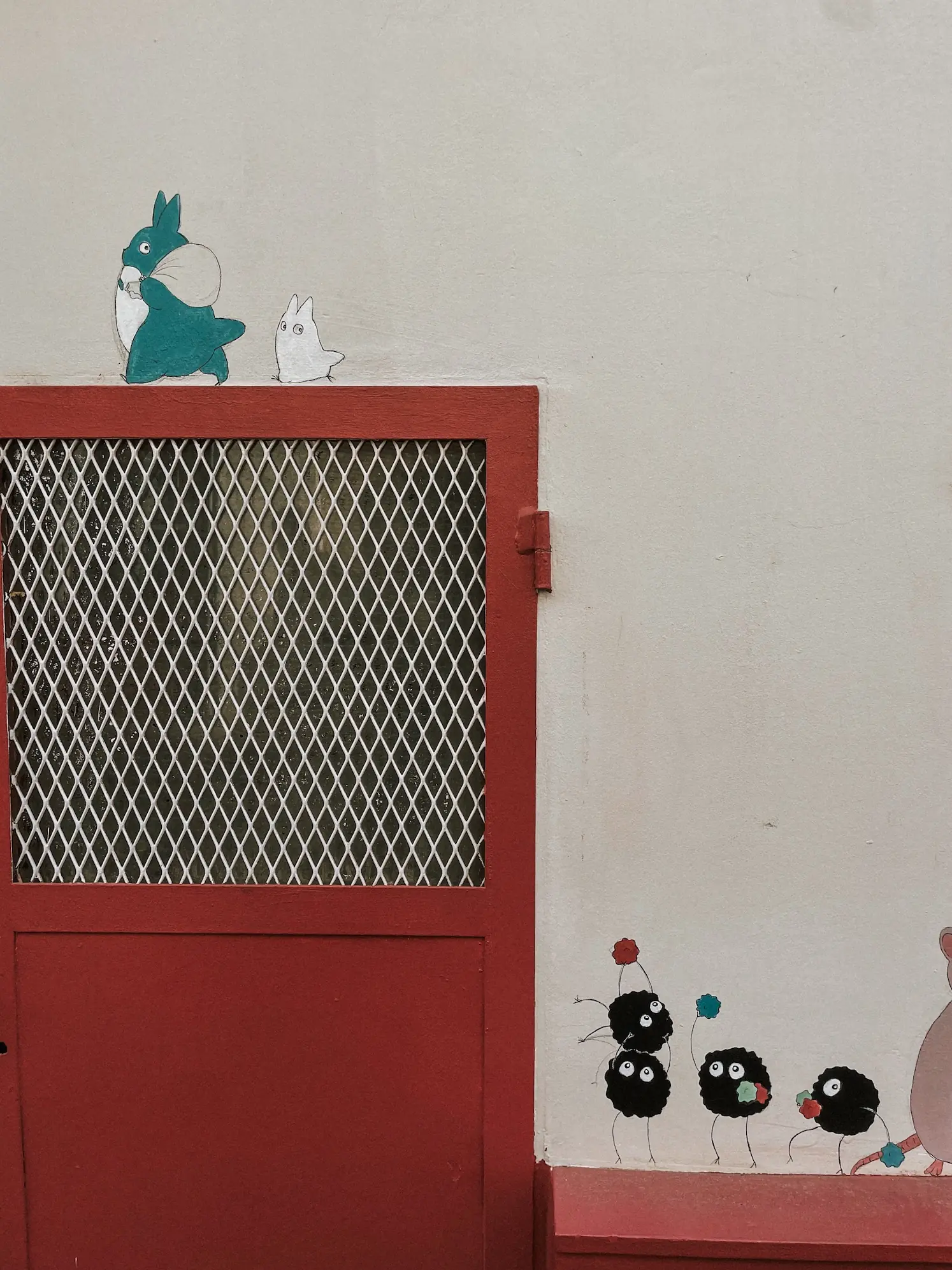
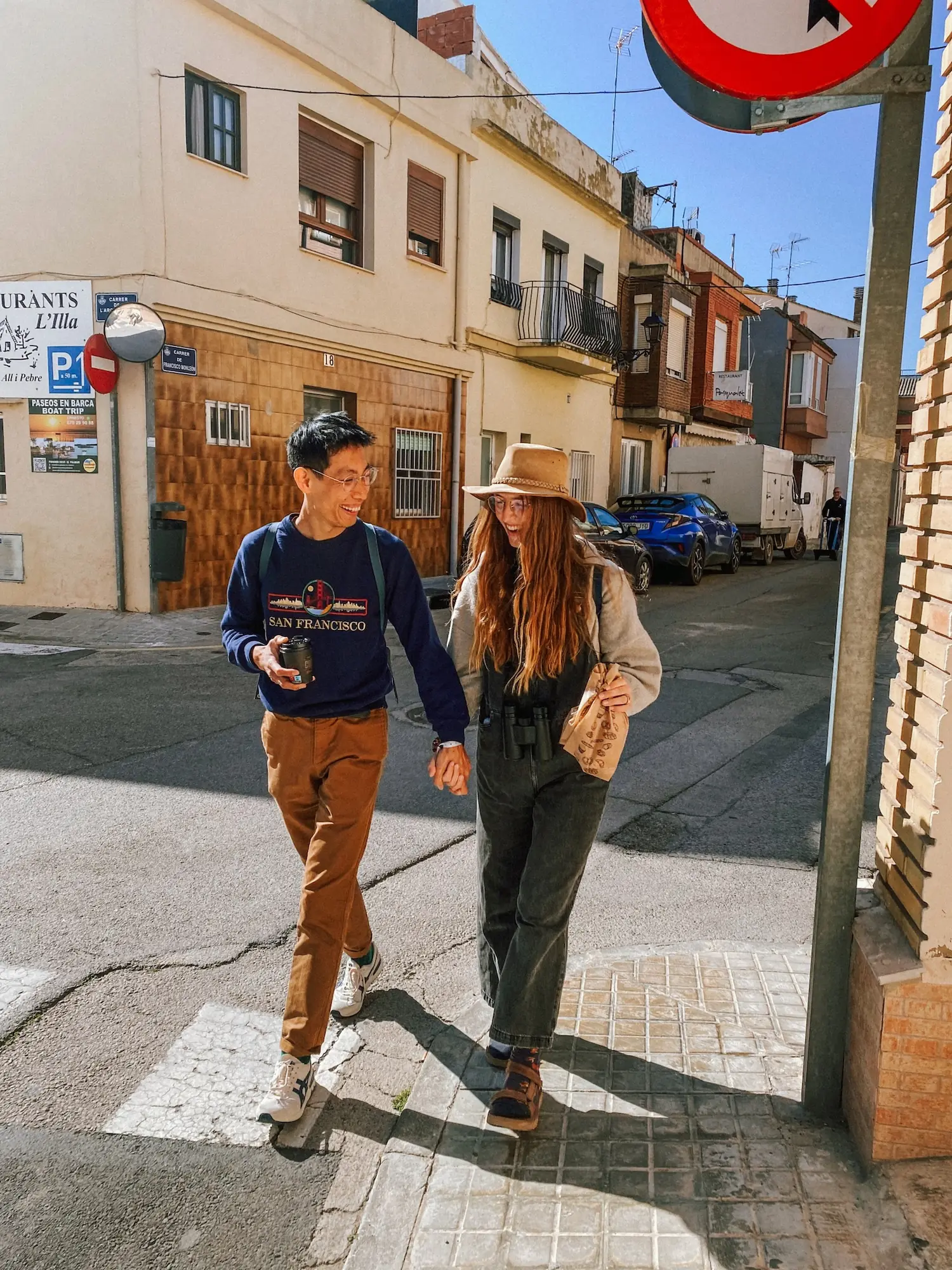
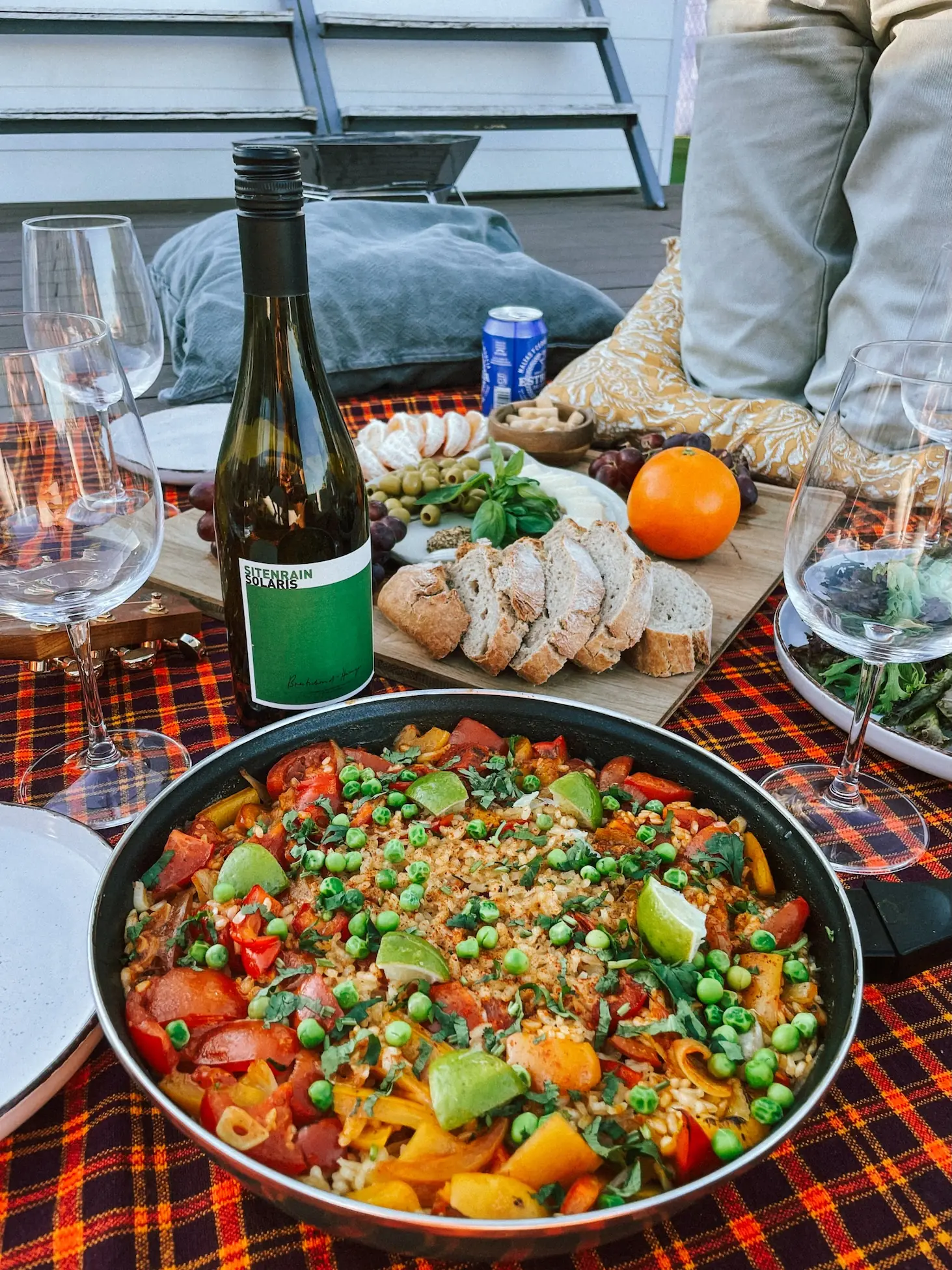
Valencia gave us serious Prenzlauer Berg vibes. Except here, it's oranges hanging from the trees instead of cherries. Cute little cafés, great restaurants and life spilling out onto the streets. It's the kind of city where you end up staying a few days longer than you planned.
- Our tip: the Jardín del Turia. After a massive flood in 1957, the city rerouted its river, and the old riverbed became a park that stretches for about nine kilometers (5.5 miles), perfect for a bike ride or a morning run.
- Best bakery in Valencia: MÒLT Obrador de pa
- Our favorite neighborhood: Russafa (peak hipster)
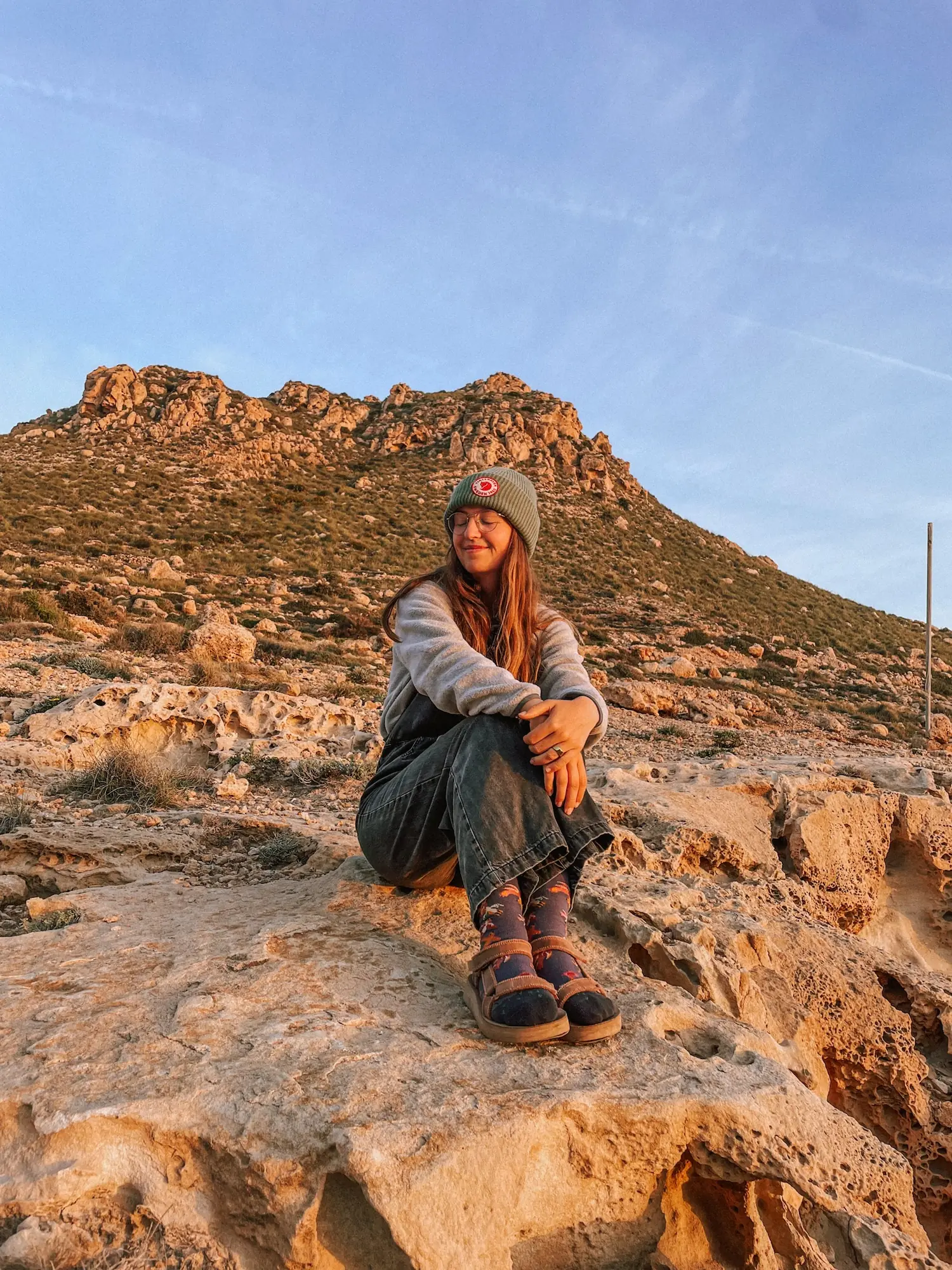
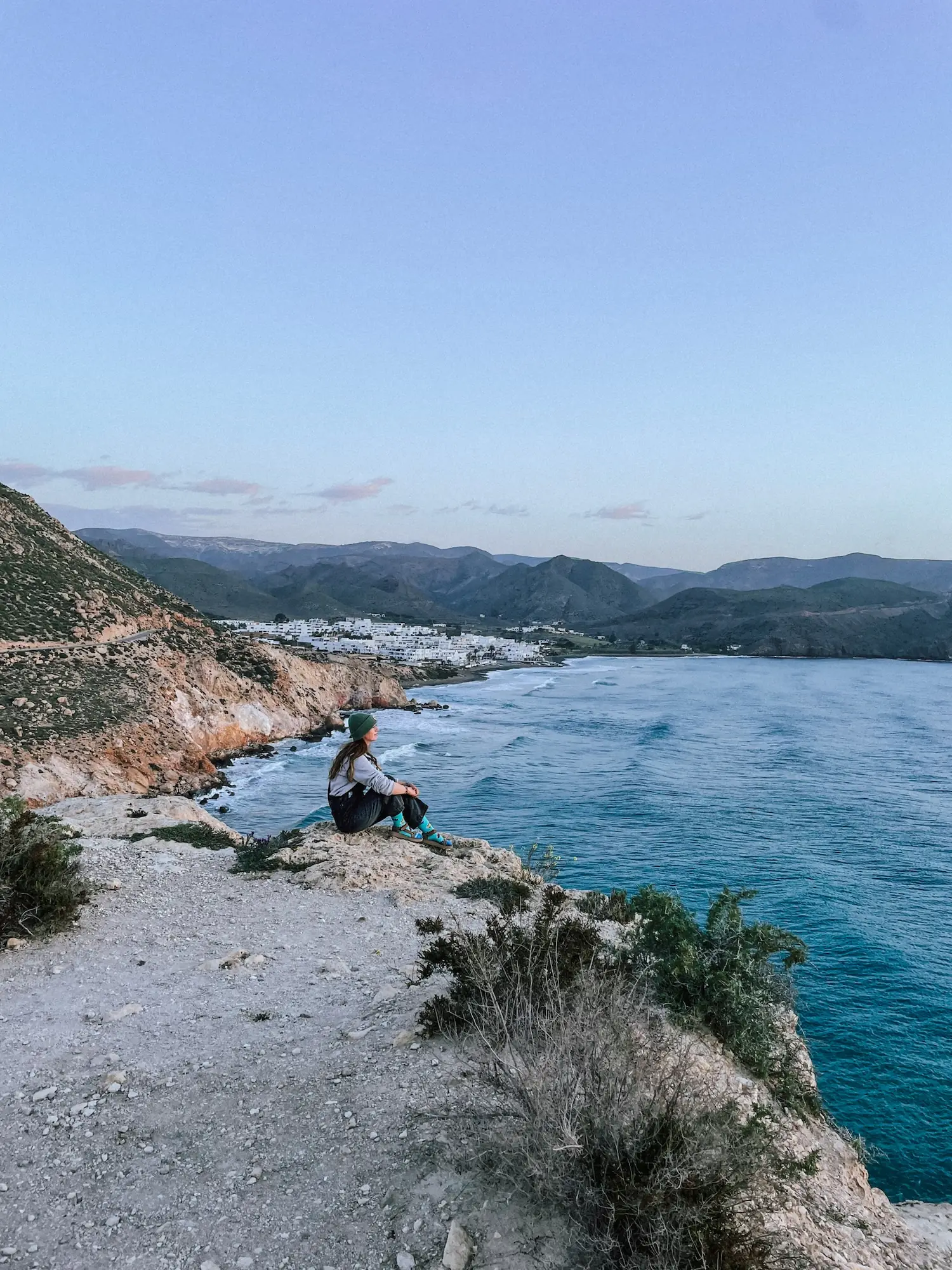
Cabo de Gata and Europe's only desert
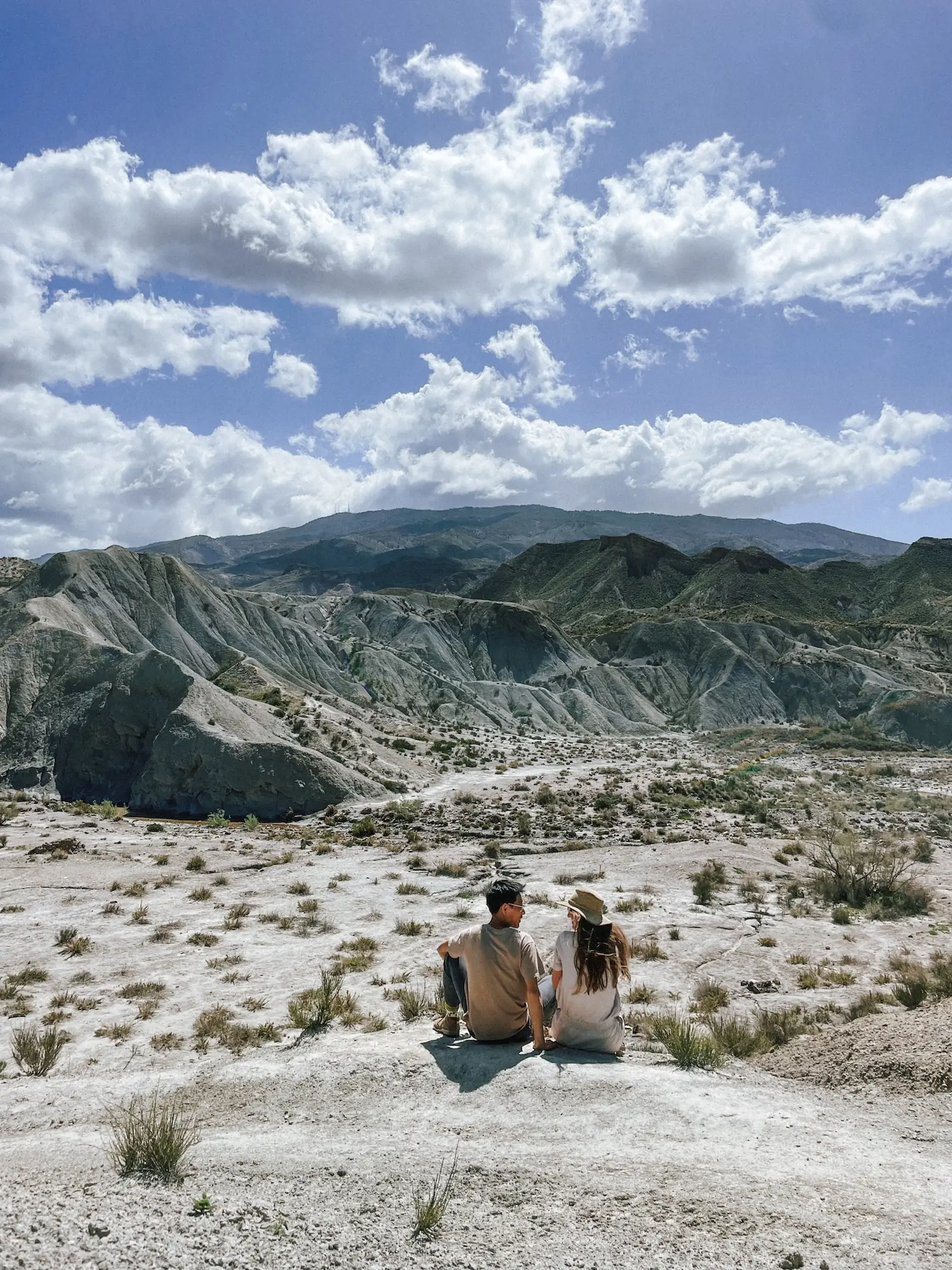
Around Almería, two pretty wild opposites live right next door to each other. Under vast stretches of greenhouses, the so-called "sea of plastic," grows a huge share of the vegetables that land in our supermarkets back home when they're out of season. Just a few miles down the road, the Tabernas Desert begins. It's considered Europe's only true desert, and it has played the backdrop for countless Western movies.
And then there's Cabo de Gata: rugged volcanic landscapes, turquoise water and pale, sun-bleached beaches.
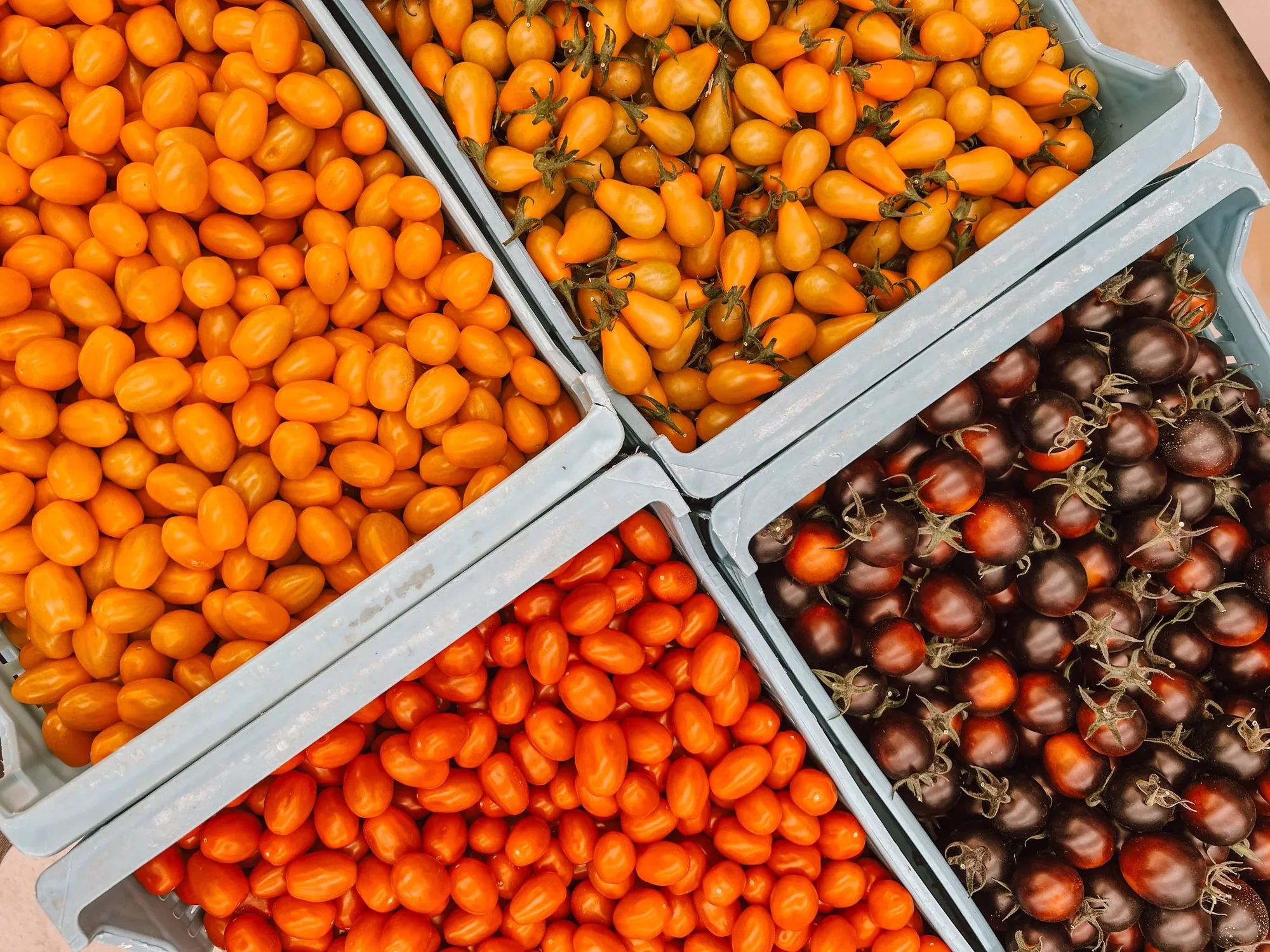 From the journalVisiting a Greenhouse in Almería, SpainFrom greenhouse to supermarket shelf - where do the vegetables in Swiss supermarkets actually come from? We visited a family-run greenhouse in Almería to find out.Read the post →
Seville and Granada: springtime with a Moorish twist
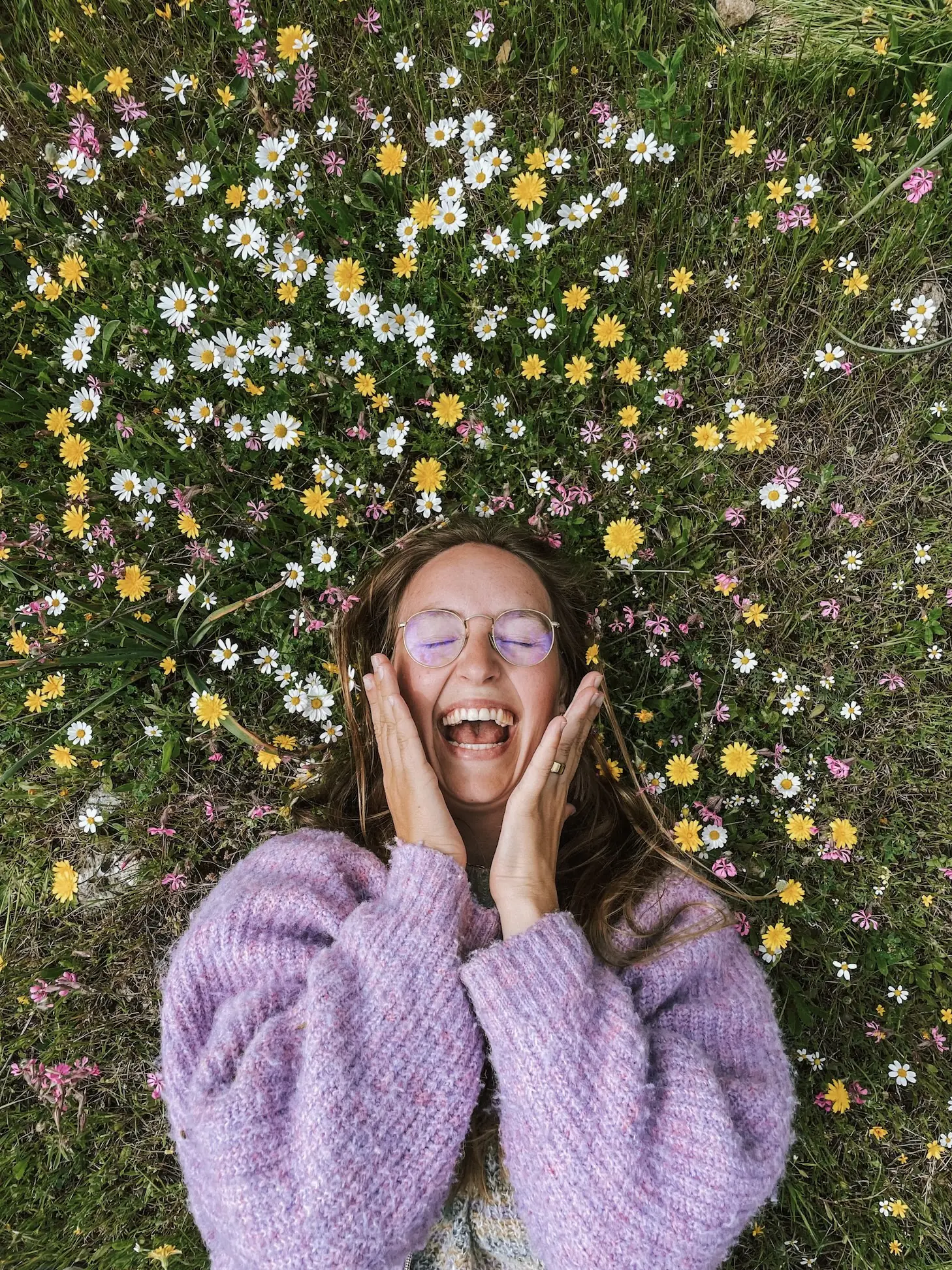
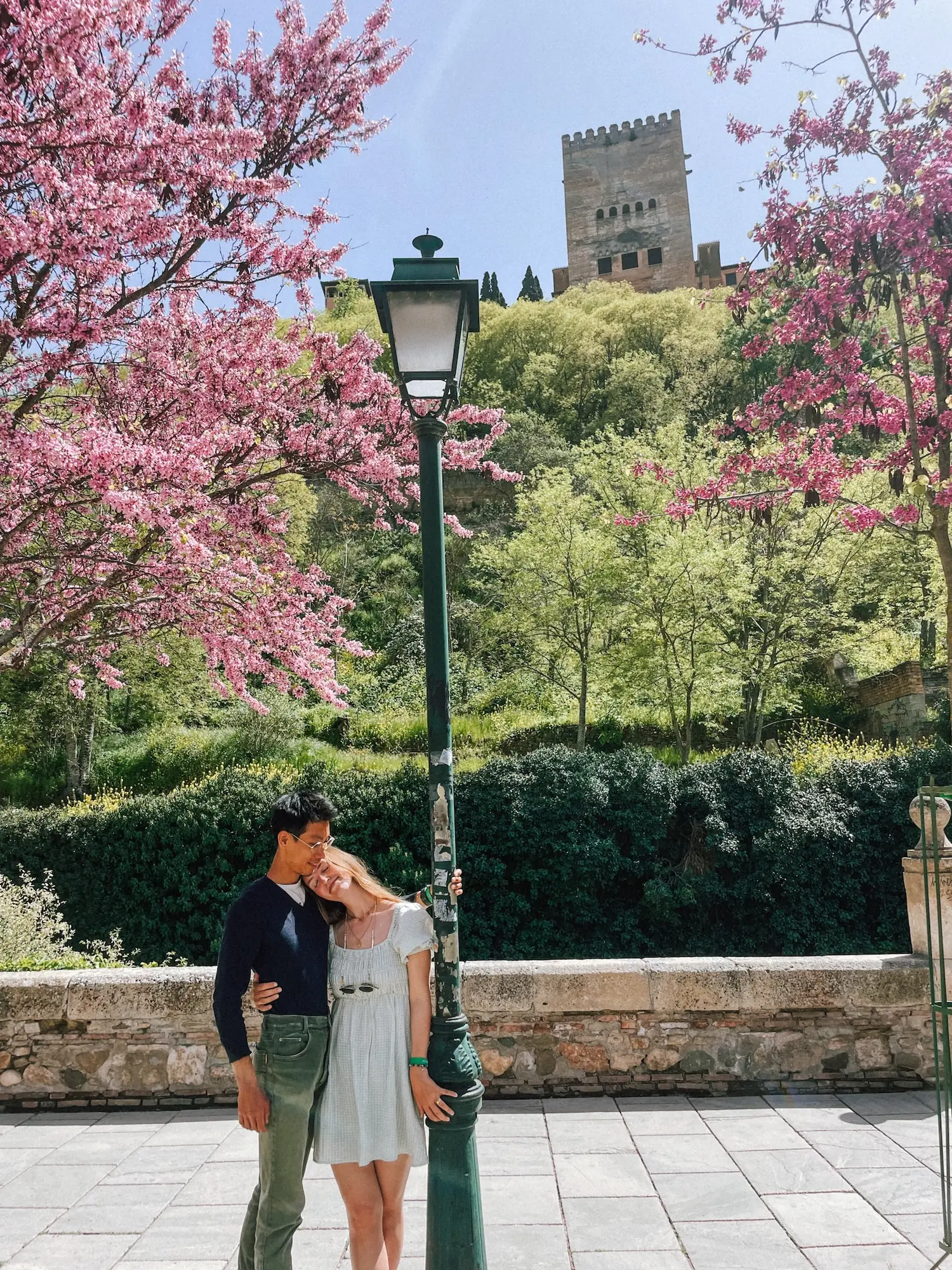
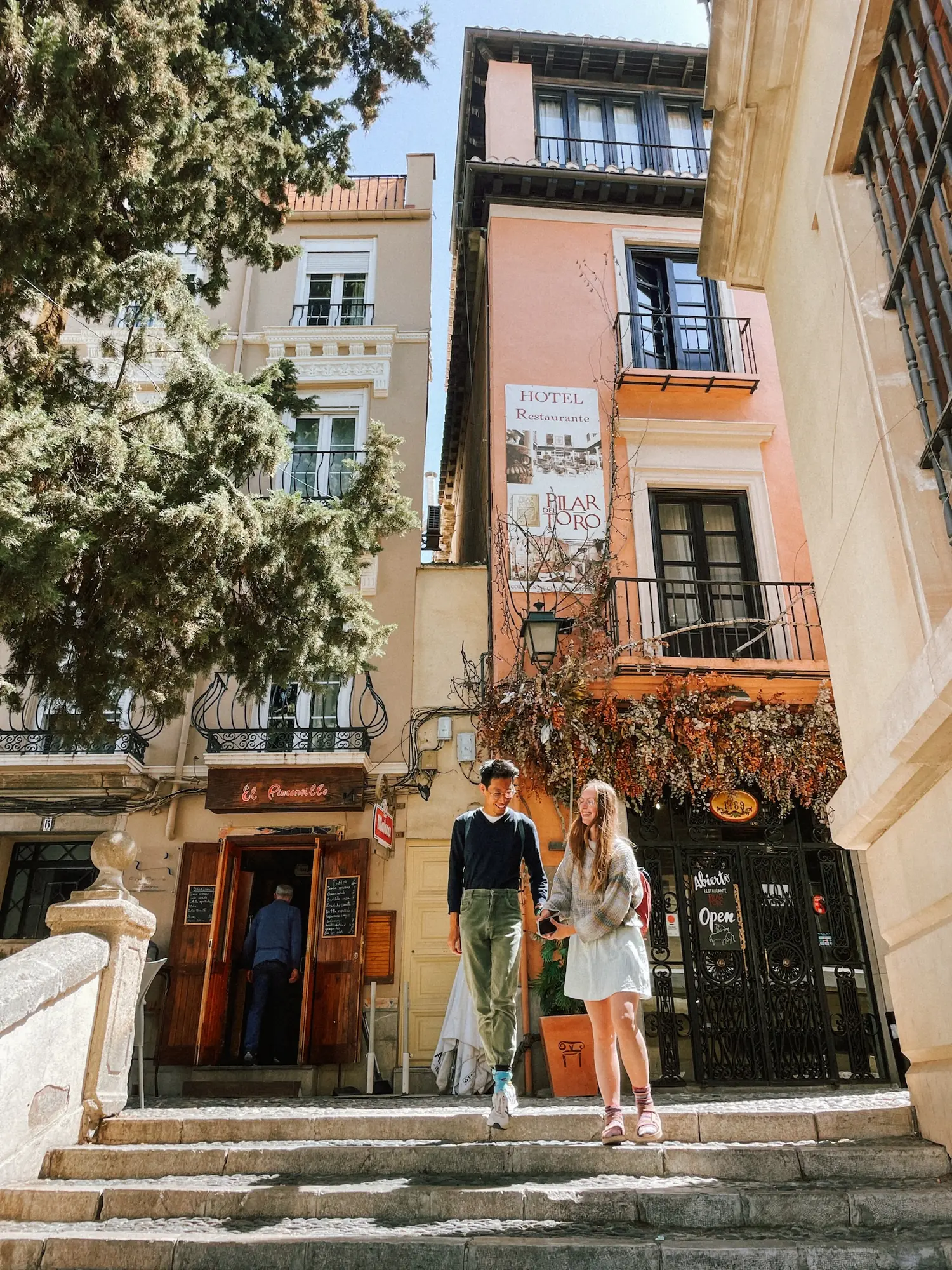
We caught Seville and Granada at the height of spring, and what timing that was. Everything was in bloom, the air smelled of orange blossoms and the parks were bursting with color. Then there's the Moorish influence you feel on every corner of both cities: ornate arches, tiled courtyards and softly splashing fountains. Wandering those streets felt almost surreal, like we'd stepped into a completely different world.
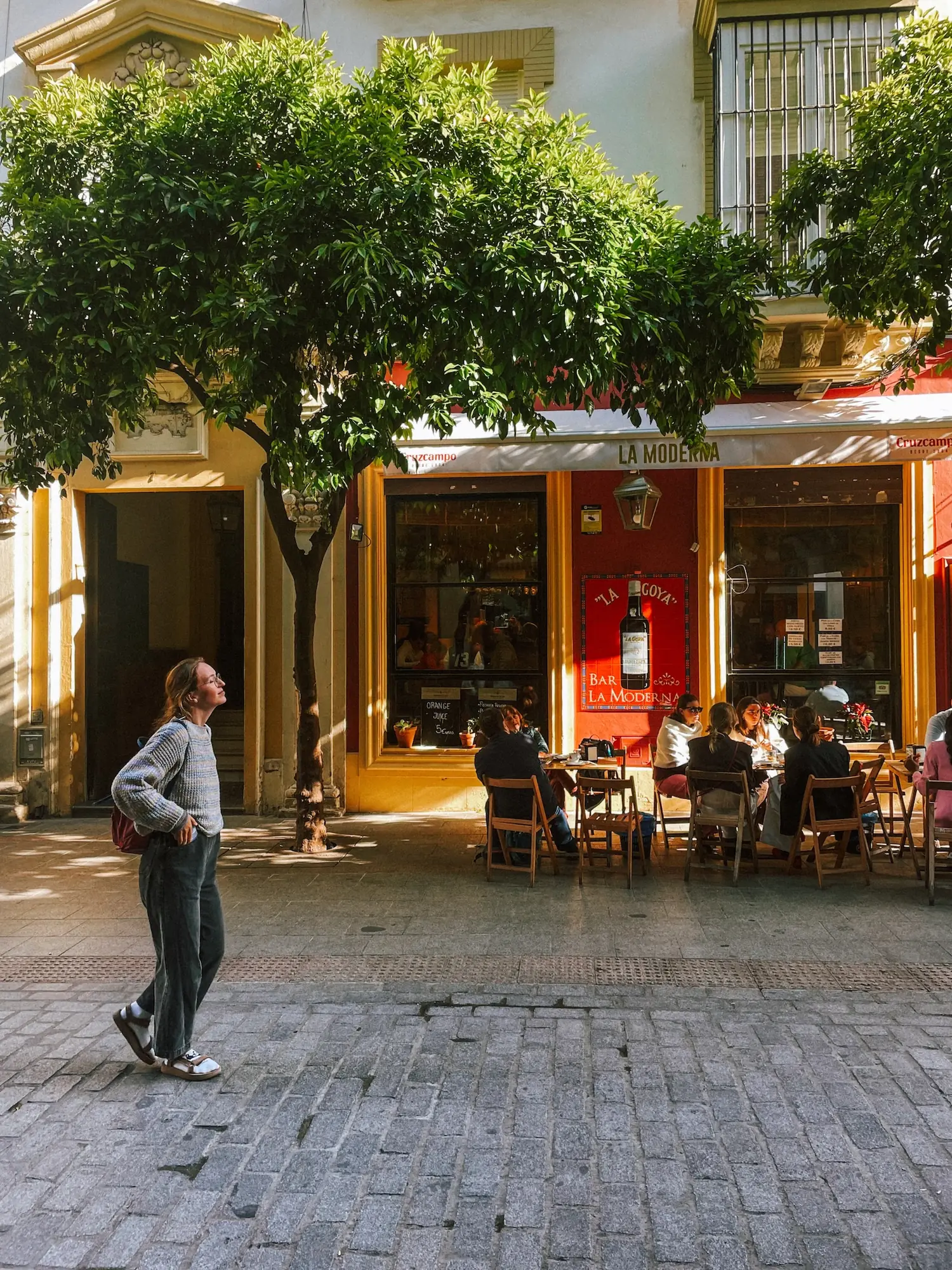
If the Alhambra in Granada is on your list, book tickets early, because they often sell out weeks ahead. And those orange trees lining Seville's streets? They are bitter oranges. Nobody eats them off the tree; most of them end up as British marmalade.
- Where we parked for Seville: Área Auto-Caravanas Parque de la Muela in El Viso del Alcor, just outside the city
Hiking the Algarve
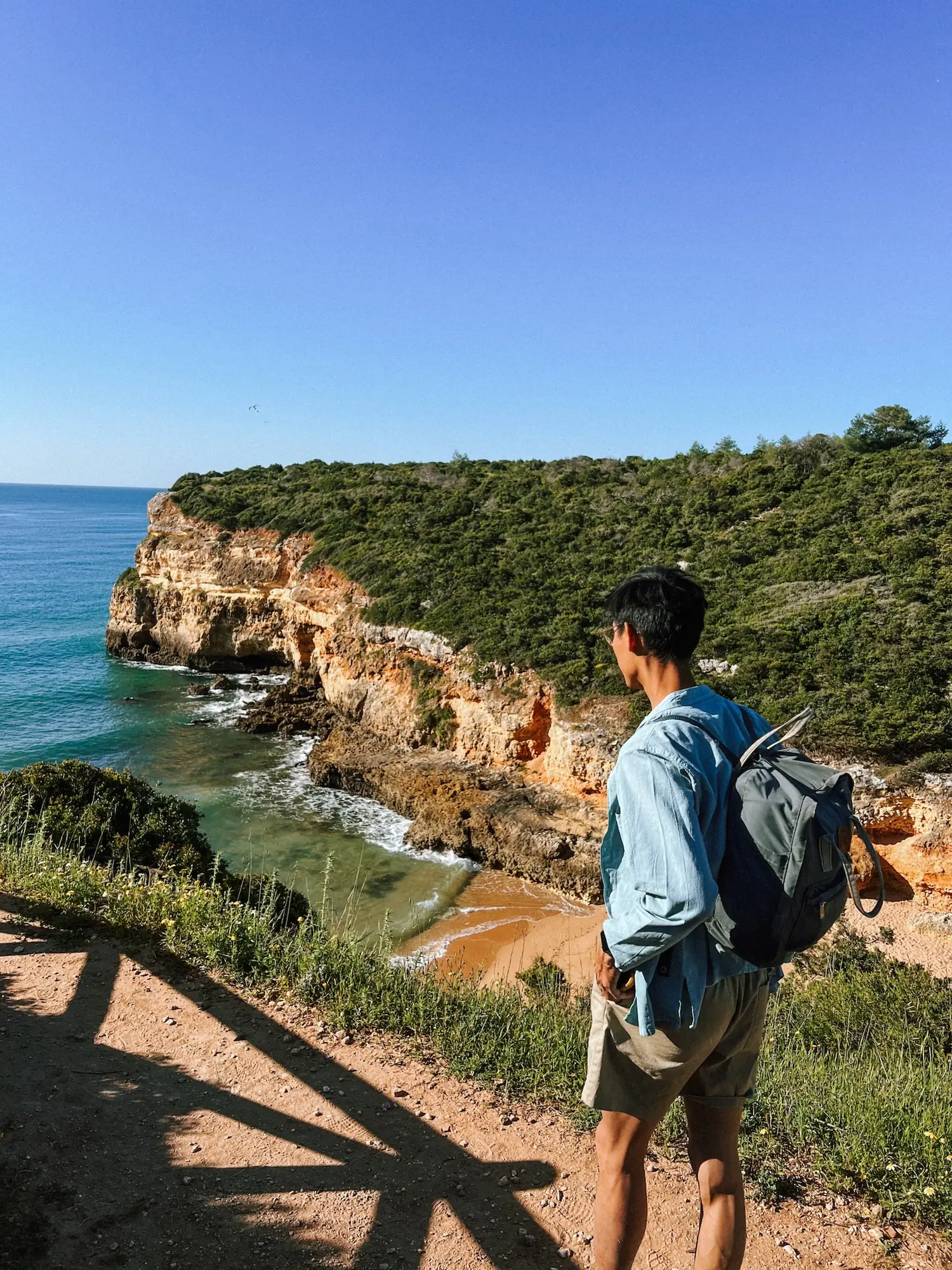
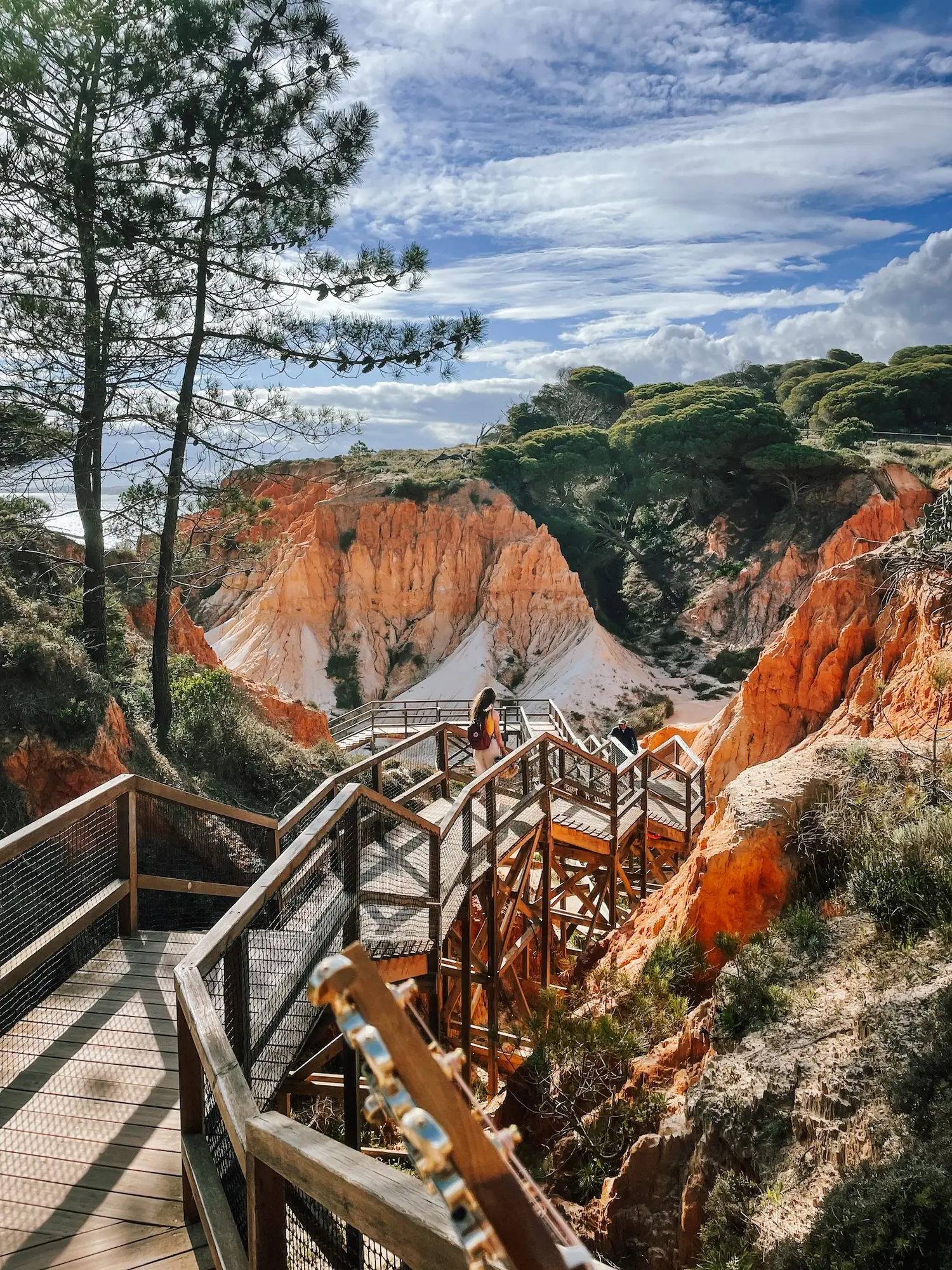
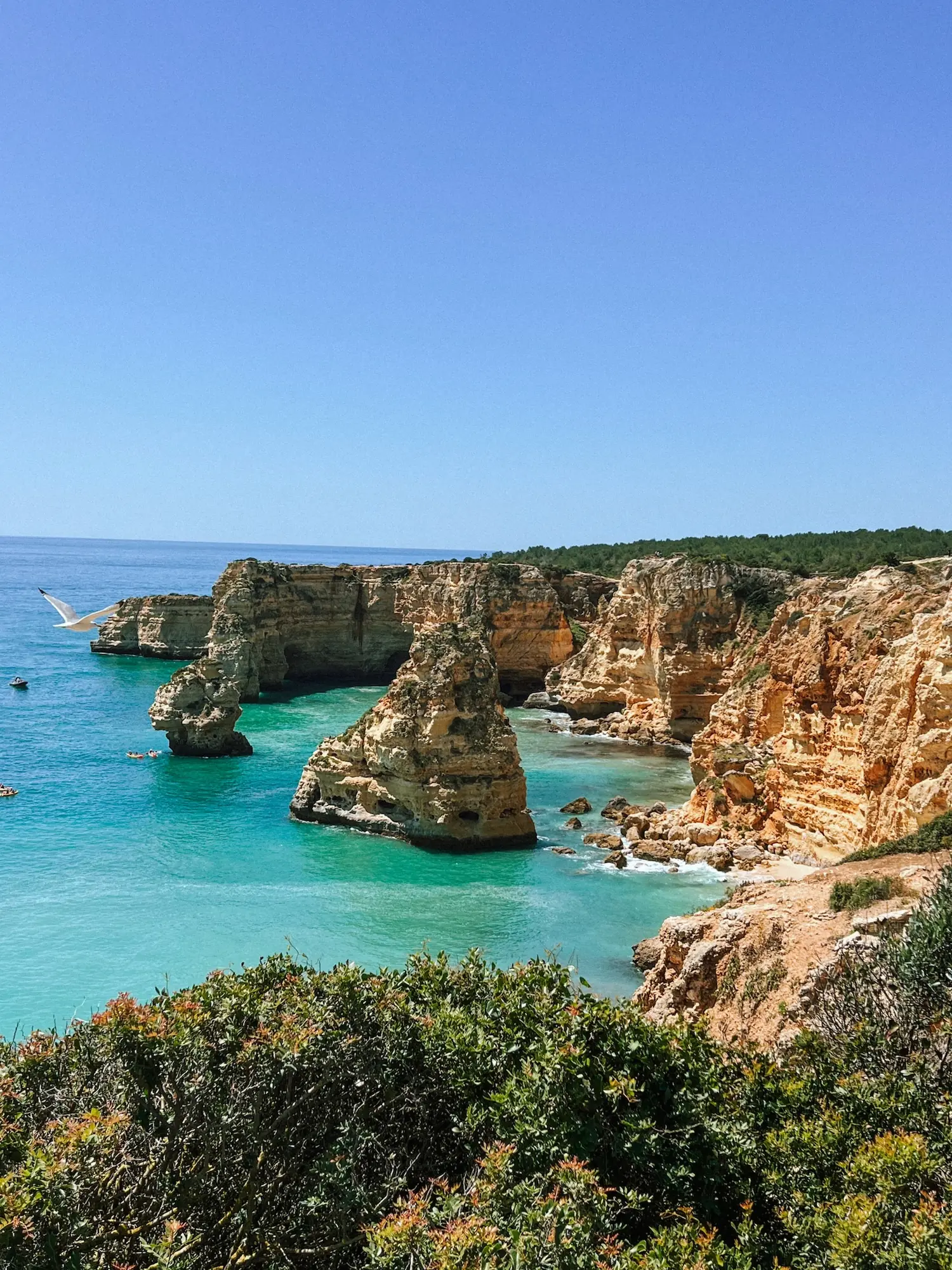
For us, the Algarve was first and foremost hiking country. Our favorite is the coastal trail from Praia da Senhora da Rocha to Praia da Marinha: the path hugs the clifftops and strings together one picture-perfect cove after another.
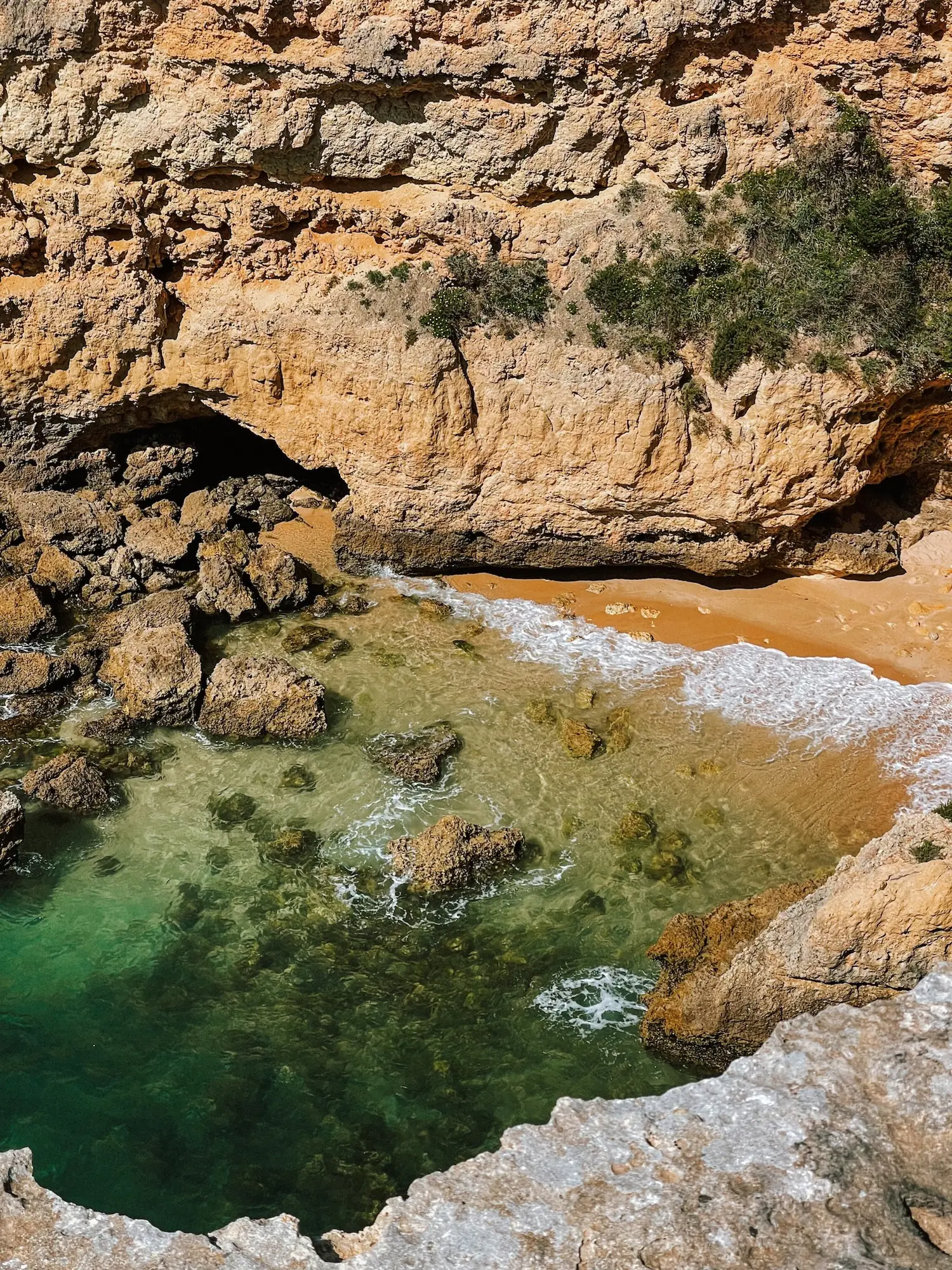
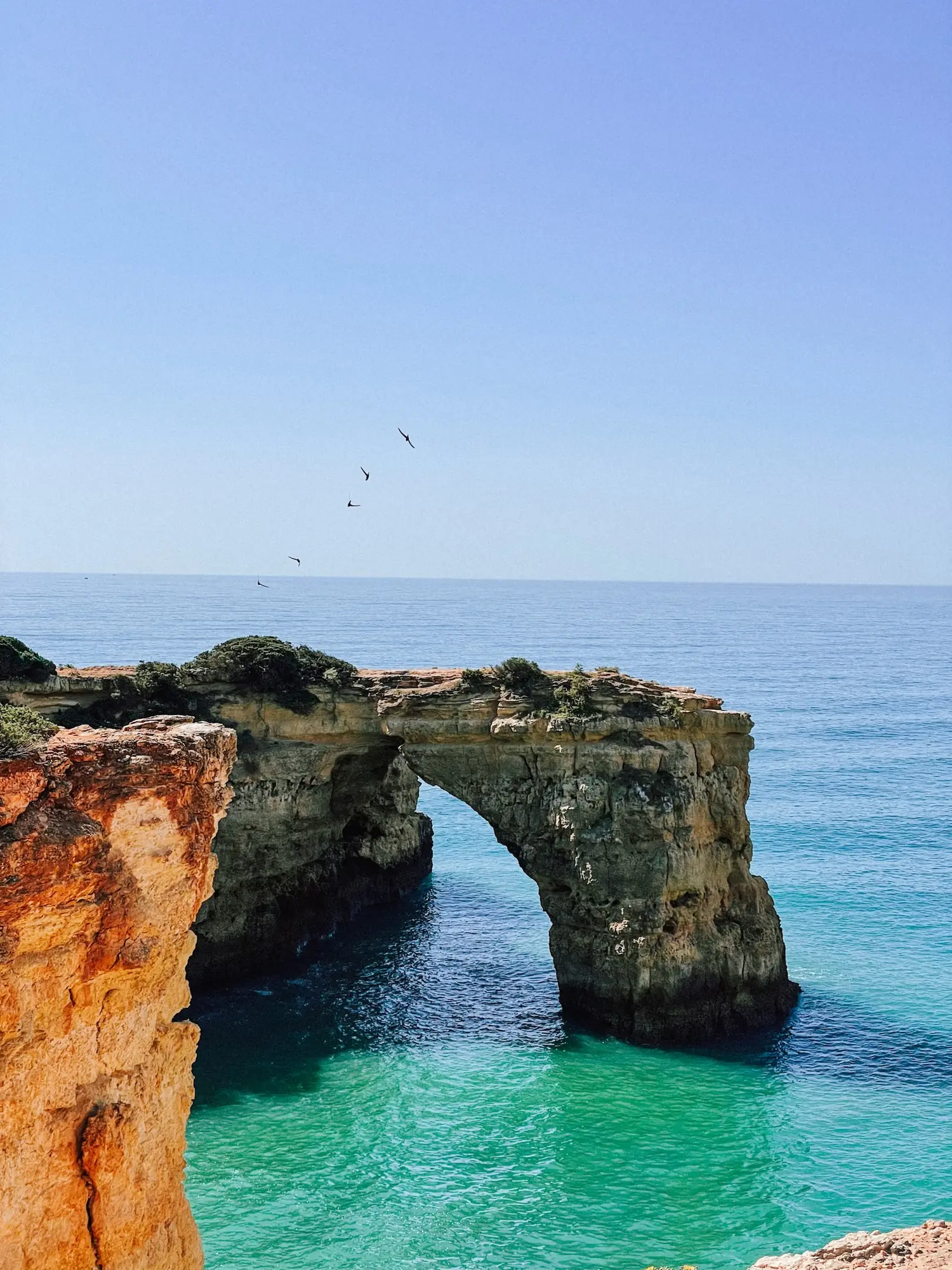
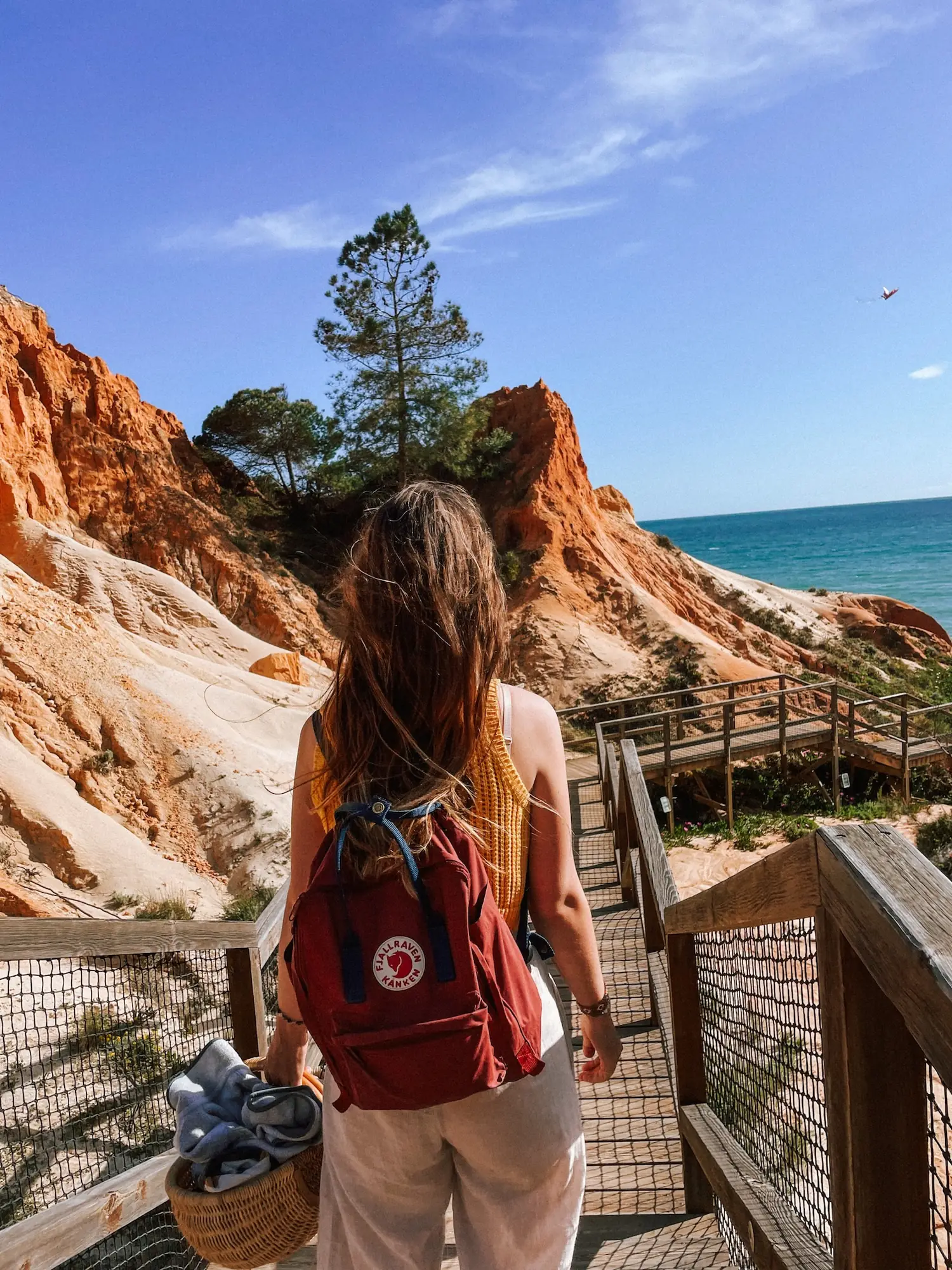
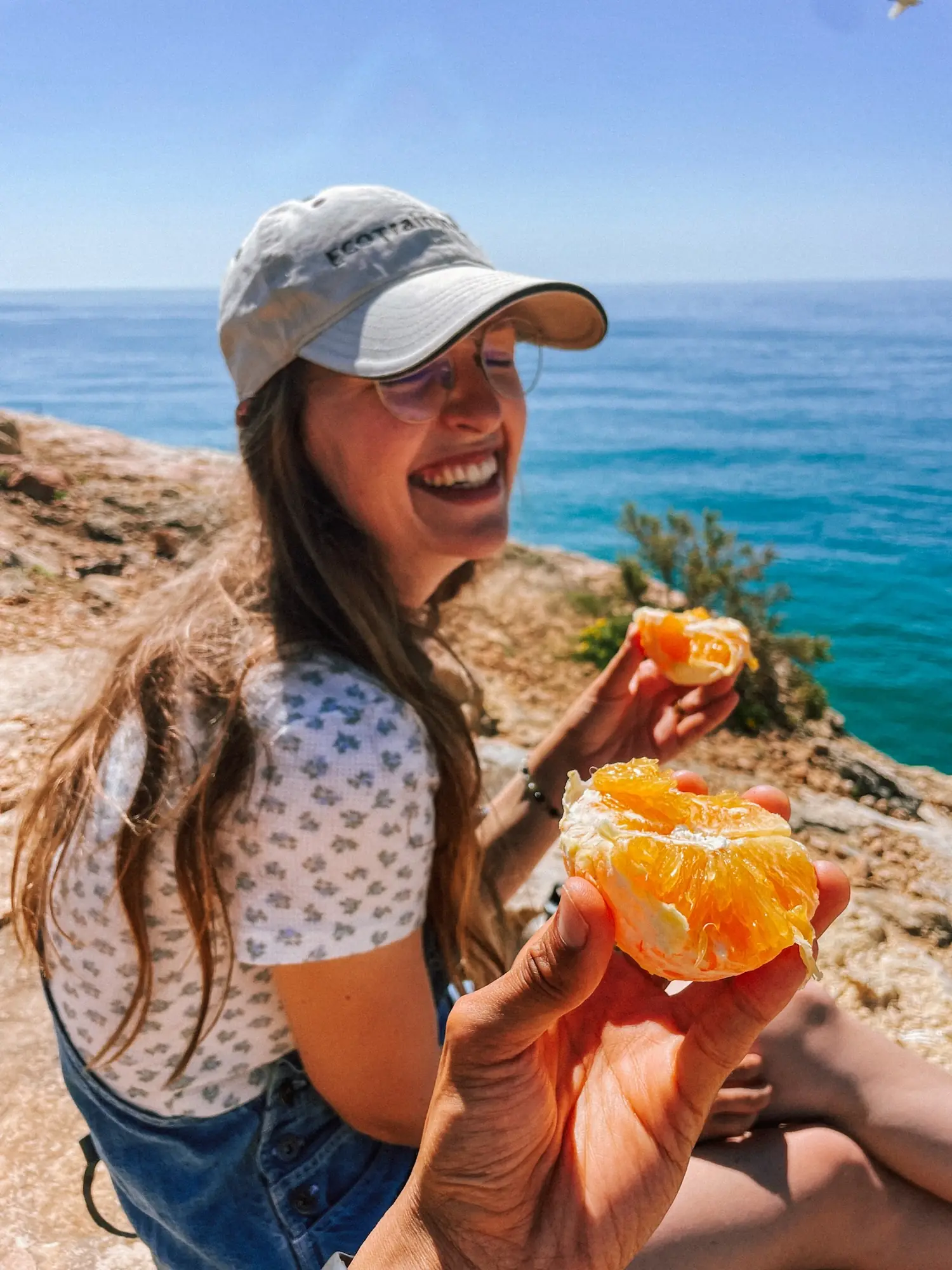
Portugal doesn't just have some of the most beautiful beaches in Europe. It also grows the juiciest oranges on the continent. We still think back on those laranjas, fondly and often.
Where we parked:
- Praia dos Tomates: a legendary vanlifer hangout
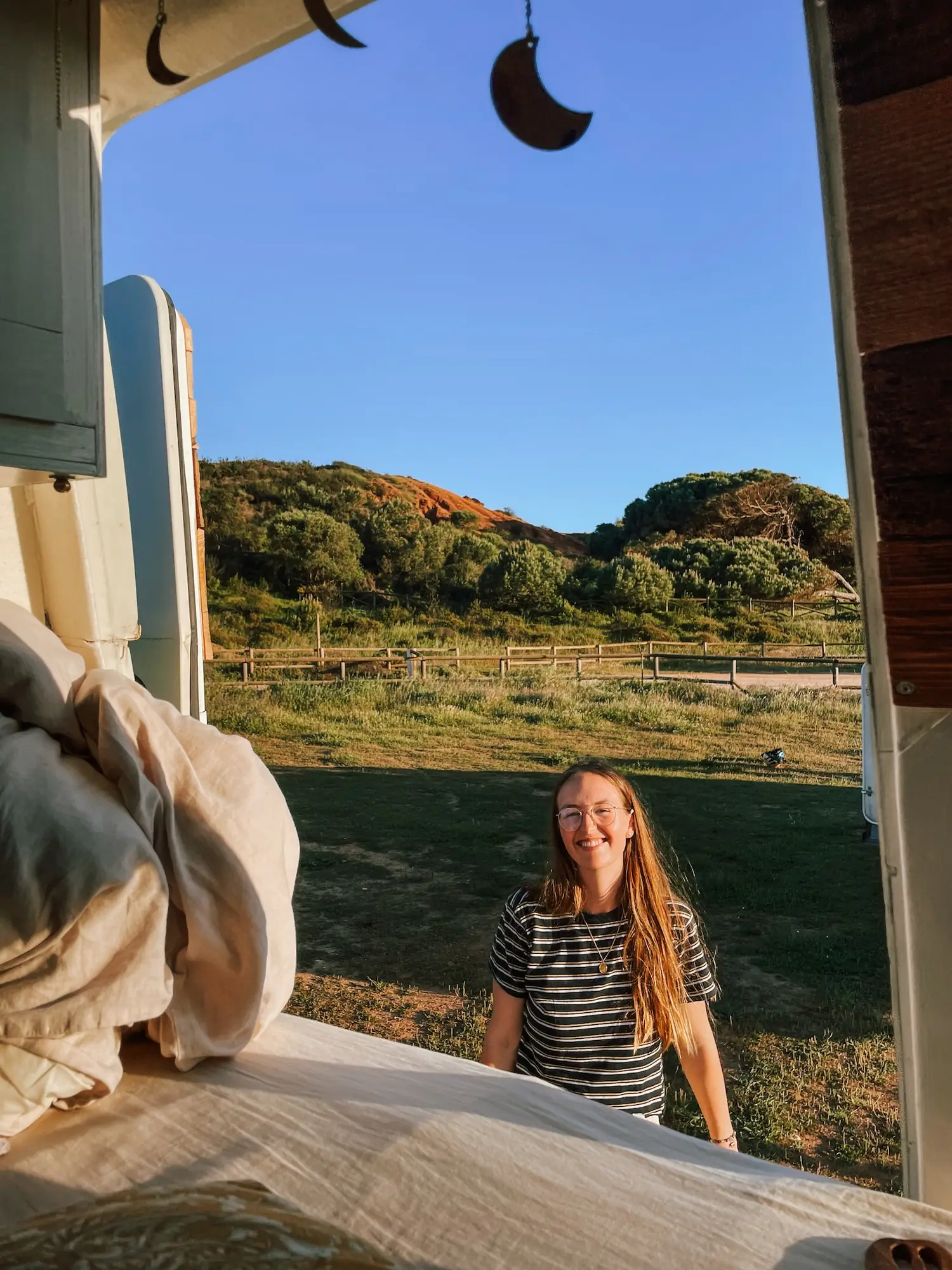
- Elodie & Romy's Algarve Camping Car Park: a lovingly designed campground in a dreamy location, warm, welcoming and vanlife-friendly, for €8 a night
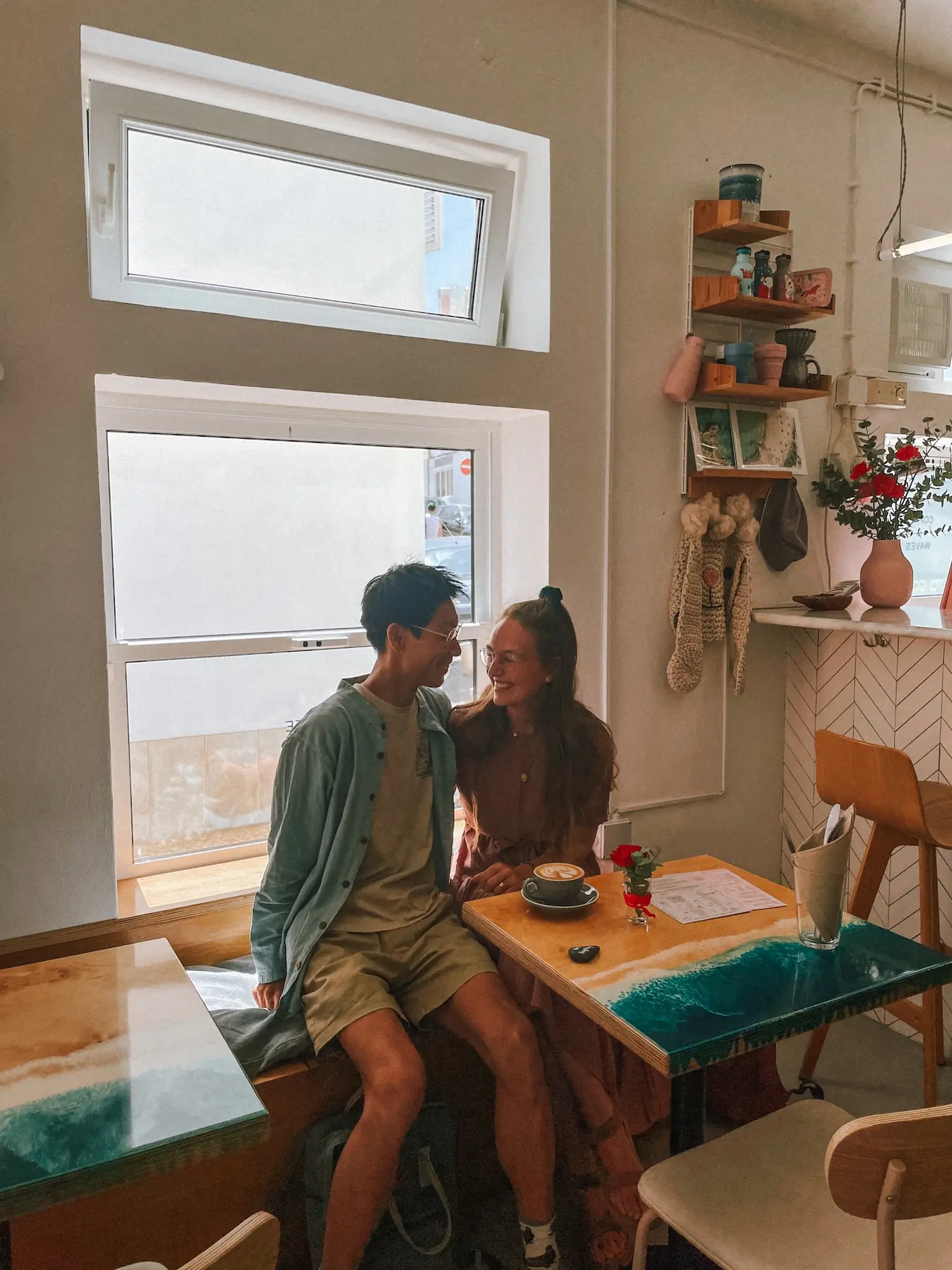
Lagos: cafés, azulejos and pastéis de nata
Our campground in Lagos had a whopping two stars on Park4Night. So our expectations were, let's say, modest. All that mattered was that Humbär had a safe place to sit while we explored town.
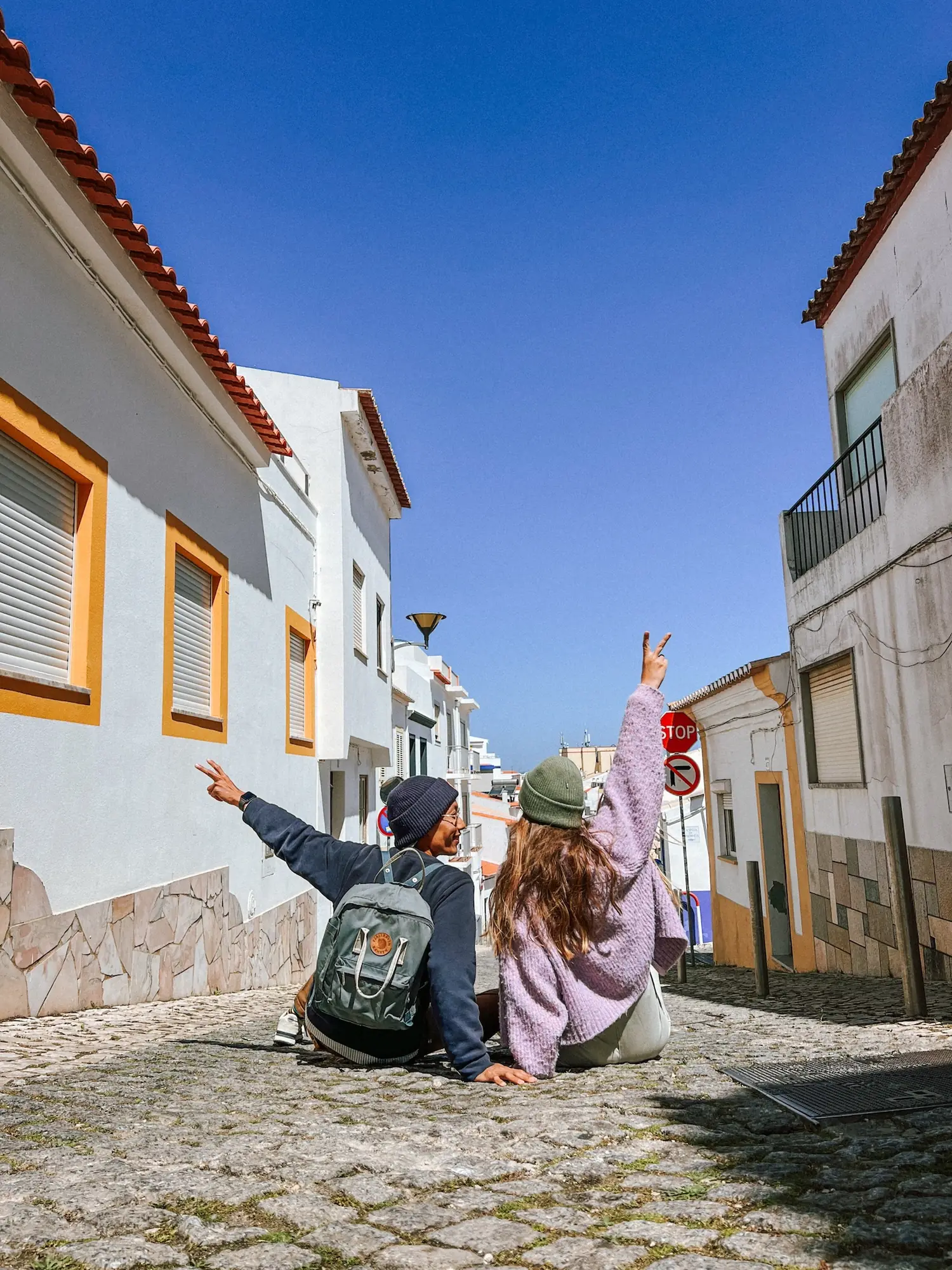
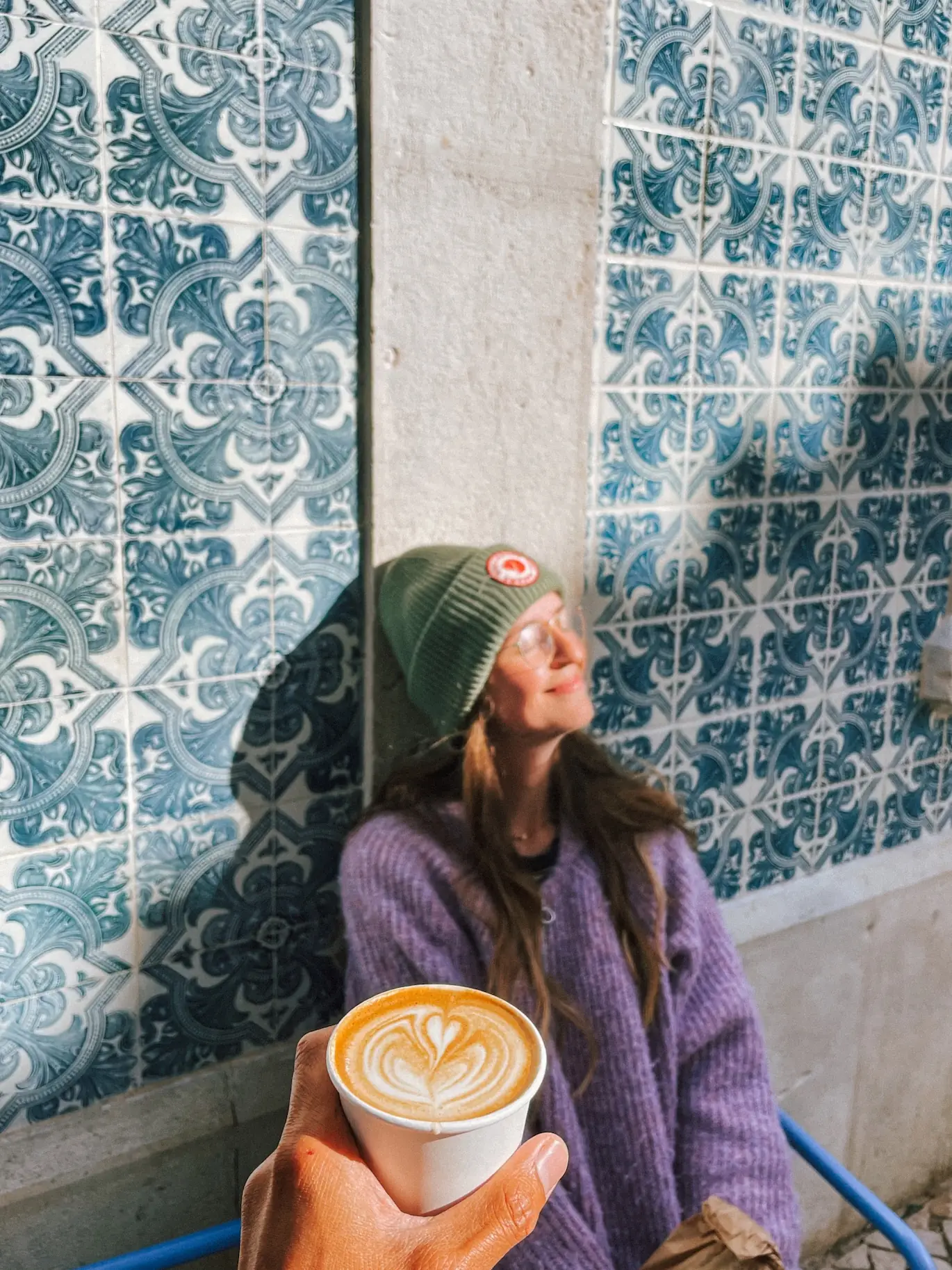
Lagos itself caught us completely off guard: gorgeous cafés, colorful azulejos, outstanding bakeries and even a seriously good bagel shop. The vibe is super international, and English gets you by almost everywhere.
Don't miss the sea stacks and grottoes at Ponta da Piedade, just outside town. They look best from the water, by kayak or paddleboard.
Sagres: surfers, cliffs and an Aldi parking lot
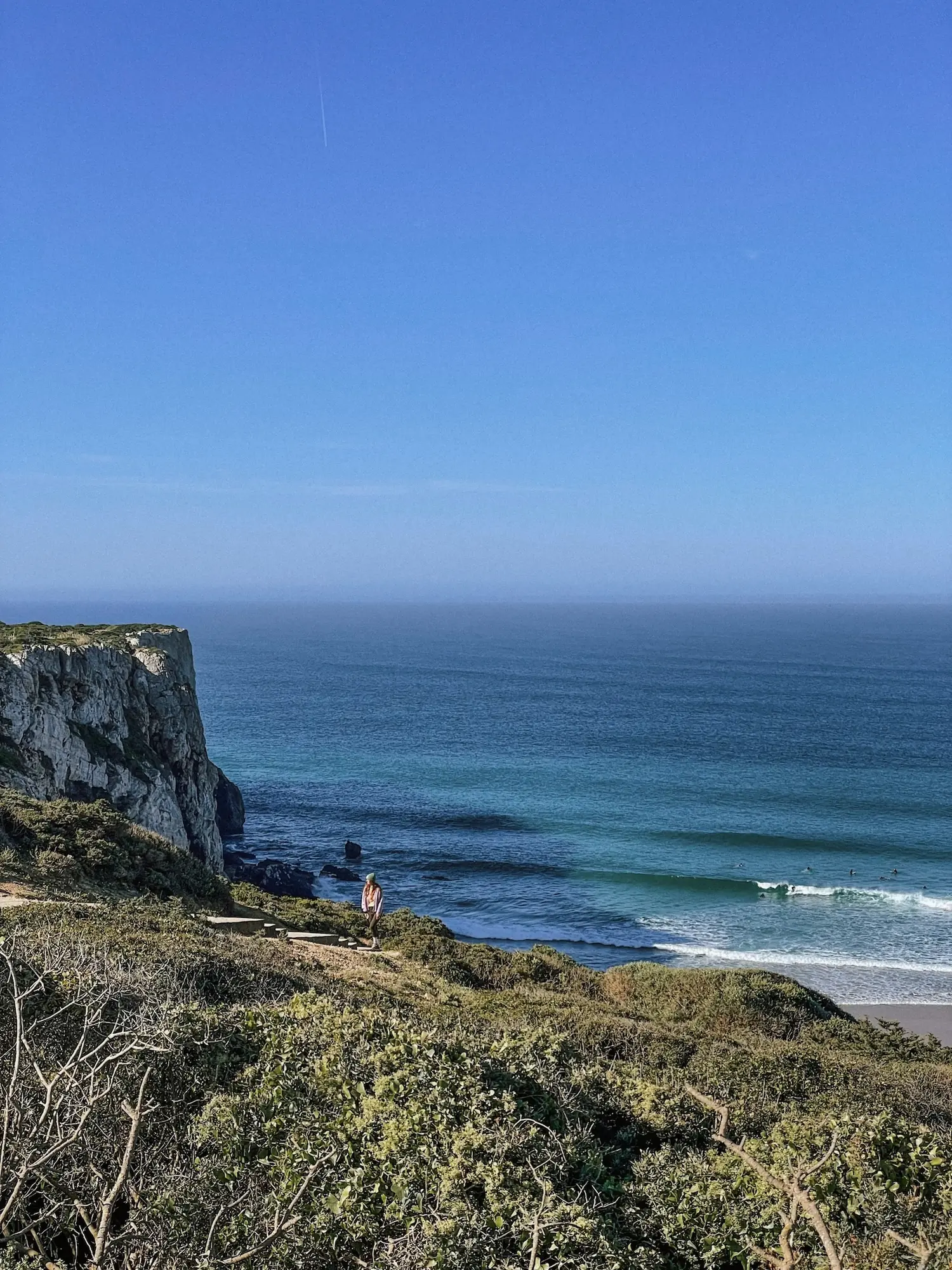
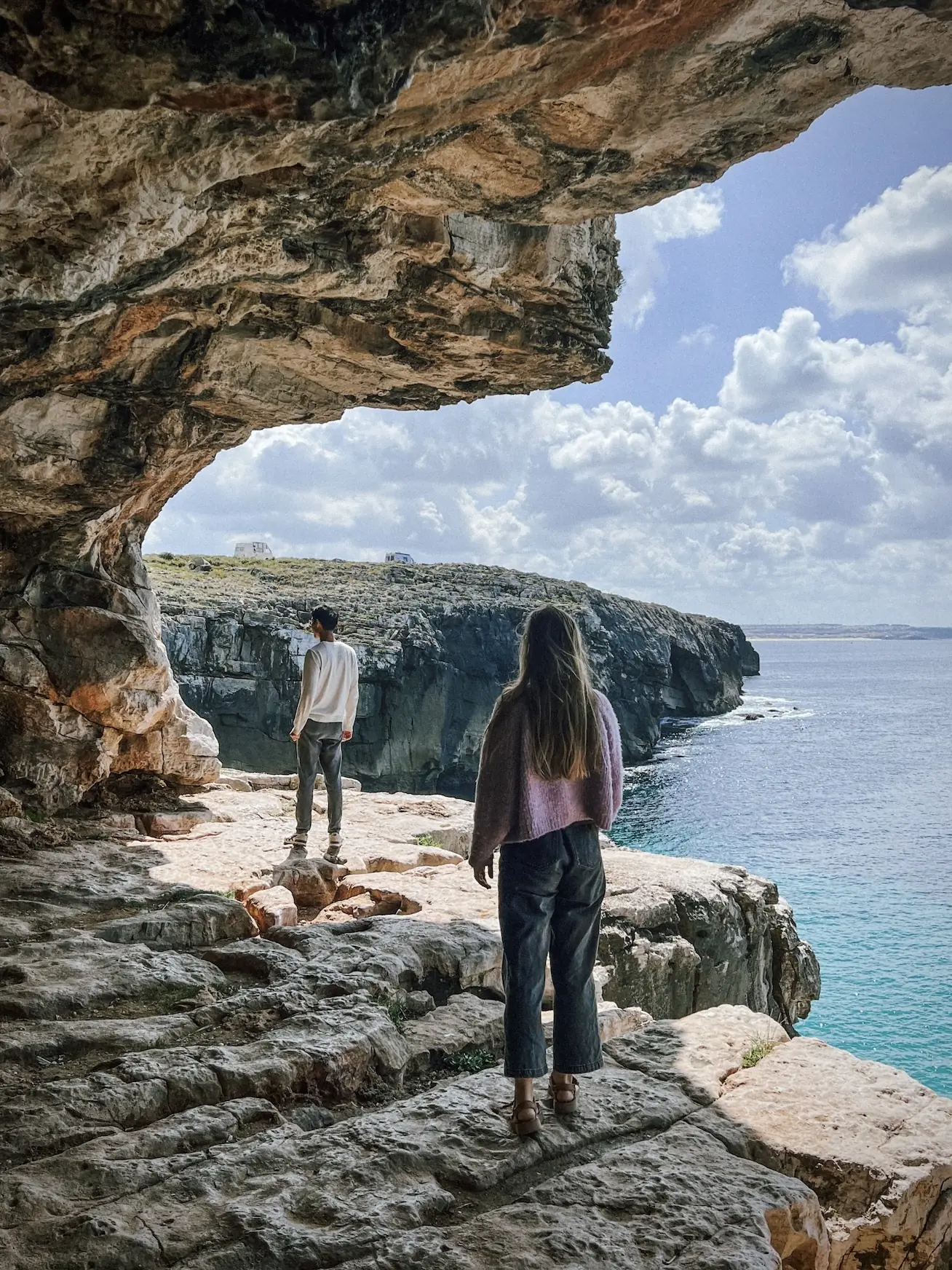
Truth be told, we didn't do much in Sagres. And that was exactly the vibe. We sat by the ocean and spent the whole day watching surfers carry their boards down the stairs to the water.
Vanlife reality check: Around Portugal's southwestern tip, life gets seriously tough for vanlifers. We ended up on an Aldi parking lot, where they tolerated us for the night. Not exactly romantic, but hey, fresh bread and pastéis de nata first thing in the morning. We only drove out to the surf beach the next day. For us, that was simply the easier way to do it.
Just a few minutes down the road is Cabo de São Vicente, the southwesternmost point of mainland Europe. People once thought of it as the end of the world, and the sunsets there are legendary.
- Favorite cafés: Picnic Sagres and Sagres Surf & Coffee
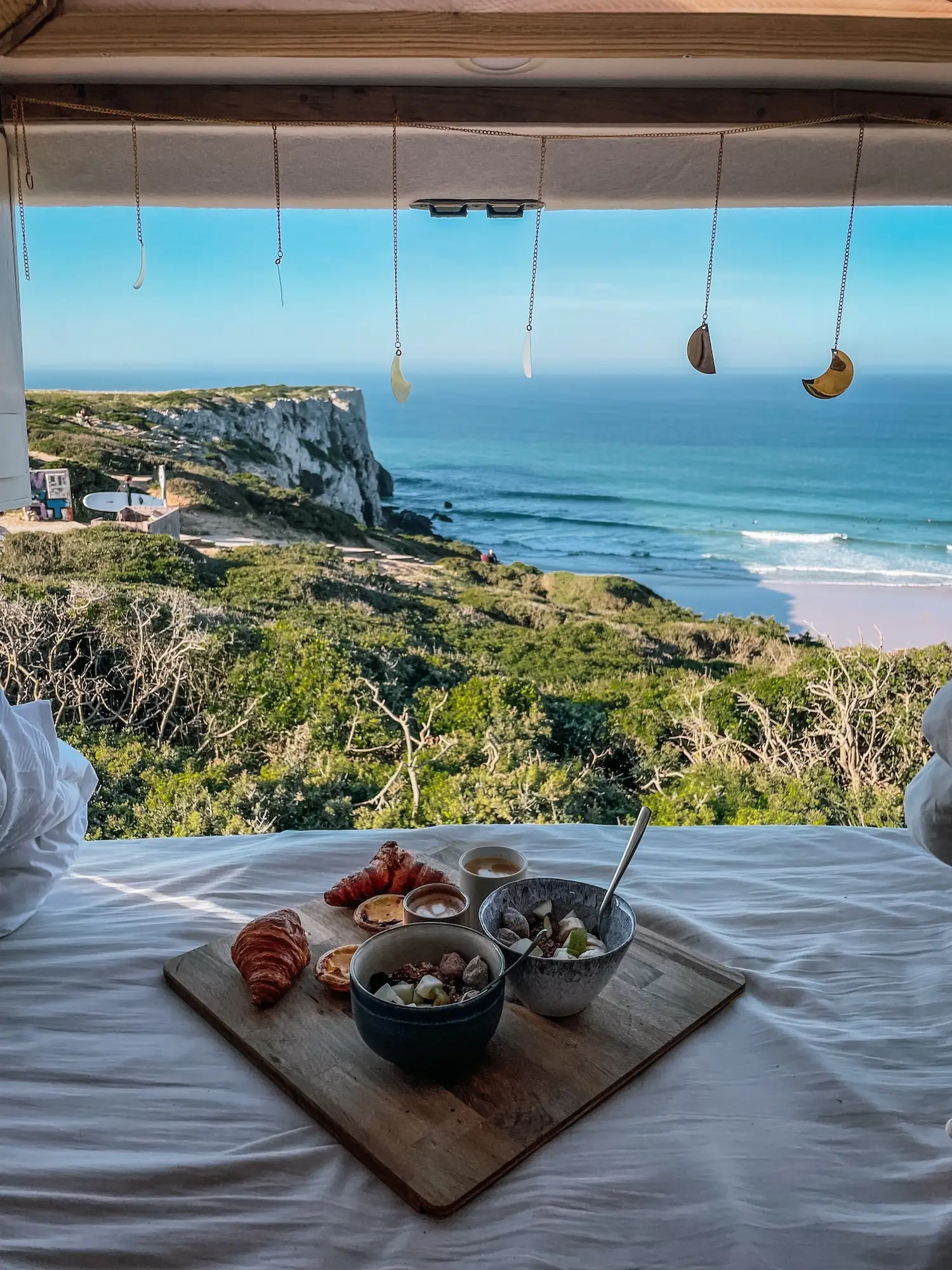
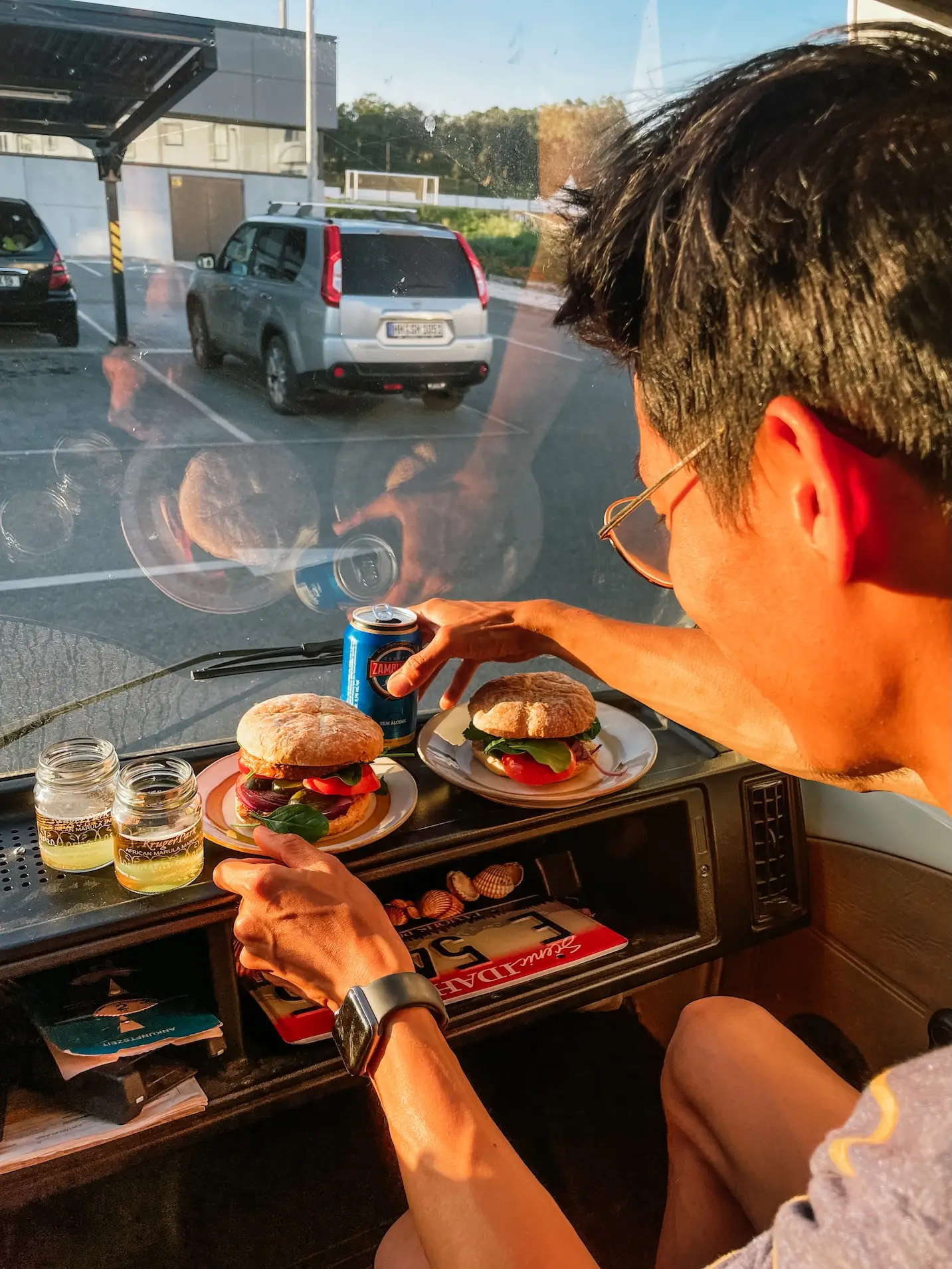
Surfing in Arrifana
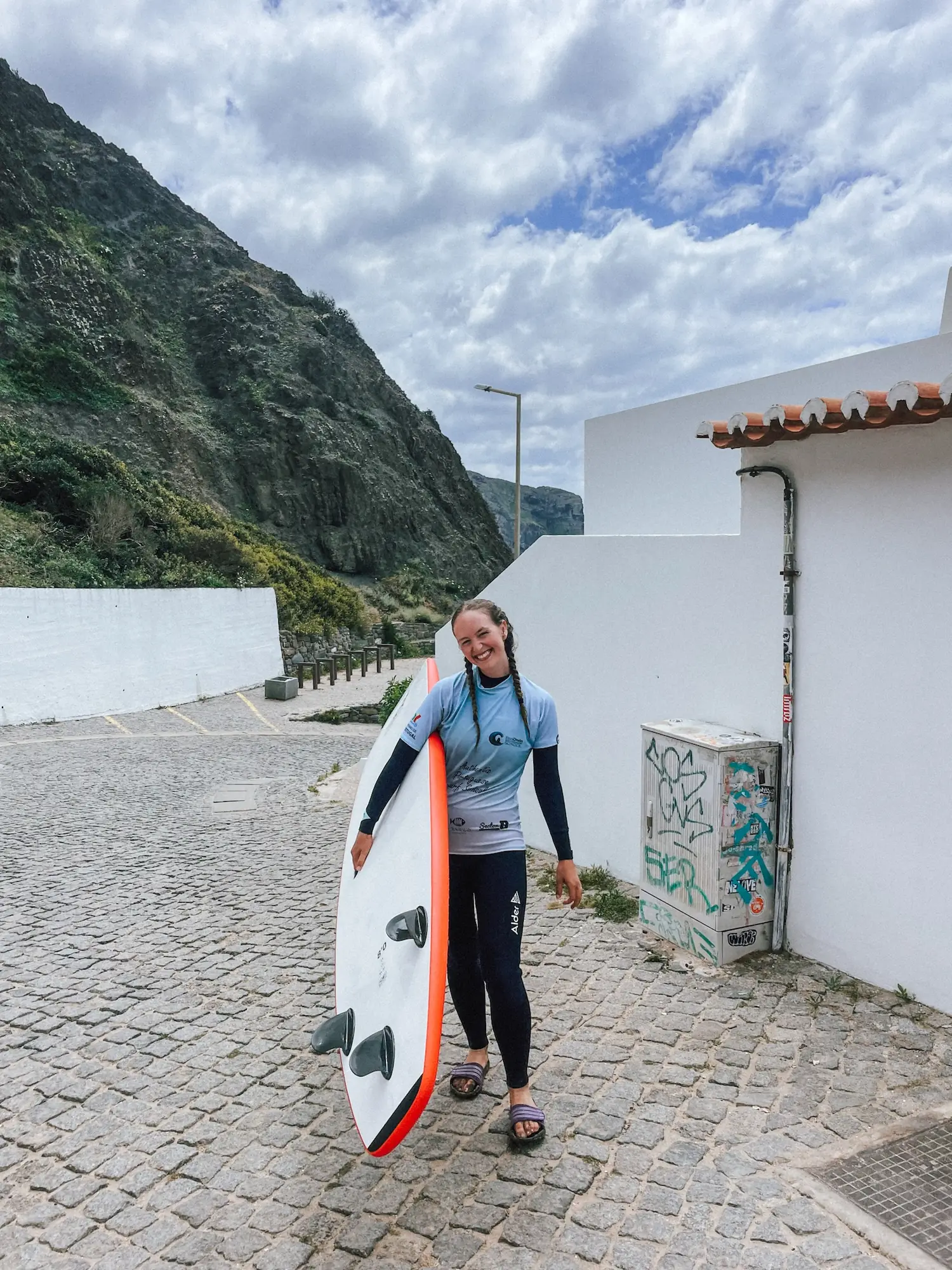
Finding a place to sleep between Sagres and Sines is no walk in the park. In the end, a local tipped us off to a tucked-away spot we could drive Humbär to. The next morning: our very first surf lesson! Even in a wetsuit, Frank found it a little chilly. For Evelyne, it was just right.
Why is finding a spot so tricky around here? The whole coastline belongs to the Southwest Alentejo and Vicentine Coast Natural Park, and in protected areas, sleeping in your camper is off-limits.
- Our surf school: Boa Onda Surf School
Date day in Lisbon
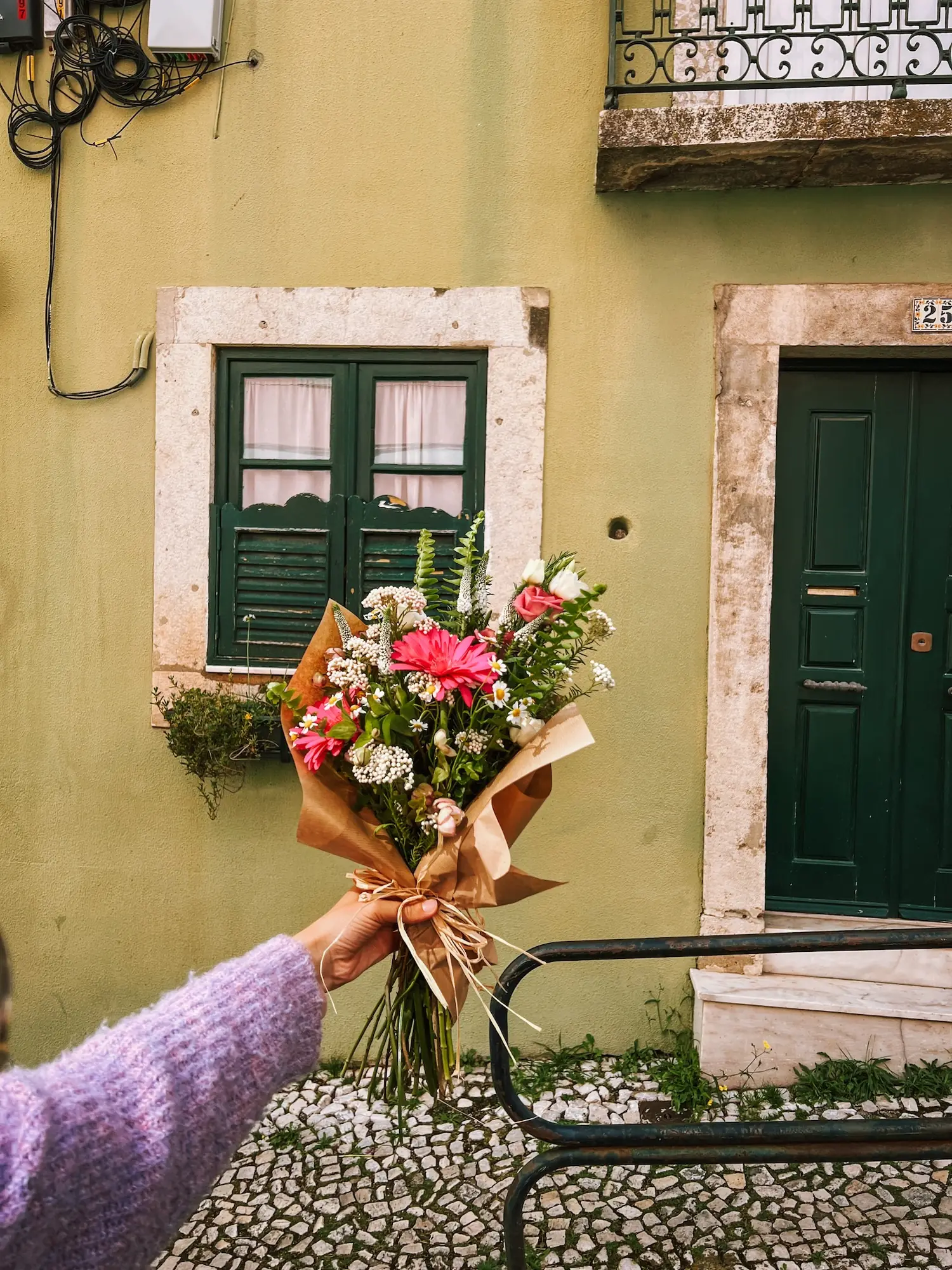
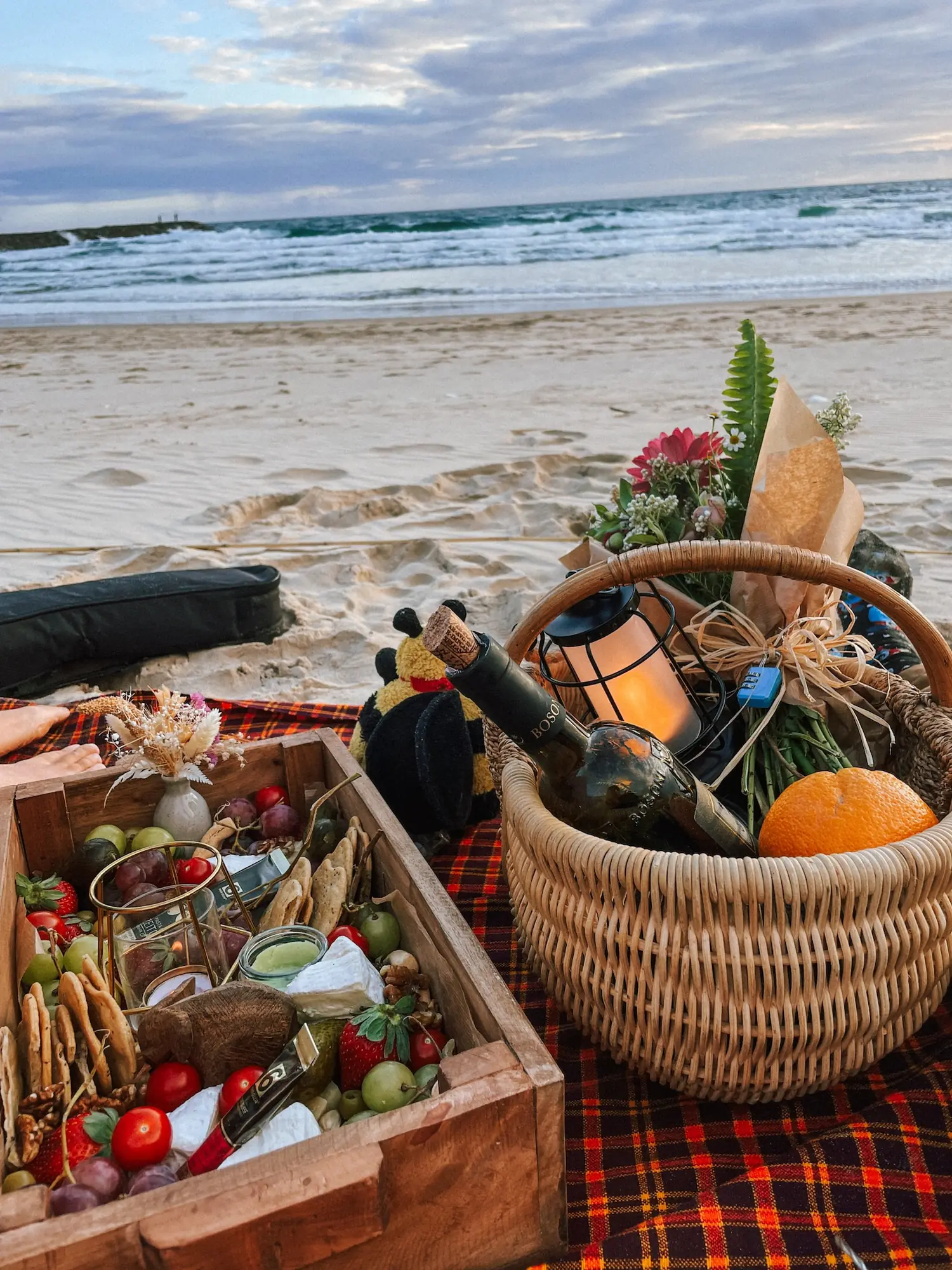
We celebrated our three-year anniversary in Lisbon with a Lumineers concert. The next day was our date day: we explored the city totally old-school, with nothing but a paper map and coordinates.

When it comes to city trips, we have one non-negotiable: Humbär stays at a safe campground outside the city, and we take public transit into the center. That way our home stays safe, and we don't have to wrestle a camper through city traffic.
- Where we parked: Orbitur Camping Costa de Caparica. We took the bus and the ferry into town, but locals told us we should just grab a Bolt.
- Favorite cafés: Taiyaki Café for Taiwanese wheel cakes, and Hello, Kristof
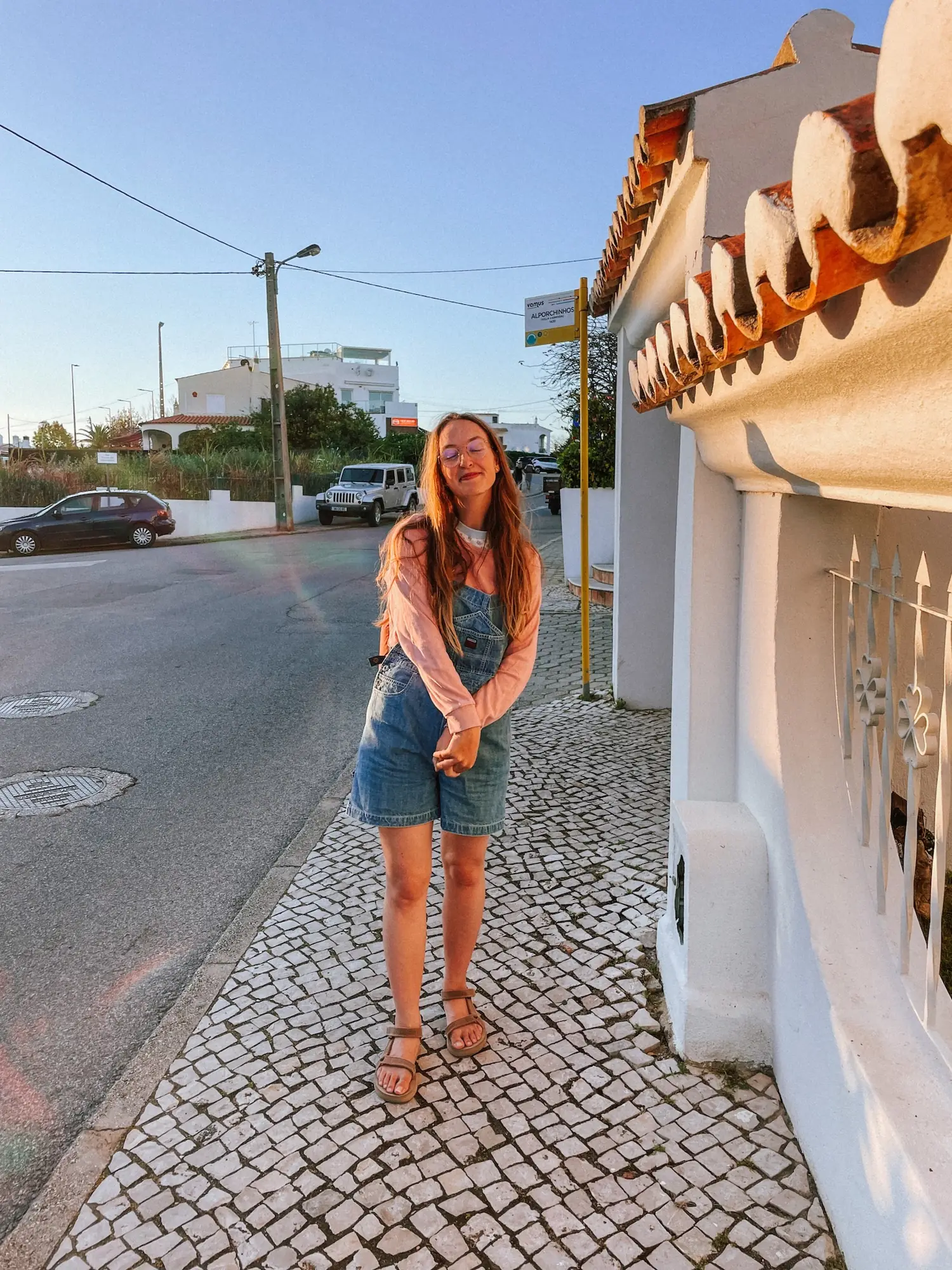
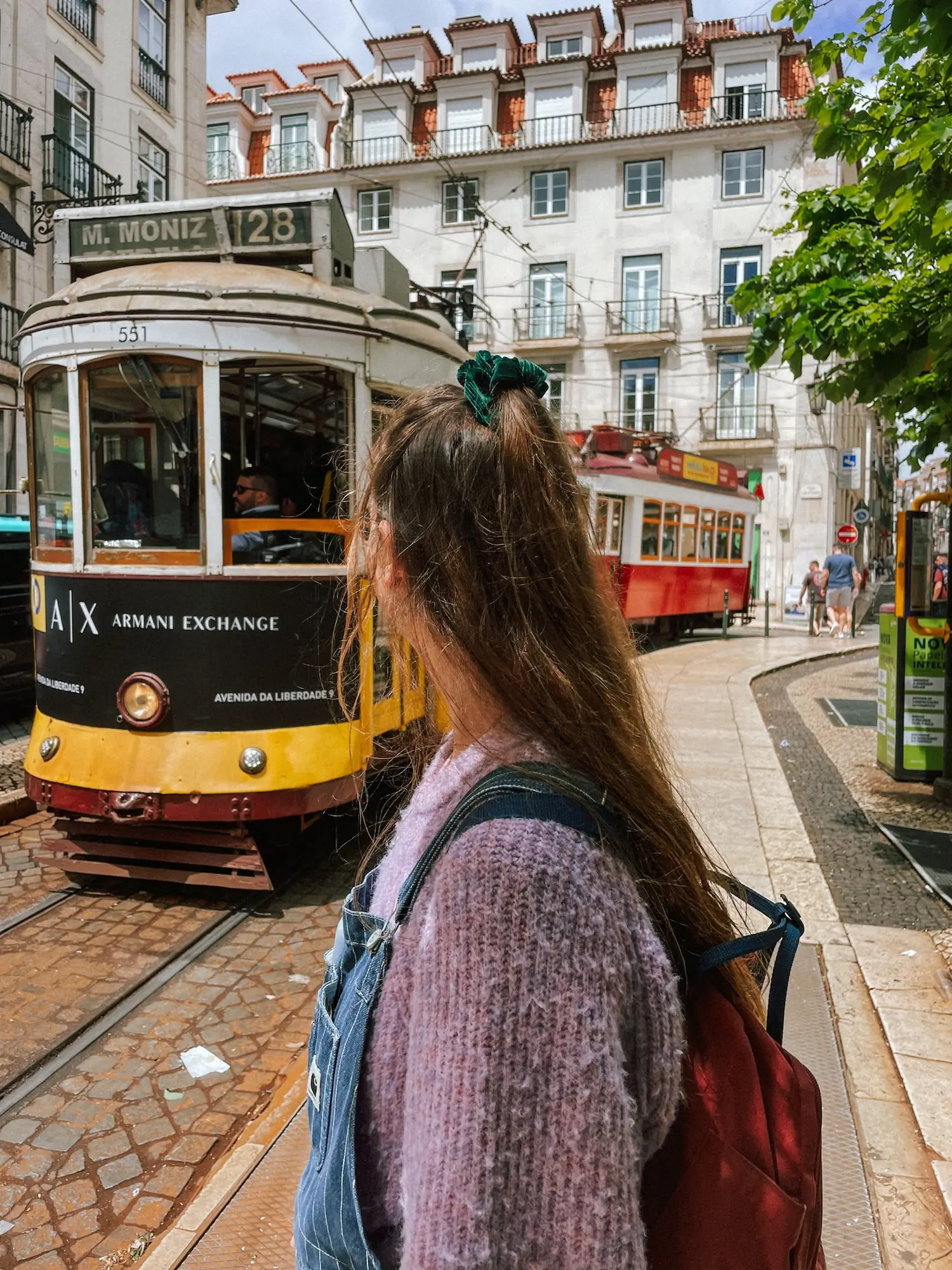
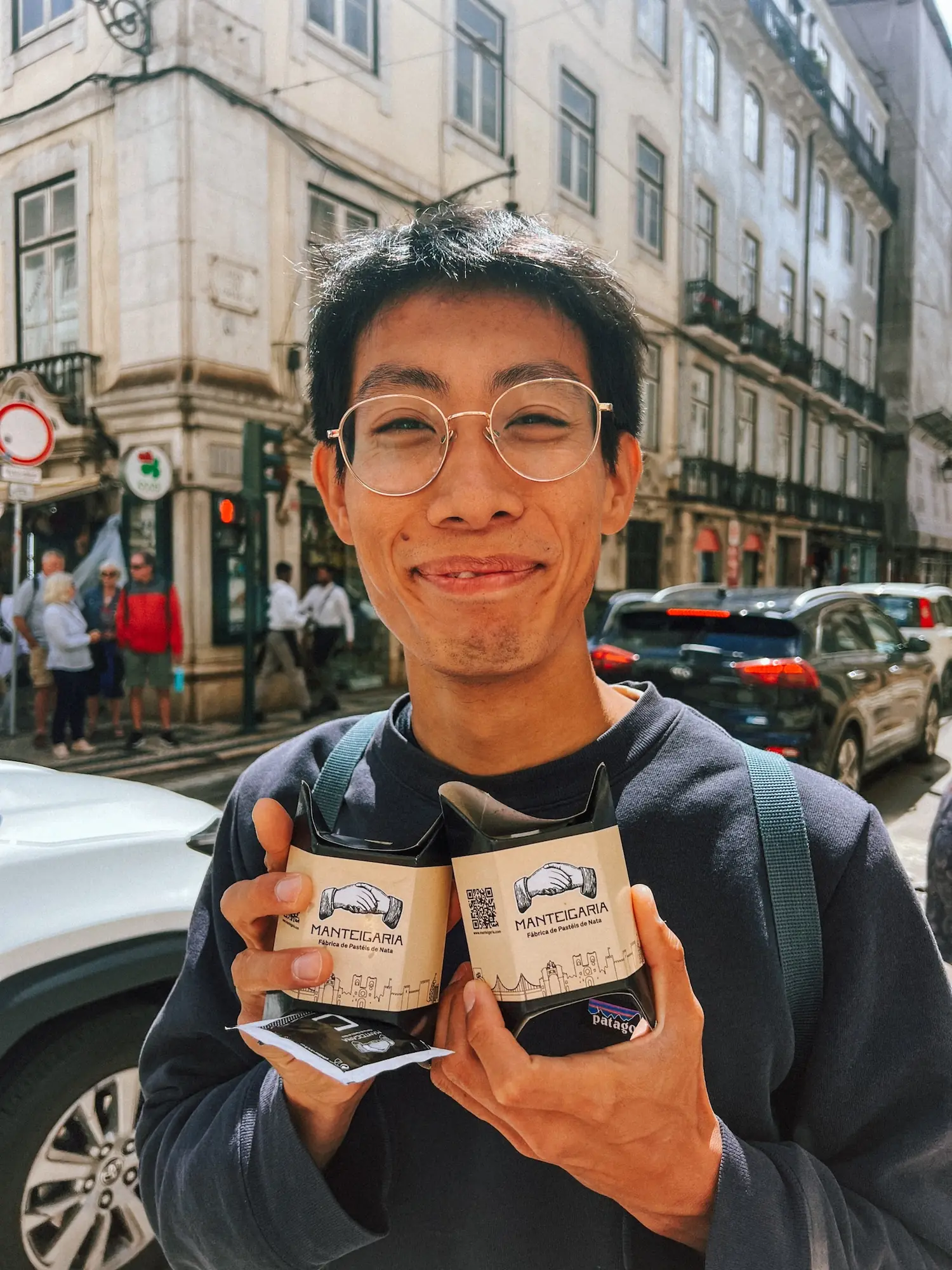
Ericeira: surf, boho and grelos
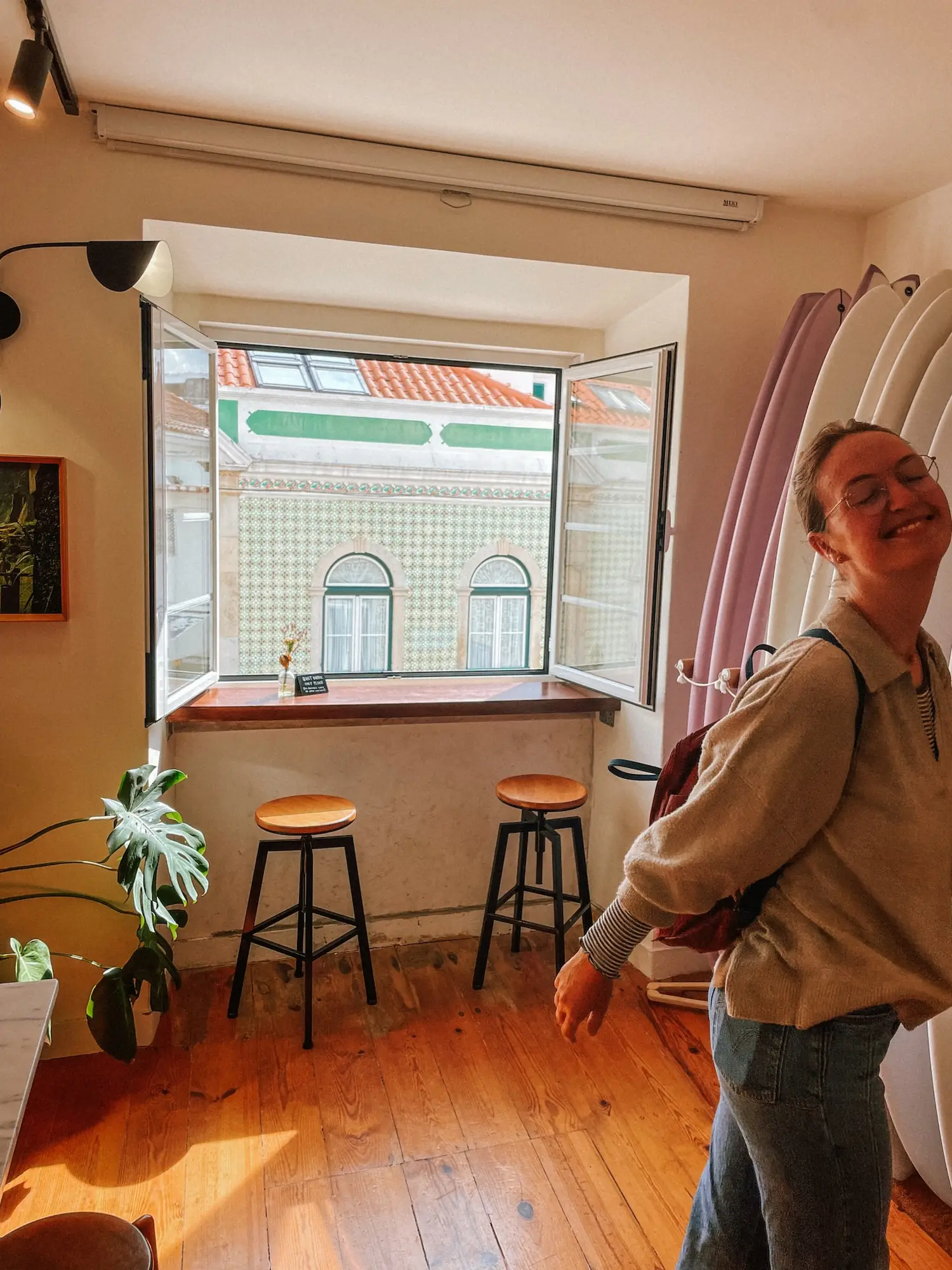
Ericeira was love at first sight. This little coastal town north of Lisbon pairs a laid-back surf vibe with lovely cafés, narrow lanes and an easygoing everyday rhythm.
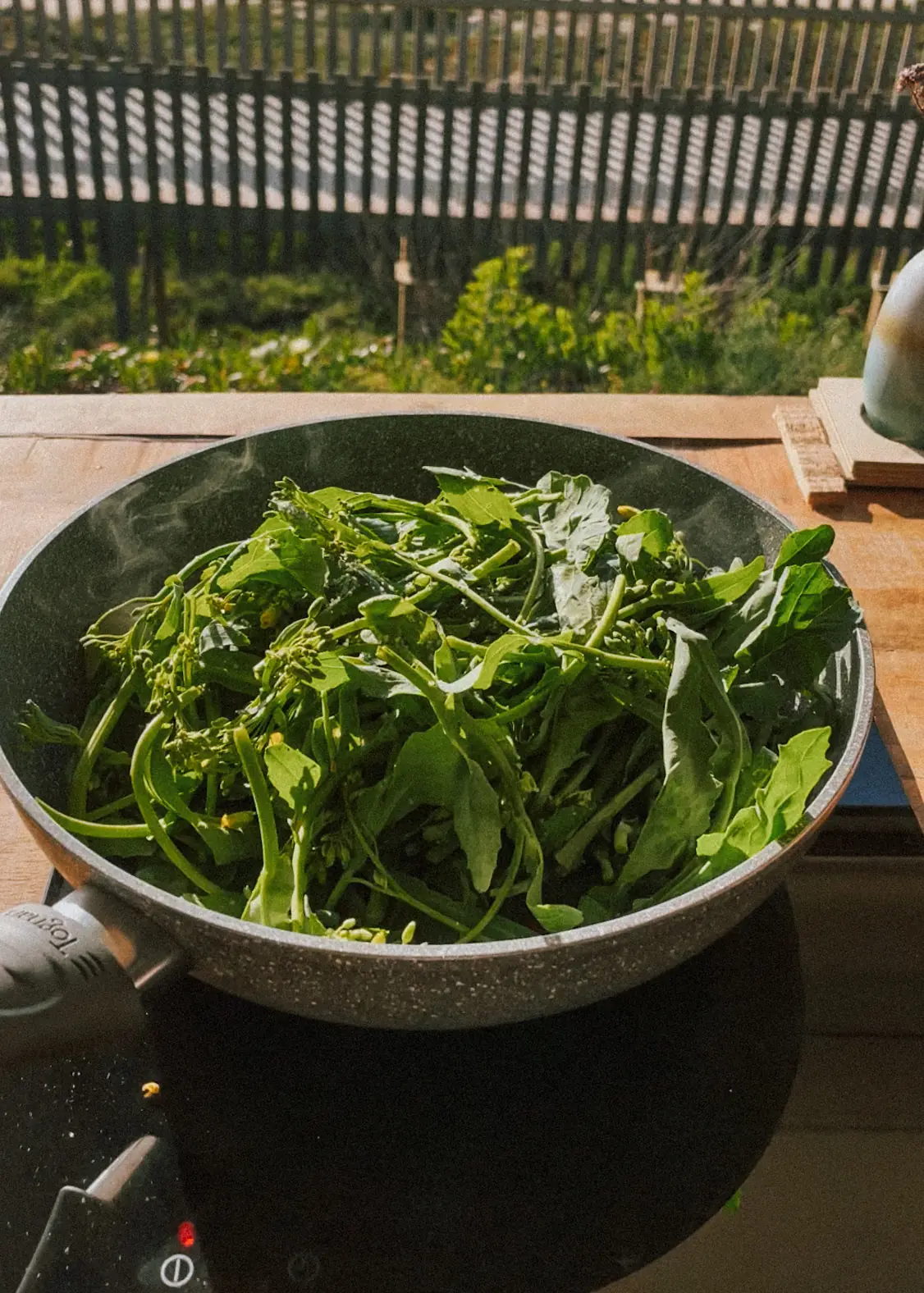
At the weekly market we discovered grelos, a leafy green a lot like cime di rapa, with a flavor somewhere between broccoli and cabbage. We paired them with feta and turned them into gözleme right there in the van.
- Where we parked: We found the official RV areas a bit meh, so we just parked in a regular lot a little outside of town.
- Favorite café: Sano Café
Porto stole our hearts
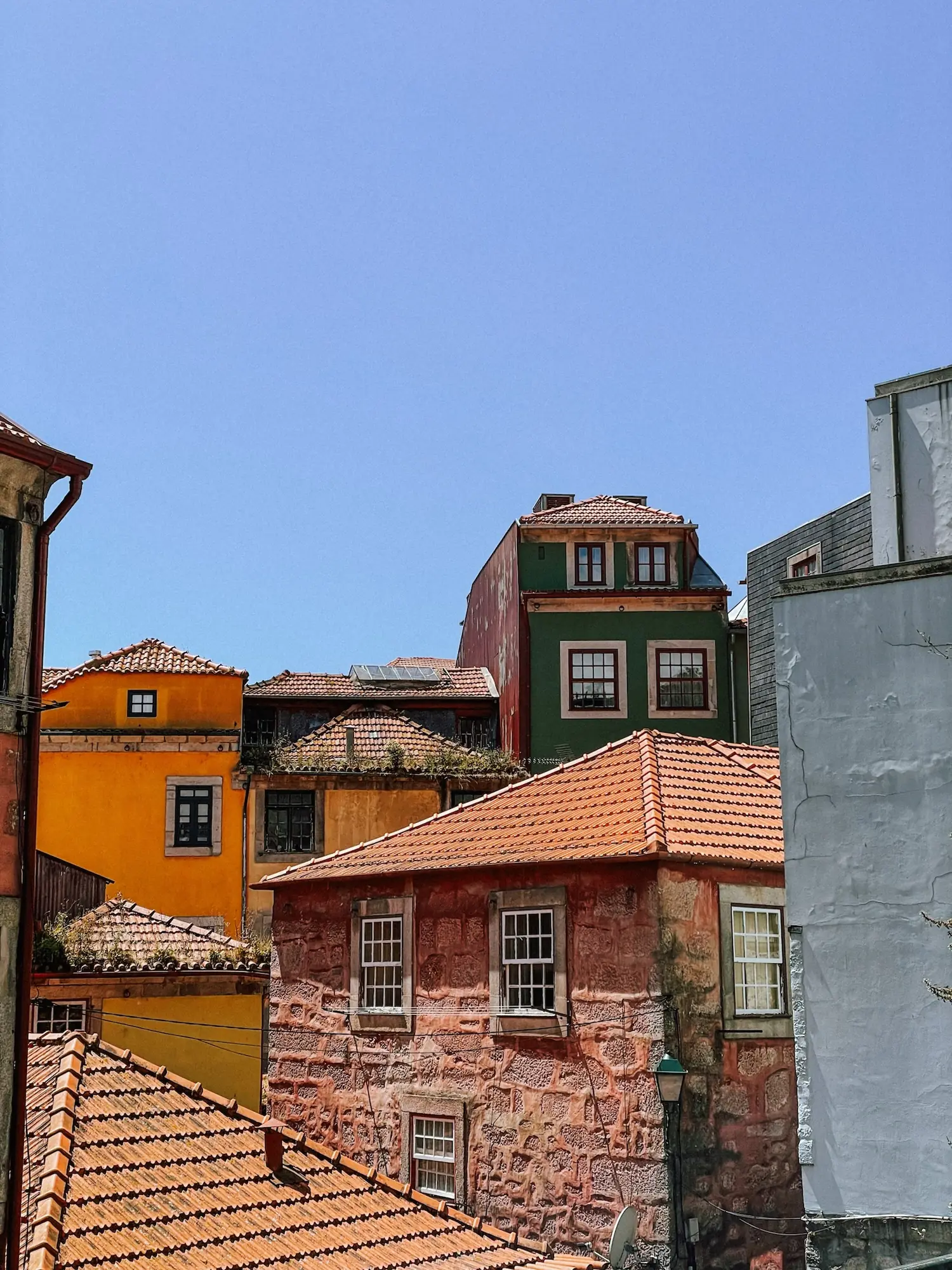
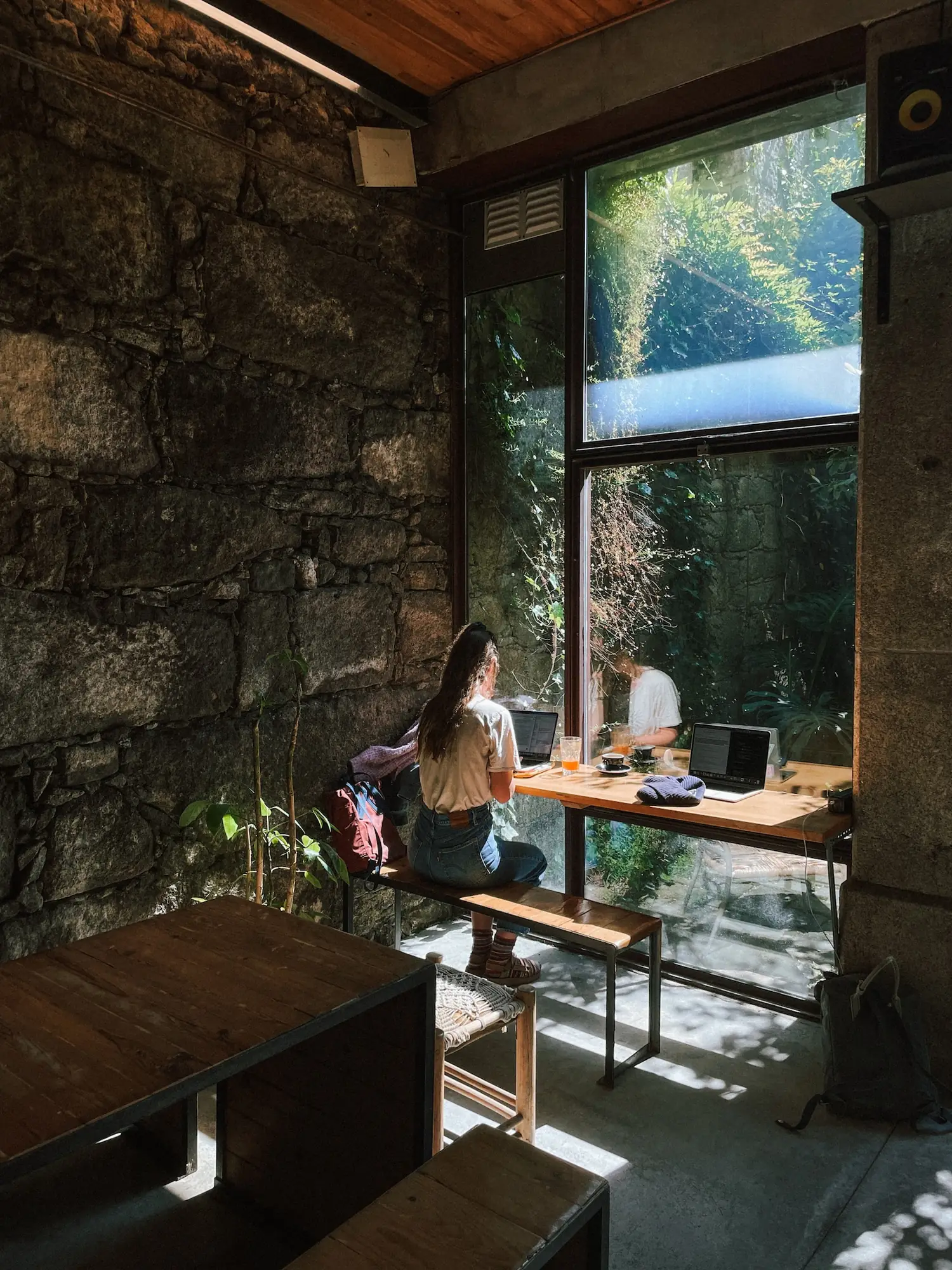
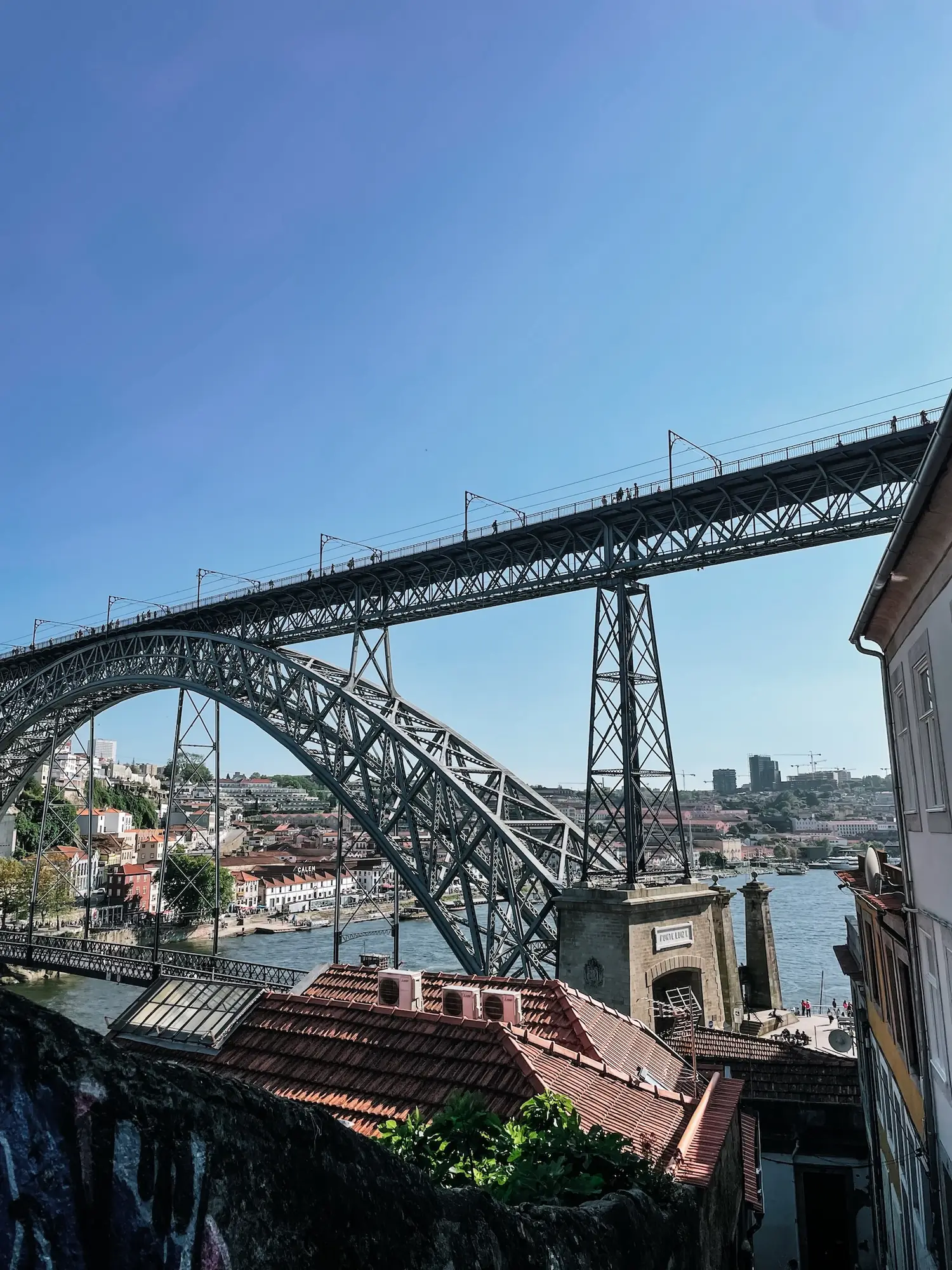
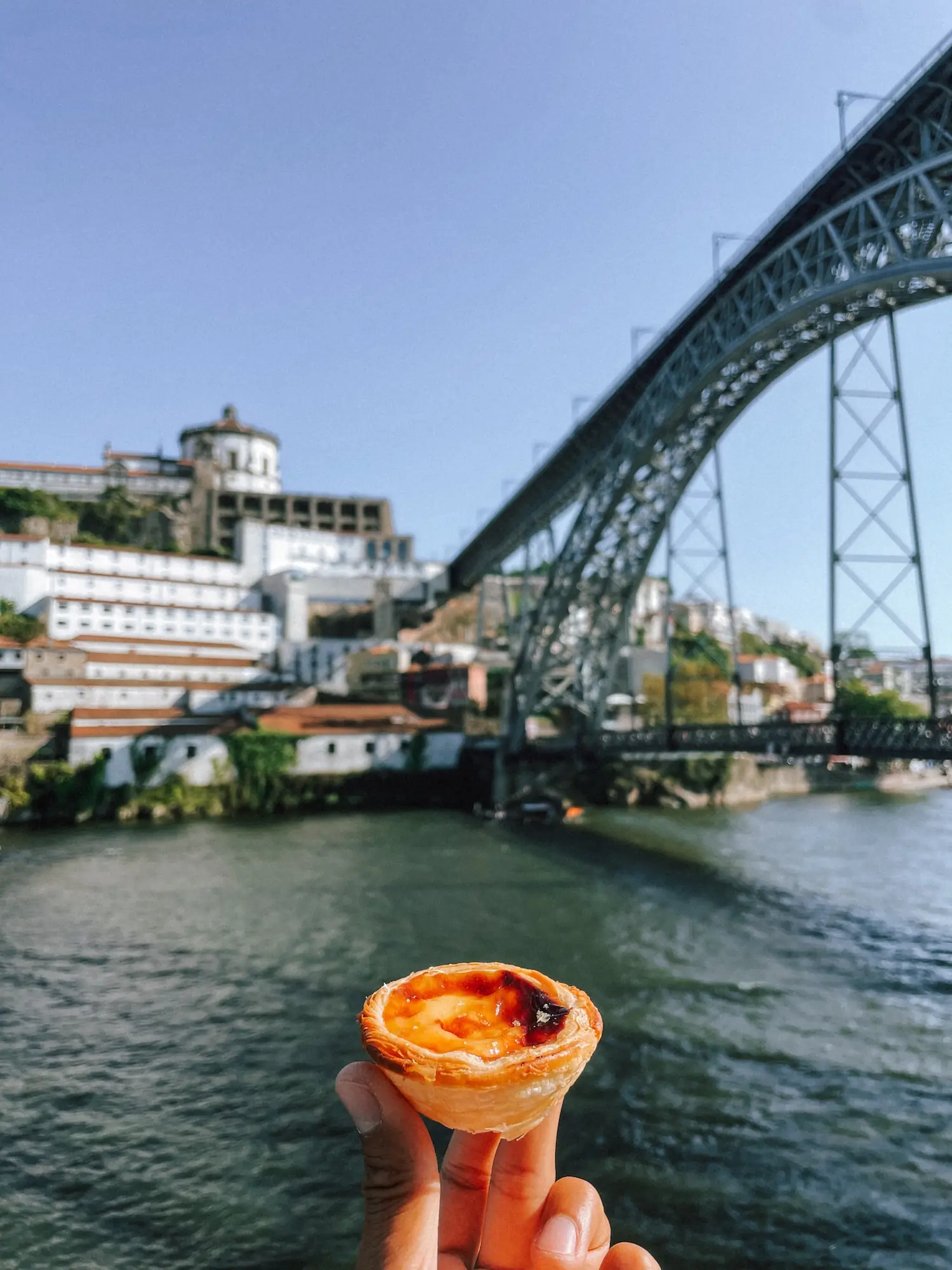
Porto is hands down one of the most beautiful cities of our whole trip. Kind of like Paris, just smaller, grittier and more Portuguese. We mostly explored on foot: letting ourselves drift through the alleys, stumbling onto cafés and seeing where we'd wash up.
- Where we parked: Tendinha Campers has an RV spot just outside Porto. Ridesharing was the obvious move: Humbär stayed put out of town, and we got downtown fast and cheap.
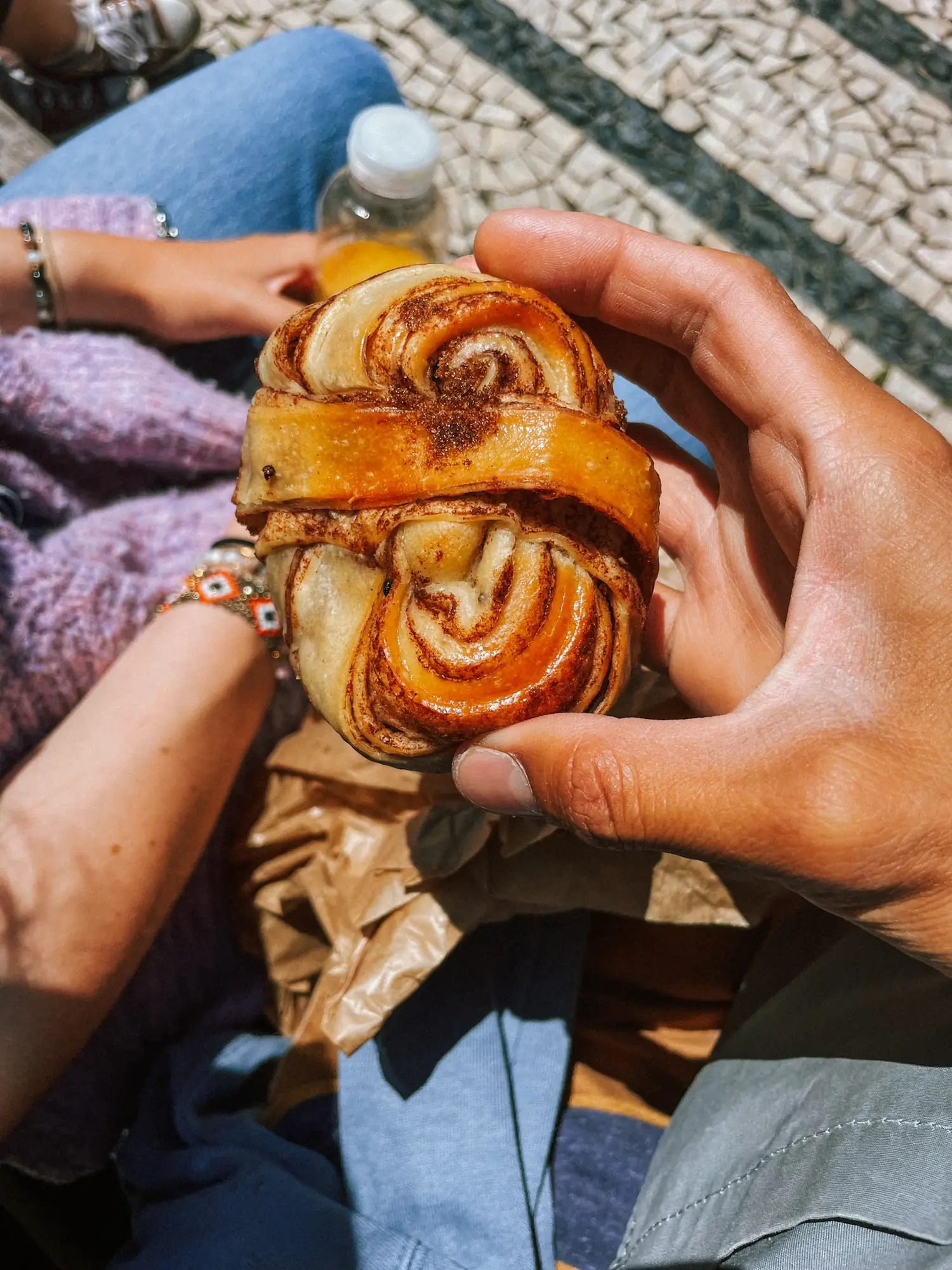
- Best bakery in all of Portugal: Ogi by Euskalduna
- Local hidden gem (restaurant meets canteen): Almada Café
The onsen of Galicia
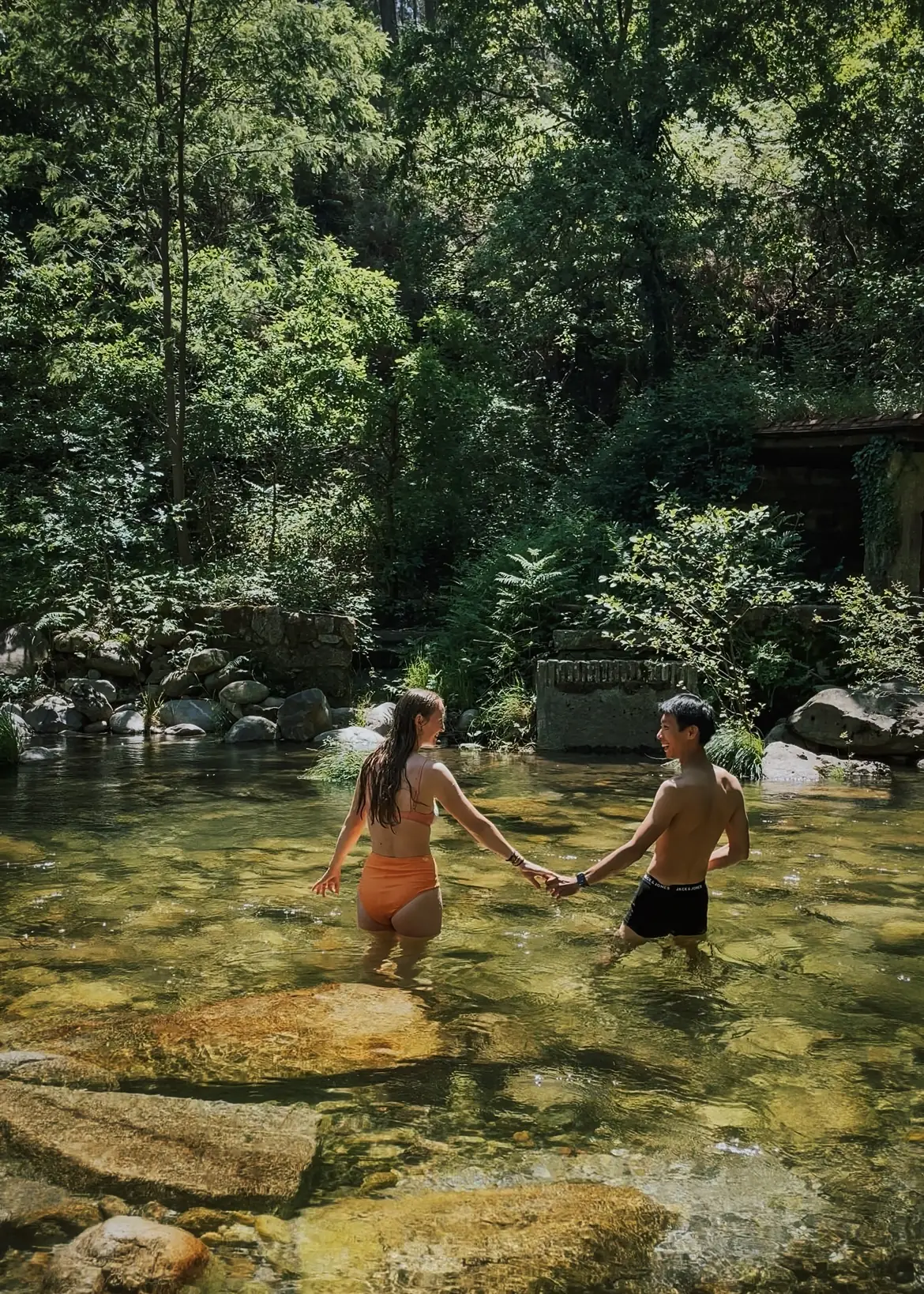
A totally different kind of highlight: the hot springs of Galicia. Near the Portuguese border you'll find several thermal baths run by the local municipalities, and they are genuinely affordable to ordinary mortals. Some have classic thermal pools, others feel like they're straight out of a Japanese onsen.
Our favorite: Espazo Lúdico Termal de Teáns, where water over 45 °C (113 °F) comes bubbling straight up out of the ground.
- Where we soaked: Termas de Prexigueiro near Ribadavia and Espazo Lúdico Termal de Teáns in Salvaterra de Miño
Picos de Europa: our most epic hike
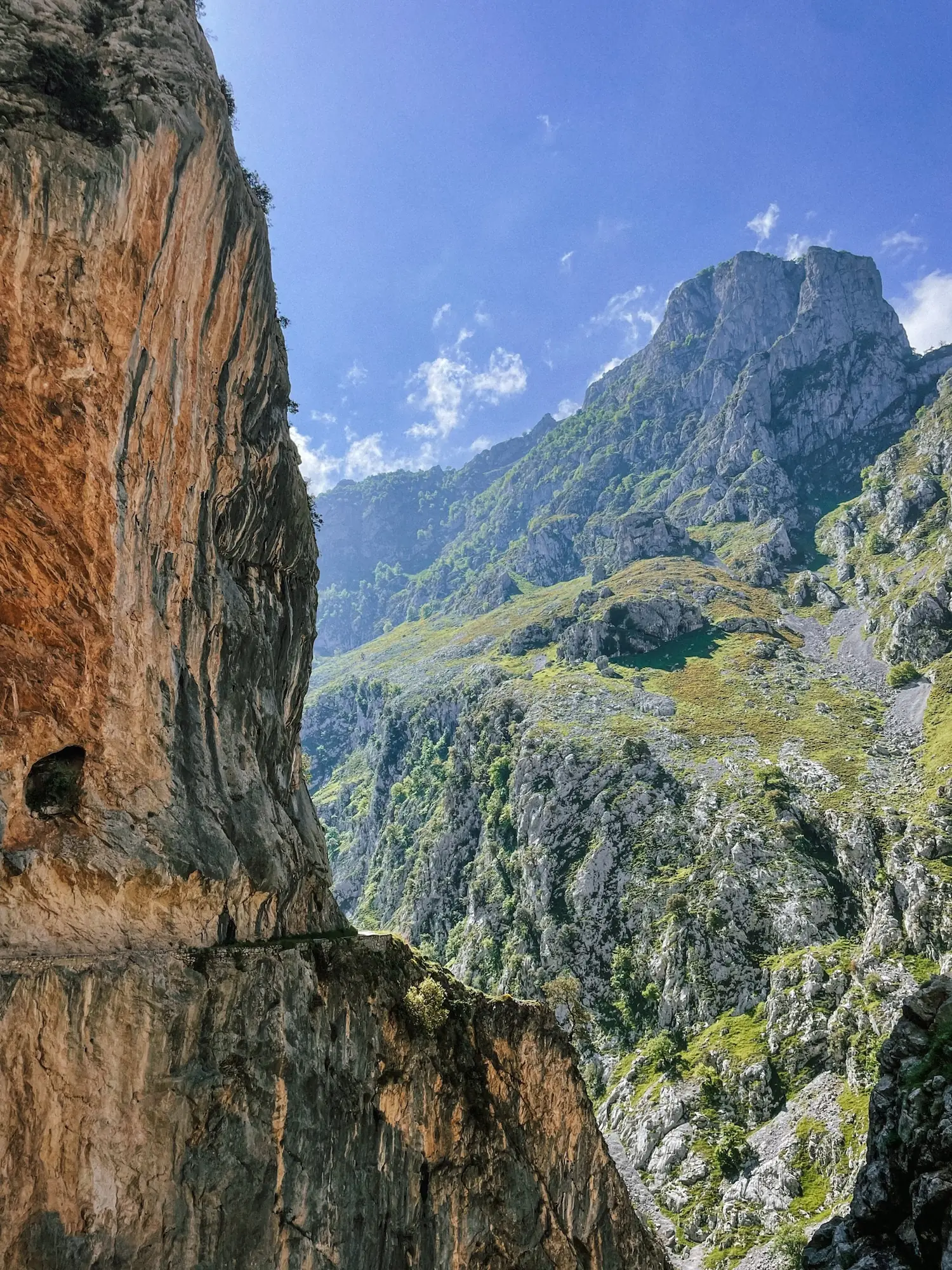
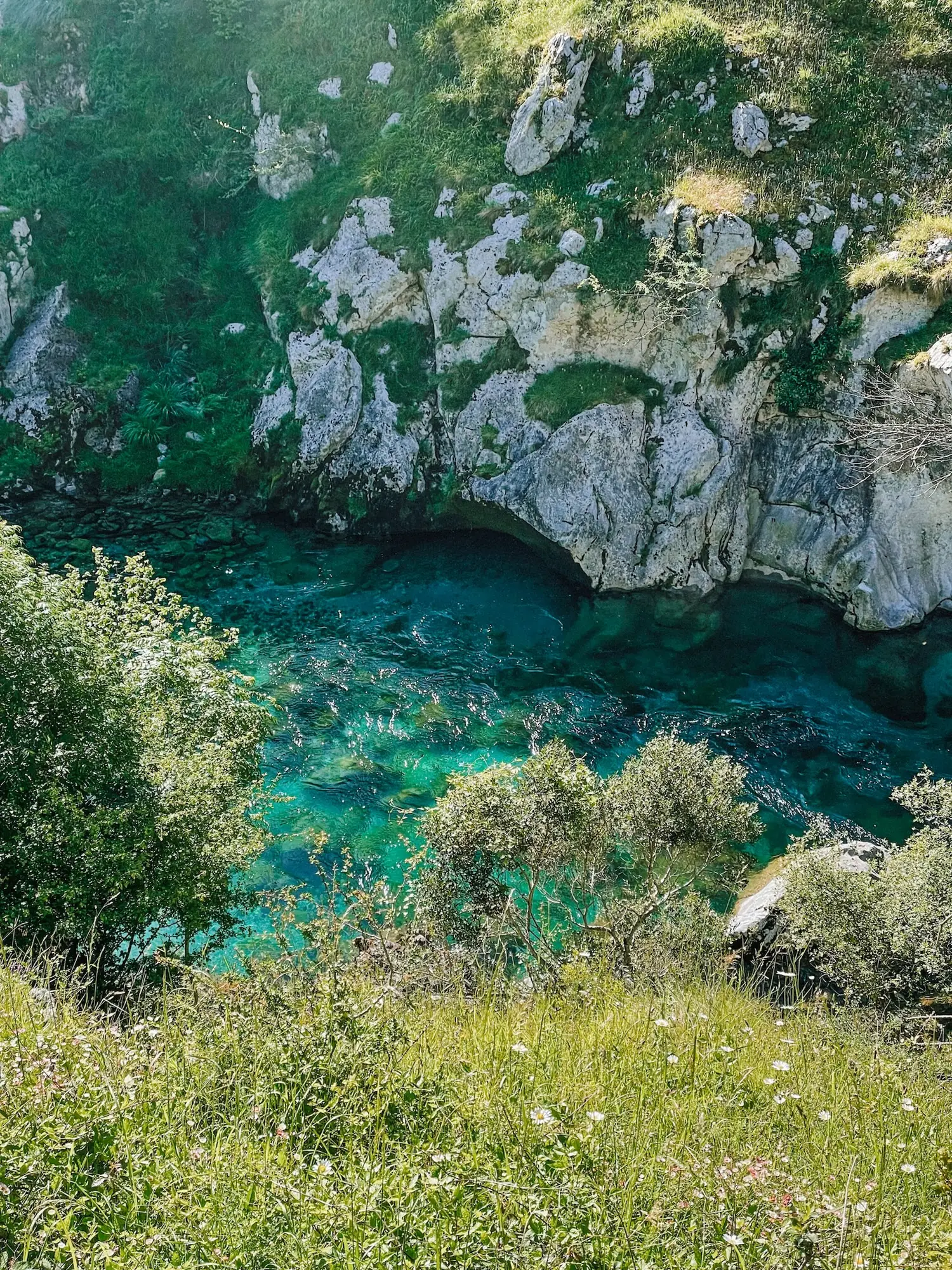
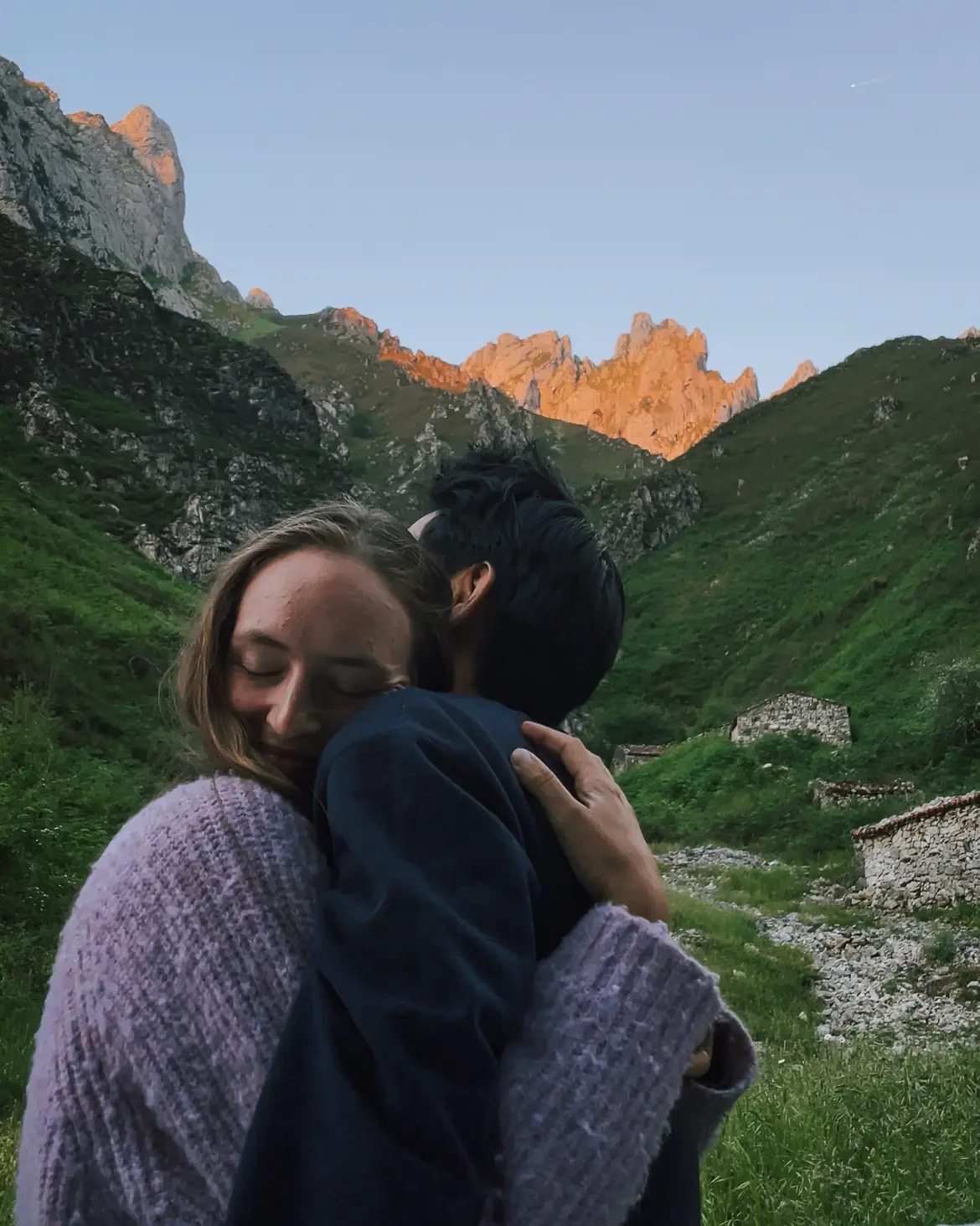
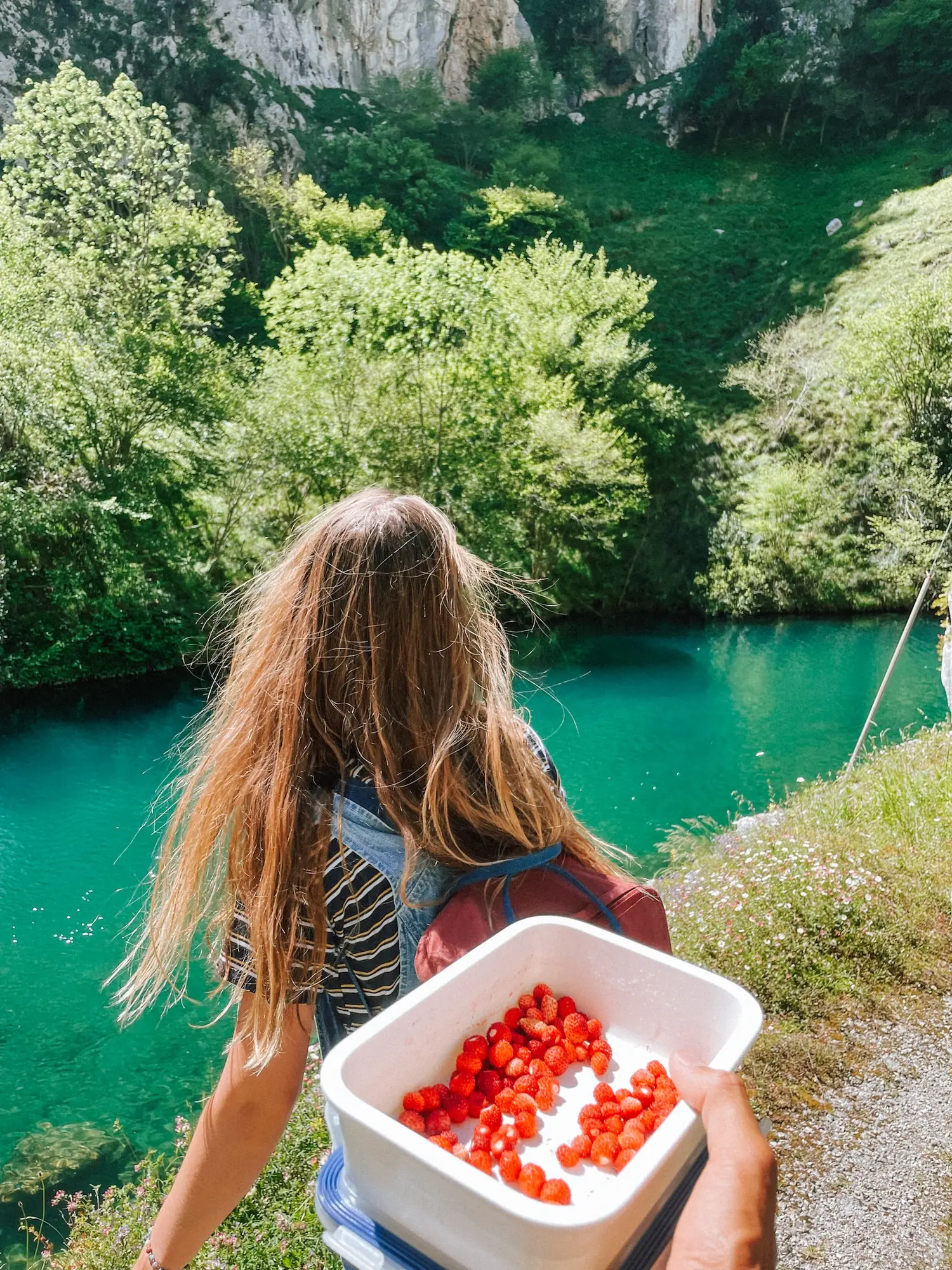
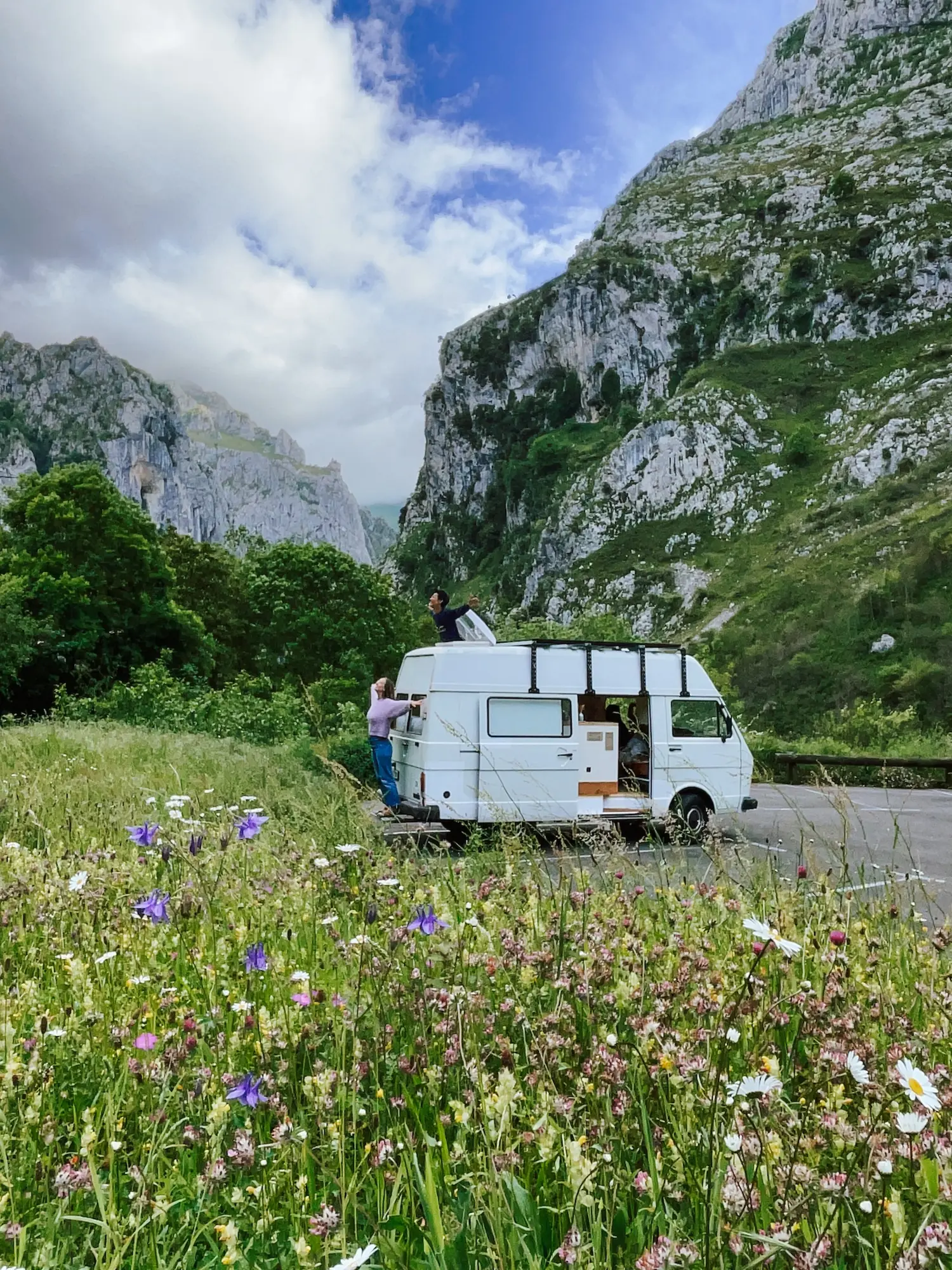
The Ruta del Cares was the most jaw-dropping hike of our entire trip. Roughly 24 kilometers (15 miles) out and back, the trail threads through a deep gorge between sheer rock walls and turquoise water. We just laced up and went for it, and even soft explorers like us made it all the way.
Fun fact: the trail follows a water channel that was carved into the rock in the early 20th century to feed a hydroelectric plant. Locals call the gorge the Garganta Divina, the "divine gorge," and one look tells you why.
Still, the day felt more like summer vacation than a mountain expedition. Along the way we picked wild strawberries, which later turned into a cheesecake back in the van.
Gaztelugatxe: magic by the sea
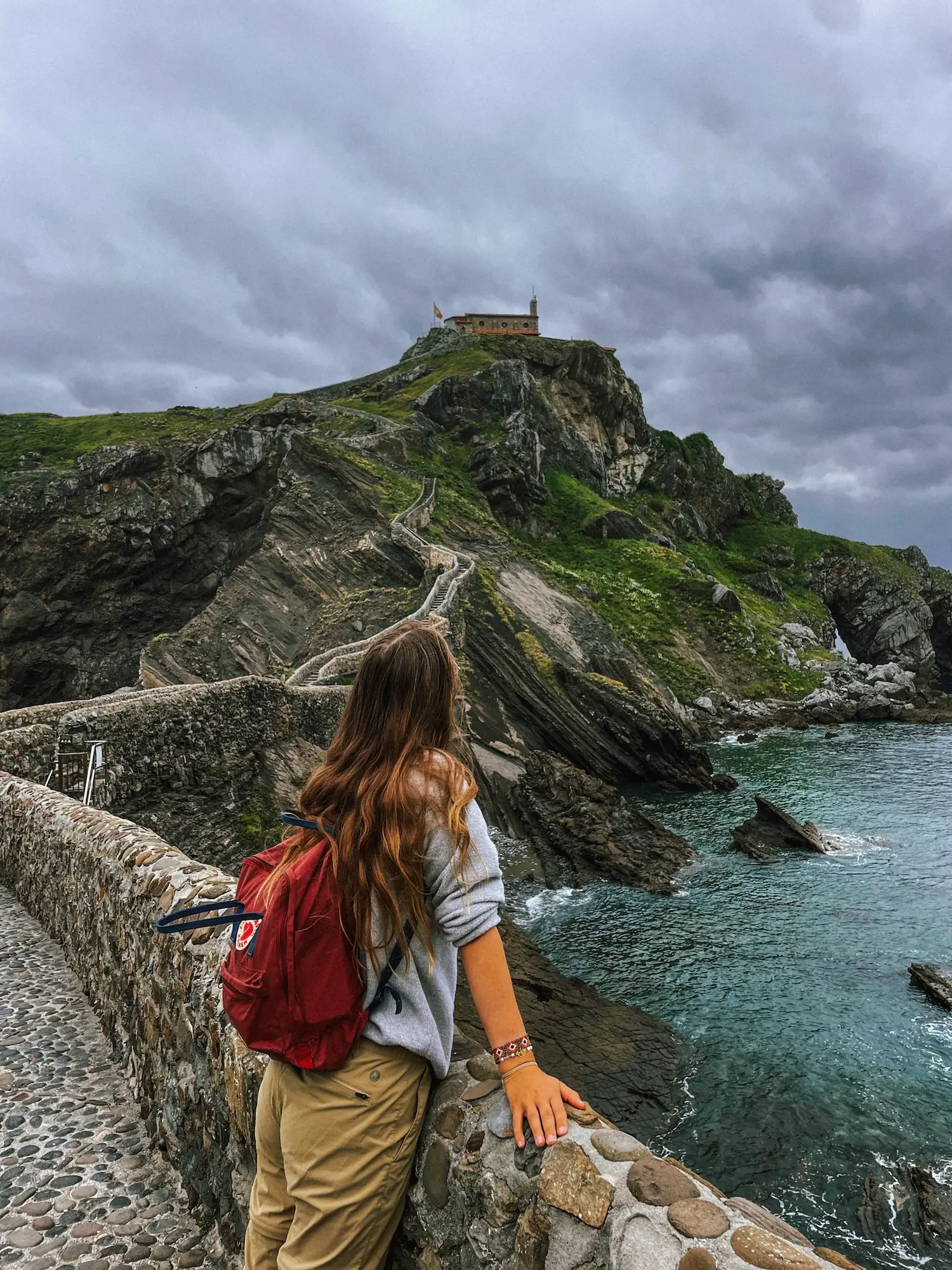
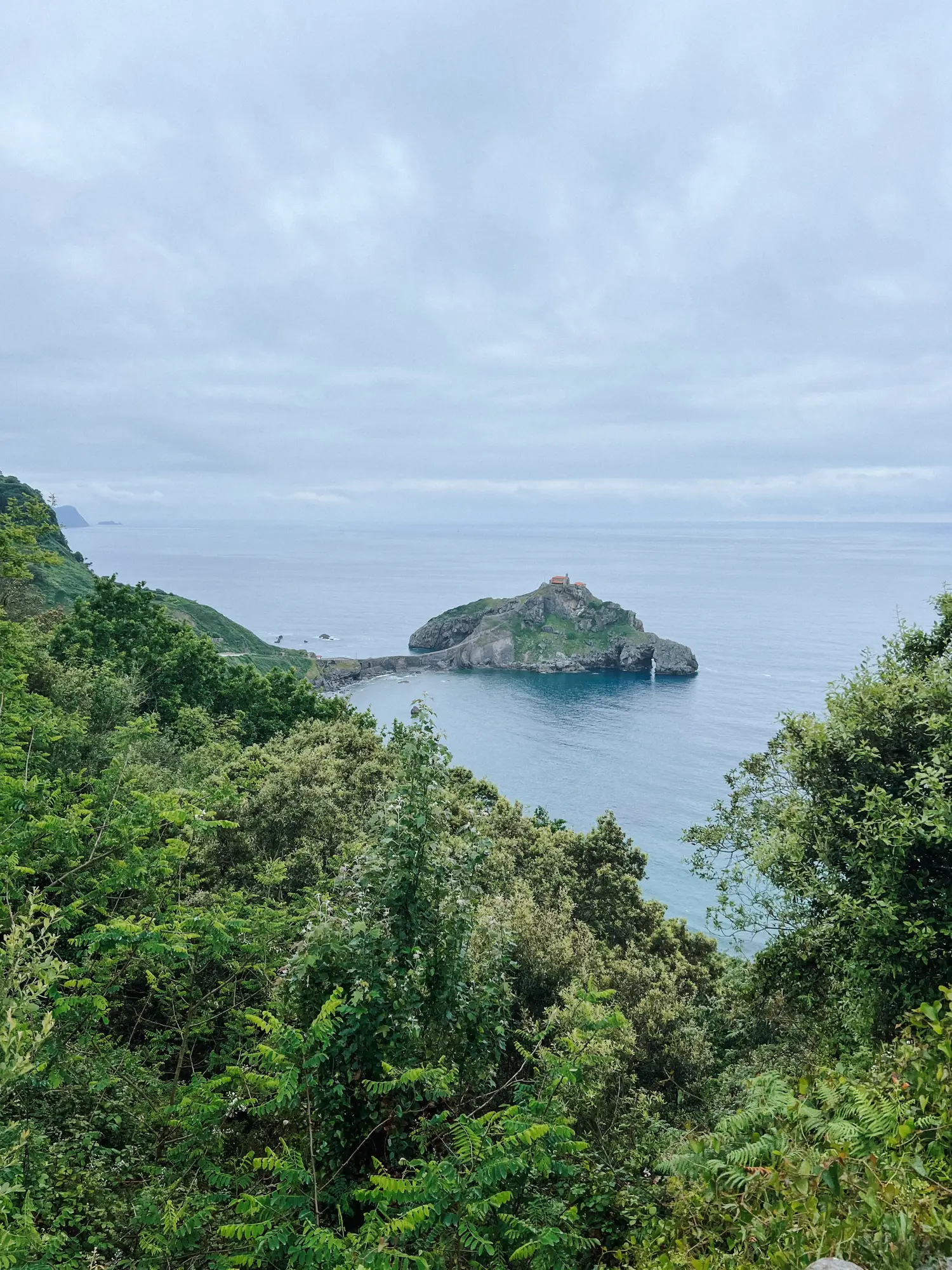
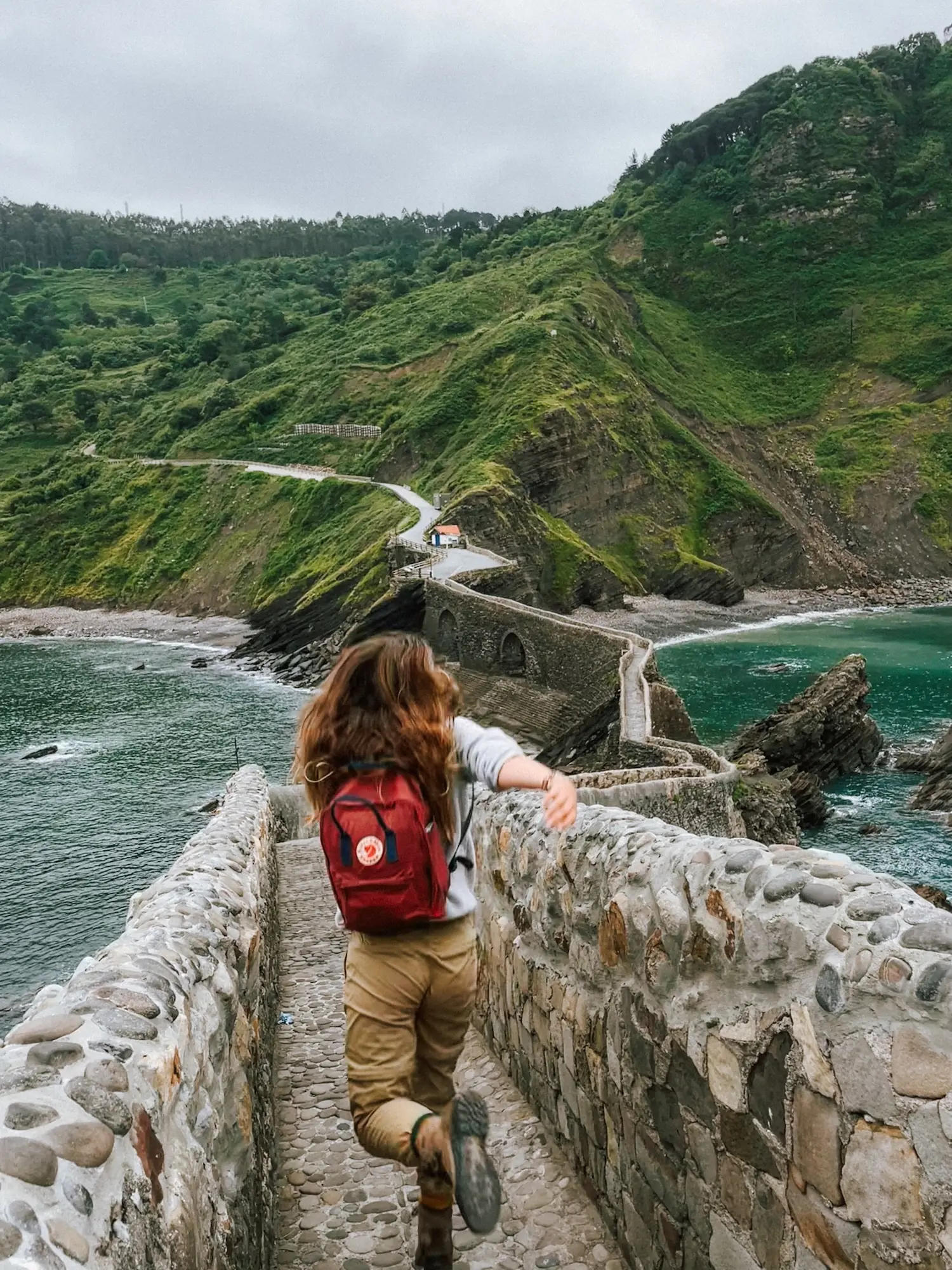
We made a point of visiting Gaztelugatxe early. Before the tour buses rolled in, the bridge, the rock and the sea were practically all ours. A few hours later, it would have been a completely different place.
It is 241 steps up to the little chapel on top of the rock. Tradition says you ring the bell three times and make a wish. And yes, the dragon hunch is spot on: Game of Thrones filmed Dragonstone right here.
- Good to know: in peak season you need a (free) online reservation to get in.
Vanlife in Spain and Portugal
Parking overnight or wild camping?
Here's the difference that matters: parking overnight means your van is simply parked and you sleep inside. Wild camping means you spread out, with a table, chairs, an awning or the stabilizer legs down.
Wild camping is banned pretty much everywhere in Spain and Portugal, unless it's explicitly allowed, like at some RV areas. So save the camping table and the awning for the campground.
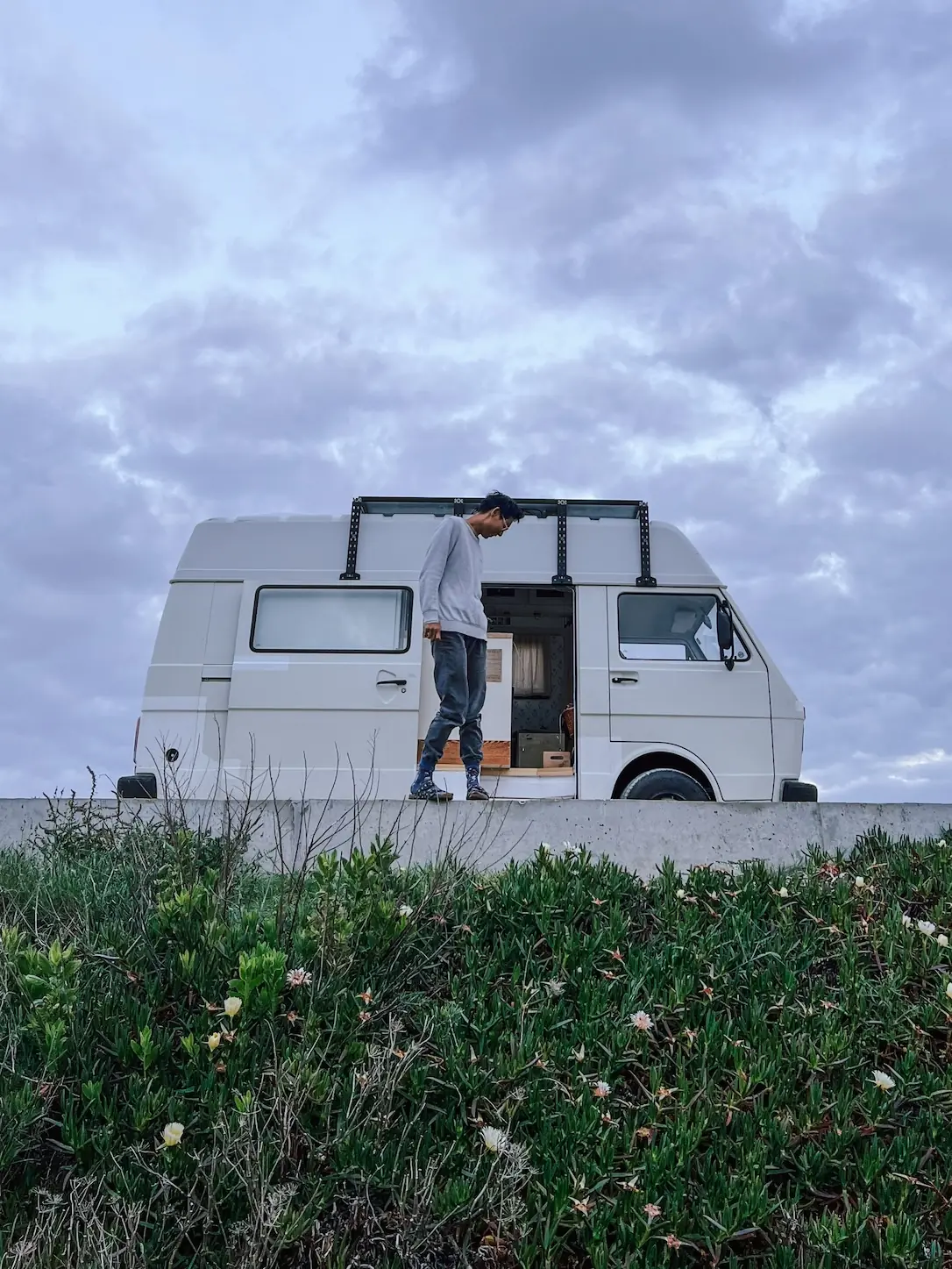
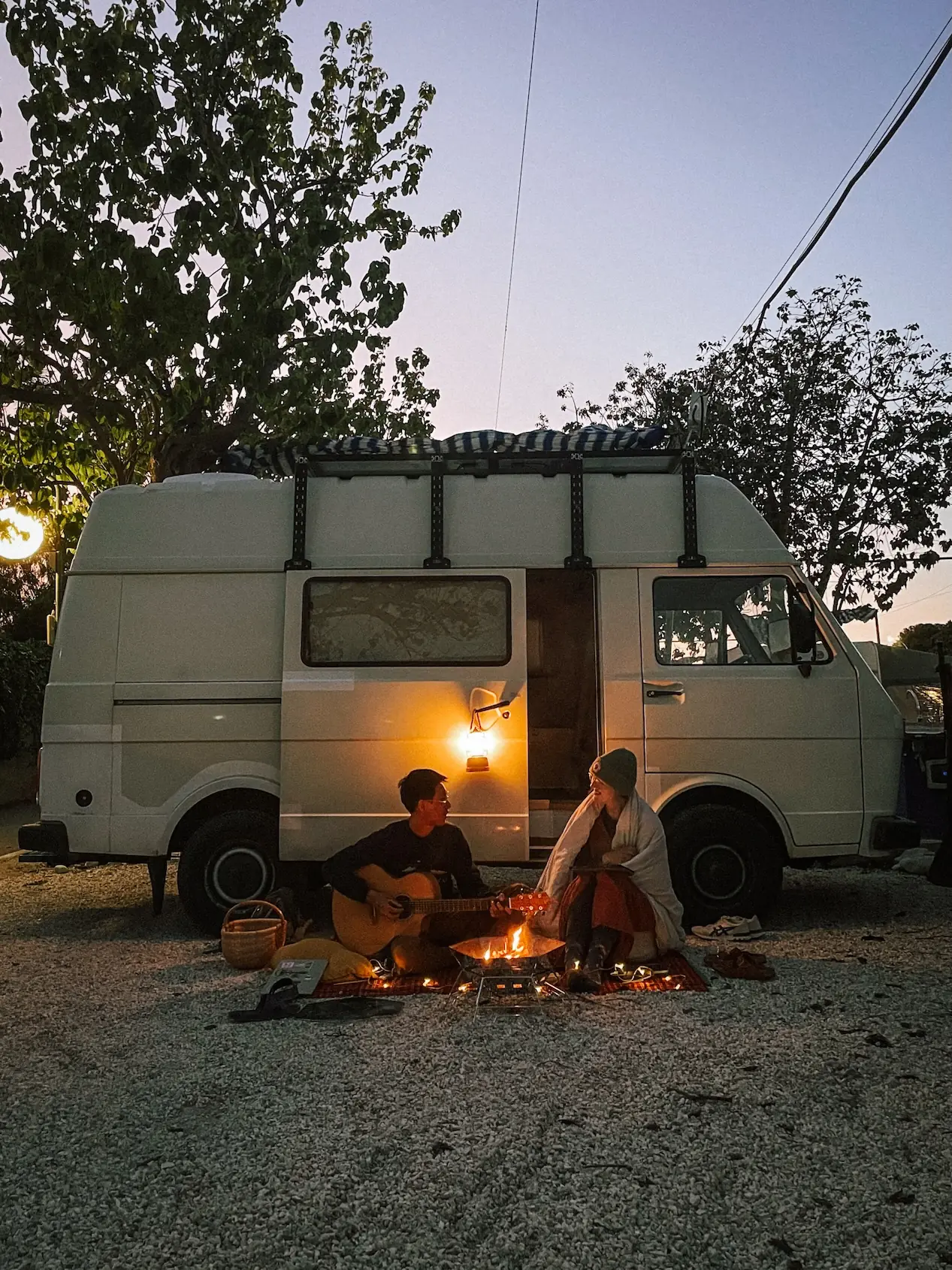
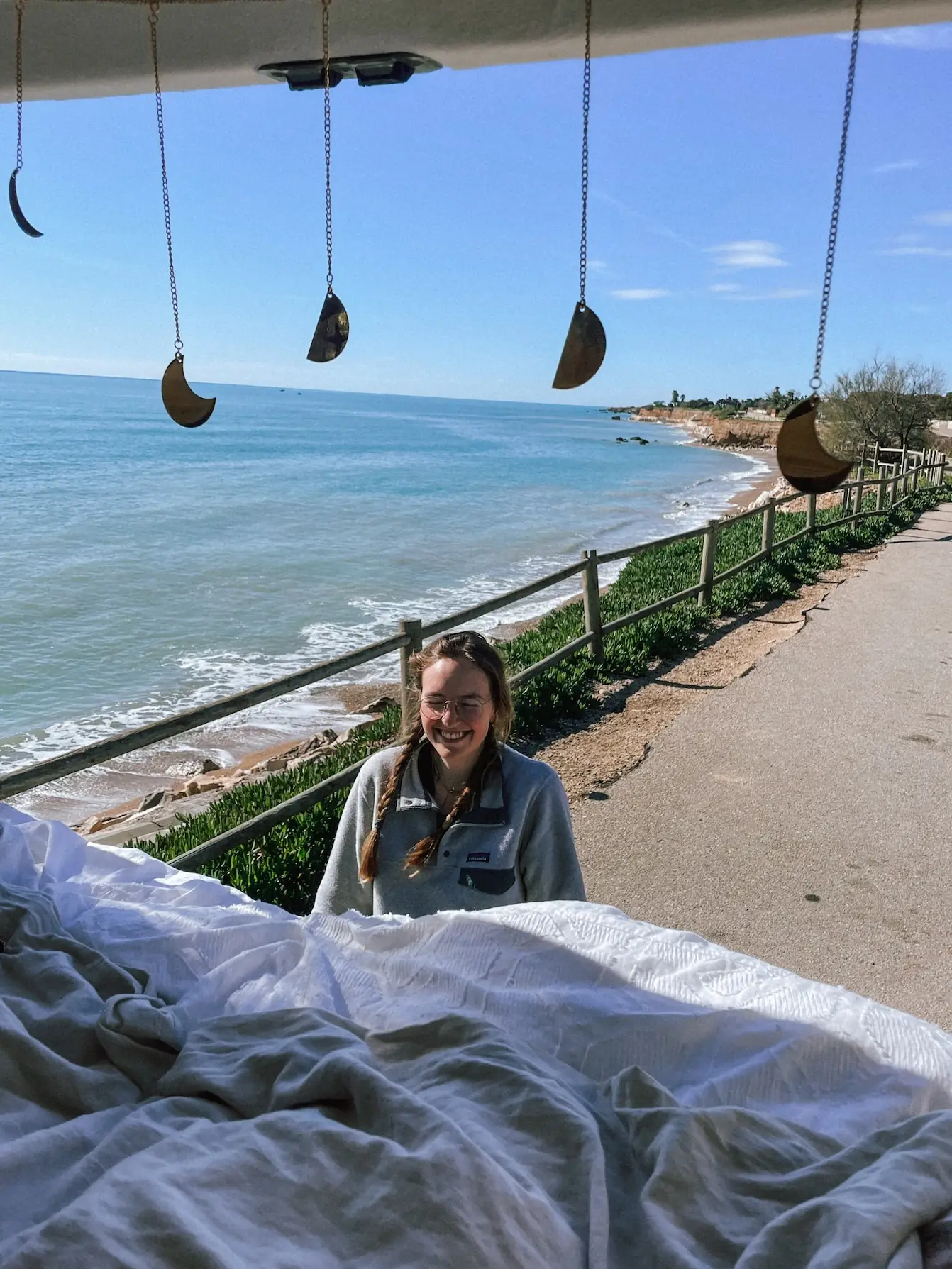
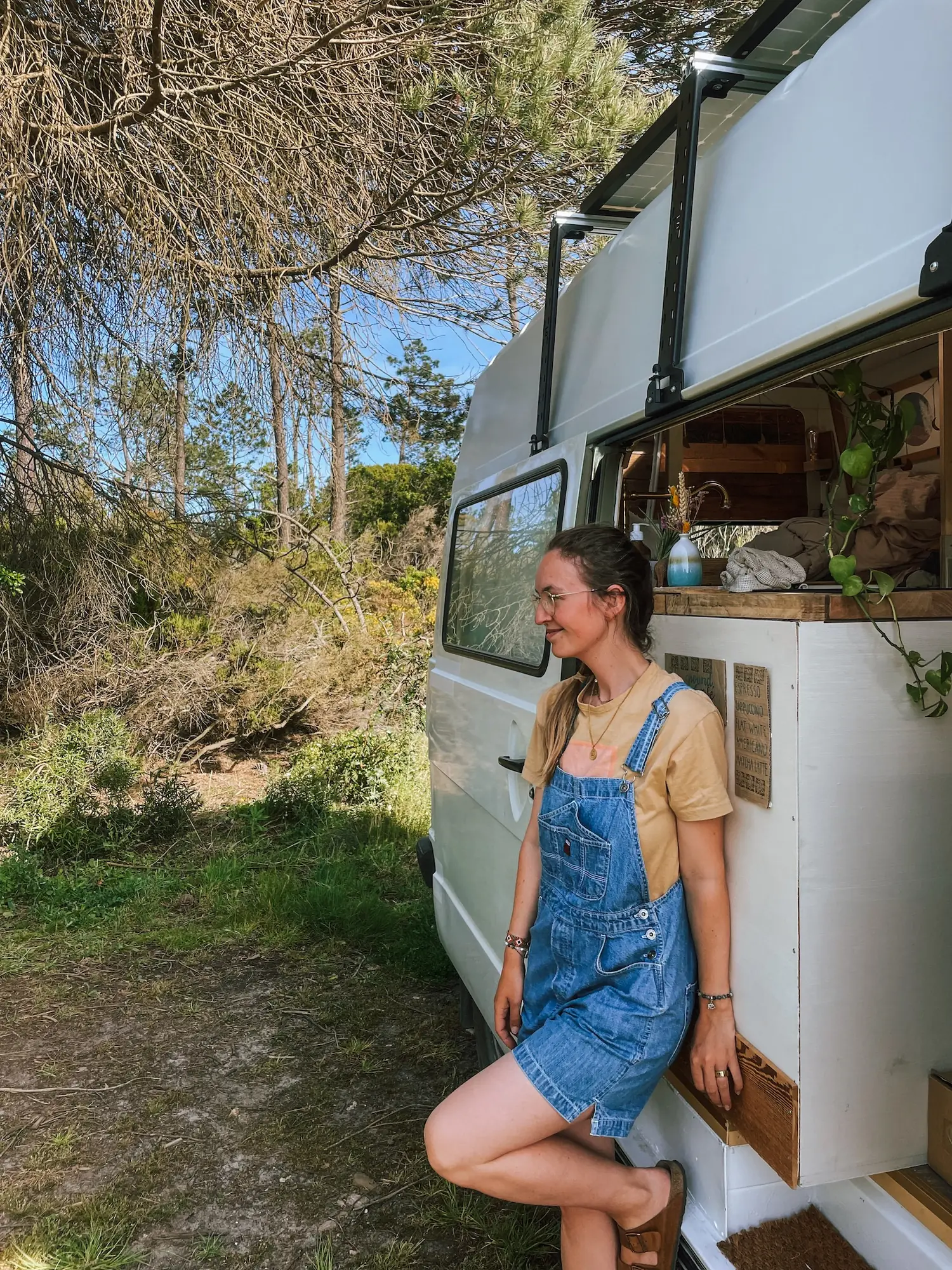
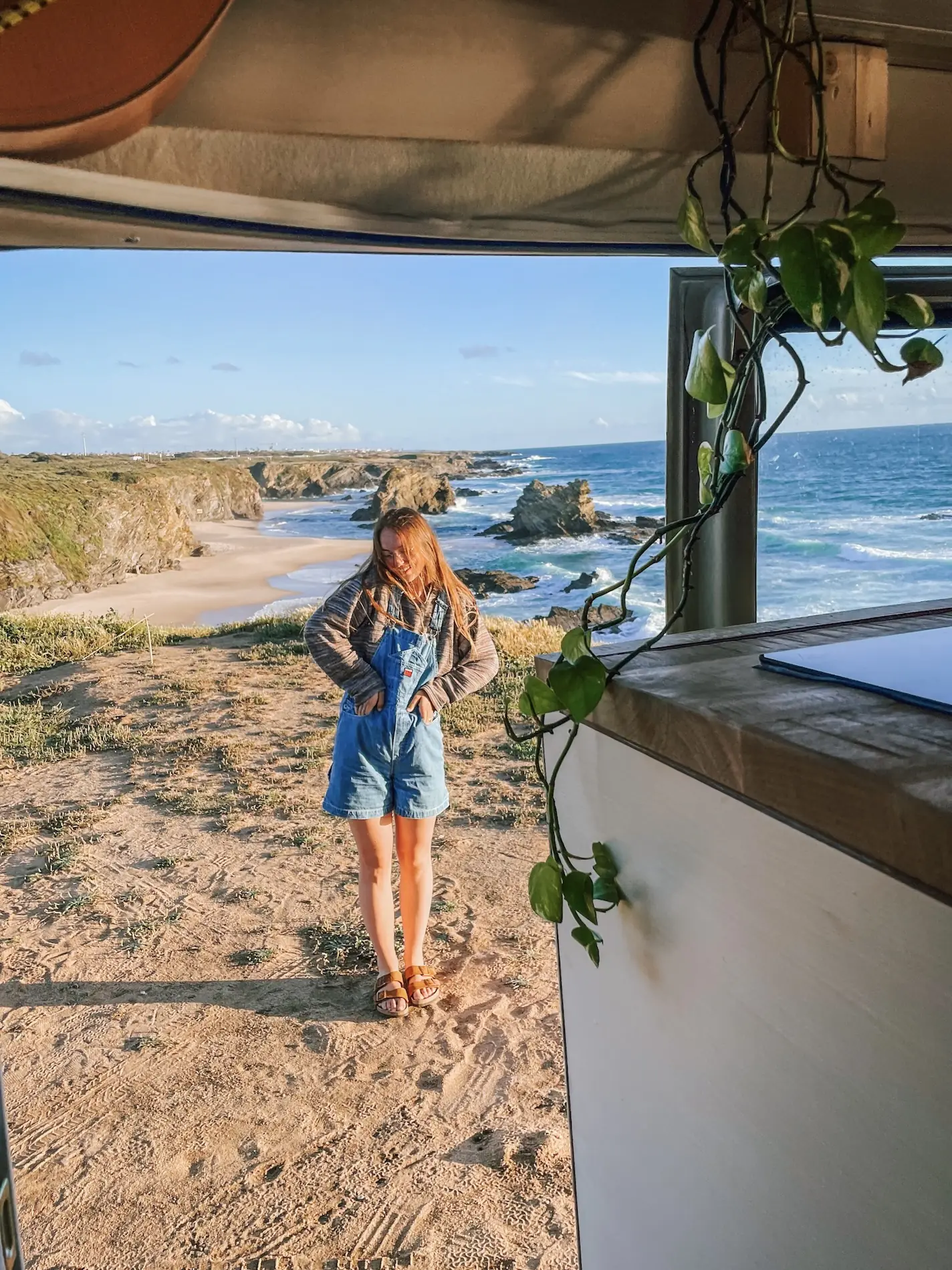
Parking overnight is way easier inland than on the coast. Out there, not a soul cares where you park your van. Front row by the sea is a different story. In Galicia we got a visit from the police and watched campers who'd done more than just park get off with a warning. With us, they took a quick look and drove off again, because we didn't have anything set up outside. Apart from the protected areas along the Algarve, we had no trouble finding beautiful spots, even right by the beach.
In Portugal, sleeping in a camper has been regulated by law since 2021: it's banned in protected areas, and outside of them you can stay a maximum of 48 hours in the same spot.
Our most important app was Park4Night. Read the latest comments, especially about break-ins and police checks, and don't just go by the star rating (see: Lagos).
Infrastructure and supplies
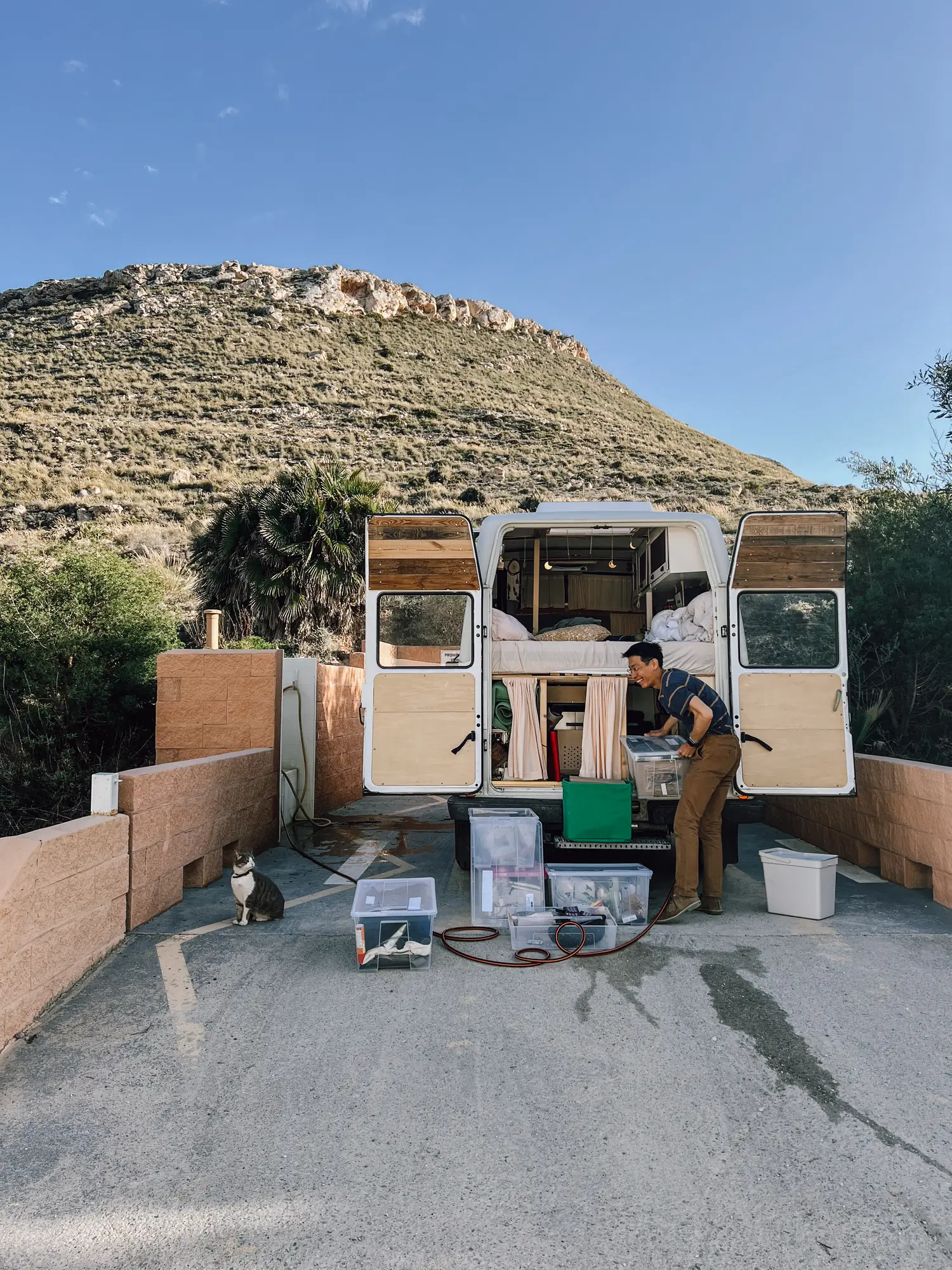
Nowhere in Europe is the camper infrastructure as good as in Spain, and Portugal is top-notch too. Okay, fine, France might have a slight edge. Plenty of towns have RV areas where filling up on fresh water and dumping are free, and in Portugal some supermarkets even have a service point out front.
- Heads-up for our fellow Swiss: Switzerland isn't part of EU roaming. We picked up a Spanish 200 GB prepaid SIM from a well-known carrier with a red logo, and had internet and solid coverage the whole way.
Cooking and grocery shopping
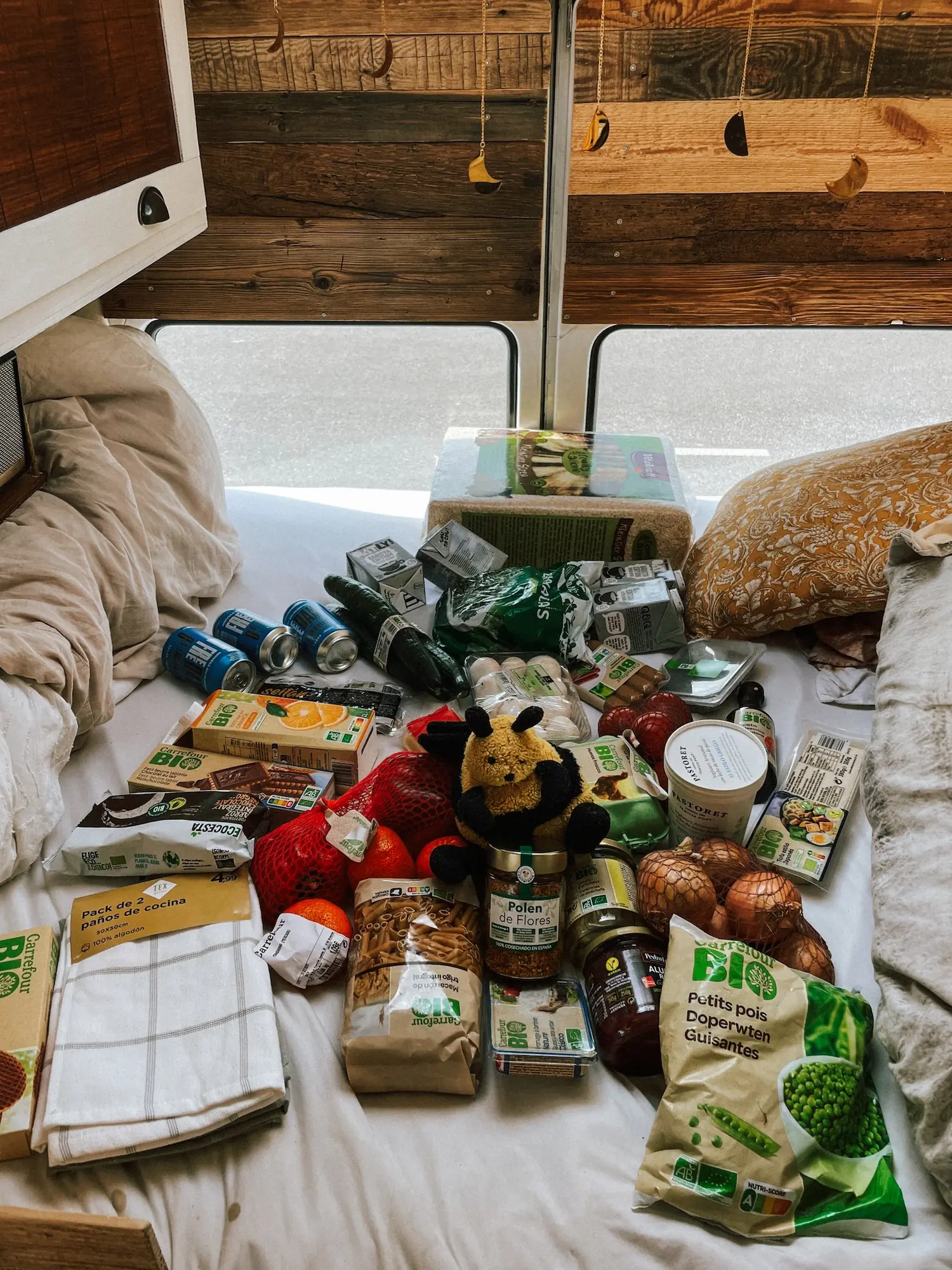
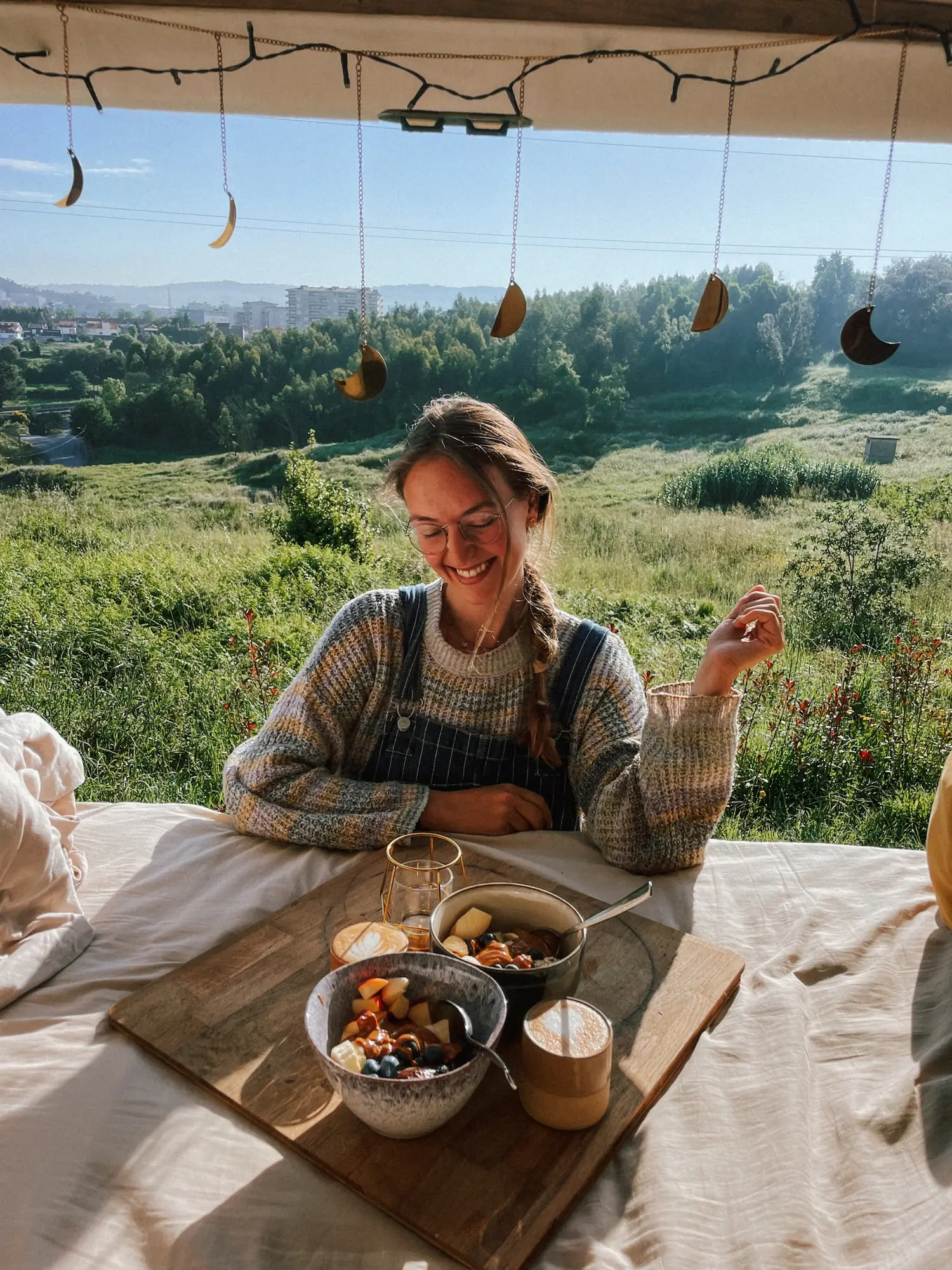
Cooking in the van is one of our favorite things about vanlife. Fresh ingredients from the market, a little improvisation and plenty of time often add up to our very best meals. All of it, mind you, on a single induction cooktop with zero gas. Curious how living gas-free in a van actually works? We break it all down in the post below.
In Spain, Mercadona was our hands-down favorite grocery store: a great selection and super cheap. We still made regular runs to Carrefour, though, mainly for the Oatly Barista we need for our café.
 From the journalVanlife Without Gas? What Our Camper Electrical System Does All DayAn induction cooktop, an espresso machine, a fridge and Starlink - and not a gram of gas. We have been living off-grid in Humbär for more than a year and a half. Here is what we actually use, how much solar comes in, and whether 5 kWh is enough.Read the post →
Doing laundry
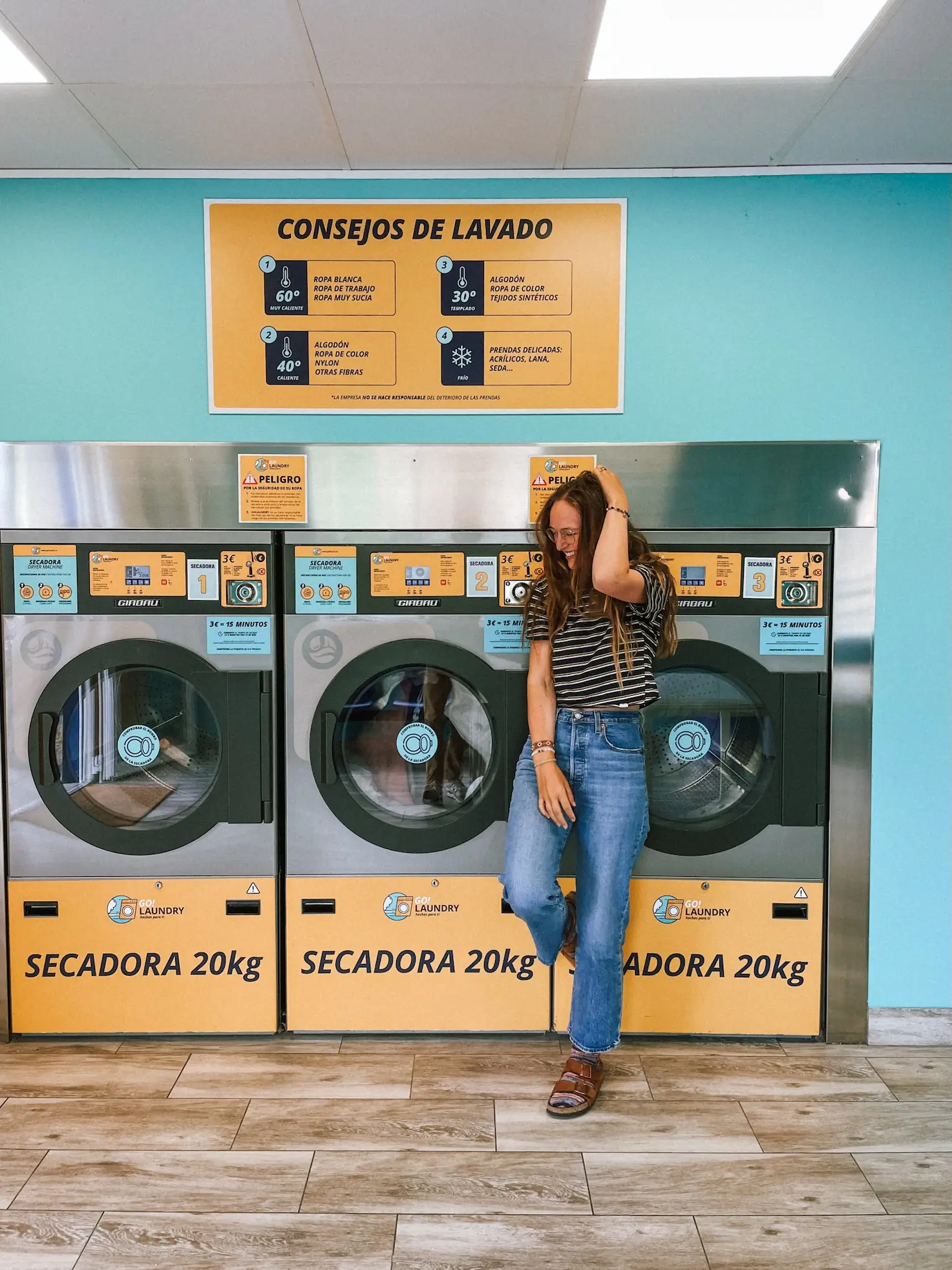
Doing laundry on the road is way easier than you'd think. A lot of supermarkets have self-service laundromats out front, where you can wash and dry a full load in no time.
Thanks to the dry weather, though, we often just used the washing machine at the campground and let our clothes dry in the sun. A few hours later, everything was bone dry.
What does vanlife in Spain and Portugal cost?
May was the first month we slept in Humbär every single night. So we were extra curious to find out what vanlife really costs us. That month we drove from Lisbon to Bilbao, spent 26 nights parked out in the wild and 5 nights at campgrounds.
Here's exactly where the money went:
- Gas: €350
- Campgrounds (5 nights): €101
- Groceries: €527
- Cafés & restaurants: €295
- Activities (surfing, hot springs): €61
- Transportation (public transit, taxis, rideshares, tolls): €123
- Pharmacy: €12
- Services: €33
- Shopping: €92
- Total: €1,594
That works out to about €51 a day for the two of us, or roughly €800 per person for a whole month on the road.
Driving on the Iberian Peninsula
Roads and tolls
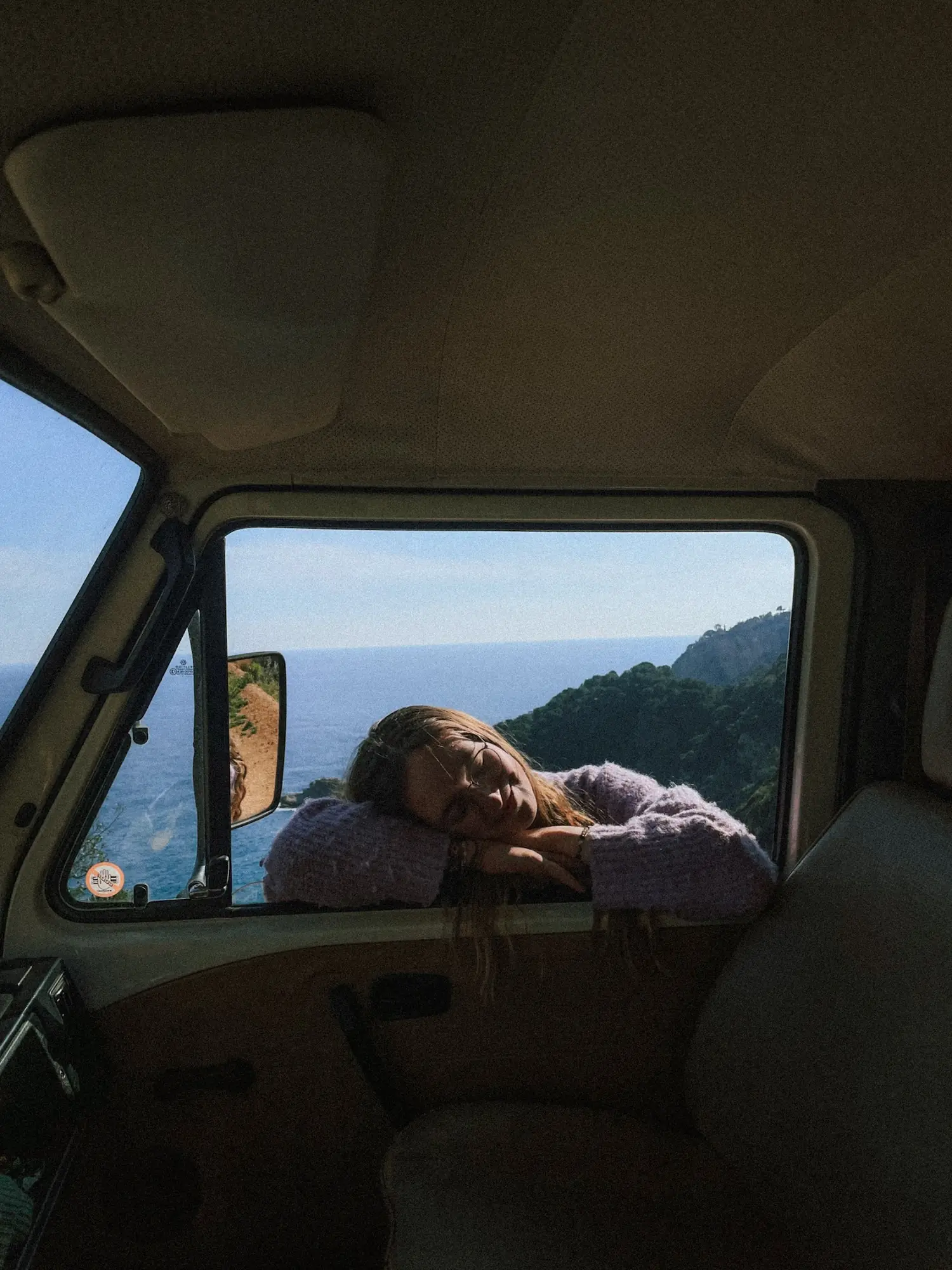
In Spain, tolls have been scrapped on a lot of highways. We only had to pay on a few stretches up north. Portugal is a different story: outside the Algarve, you'll pay tolls on nearly every highway.
- Heads-up: in Portugal, tolls are often collected electronically by overhead gantries, with no booths in sight. If you're driving on foreign plates, register beforehand, for example with EasyToll at the border or with a Toll Card. Otherwise, settling up after the fact turns into a real headache.
We're not big on highways anyway. You just miss too much along the way. The back roads, on the other hand, can get pretty rough. But with Humbär, a little rattle and shake is part of any good road trip.
Filling up
Humbär runs on gasoline, so it pays to keep an eye on prices: gas was quite a bit cheaper in Spain than in Portugal. Our tip: top off the tank before you cross into Portugal.
The bottom line
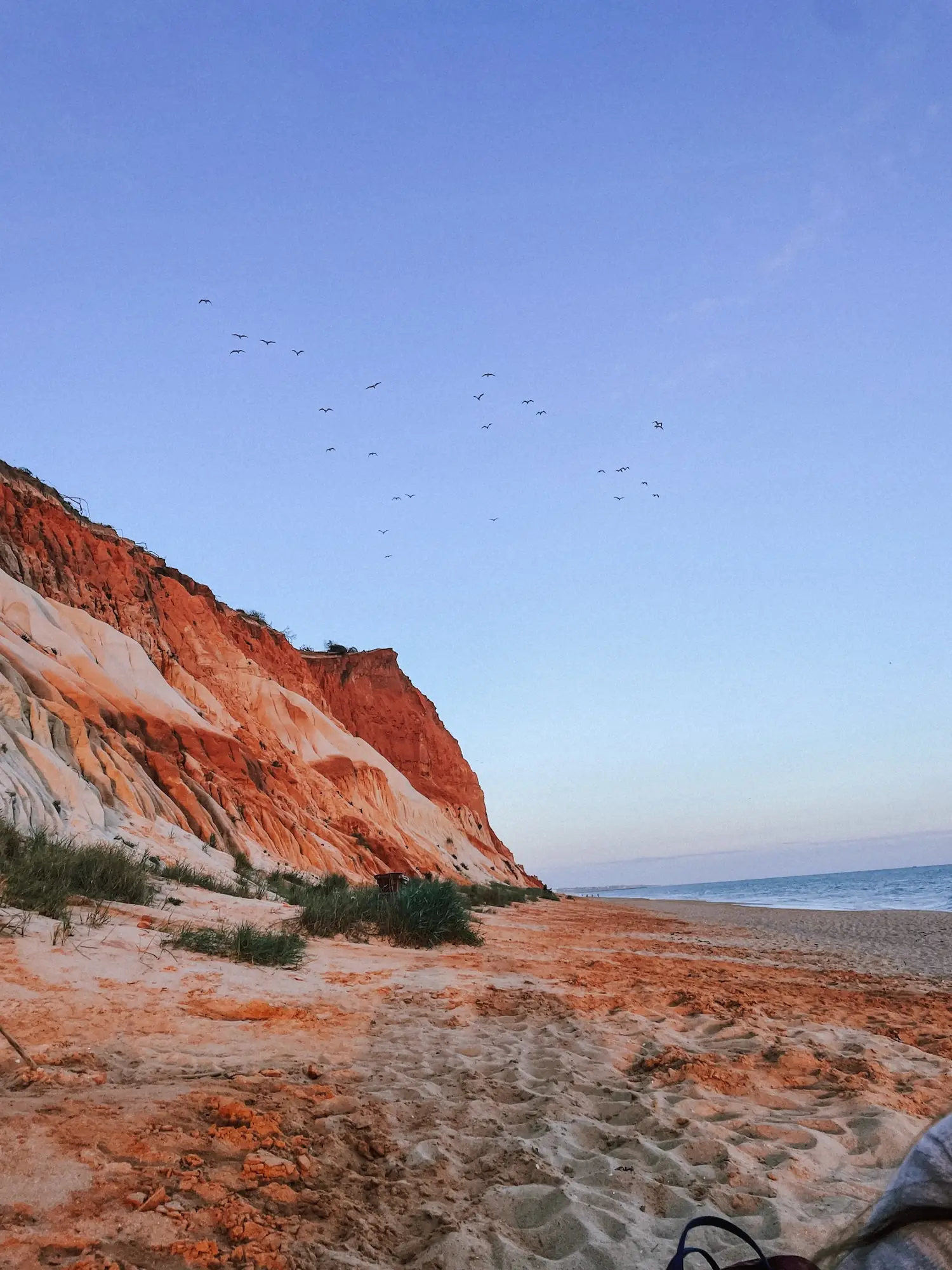
If there's one thing we're taking home from this trip, it's this: we had way too little time.
Eleven weeks sounds like a long road trip. For Spain and Portugal in a slow van, it absolutely isn't. If Humbär had been finished sooner, we would have hit the road back in November or December and spent the whole winter down south.
In southern Spain we'd have loved to explore Gibraltar and the stretch around the Costa del Sol, where other vanlifers rave about winter vanlife. Up north, we'd have spent more time inland and finally given the Pyrenees the proper exploring they deserve.
Spain and Portugal gave us exactly what we'd hoped vanlife would be: nature, amazing food, surfing, hiking, great city trips, and above all the courage to believe that life in a van is something truly, wonderfully special.
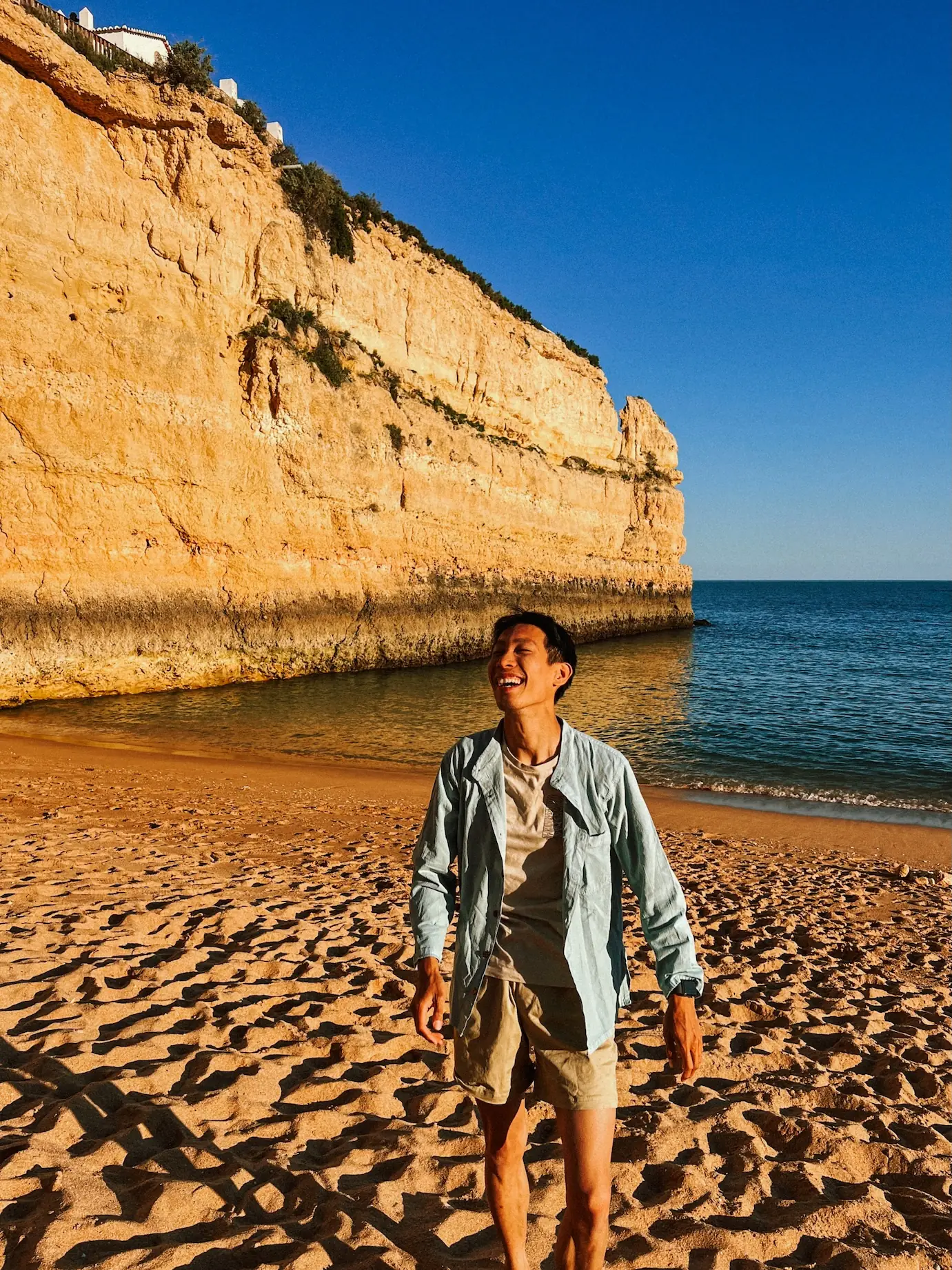
With 🐿️ by Frank
Orangen am Strassenrand, Surfer auf Klippentreppen und heisse Quellen mitten im Wald: Die Iberische Halbinsel war das erste grosse Vanlife-Kapitel mit unserem frisch ausgebauten Van Humbär. Hier findest du unsere Lieblingsorte, unsere Stellplatz-Tipps und am Ende, was uns ein Monat Vanlife in Spanien und Portugal gekostet hat.
Unsere Route & Reisezeit
Mitte März ging es los in Katalonien an der Costa Brava. Von dort ging es der Mittelmeerküste entlang über Valencia bis nach Almería, weiter an die Algarve und dann die portugiesische Atlantikküste hinauf über Lissabon und Porto. Im Mai sind wir schliesslich über Galizien, die Picos de Europa und das Baskenland bis nach Bilbao gefahren. Insgesamt waren wir rund elf Wochen unterwegs und haben etwa 4500 Kilometer zurückgelegt.
Für uns war der Frühling der Sweet Spot: angenehme Temperaturen und noch keine Spur vom Sommertrubel. Im März und April haben wir noch viele Überwinternde getroffen, die langsam Richtung Norden aufbrachen. Und die grosse Welle an Büssli-Urlaubern? Die gab es im Mai noch nicht. Viele Plätze hatten wir praktisch für uns allein.
Wie wir ins Vanlife reingekommen sind
Vanlifer sein muss geübt sein, zumindest war das bei uns so. Das gilt auch für den Mut, den frisch ausgebauten Camper irgendwo am Strassenrand hinzustellen, in einem Land, in dem man noch nie war, und seelenruhig ins Ungewisse hinein zu schlafen.
An Tag fünf im Van treffen wir Isi. Wir tuckern die langsame Panorama-Küstenstrasse Richtung Tossa de Mar entlang und halten an einem wunderschönen Aussichtspunkt. Der Platz ist auf Park4Night, aber andere berichten von Einbrüchen. Eigentlich wollen wir weiter auf einen offiziellen Womo-Stellplatz. Doch der Ort gefällt uns zu gut: Wir filmen Humbär zum ersten Mal in der goldenen Stunde, machen Musik und lernen so Isi kennen. Diese Begegnung gibt uns den kleinen Stups, den Menschen zu vertrauen. Wir würden das gemeinsam schaffen und müssten uns nicht so viele Sorgen machen. An diesem Abend sind wir im Vanlife angekommen.
Mit neuem Mut steuern wir an einem windigen, verregneten Abend einen Stellplatz mit Meerblick oberhalb einer kleinen Ortschaft an. Die Steigung beträgt 20 Prozent, Humbärs Räder drehen durch und wir schaffen es mit Ach und Krach durch den Nebel nach oben. Keine zehn Minuten später parkiert ein Schweizer Van hinter uns. Am Steuer sitzt ausgerechnet die Person, die uns überhaupt erst inspiriert hat, einen Van zu kaufen und loszuziehen, auf den letzten Tagen seiner eigenen Reise, auf dem Weg nach Hause: Chris Jäger.
Unsere Lieblingsorte
Costa Brava: Die spektakulärste Küste Spaniens
Die Costa Brava ist für uns definitiv die spektakulärste Landschaft in ganz Spanien. Felsige Klippen, knorrige Pinien und kleine Buchten mit so klarem Wasser, dass man bis auf den Grund sieht. Die Küstenstrasse schlängelt sich in unzähligen Kurven von Bucht zu Bucht, und hinter jeder Kurve wartet ein neuer Aussichtspunkt. Mit Humbär fährt man hier sowieso gemächlich, und genau so sollte man die Costa Brava auch erleben. Hier hat unsere Reise angefangen, und einen schöneren Start hätten wir uns nicht wünschen können.
Valencia: Ein Stück Berlin am Mittelmeer
Valencia hat uns an den Prenzlauer Berg erinnert. Nur dass hier Orangen statt Kirschen an den Bäumen hängen. Kleine Cafés, gute Restaurants und Leben auf der Strasse. Eine Stadt, in der man schnell ein paar Tage länger bleibt als geplant.
- Unser Tipp: der Jardín del Turia. Nach einer grossen Flut 1957 wurde der Fluss umgeleitet, und im alten Flussbett ist ein rund neun Kilometer langer Park entstanden, perfekt zum Velofahren oder Joggen.
- Beste Bäckerei in Valencia: MÒLT Obrador de pa
- Unsere Lieblingsgegend: Russafa (sehr hipster)
Cabo de Gata & die Wüste Europas
Rund um Almería liegen zwei ziemlich wilde Gegensätze nebeneinander. Unter riesigen Gewächshausflächen, dem sogenannten «Plastikmeer», wächst ein grosser Teil des Gemüses, das bei uns ausserhalb der Saison im Supermarkt liegt. Ein paar Kilometer weiter beginnt die Tabernas-Wüste, die als einzige echte Wüste Europas gilt und Kulisse zahlreicher Westernfilme war.
Und dann kommt Cabo de Gata: karge Vulkanlandschaft, türkisfarbenes Wasser und helle Strände.
Aus dem JournalZu Besuch in einem Gewächshaus in Almería, SpanienVom Gewächshaus ins Supermarktregal - woher kommt das Gemüse, das wir in der Schweiz im Laden finden? Wir haben in Almería einen Familienbetrieb besucht.Zum Beitrag →
Sevilla & Granada: Frühling mit arabischem Flair
Sevilla und Granada haben wir im schönsten Frühling besucht. Überall blühte es, es duftete nach Orangenblüten und die Parks leuchteten in allen Farben. Dazu kommt der arabische Einfluss, der in beiden Städten an jeder Ecke zu spüren ist: verzierte Bögen, gekachelte Innenhöfe und plätschernde Brunnen. Durch diese Gassen zu schlendern, fühlte sich fast ein bisschen surreal an, als wären wir in einer ganz anderen Welt gelandet.
Für die Alhambra in Granada unbedingt früh Tickets buchen, sie sind oft Wochen im Voraus ausverkauft. Und die Orangenbäume in Sevillas Strassen? Die tragen Bitterorangen. Roh isst die niemand, aus ihnen wird vor allem englische Marmelade gemacht.
- Stellplatz-Tipp für Sevilla: Área Auto-Caravanas Parque de la Muela in El Viso del Alcor, ausserhalb der Stadt
Wandern an der Algarve
Die Algarve war für uns vor allem eine Wanderregion. Unser Favorite ist die Küstenwanderung von der Praia da Senhora da Rocha zur Praia da Marinha: Der Weg führt den Klippen entlang und verbindet malerische Buchten.
Portugal hat nicht nur einige der schönsten Strände Europas, sondern auch die leckersten Orangen. An die Laranjas denken wir noch lange und gern zurück.
Stellplatz-Tipps:
- Praia dos Tomates: legendärer Vanlifer-Platz
- Elodie & Romy's Algarve Camping Car Park: liebevoll gestalteter Camping in traumhafter Lage, herzlich und vanliferfreundlich, für 8 Euro die Nacht
Lagos: Cafés, Azulejos & Pastéis de Nata
Unser Campingplatz in Lagos hatte ganze zwei Sterne auf Park4Night. Die Erwartungen waren entsprechend low. Hauptsache, Humbär steht sicher für einen Stadtbesuch.
Lagos selbst hat uns dann überrascht: schöne Cafés, bunte Azulejos, hervorragende Bäckereien und sogar ein ausgezeichneter Bagel-Laden. Die Stimmung ist sehr international, Englisch funktioniert fast überall.
Unbedingt anschauen: die Felsformationen und Grotten an der Ponta da Piedade, gleich ausserhalb der Stadt. Am schönsten sind sie vom Wasser aus, mit dem Kajak oder SUP.
Sagres: Surfer, Klippen & ein Aldi-Parkplatz
In Sagres haben wir eigentlich wenig gemacht. Und genau das war der Vibe. Wir sassen am Meer und schauten den ganzen Tag den Surfern zu, die mit ihren Boards die Treppen zum Wasser hinunterstiegen.
Vanlife Reality: Rund um die Südwestspitze ist es für Vanlifer leider katastrophal schwierig. Wir standen geduldet auf einem Aldi-Parkplatz. Nicht gerade romantisch, dafür gab es am Morgen frisches Brot und Pastéis de Nata. Zum Surferstrand sind wir erst am Morgen gefahren. Für uns war das die unkompliziertere Lösung.
Nur ein paar Minuten entfernt liegt das Cabo de São Vicente, der südwestlichste Punkt des europäischen Festlands. Früher galt es als Ende der Welt, und die Sonnenuntergänge dort sind legendär.
- Lieblingscafés: Picnic Sagres und Sagres Surf & Coffee
Surfen in Arrifana
Zwischen Sagres und Sines einen Übernachtungsplatz zu finden, ist nicht gerade easy. Ein Local gab uns schliesslich den Tipp für einen abgelegenen Ort, an den wir Humbär fahren konnten. Am nächsten Morgen stand unsere allererste Surflektion an. Für Frank war es trotz Wetsuit etwas kalt, für Evelyne perfekt.
Warum die Stellplatzsuche hier so knifflig ist? Die ganze Küste gehört zum Naturpark Südwest-Alentejo und Costa Vicentina, und in Schutzgebieten ist das Übernachten im Camper verboten.
- Unsere Surfschule: Boa Onda Surf School
Date Day in Lissabon
Unser Dreijähriges haben wir in Lissabon gefeiert, mit einem Konzert von The Lumineers. Am Tag darauf folgte unser Date Day: Wir haben die Stadt ganz old-school mit Karte und Koordinaten erkundet.
Bei Städtetrips haben wir ein Non-Negotiable: Humbär bleibt auf einem sicheren Campingplatz ausserhalb der Stadt, wir fahren mit dem ÖV ins Zentrum. So bleibt unser Zuhause sicher und wir müssen uns nicht mit dem Camper durch den Stadtverkehr kämpfen.
- Stellplatz-Tipp: Orbitur Camping Costa de Caparica. Wir sind mit Bus und Fähre in die Stadt gefahren, Locals haben uns dann aber empfohlen, einfach ein Bolt zu nehmen.
- Lieblingscafés: Taiyaki Café (taiwanesisch) und Hello, Kristof
Ericeira: Surf, Boho & Grelos
Ericeira war Liebe auf den ersten Blick. Die kleine Küstenstadt nördlich von Lissabon verbindet Surf-Vibe mit schönen Cafés, kleinen Gassen und einem entspannten Alltag.
Auf dem Wochenmarkt haben wir Grelos entdeckt, ein grünes Blattgemüse ähnlich wie Cima di Rapa, geschmacklich irgendwo zwischen Broccoli und Kohl. Zusammen mit Feta haben wir daraus im Van Gözleme gemacht.
- Stellplatz-Tipp: Die offiziellen Womo-Stellplätze fanden wir etwas unspektakulär, deshalb sind wir auf einen normalen Parkplatz ein wenig ausserhalb der Stadt gestanden.
- Lieblingscafé: Sano Café
Porto hat unser Herz
Porto gehört für uns zu den schönsten Städten der ganzen Reise. Irgendwie Paris, nur kleiner, rauer und portugiesischer. Wir haben sie vor allem zu Fuss erkundet: durch die Gassen treiben lassen, Cafés entdecken und schauen, wo wir landen.
- Stellplatz-Tipp: Tendinha Campers bietet einen Stellplatz ausserhalb von Porto. Ridesharing war dafür der obvious move: Humbär blieb draussen und wir kamen günstig und schnell ins Zentrum.
- Beste Bäckerei ganz Portugals: Ogi by Euskalduna
- Local Geheimtipp (Restaurant/Kantine): Almada Café
Die Onsen von Galizien
Ein komplett anderes Highlight waren die heissen Quellen in Galizien. Nahe der Grenze zu Portugal gibt es mehrere Thermalbäder, die von den Gemeinden betrieben werden und für wenig Geld zugänglich sind. Manche haben klassische Thermalbecken, andere erinnern an japanische Onsen.
Unser Favourite: Espazo Lúdico Termal de Teáns mit über 45 °C heissem Wasser, das direkt aus der Erde kommt.
- Hier waren wir baden: Termas de Prexigueiro bei Ribadavia und Espazo Lúdico Termal de Teáns in Salvaterra de Miño
Picos de Europa: Unsere eindrücklichste Wanderung
Die Ruta del Cares war unsere eindrücklichste Wanderung der ganzen Reise. Rund 24 Kilometer hin und zurück führt der Weg durch eine tiefe Schlucht zwischen steilen Felswänden und türkisblauem Wasser. Wir sind einfach losgelaufen. Auch wir Soft Explorers haben es geschafft.
Übrigens: Der Weg folgt einem Wasserkanal, der Anfang des 20. Jahrhunderts für ein Wasserkraftwerk in den Fels gehauen wurde. Die Einheimischen nennen die Schlucht auch «Garganta Divina», die göttliche Schlucht, und man versteht sofort, warum.
Trotzdem fühlte sich der Tag eher nach Sommerferien als nach Bergtour an. Unterwegs haben wir Walderdbeeren gepflückt und daraus später im Van einen Cheesecake gemacht.
Gaztelugatxe: Magie am Meer
Gaztelugatxe haben wir bewusst früh besucht. Noch bevor die Touristenbusse kamen, gehörten Brücke, Felsen und Meer fast uns allein. Ein paar Stunden später wäre das ein komplett anderer Spot gewesen.
Bis zur kleinen Kapelle oben auf dem Felsen sind es 241 Stufen. Oben läutet man traditionell dreimal die Glocke und wünscht sich etwas. Und ja, die Drachen-Vermutung stimmt: Game of Thrones hat hier Dragonstone gedreht.
- Gut zu wissen: In der Hochsaison braucht es für den Zugang eine (kostenlose) Online-Reservation.
Vanlife in Spanien & Portugal
Freistehen oder Wildcampen?
Wichtig ist der Unterschied: Freistehen heisst, der Van ist einfach parkiert und man schläft drin. Wildcampen heisst, man breitet sich aus, mit Tisch, Stühlen, Markise oder ausgeklappten Stützen.
Wildcampen ist in Spanien und Portugal praktisch überall verboten, ausser es ist ausdrücklich erlaubt, zum Beispiel auf manchen Womo-Stellplätzen. Campingtisch und Markise spart man sich also lieber für den Campingplatz.
Freistehen ist im Inland deutlich einfacher als am Meer. Dort interessiert es im wahrsten Sinne des Wortes keine Sau, wenn du mit dem Van irgendwo stehst. In der ersten Reihe am Meer sieht es anders aus. In Galizien hatten wir auch mal Polizeibesuch und haben gesehen, wie Camper, die mehr als nur parkiert hatten, verwarnt wurden. Bei uns haben sie kurz geschaut und sind wieder weggefahren, weil wir nichts draussen hatten. Abgesehen von den Naturschutzgebieten an der Algarve hatten wir keine Probleme, schöne Plätze auch direkt in Strandnähe zu finden.
In Portugal ist das Übernachten im Camper seit 2021 gesetzlich geregelt: In Schutzgebieten ist es verboten, ausserhalb davon höchstens 48 Stunden am selben Ort.
Unsere wichtigste App war Park4Night. Lies die neusten Kommentare, gerade was Einbrüche und Polizeikontrollen betrifft, und nimm nicht nur die Sterne-Bewertung ernst (siehe Lagos).
Infrastruktur & Versorgung
Nirgendwo in Europa ist die Versorgung so gut wie in Spanien, und auch Portugal ist erstklassig. Okay, Frankreich ist vielleicht noch eine Spur besser. Viele Ortschaften haben Womo-Stellplätze mit kostenloser Ver- und Entsorgung, in Portugal bieten sogar manche Supermärkte V+E an.
- Tipp für Schweizer: Die Schweiz ist nicht Teil des EU-Roamings. Wir haben eine spanische 200 GB Prepaid SIM-Karte von einem namhaften Anbieter mit rotem Logo gekauft und hatten so unterwegs Internet und guten Empfang.
Kochen & Einkaufen
Kochen im Van ist für uns eines der schönsten Dinge am Vanlife. Mit frischen Zutaten vom Markt, ein bisschen Improvisation und viel Zeit entstehen oft unsere besten Mahlzeiten. Wohlgemerkt alles auf einer Induktionsplatte ganz ohne Gas. Wie es sich ohne Gas im Van lebt, erfährst du in diesem Blog-Post.
In Spanien war Mercadona unser absoluter Lieblingsladen: gutes Sortiment und sehr günstig. Zu Carrefour sind wir trotzdem regelmässig gegangen, und zwar hauptsächlich wegen der Oatly Barista, die wir für unser Café brauchen.
Aus dem JournalVanlife ohne Gas? Unsere Camper-Elektrik im AlltagInduktionskochplatte, Espressomaschine, Kühlschrank und Starlink - und kein Gramm Gas. Seit über anderthalb Jahren stehen wir mit Humbär autark. Was wir tatsächlich verbrauchen, wie viel Solarstrom reinkommt, und ob 5 kWh dafür reichen.Zum Beitrag →
Wäsche waschen
Wäsche waschen ist unterwegs viel einfacher als gedacht. Vor vielen Supermärkten gibt es Selbstbedienungs-Waschsalons, wo man in kurzer Zeit eine ganze Ladung waschen und trocknen kann.
Dank des trockenen Wetters haben wir aber oft auch einfach die Waschmaschine auf dem Campingplatz genutzt und die Kleider danach in der Sonne trocknen lassen. Nach ein paar Stunden war alles trocken.
Was kostet Vanlife in Spanien & Portugal?
Der Mai war der erste Monat, in dem wir jede einzelne Nacht in Humbär geschlafen haben. Umso gespannter waren wir, was uns das Vanlife wirklich kostet. In diesem Monat sind wir von Lissabon bis Bilbao gefahren, 26 Nächte standen wir frei, 5 Nächte auf Campingplätzen.
- Benzin: 350 €
- Campingplätze (5 Nächte): 101 €
- Lebensmittel: 527 €
- Cafés & Restaurants: 295 €
- Aktivitäten (Surfen, Thermalbäder): 61 €
- Transport (ÖV, Taxi, Ridesharing, Maut): 123 €
- Apotheke: 12 €
- Dienstleistungen: 33 €
- Shopping: 92 €
- Total: 1594 €
Das sind rund 51 Euro pro Tag für uns beide, also etwa 800 Euro pro Person für einen ganzen Monat unterwegs.
Autofahren auf der Iberischen Halbinsel
Strassen & Maut
In Spanien wurde die Maut auf vielen Autobahnen abgeschafft. Nur auf einigen Abschnitten im Norden mussten wir noch zahlen. In Portugal ist es anders: Abseits der Algarve gilt fast überall Autobahnmaut.
- Achtung: In Portugal wird die Maut oft elektronisch über Portale erfasst, ohne Kassenhäuschen. Mit ausländischem Kennzeichen solltest du dich vorher registrieren, zum Beispiel über EasyToll an der Grenze oder eine Toll Card. Sonst wird das Nachzahlen mühsam.
Wir fahren sowieso nicht gerne Autobahn. Man verpasst unterwegs einfach zu viel. Dafür sind die Nebenstrassen manchmal ziemlich rough. Mit Humbär gehört ein bisschen Gerüttel aber ohnehin zu einem guten Roadtrip dazu.
Tanken
Humbär fährt mit Benzin, und da lohnt sich ein Blick auf die Preise: In Spanien war der Sprit einiges günstiger als in Portugal. Unser Tipp: vor der Grenze nach Portugal nochmals volltanken.
Unser Fazit
Wenn wir eines von dieser Reise mitnehmen, dann: Wir hatten viel zu wenig Zeit.
Rund elf Wochen klingen nach einem langen Roadtrip, für Spanien und Portugal in einem langsamen Van sind sie es aber definitiv nicht. Wäre Humbär früher fertig gewesen, wären wir schon im November oder Dezember losgefahren und hätten den Winter im Süden verbracht.
Im Süden Spaniens hätten wir gerne noch Gibraltar und die Gegend rund um die Costa del Sol erkundet: Andere Vanlifer schwärmen dort vom Winter-Vanlife. Im Norden hätten wir dagegen gerne mehr Zeit im Inland verbracht und zum Beispiel die Pyrenäen richtig erkundet.
Spanien und Portugal haben für uns genau das geliefert, was wir uns vom Vanlife erhofft hatten: Natur, gutes Essen, Surfen, Wandern, coole Städtetrips und vor allem den Mut, dass das Leben im Van etwas ganz besonders wundervolles ist.
Mit 🐿️ von Frank
Written by
Engineer, barista & solar wizard
Frank likes lavender, fluffy bumblebees, golden larch trees in fall, and playing the guitar with just four chords.