
April 12, 2025
Visiting a Greenhouse in Almería, Spain
Zu Besuch in einem Gewächshaus in Almería, Spanien
From Greenhouse to Supermarket Shelf
Many vegetables we find in Swiss supermarkets are labeled as "produced in Spain" - or something similar. But what does that really mean? Where does this produce actually come from, how is it grown, and who are the people behind it?
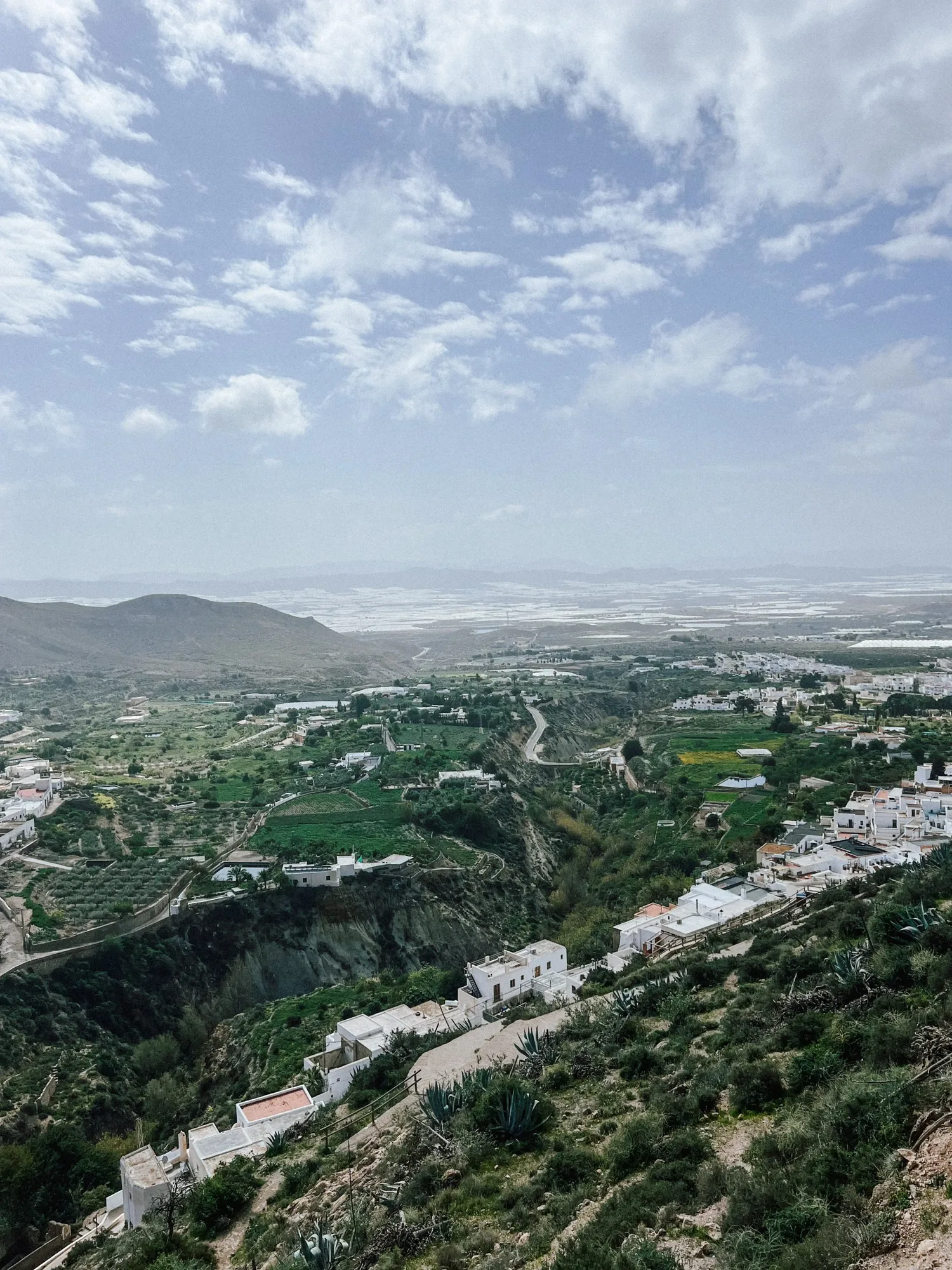
Our journey through Spain took us past the Almería region - a strikingly scenic area that is also characterized by a vast network of greenhouses. This greenhouse landscape is so extensive that it can even be seen on satellite images as a large white area. As of April 2025, Europe is home to around 720 million people - all of whom need access to food. To meet this demand, reliable agricultural operations are essential, capable of farming even under challenging conditions (source).
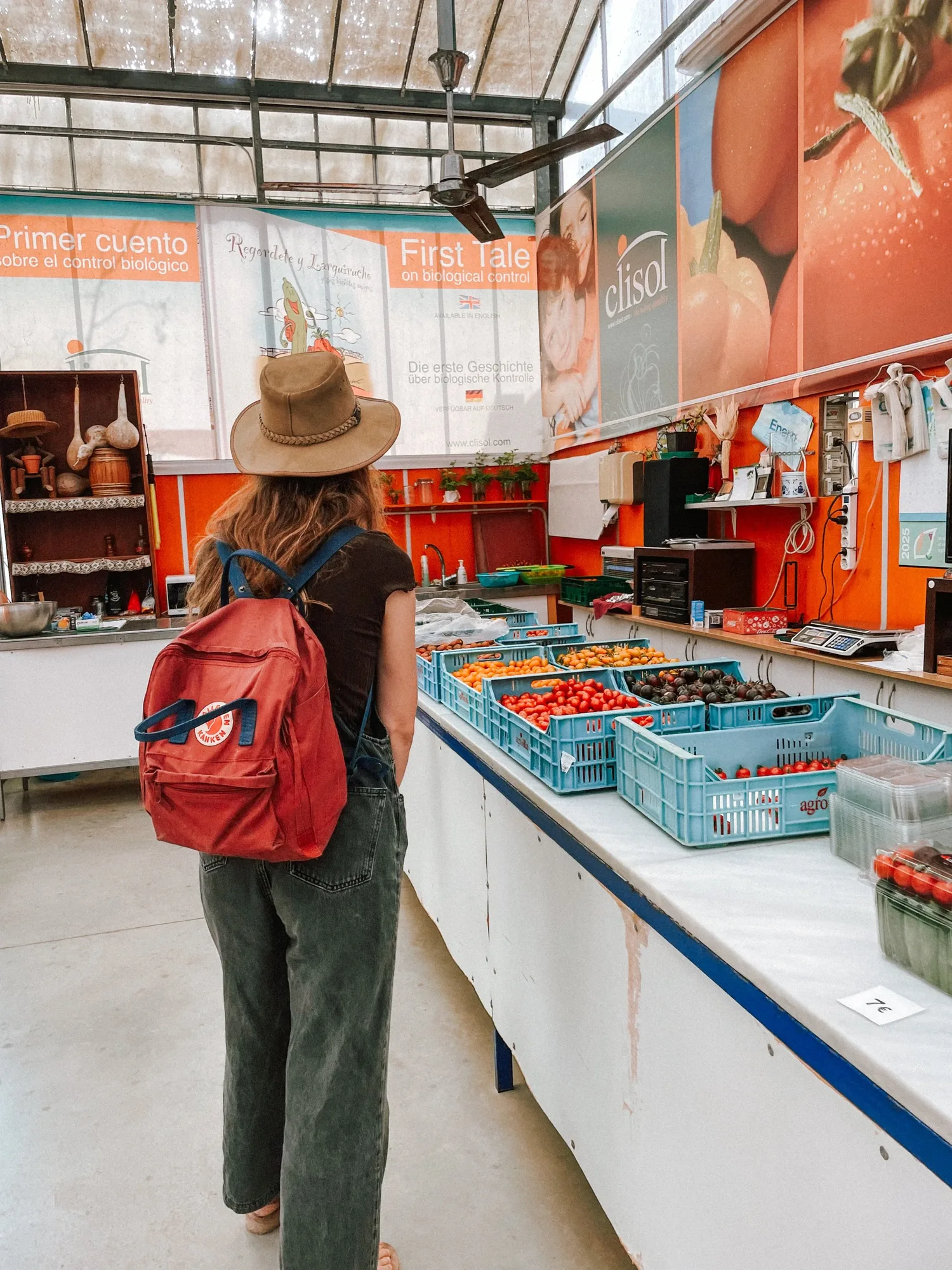
During our stay in Almería, we had the opportunity to tour one of the greenhouses. During the guided tour, we learned a great deal about how these operations function - and how much knowledge, planning, and dedication go into every single vegetable that ultimately ends up on our shelves. We'd like to share a few impressions here, hoping to provide a better understanding of this form of agriculture and spark interest in visiting one of these farms firsthand when the opportunity arises.
The following information is primarily based on the guided tour of the greenhouse. Additional facts were gathered from publicly available sources and are cited where used. Our goal is to present the impressions we gained as objectively as possible - as personal observations without a judgmental tone. The tour was conducted in English, with some language barriers, but we made an effort to present the content as accurately as possible. We highly recommend participating.
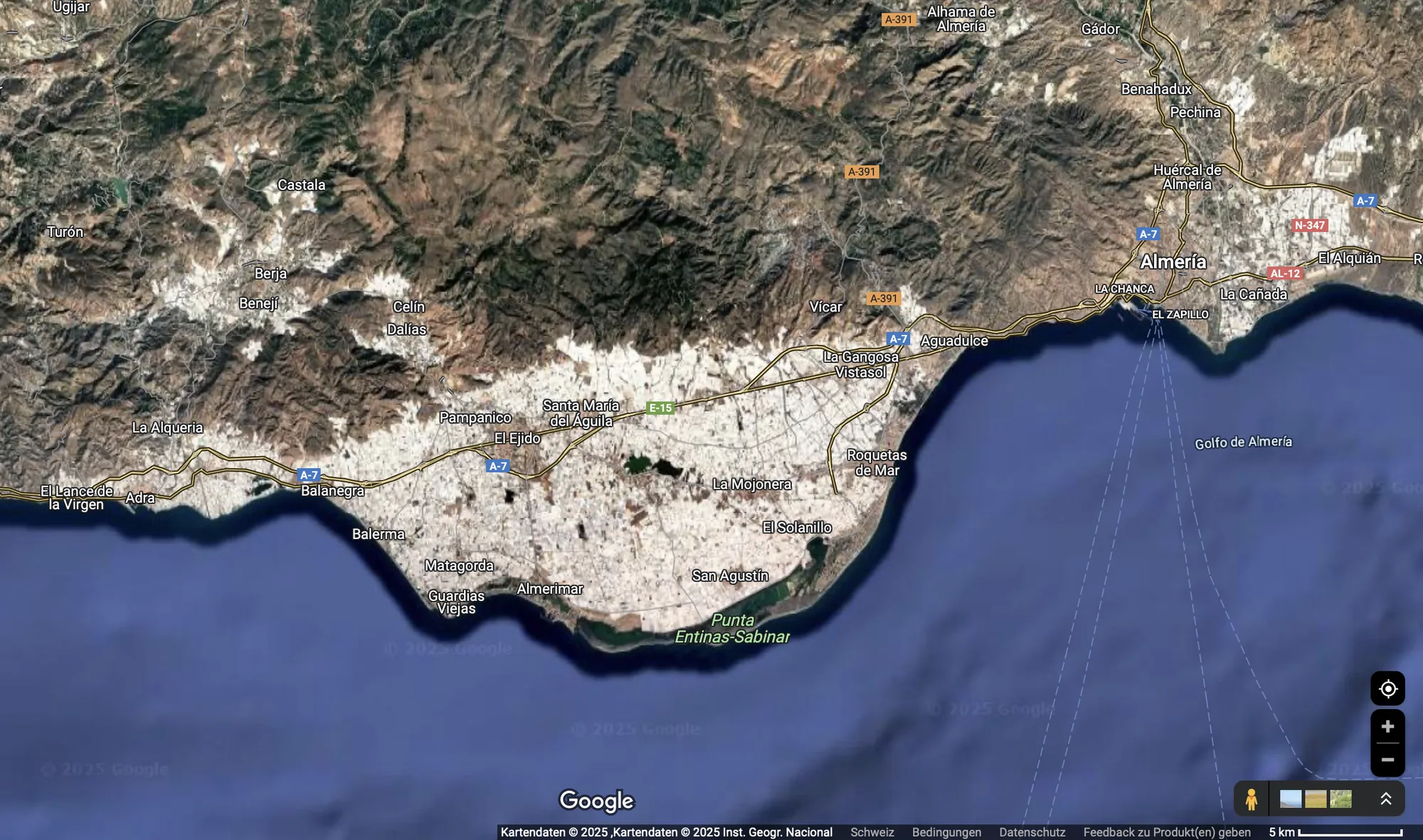
Satellite view from Google Maps
The Climatic Conditions in Almería
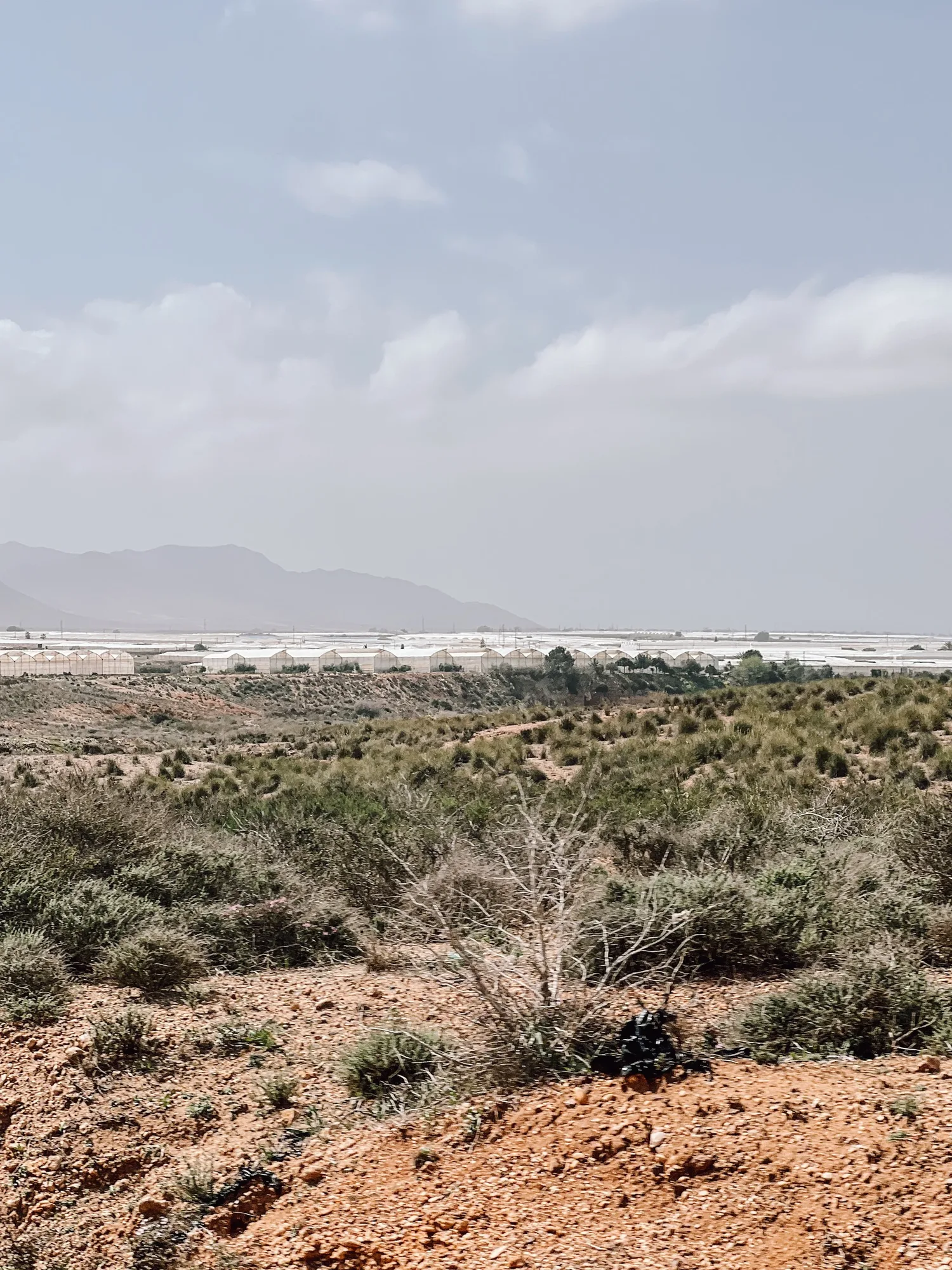
To understand how the Almería region has developed and why farmers grow their vegetables and fruits the way they do today, it's important to look at the climatic conditions that the region offers its residents. Almería is by no means the best place in the world to grow vegetables and fruits. The region is characterized by strong winds, intense sunlight, and very little rainfall.
The wind, in particular, posed a major challenge for the residents for a long time, as under these climatic conditions the vegetables initially struggled to thrive. But the people got creative - and their innovation was rewarded. By using greenhouses, they were able to counteract the wind and achieve successful harvests.
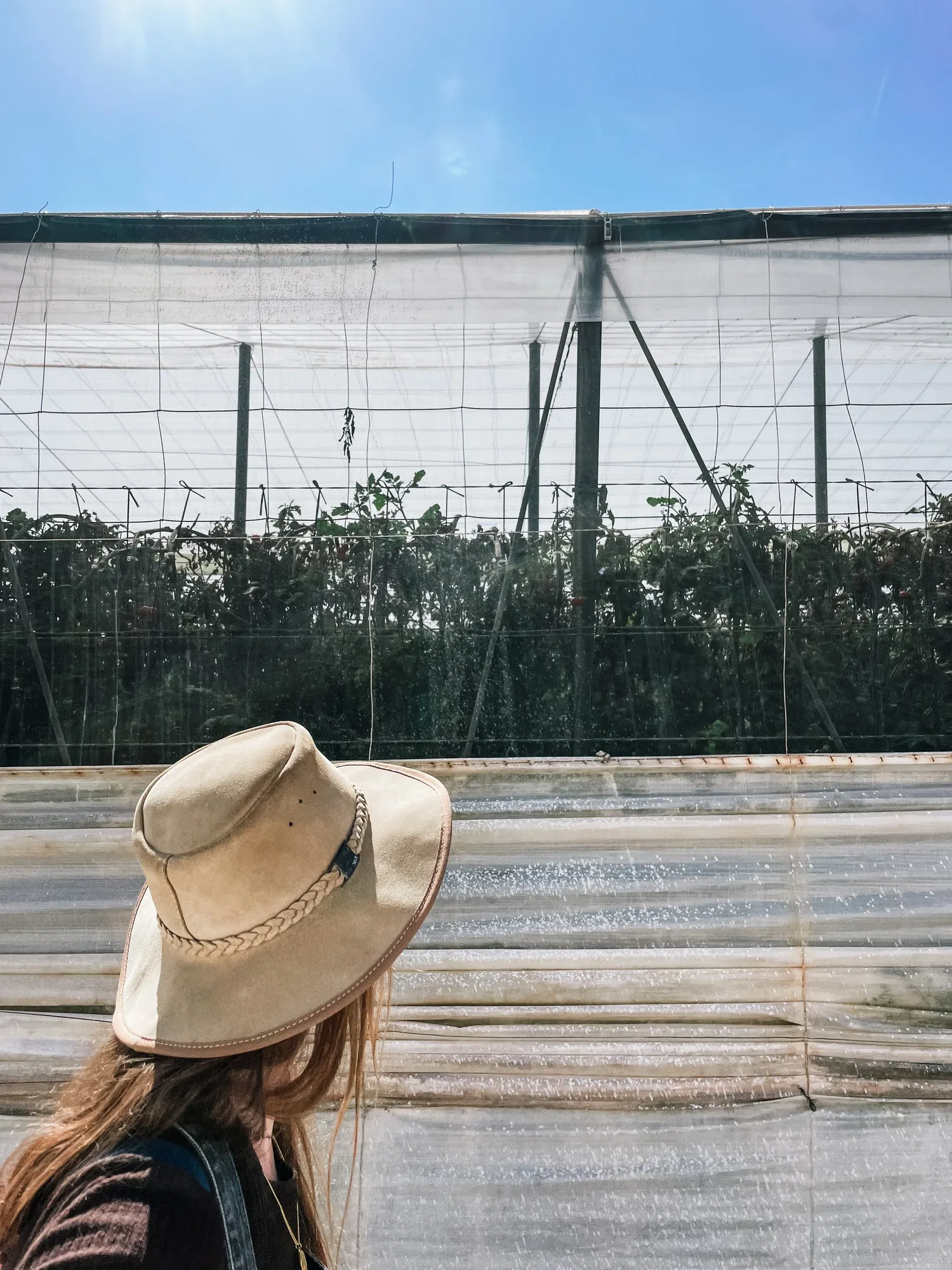
Over the years, these greenhouses have been steadily developed and optimized across generations. Today, they are an integral part of the region. The climatic conditions still play an important role, even though the vegetables and fruits grow in a protected environment. The locals have adapted their greenhouses so well to the climate that they now benefit from it.
Today, the strong winds actually provide a key advantage for plant growth: they ensure continuous air exchange in the greenhouses and prevent excess moisture from accumulating. With adjustable roofs, farmers can also control temperature and air quality. Sunlight is now used to its fullest potential. The plastic roof of the greenhouses doesn't act as a barrier, but instead absorbs the sunlight and evenly distributes light and heat inside the space - at least, that's how the vegetable grower and greenhouse owner explains it to us.
Why Plastic?
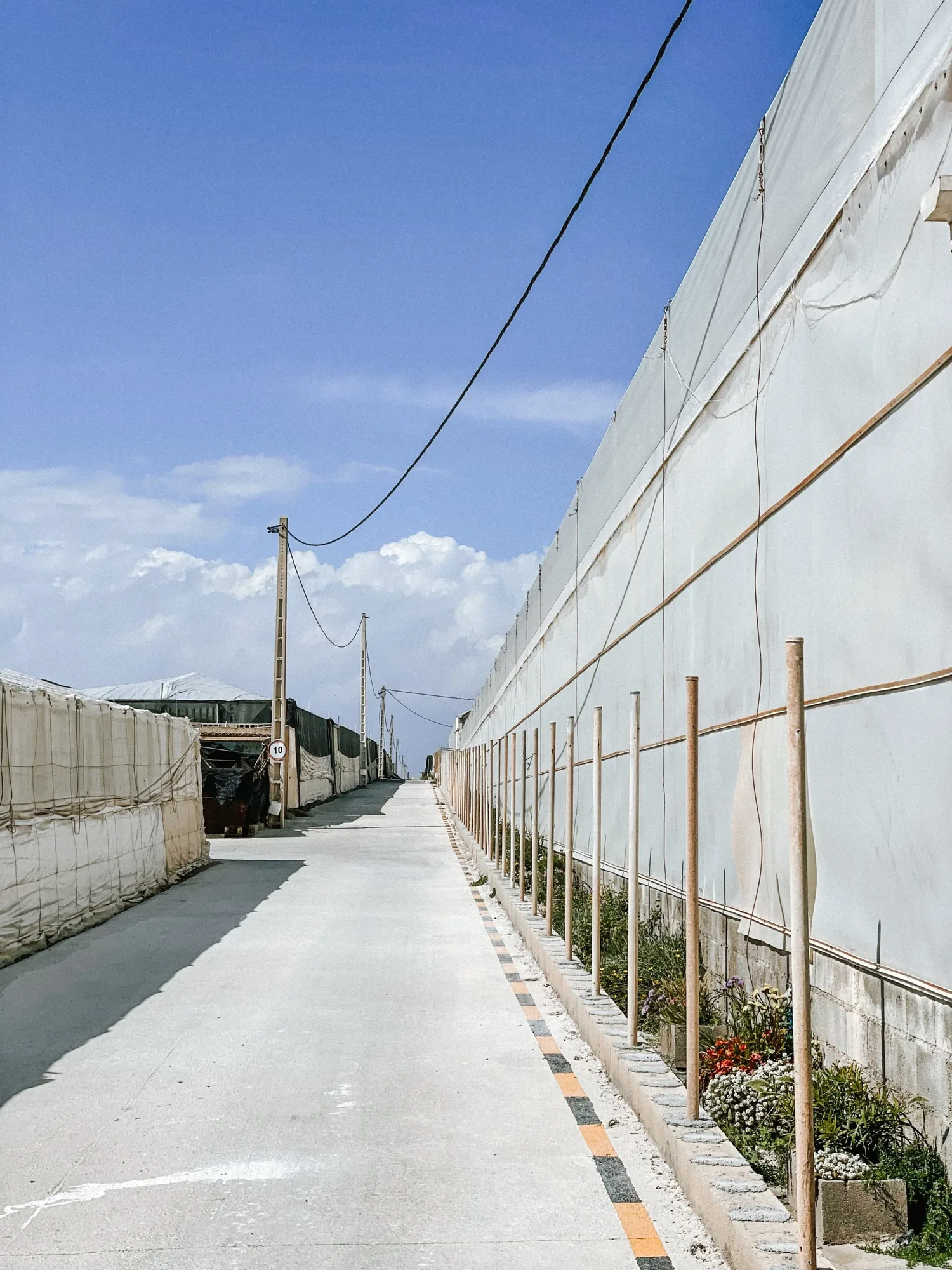
The choice of material - plastic instead of glass - has several reasons. On one hand, it's a matter of cost: glasshouses would be significantly more expensive to build. However, the more important factor is its effect on the plants. The transmission (how light passes through plastic) has proven to be beneficial for plant growth. Every three years, the roof material is replaced, as it loses quality over time, which in turn affects the plants. The old material is fed into an extensive recycling system, from which transport crates, plant pots, and other materials for the greenhouses are made.
A Visit to the Greenhouse
Entering a greenhouse is like stepping into another world. Even the first step is controlled - through a sophisticated security system where the soles of your shoes are carefully disinfected. No pests, no germs should be allowed to enter this delicate ecosystem from the outside. Then the door opens - and with it, a paradise for the senses.
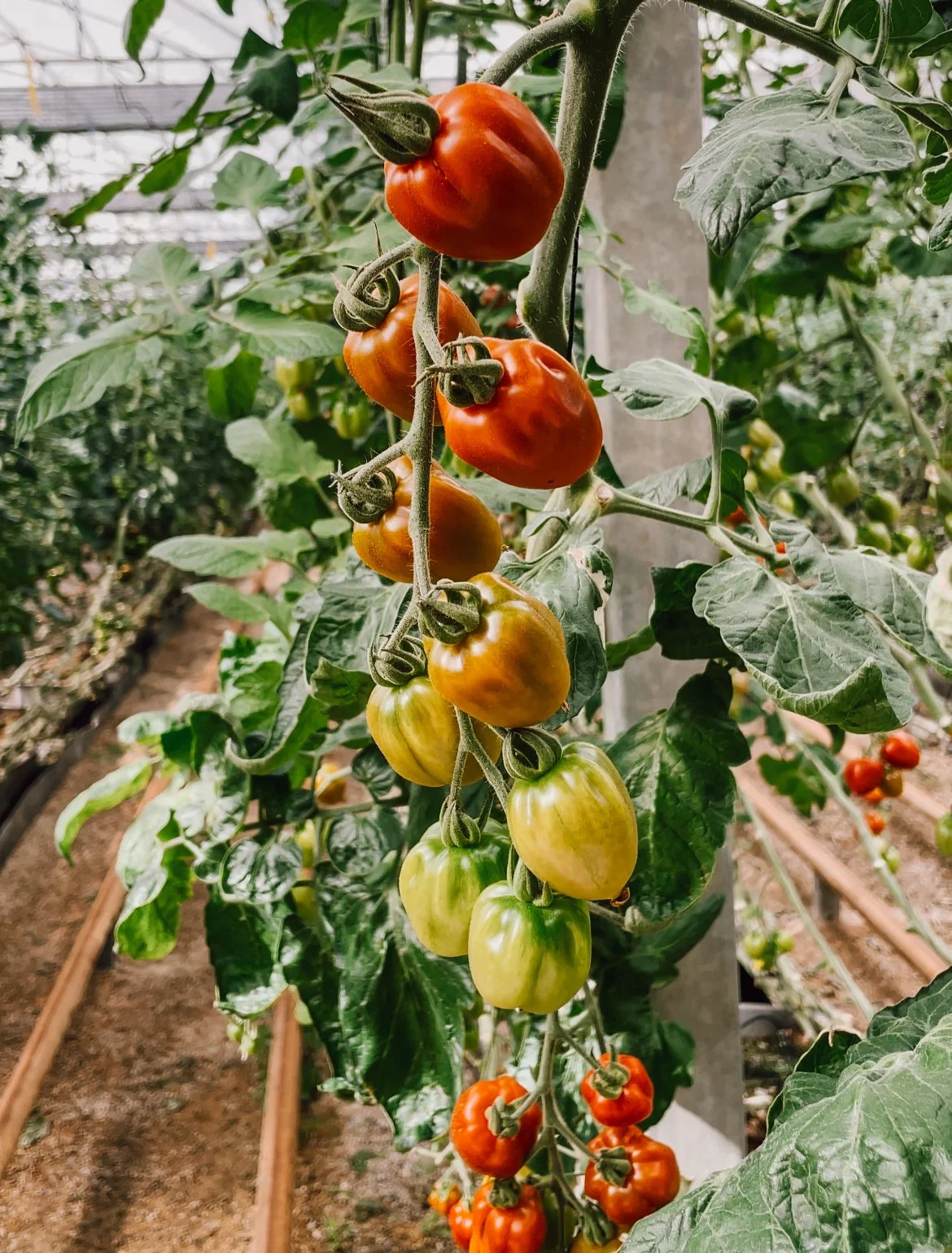
A warm, sweet scent fills the air - the fragrance of ripe peppers, glowing in shades of red, orange, and yellow, like little lanterns shimmering among the rich green. If you pause for a moment, you'll hear the soft, steady hum - and with a bit of patience, you'll spot them: small, furry bumblebees busily buzzing from flower to flower, as though they are the true gardeners of this place.
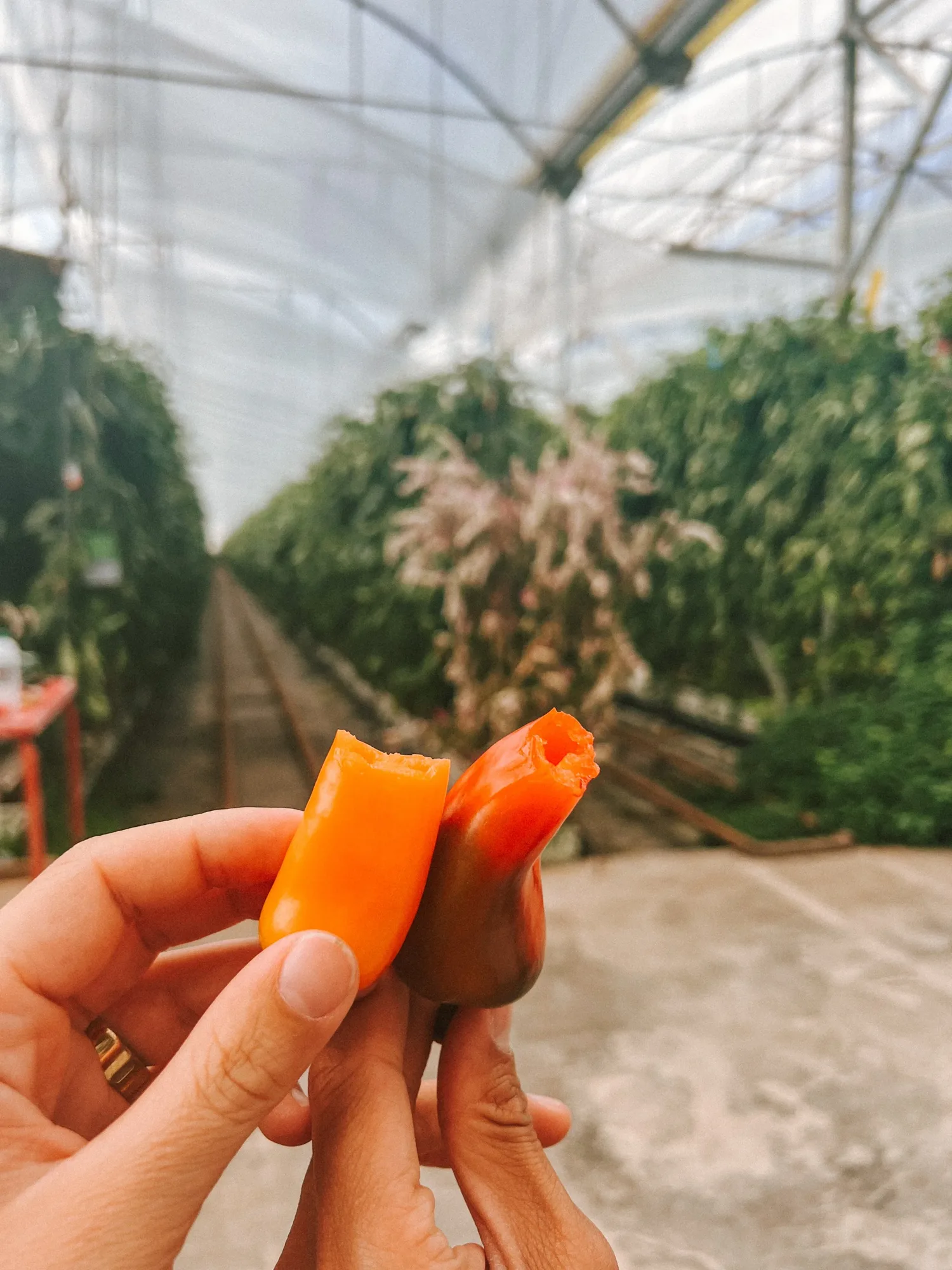
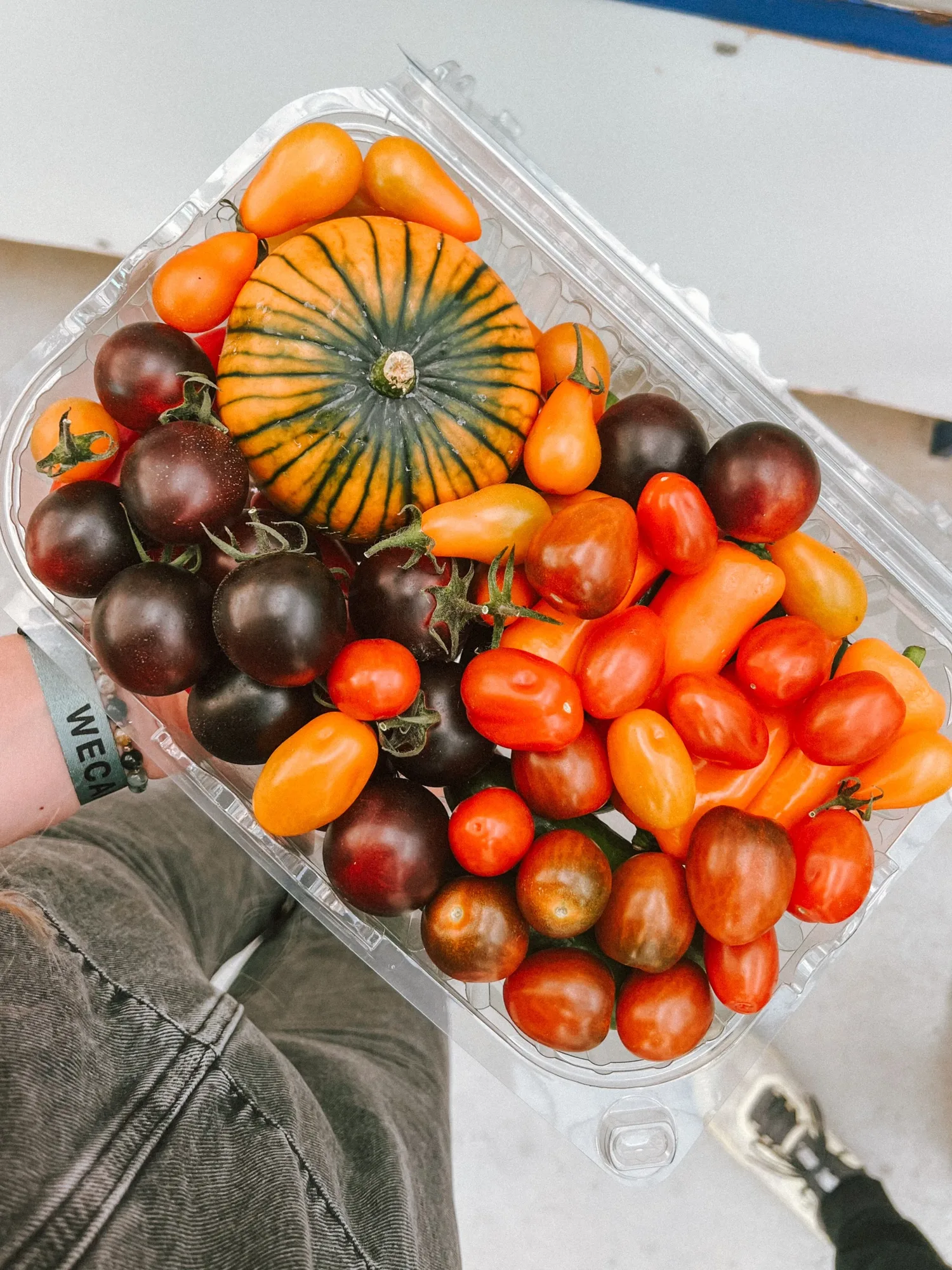
The vegetables feel fresh and alive in your hands. And when you bite into one - directly, without any storage, without transportation - you realize what freshness truly means. "Put an apple in the freezer for two weeks," says a smiling staff member, "then eat it. Tell me if it still tastes the same as before." And maybe in that moment, you'll understand why it's so hard for vegetables in the supermarket to taste the same as they do here - straight from the plant, in the warmth, the light, and the soft hum of a small marvel of modern agriculture.
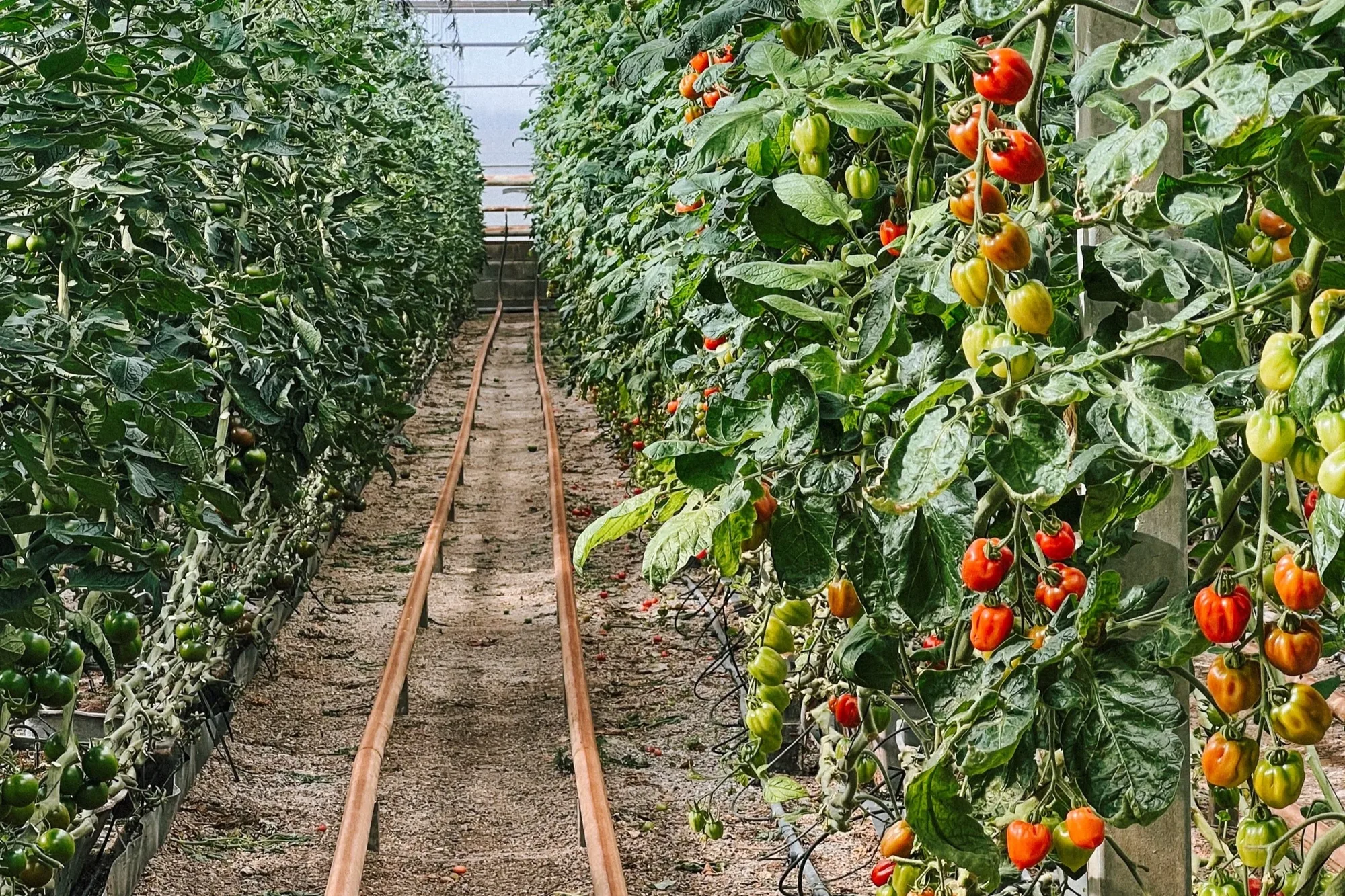
Peppers glowing like little lanterns
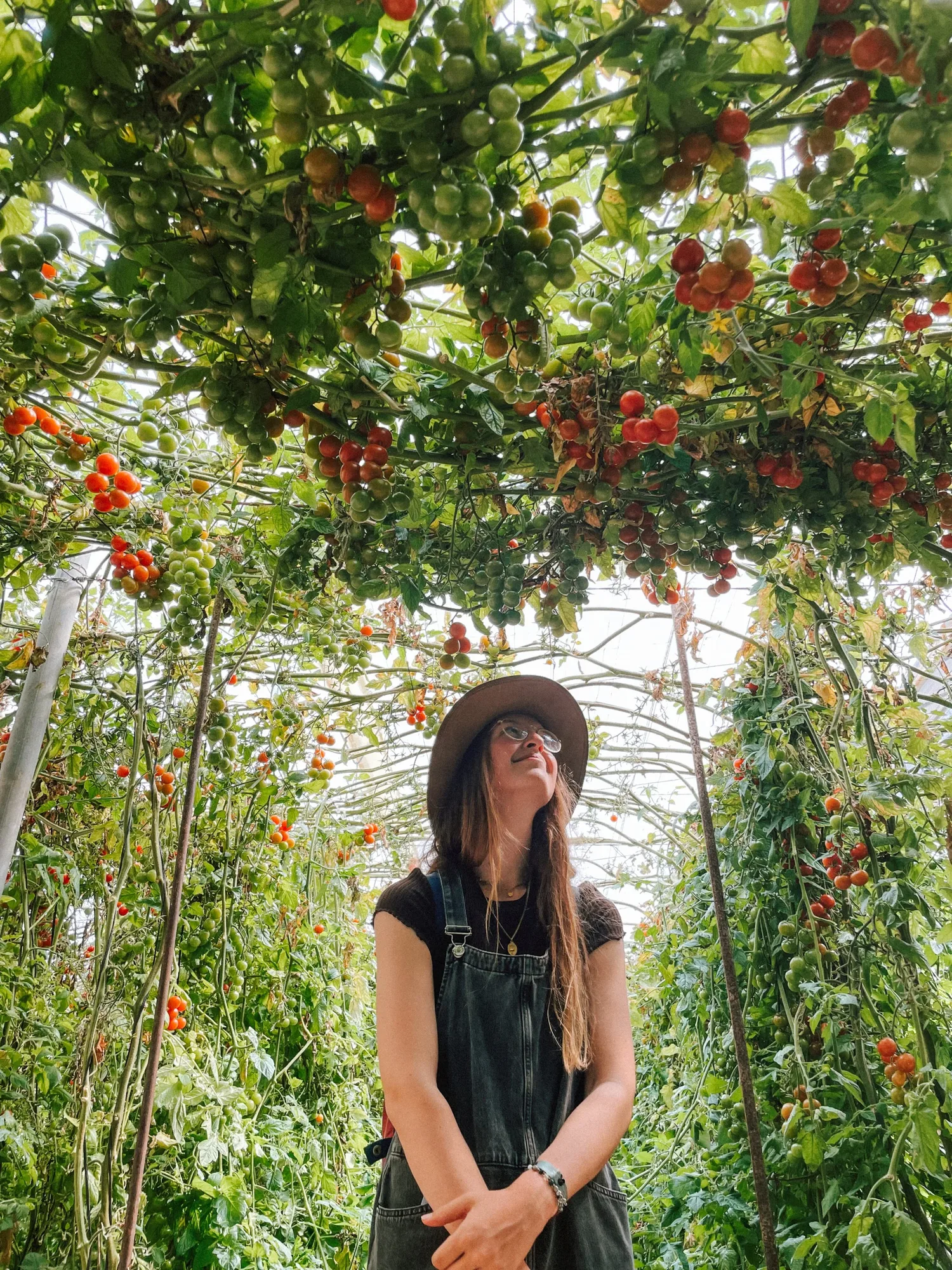
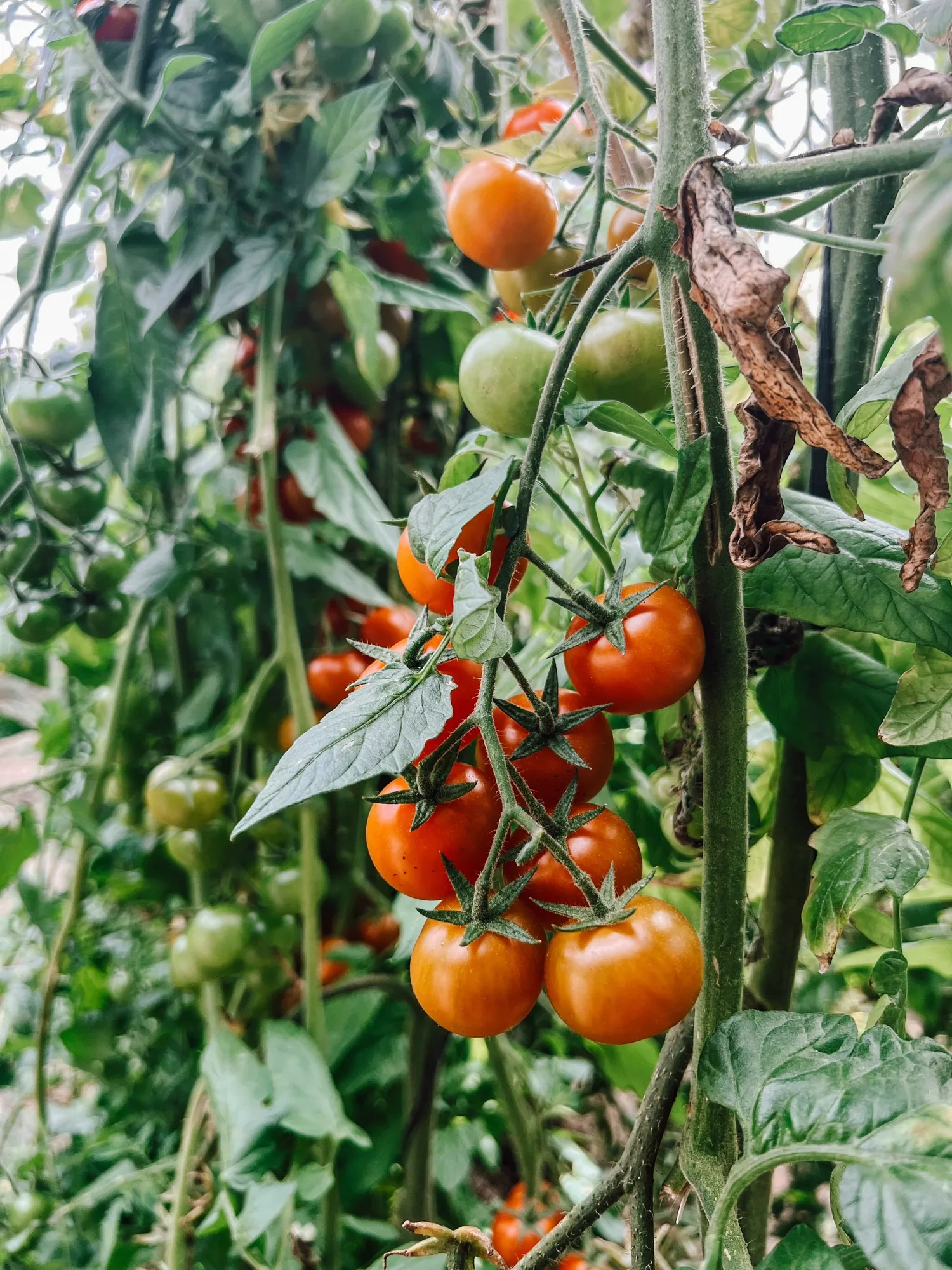
Biological Pest Management
Yes, you heard that right! In these greenhouses, there are actually small, furry bumblebees. They are far more than just cute visitors - they play a central role in this finely tuned ecosystem. As natural pollinators, they ensure that the plants can actually bear fruit.
But the bumblebees aren't alone. Alongside them, numerous other fascinating insect species thrive here, specifically used for natural pest control. Chemical pest control is a thing of the past in this greenhouse. "This is now the case in all the operations in the region," explains the owner. "It's just a shame," she says thoughtfully, "that many people in Europe don't know this. I wish they would all visit my greenhouse." Of course, it would have been exciting for us to visit other greenhouses in the region too. But that's easier said than done - because it's a real privilege for this family to offer any insight at all. Tours like these are rare. That's why it's so valuable that they are willing to share their work, their knowledge, and their passion with the outside world.
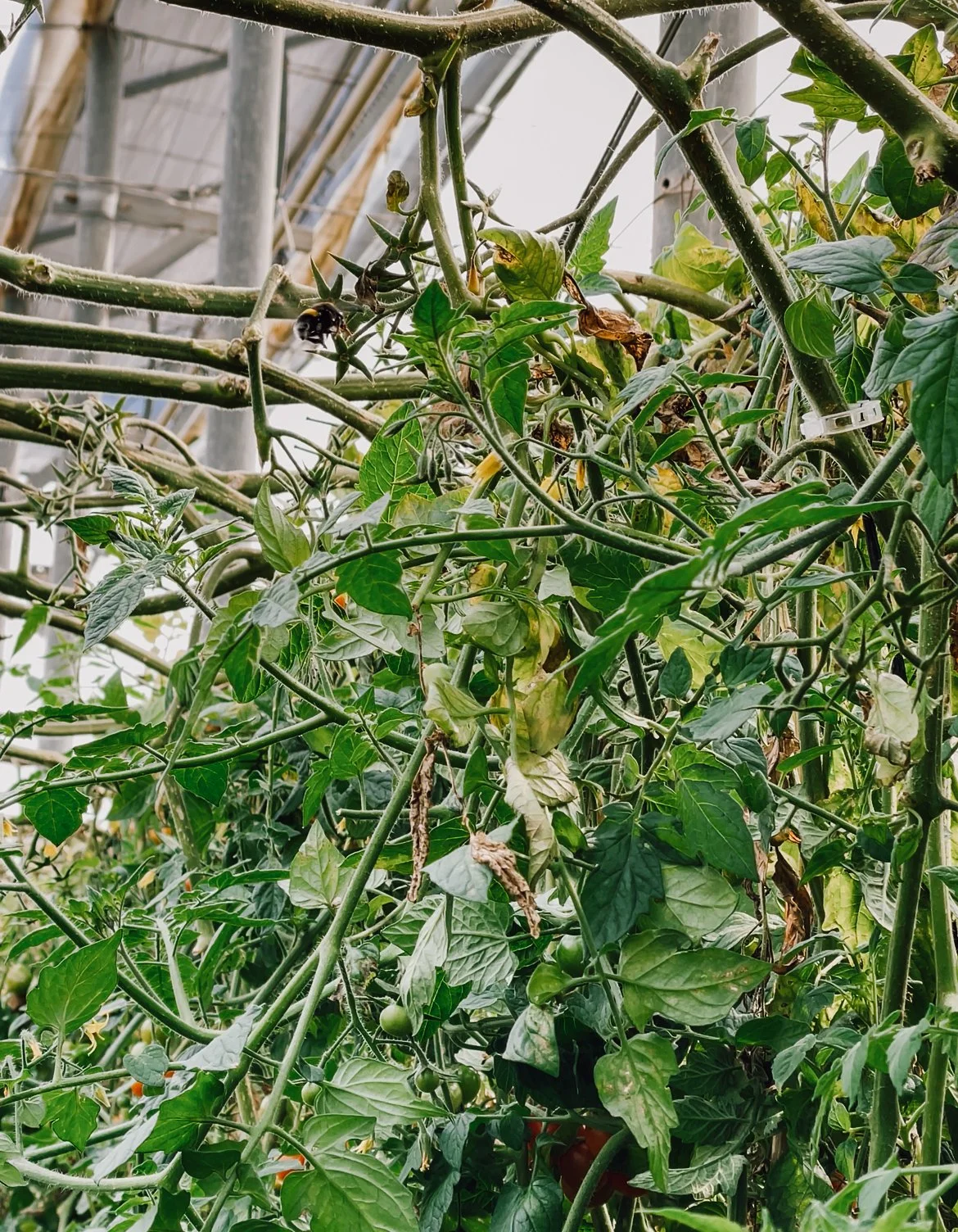
Handling Scarce Water Resources
Even beyond the visible abundance of plants, research has made enormous strides in recent years. With noticeable passion, the owner explains to us the sophisticated water system in her greenhouses. The vegetables no longer grow in regular soil, but in small, recycled plastic boxes filled with high-quality coconut fibers.
This method has several advantages: for one, the plants require significantly less water, as almost nothing can seep into the soil. On the other hand, the excess water that drains from the boxes is caught in a narrow channel, then filtered - and reused for irrigation.
Water scarcity is one of the most pressing issues in the Almería region. The owner looks serious as she says, "If I still planted and watered like my parents used to - there would be hardly any water left in this region." She pauses. "We had to get creative. Our greenhouses are constantly evolving."
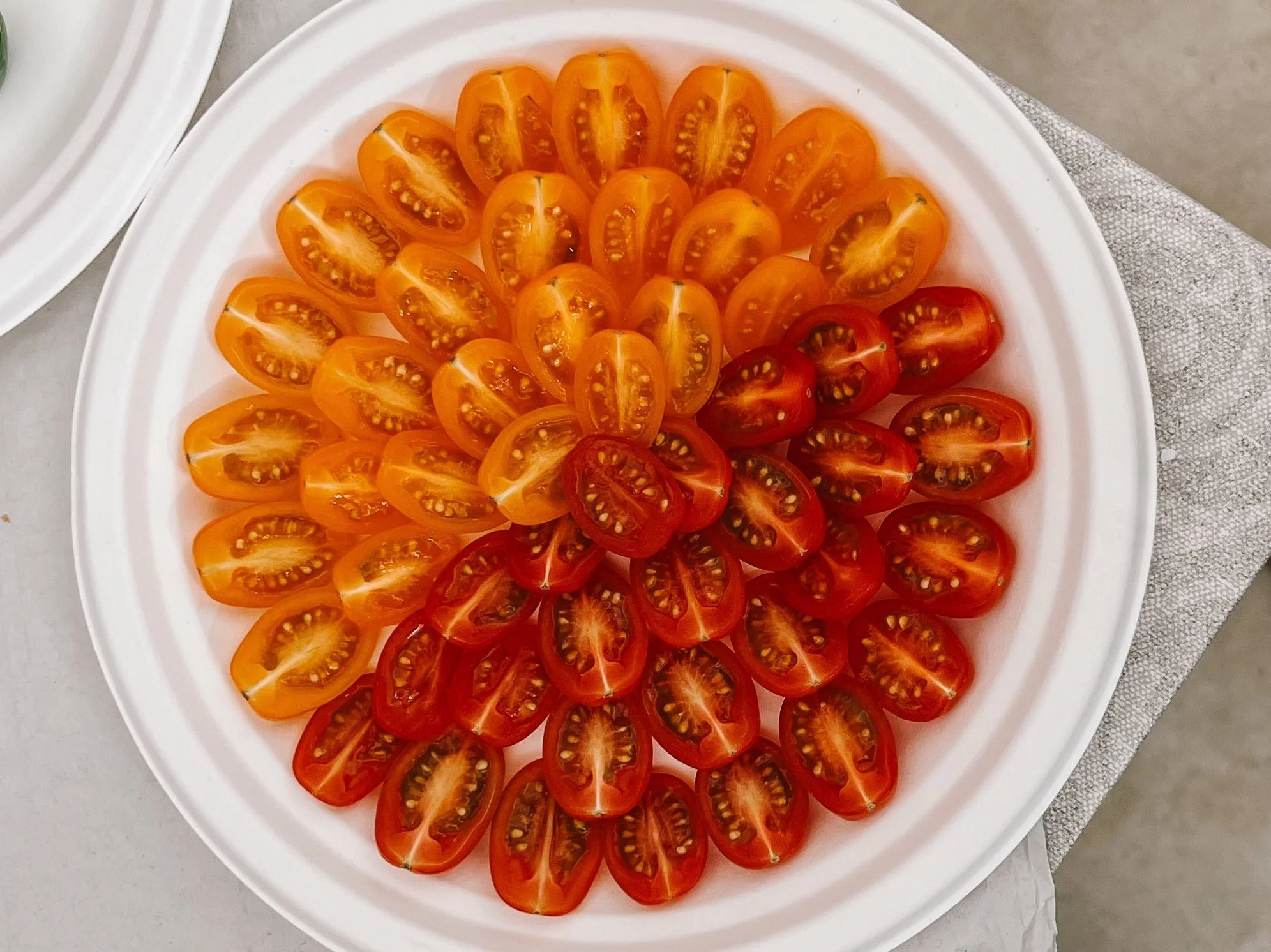
Freshly prepared for tasting towards the end of the tour
A Family Business, Passed Down Through Generations
The greenhouses in Almería are often family-run businesses that are passed down through several generations. The owner of this business also shares more about her personal journey.
"My parents were illiterate," she reports. "They never attended school. Their biggest concern was feeding our family." At that time, what was needed was grown - not with the goal of harvesting high-quality or organically produced vegetables, but simply to fill the stomach. She herself completed elementary school and says, "That's my degree." After that, she started working early to help support the family. "Maybe I earned seven euros a day - that was a lot of money for us back then."
Today, much has changed. The greenhouses have evolved, and with them, the demands of production. "Hunger is no longer the reason I grow vegetables today. I'm interested in sustainable agriculture and good quality. The goal is to produce a product that is both ecologically sensible and of high quality." The region's climatic conditions pose a constant challenge. "I can't change them. And yet we have a responsibility - we must contribute to feeding Europe."
Looking to the future, the owner is optimistic. Her two sons, now the third generation in the business, have studied in this field and bring new knowledge and modern approaches to the work.
A Look Back - And Forward
As we later drove through the region, we noticed many workers traveling on bicycles and e-scooters - probably on their way home after a long workday. It was clear to see how many people are involved in the greenhouses here every day, contributing to food production and making a valuable contribution to Europe's supply of fresh food.
In the short time we had, we couldn't get to know the origins, personal stories, or working conditions of these people in detail. The hard work and dedication they show deserve our deep respect and recognition. The greenhouses of Almería are far more than just places of agricultural production. They represent a remarkable adaptability to nature's challenges, the evolution over generations, and the dedication with which people devote themselves to the task of feeding the world. Visiting such a business can bring us a whole new understanding of the origins and value of our food.
Our thanks go to all the people in Almería who, with their work and commitment, make a crucial contribution to ensuring that fresh, high-quality food ends up in our supermarkets and on our tables. Thank you, Almería.
Thank you for having us!
Useful Links
- Website of the greenhouse we visited. Please note that reservations are only possible by telephone.
- The greenhouse landscape from above on Google Maps
With 🐿️ by Evelyne
Von wo kommt das Gemüse in unserem Supermarkt?
Produziert in Spanien – so oder ähnlich steht es auf vielen Gemüsesorten, die wir in der Schweiz im Supermarkt finden. Doch was bedeutet das eigentlich genau? Woher stammt dieses Gemüse konkret, wie wird es angebaut und wer sind die Menschen hinter dieser Arbeit?
Unsere Reise durch Spanien führte uns an der Region Almería vorbei – eine landschaftlich eindrucksvolle Gegend, die zugleich durch ein riesiges Netz an Gewächshäusern geprägt ist. Diese Gewächshauslandschaft ist so weitläufig, dass sie sogar auf Satellitenbildern als große weiße Fläche sichtbar ist. In Europa leben derzeit (Stand April 2025) rund 720 Millionen Menschen – und alle benötigen Zugang zu Nahrungsmitteln. Dafür braucht es eine zuverlässige Versorgung durch Landwirtschaftsbetriebe, die auch unter anspruchsvollen Bedingungen Anbau betreiben können (Quelle).
Während unseres Aufenthalts in Almería erhielten wir die Möglichkeit, eines der Gewächshäuser zu besichtigen. Im Rahmen einer Führung lernten wir viel über die Funktionsweise dieser Betriebe – und darüber, wie viel Wissen, Planung und Engagement in jedem einzelnen Gemüse stecken, das schließlich in unseren Regalen landet. Einige Eindrücke möchten wir hier teilen – in der Hoffnung, ein besseres Verständnis für diese Form der Landwirtschaft zu vermitteln und Interesse daran zu wecken, sich bei Gelegenheit selbst ein Bild vor Ort zu machen.
Die nachfolgenden Informationen basieren überwiegend auf der Führung durch das Gewächshaus. Ergänzende Fakten wurden aus öffentlich zugänglichen Quellen ergänzt und entsprechend gekennzeichnet. Unser Ziel ist es, die gewonnenen Eindrücke möglichst sachlich wiederzugeben – als persönliche Beobachtungen ohne bewertenden Charakter. Die Führung fand auf Englisch statt, teils mit sprachlichen Hürden, doch wir haben uns bemüht, die Inhalte so präzise wie möglich aufzubereiten. Eine Teilnahme können wir sehr empfehlen.
Satellitenansicht aus Google Maps
Die klimatischen Voraussetzungen in Almería
Um zu verstehen, wie sich die Region Almería entwickelt hat und warum die Bauern ihr Gemüse heute auf diese Weise anbauen, muss man die klimatischen Bedingungen betrachten, die Almería den Menschen vor Ort bietet. Almería ist nämlich keineswegs der beste Standort der Welt, um Gemüse anzubauen. Die Region ist geprägt von starkem Wind, intensiver Sonneneinstrahlung und sehr geringen Niederschlägen.
Vor allem der Wind stellte die Bewohner lange Zeit vor große Herausforderungen, denn unter diesen klimatischen Bedingungen wollte das Gemüse zunächst nicht richtig gedeihen. Doch die Menschen wurden kreativ – und wurden für ihre Innovationskraft belohnt. Mit dem Einsatz von Gewächshäusern gelang es erstmals, dem Wind entgegenzuwirken und damit erfreuliche Ernten zu erzielen.
Diese Gewächshäuser wurden über die Jahre und über Generationen hinweg stetig weiterentwickelt und optimiert. Heute sind sie aus der Region kaum mehr wegzudenken. Dabei spielen die klimatischen Bedingungen nach wie vor eine wichtige Rolle, auch wenn das Gemüse im geschützten Raum heranwächst. Die Menschen vor Ort haben ihre Gewächshäuser nämlich so gut an das Klima angepasst, dass sie inzwischen davon profitieren.
So stellt der starke Wind heute einen entscheidenden Vorteil für das Pflanzenwachstum dar: Er sorgt für einen kontinuierlichen Luftaustausch in den Gewächshäusern und verhindert, dass sich zu viel Feuchtigkeit ansammelt. Durch regulierbare Dächer können die Landwirte zudem Temperatur und Luftqualität gezielt steuern. Auch die Sonneneinstrahlung wird heute optimal genutzt. Das Plastikdach der Gewächshäuser wirkt nicht als Barriere, sondern nimmt die Sonnenstrahlung auf und verteilt Licht sowie Wärme gleichmäßig im Inneren des Raums – so zumindest erklärt es uns die Gemüseanbauerin und Inhaberin des Gewächshauses.
Warum Kunststoff?
Die Wahl des Materials – Kunststoff statt Glas – hat mehrere Gründe. Einerseits ist es eine Kostenfrage: Glashäuser wären deutlich teurer im Bau. Viel entscheidender ist jedoch die Wirkung auf die Pflanzen. Die Transmission (wie Licht durch Kunststoff dringt) hat sich als förderlich für das Wachstum der Pflanzen erwiesen. Alle drei Jahre wird das Dachmaterial ersetzt, da es mit der Zeit an Qualität verliert, was sich wiederum auf die Pflanzen auswirkt. Das alte Material wird in ein umfangreiches Recyclingsystem eingespeist, aus dem unter anderem Transportkisten, Pflanztöpfe und weiteres Arbeitsmaterial für die Gewächshäuser entstehen.
Ein Besuch im Gewächshaus
Das Betreten eines Gewächshauses gleicht dem Eintritt in eine andere Welt. Schon der erste Schritt erfolgt kontrolliert – über ein ausgeklügeltes Sicherheitssystem, bei dem die Sohlen sorgfältig desinfiziert werden. Kein Schädling, kein Keim soll von außen in dieses empfindliche Ökosystem eindringen. Und dann öffnet sich die Tür – und mit ihr ein Paradies für die Sinne.
Ein warmer, süßer Duft liegt in der Luft – nach reifen Paprikas, die in leuchtenden Rot-, Orange- und Gelbtönen wie kleine Laternen zwischen dem satten Grün schimmern. Wer einen Moment inne hält, nimmt das leise, gleichmäßige Brummen wahr – und mit etwas Geduld entdeckt man sie: kleine, pelzige Hummeln, die geschäftig von Blüte zu Blüte summen, als wären sie die wahren Gärtner dieses Ortes.
Das Gemüse fühlt sich frisch und lebendig in den Händen an. Und wenn man hineinbeißt – direkt, ohne Zwischenlagerung, ohne Transportwege – erkennt man, was Frische wirklich bedeutet. „Stell mal einen Apfel zwei Wochen in den Gefrierschrank“, sagt eine lachende Mitarbeiterin, „und iss ihn dann. Sag mir, ob er noch genauso schmeckt wie vorher.“ Und vielleicht versteht man in diesem Moment, warum es so schwer ist, dass Gemüse im Supermarkt noch so schmeckt wie hier – direkt vom Strauch, inmitten der Wärme, dem Licht und dem leisen Summen eines kleinen Wunderwerks moderner Landwirtschaft. Es ist eine Herausforderung.
Paprikas, die wie kleine Laternen leuchten
Biologische Schädlingsbekämpfung
Ja, du hast richtig gehört! In diesen Gewächshäusern leben tatsächlich kleine, pelzige Hummeln. Sie sind weit mehr als nur putzige Besucher – sie übernehmen eine zentrale Rolle in diesem fein abgestimmten Ökosystem. Als natürliche Bestäuber sorgen sie dafür, dass die Pflanzen überhaupt Früchte tragen können.
Doch die Hummeln sind nicht allein. Neben ihnen tummeln sich zahlreiche weitere faszinierende Insektenarten, die hier für die natürliche Schädlingsbekämpfung spezifisch eingesetzt werden. Chemische Schädlingsbekämpfung gehört in diesem Gewächshaus längst der Vergangenheit an. „So ist es mittlerweile in allen Betrieben der Region“, erklärt die Inhaberin. „Schade nur“, sagt sie nachdenklich, „dass viele Menschen in Europa das gar nicht wissen. Ich wünschte, sie alle würden einmal mein Gewächshaus besuchen.“ Natürlich wäre es auch für uns spannend gewesen, weitere Gewächshäuser in der Region zu besuchen. Doch das ist leichter gesagt als getan – denn es ist ein echtes Privileg, dass diese Familie überhaupt Einblicke gewährt. Führungen wie diese sind selten. Umso wertvoller ist es, dass sie bereit sind, ihre Arbeit, ihr Wissen und ihre Leidenschaft mit der Außenwelt zu teilen.
Umgang mit knappen Wasserressourcen
Auch abseits der sichtbaren Pflanzenpracht hat die Forschung in den vergangenen Jahren enorme Fortschritte gemacht. Mit spürbarer Leidenschaft erklärt uns die Inhaberin das ausgeklügelte Wassersystem in ihren Gewächshäusern. Das Gemüse wächst bei ihr längst nicht mehr in gewöhnlicher Erde, sondern in kleinen, recycelten Plastikkästen, gefüllt mit hochwertigen Kokosfasern.
Diese Methode hat gleich mehrere Vorteile: Zum einen benötigen die Pflanzen deutlich weniger Wasser, da kaum etwas im Boden versickern kann. Zum anderen wird das überschüssige Wasser, das aus den Kästen abfließt, in einer schmalen Rinne aufgefangen, anschließend gefiltert – und erneut zur Bewässerung verwendet.
Wasserknappheit ist eines der drängendsten Probleme in der Region Almería. Die Inhaberin schaut ernst, als sie sagt: „Wenn ich heute noch so pflanzen und wässern würde wie meine Eltern früher – dann gäbe es in dieser Region kaum noch Wasser.“ Sie macht eine Pause. „Wir mussten erfinderisch werden. Unsere Gewächshäuser sind ständig im Wandel.“
Frisch vorbereitet zum Probieren gegen Ende der Führung
Familienbetrieb mit Geschichte
Die Gewächshäuser in Almería sind häufig Familienbetriebe, die über mehrere Generationen hinweg weitergegeben werden. Auch die Inhaberin dieses Betriebs erzählt uns mehr über ihren persönlichen Werdegang.
„Meine Eltern waren Analphabeten“, berichtet sie. „Sie haben nie eine Schule besucht. Ihre größte Sorge war es, unsere Familie zu ernähren.“ In jener Zeit wurde angebaut, was nötig war – nicht mit dem Ziel, qualitativ hochwertiges oder ökologisch erzeugtes Gemüse zu ernten, sondern schlicht, um satt zu werden. Sie selbst hat die Grundschule abgeschlossen und sagt: „Das ist mein Titel.“ Danach arbeitete sie früh mit, um die Familie zu unterstützen. „Vielleicht habe ich sieben Euro am Tag verdient – das war damals viel Geld für uns.“
Heute hat sich vieles verändert. Die Gewächshäuser haben sich weiterentwickelt, und mit ihnen auch die Ansprüche an die Produktion. „Hunger ist nicht mehr der Grund, weshalb ich heute Gemüse anbaue. Ich interessiere mich für nachhaltige Landwirtschaft und gute Qualität. Ziel ist es, ein Produkt zu erzeugen, das sowohl ökologisch sinnvoll als auch hochwertig ist.“ Die klimatischen Bedingungen der Region stellen dabei eine konstante Herausforderung dar. „Ändern kann ich sie nicht. Und dennoch tragen wir eine Verantwortung – wir müssen dazu beitragen, Europa mit Lebensmitteln zu versorgen.“
Mit Blick auf die Zukunft zeigt sich die Inhaberin zuversichtlich. Ihre beiden Söhne, inzwischen die dritte Generation im Betrieb, haben in diesem Bereich studiert und bringen neues Wissen und moderne Ansätze in die Arbeit mit ein.
Ein Blick zurück - und vorwärts
Als wir später im Auto durch die Region fuhren, fielen uns viele Arbeiter auf, die mit Fahrrädern und E-Scootern unterwegs waren – vermutlich auf dem Heimweg nach einem langen Arbeitstag. Es war deutlich sichtbar, wie viele Menschen hier täglich in den Gewächshäusern tätig sind, ihren Teil zur Lebensmittelproduktion leisten und dabei einen wertvollen Beitrag zur europäischen Versorgung mit frischen Nahrungsmitteln leisten.
In der kurzen Zeit, die uns zur Verfügung stand, konnten wir weder ihre Herkunft noch die persönlichen Geschichten oder die Arbeitsbedingungen dieser Menschen im Detail kennenlernen. Die harte Arbeit und das Engagement, das sie zeigen, verdienen von uns tiefen Respekt und Anerkennung.
Die Gewächshäuser von Almería sind weit mehr als nur Orte der landwirtschaftlichen Produktion. Sie stehen für eine bemerkenswerte Anpassungsfähigkeit an die Herausforderungen der Natur, für die Weiterentwicklung über Generationen hinweg und für die Hingabe, mit der Menschen sich der Aufgabe widmen, die Welt mit Nahrung zu versorgen. Ein Besuch eines solchen Betriebs kann uns das Verständnis für die Herkunft und den Wert unserer Lebensmittel auf eine ganz neue Weise näherbringen.
Unser Dank gilt allen Menschen in Almería, die mit ihrer Arbeit und ihrem Engagement einen entscheidenden Beitrag dazu leisten, dass frische, hochwertige Lebensmittel in unseren Supermärkten und auf unseren Tischen landen. Danke Almería.

Nützliche Links
- Website des Gewächshauses, das wir besucht haben. Reservationen sind nur telefonisch möglich.
- Die Gewächshauslandschaft von oben auf Google Maps
Mit 🐿️ von Evelyne
Written by

Illustrator, writer & barista
Evelyne Buttet likes African wildlife and everything that can fly or lives above the tree line.