
September 14, 2026
Spending Winter in Greece: Our Vanlife Adventure, What It's Really Like, The Weather, Camping
Überwintern im Van in Griechenland: Kosten, Wetter, Freistehen & unsere Erfahrungen
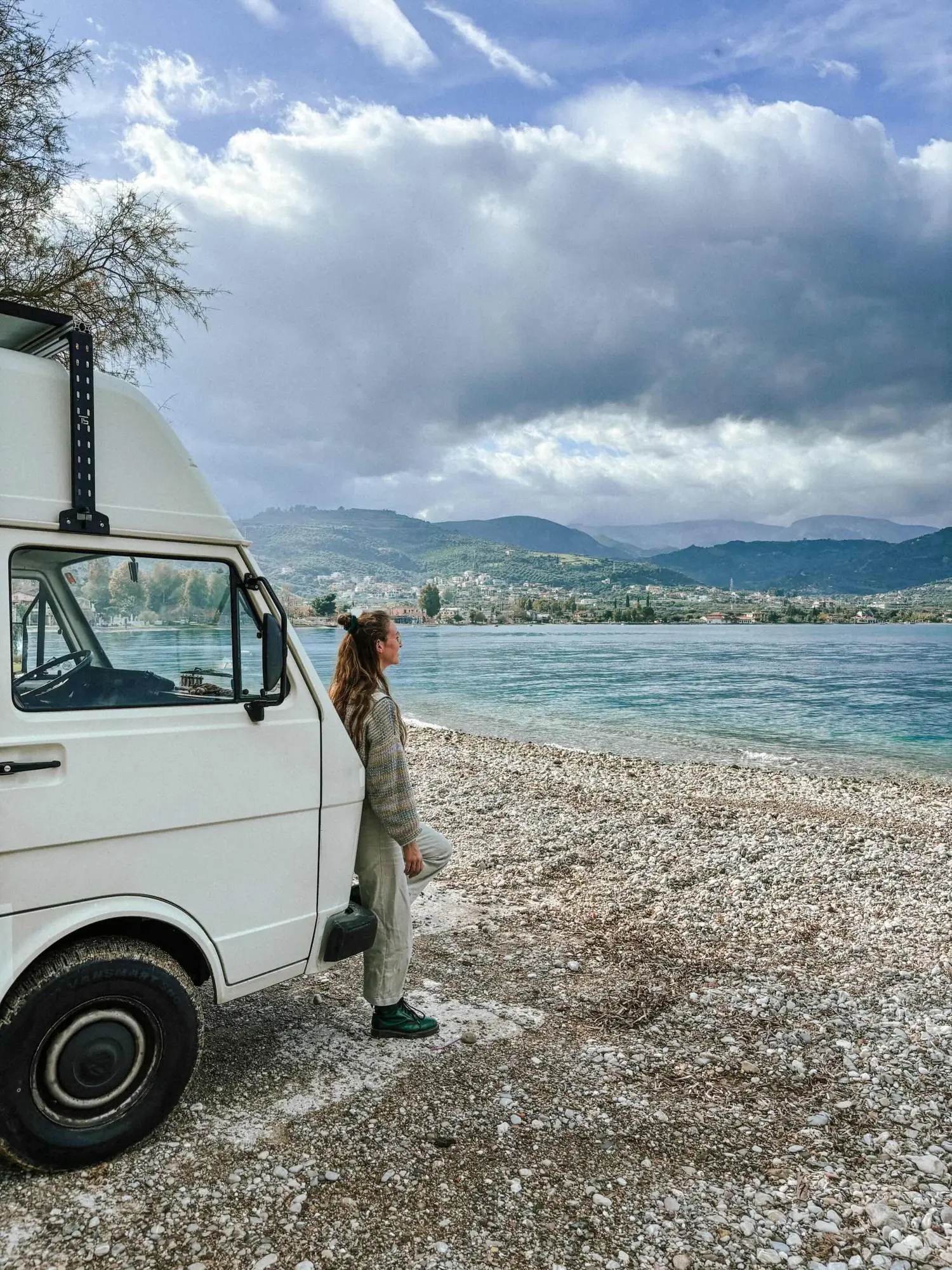
Last winter, from December to March, we packed up our off-grid camper Humbär and headed south to Greece. It didn't take long for Greece to become our all-time favorite country for vanlife. In this post we're sharing the whole story, from the people we met to the adventures we stumbled into along the way. And if you're dreaming about spending a winter in Greece in your own van, we hope it gives your trip planning a little head start.
Where did we go? Our route through Greece
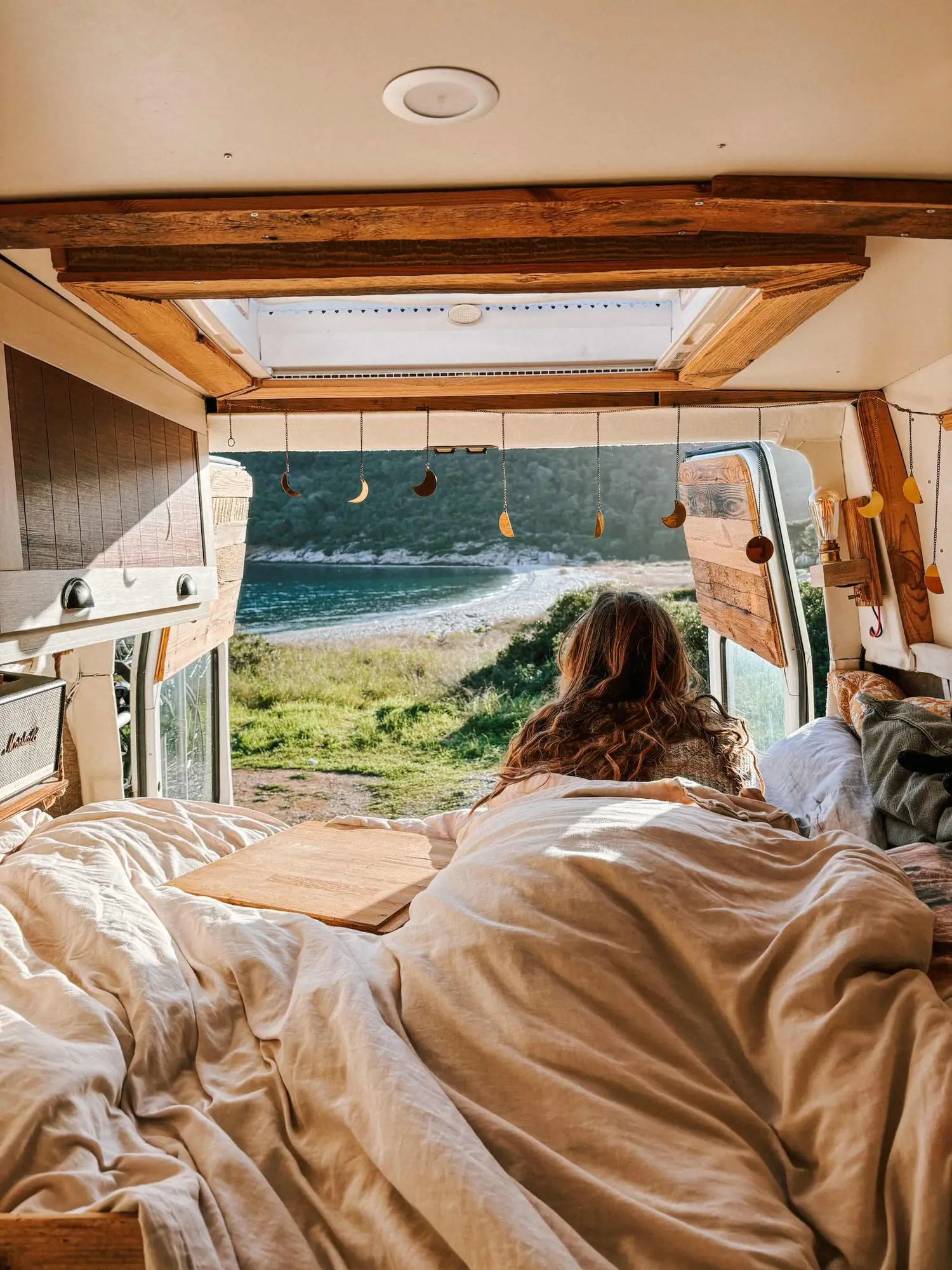
We caught the ferry from Ancona, Italy, to Igoumenitsa, Greece, and from there we meandered our way down toward Patras and over onto the Peloponnese.
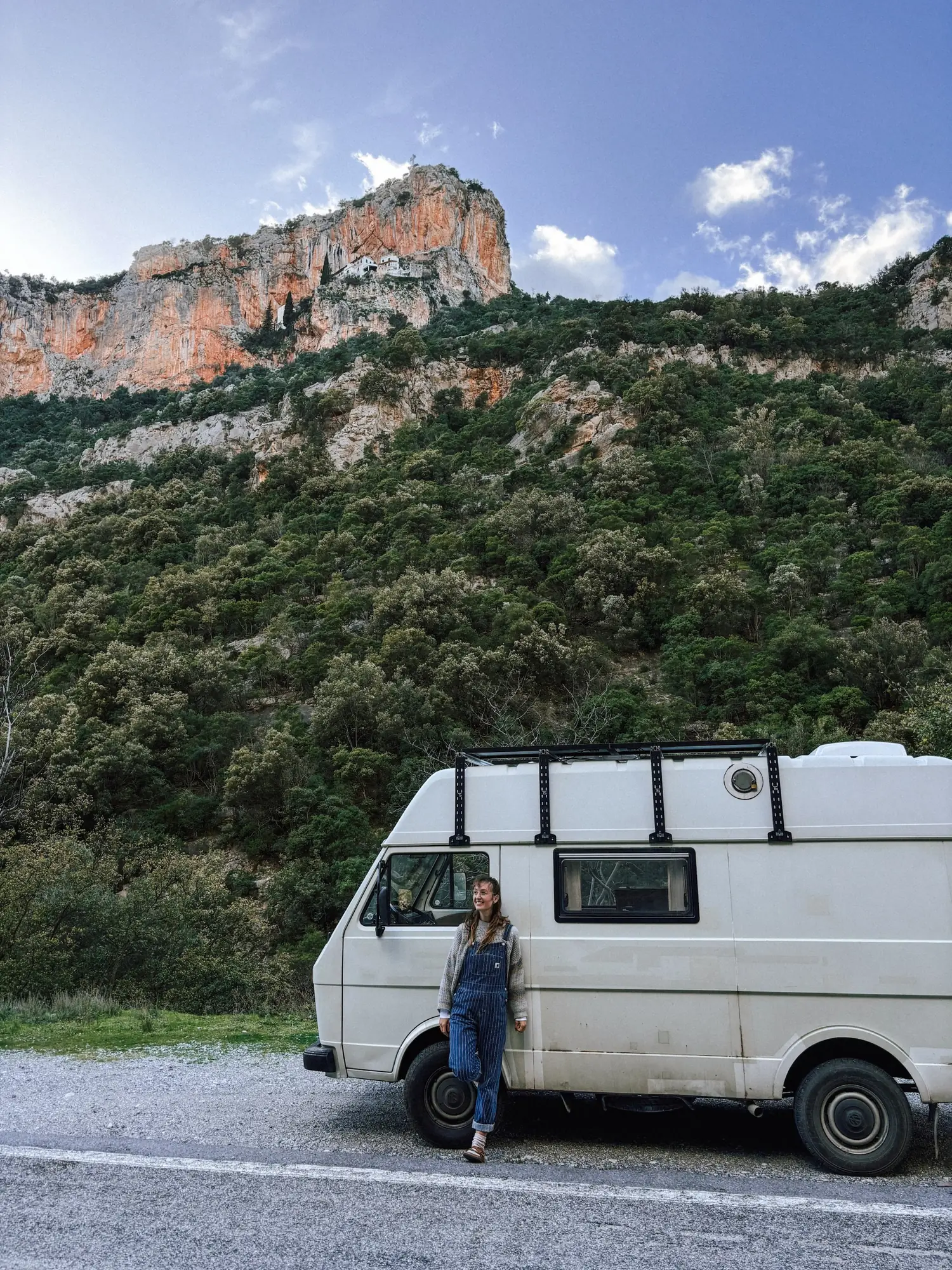
The original plan? Take it easy along the west coast and explore every single "finger" of the Peloponnese. The west coast had other ideas, though, and served up a whole string of rainy days. So we changed course, drove east all the way to Corinth, and slowly worked our way south from there. That's no coincidence: the western side of the Peloponnese soaks up most of the winter rain, while the Taygetos and Parnon mountain ranges keep the east tucked away in their rain shadow. So if you're hunting for winter sunshine, heading east is usually a safe bet.
Here's roughly how the route played out:
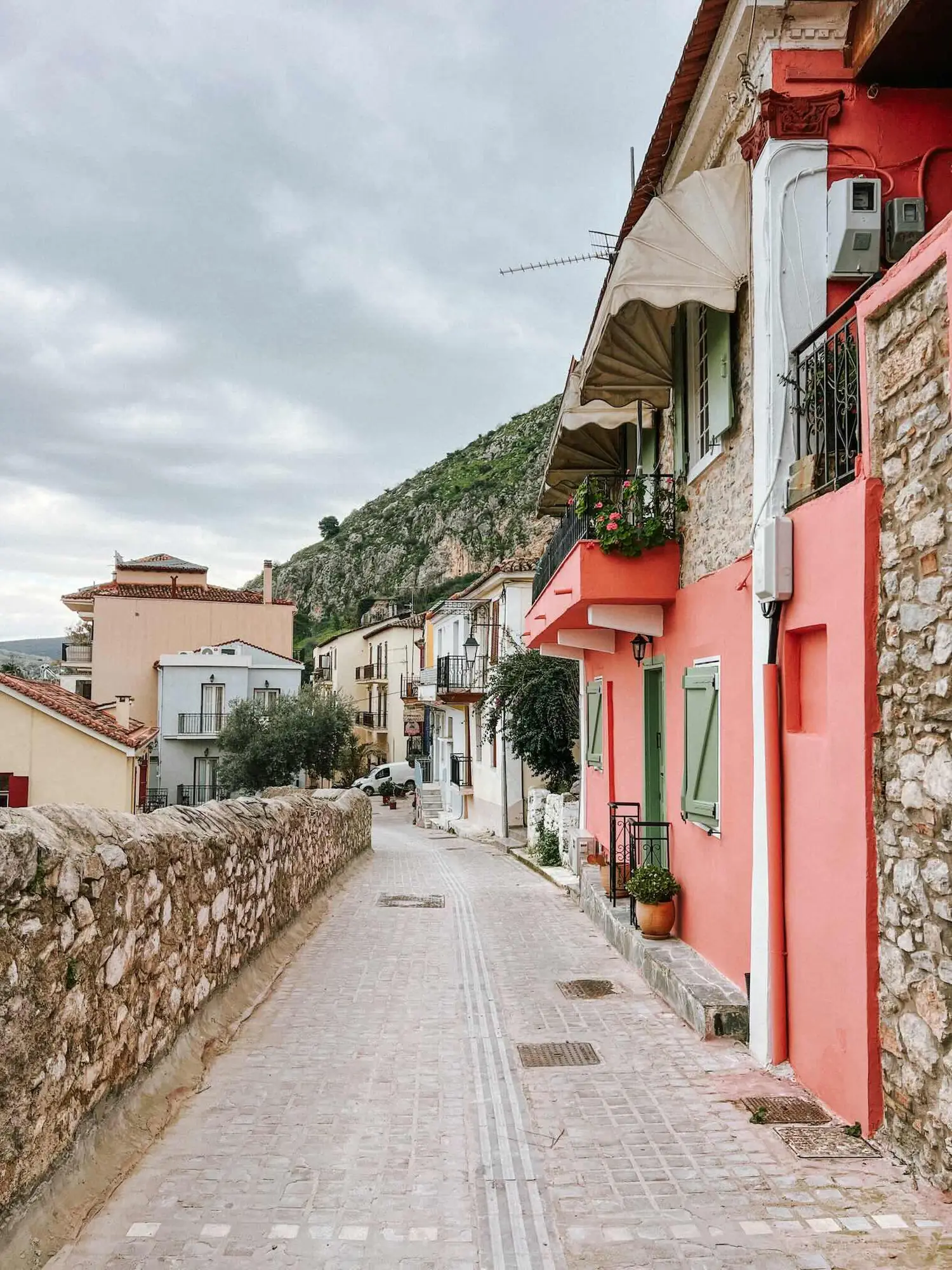
Corinth → Epidaurus → Methana → Nafplio → Leonidio → Monemvasia → Elafonisos → Gytheio
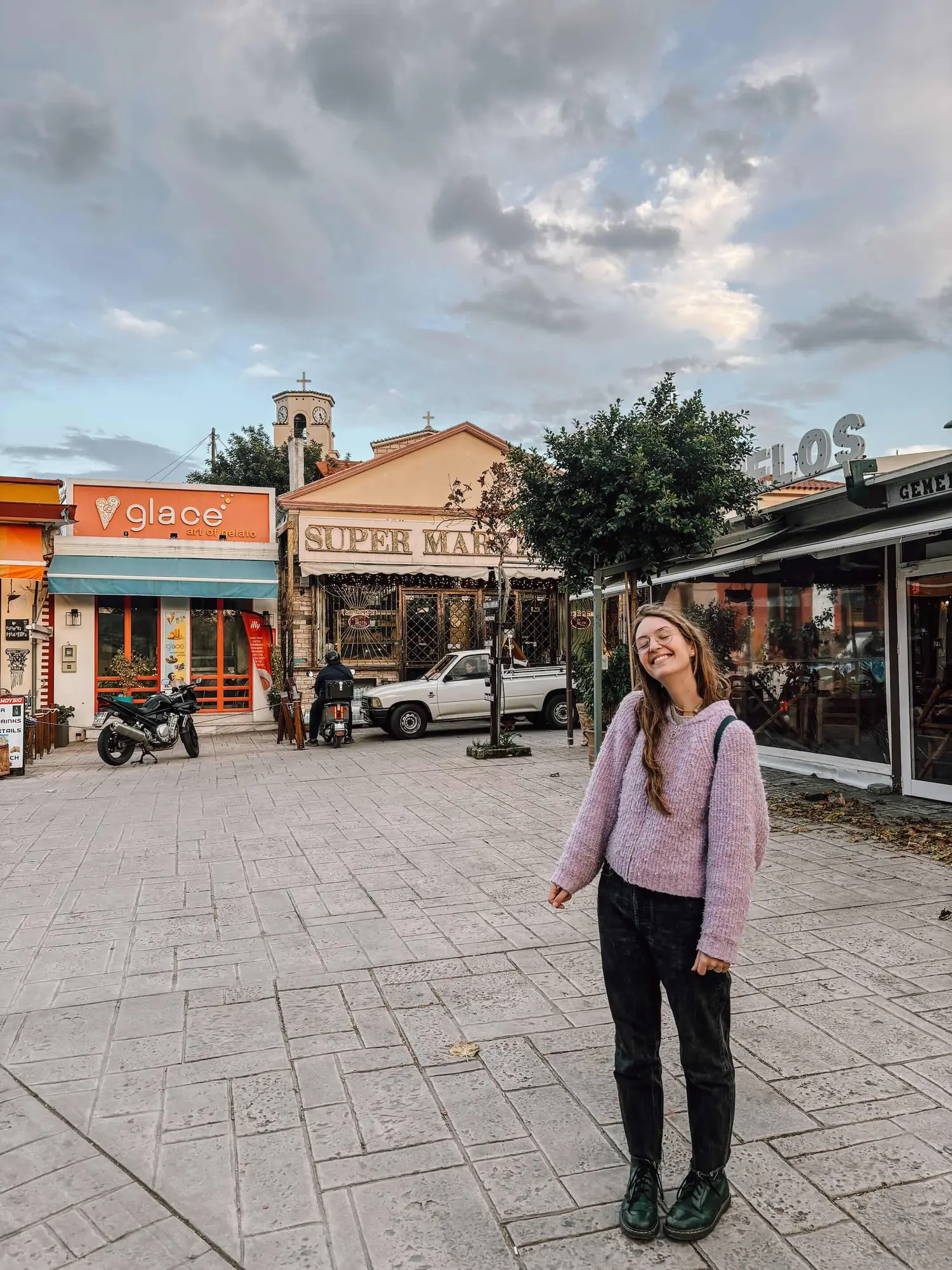
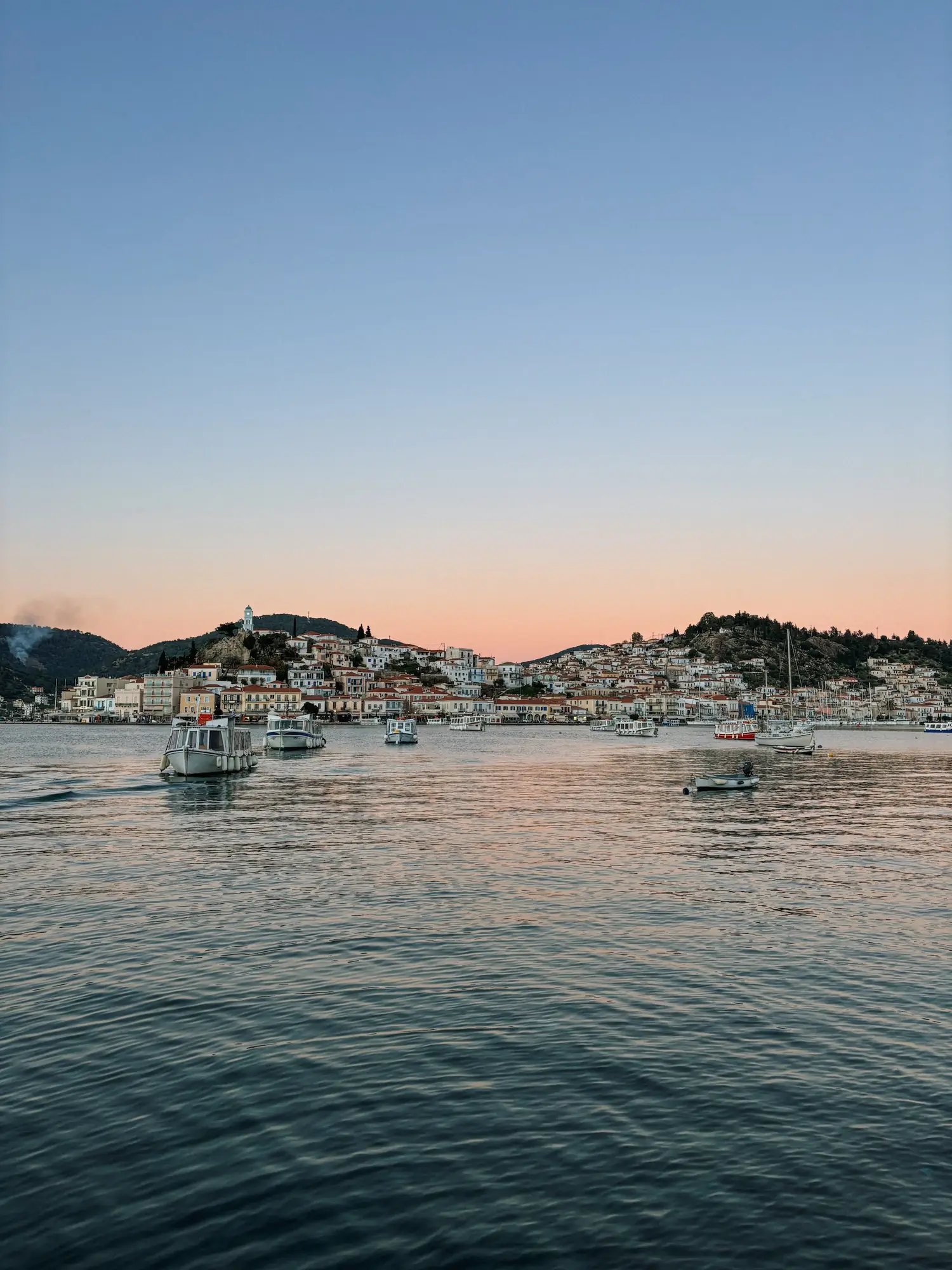
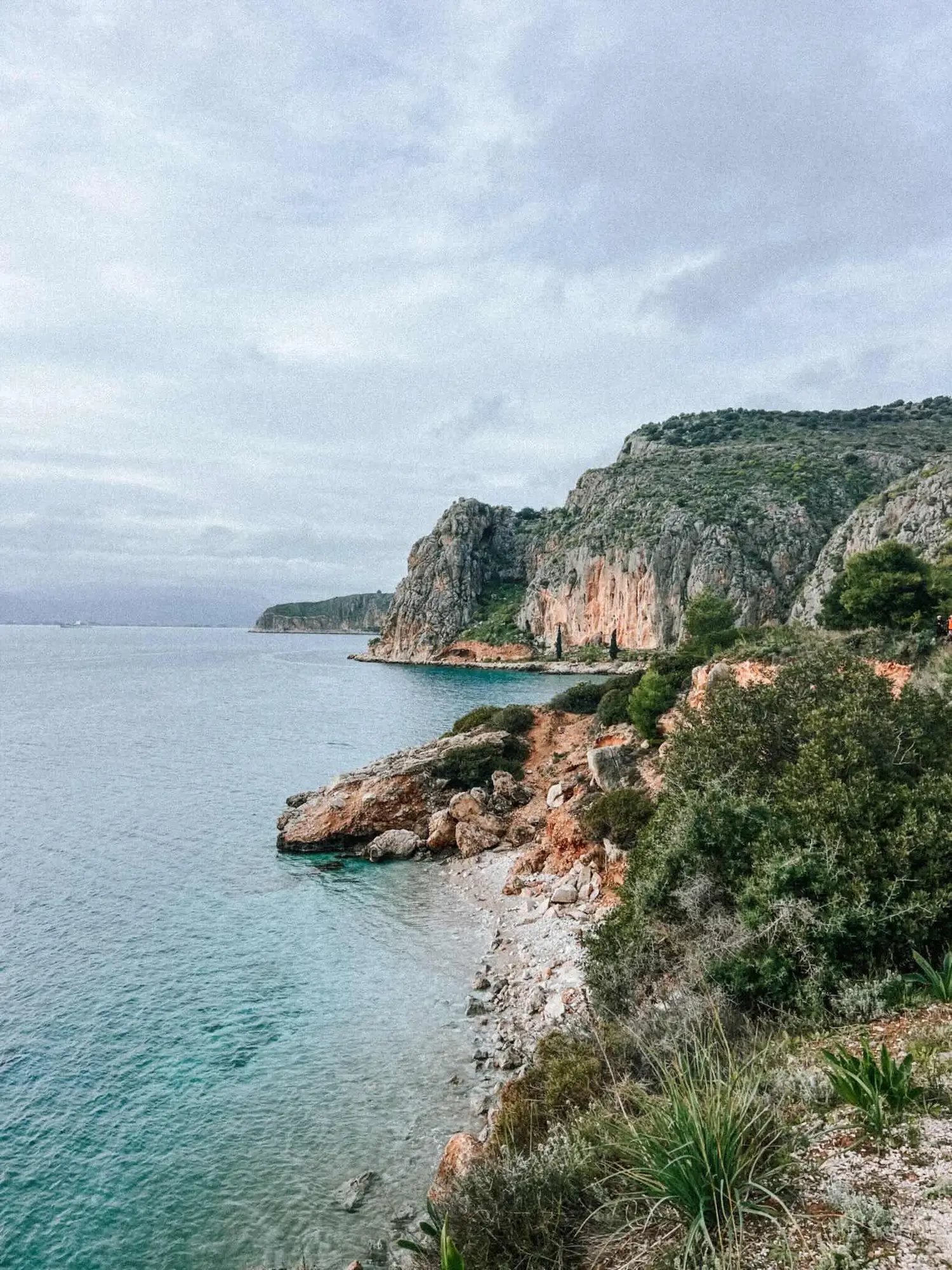
From Elafonisos we pushed on a little further to Gytheio, then looped back via Leonidio and pointed Humbär toward Athens.
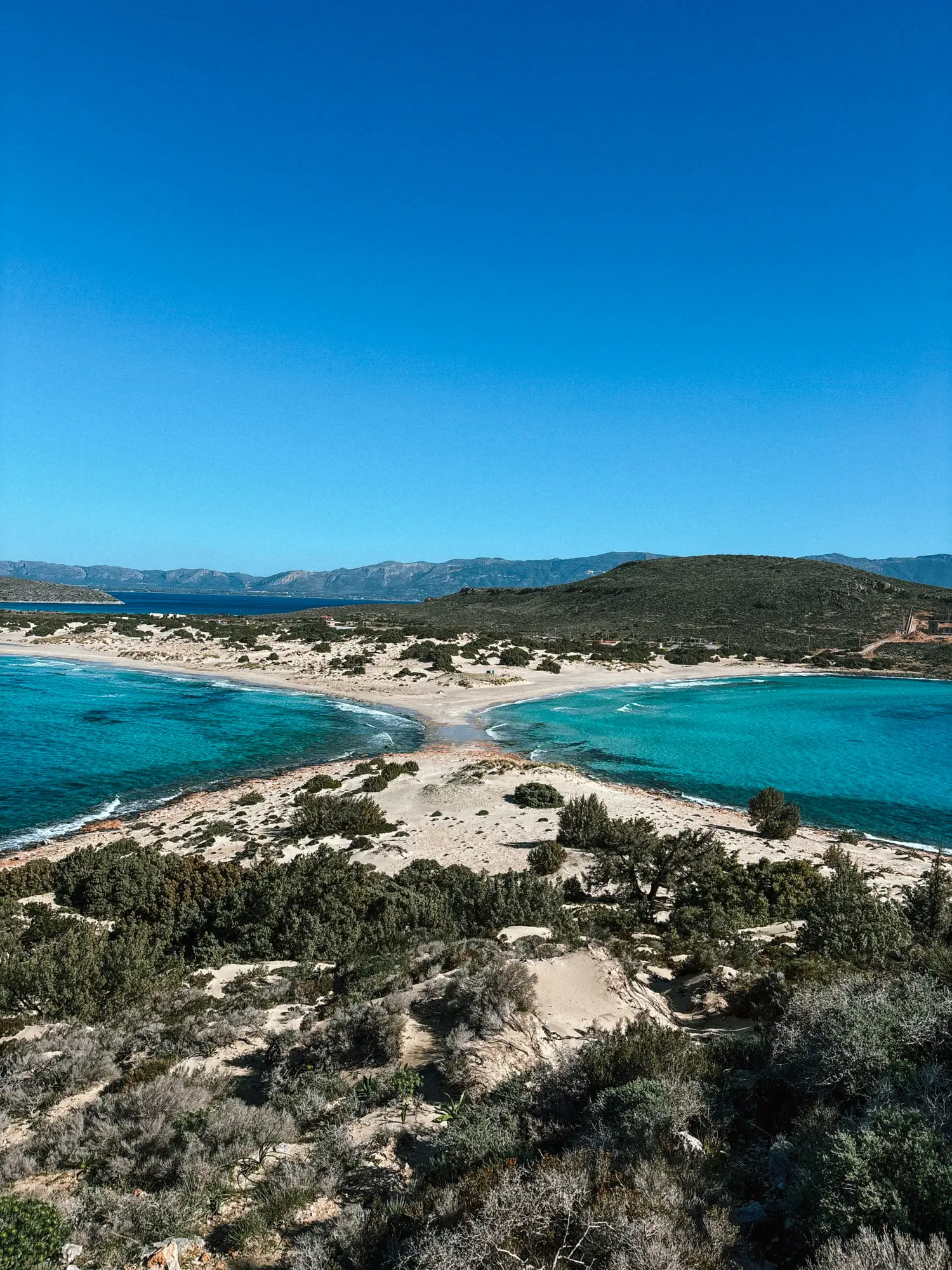
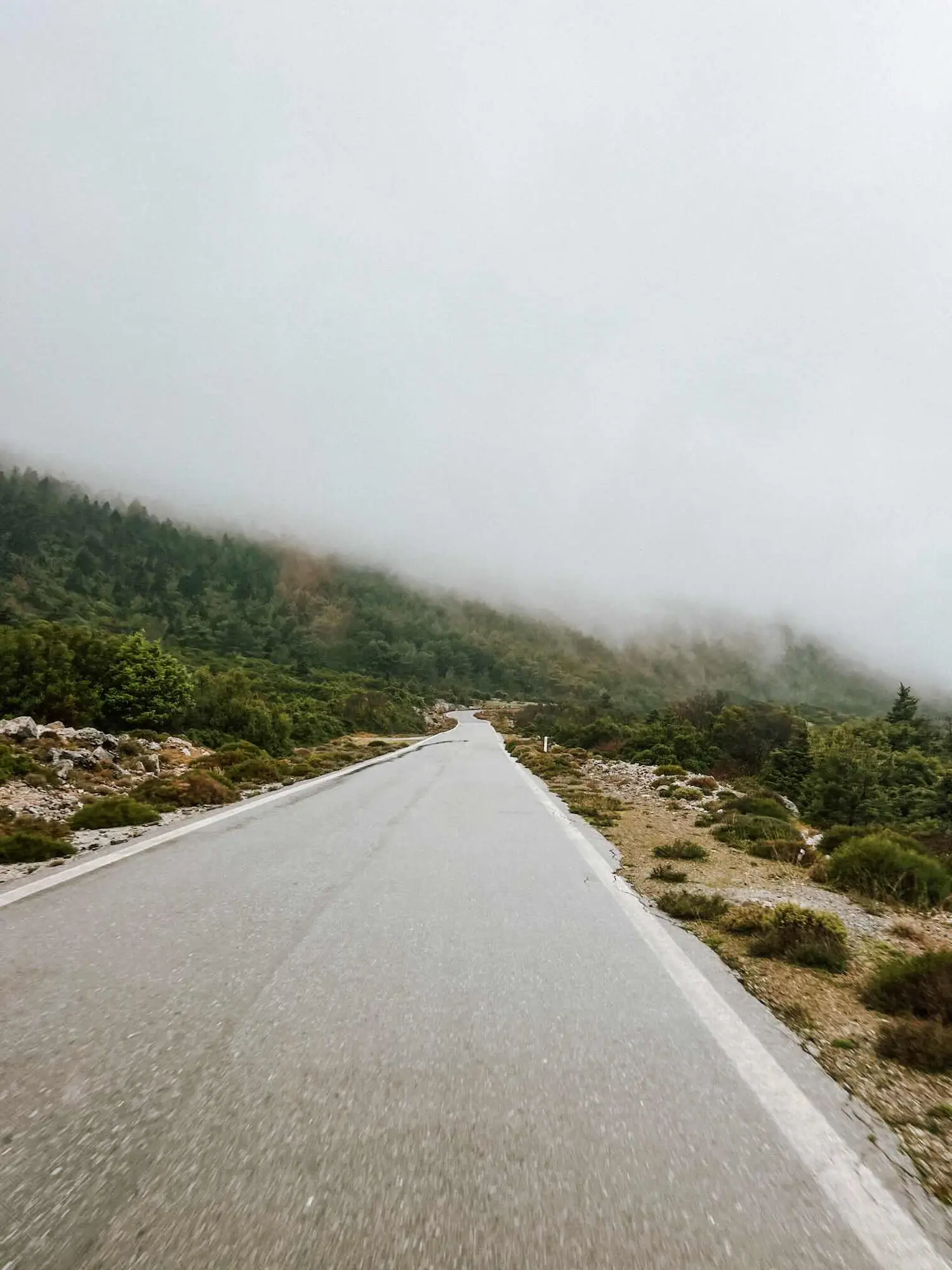
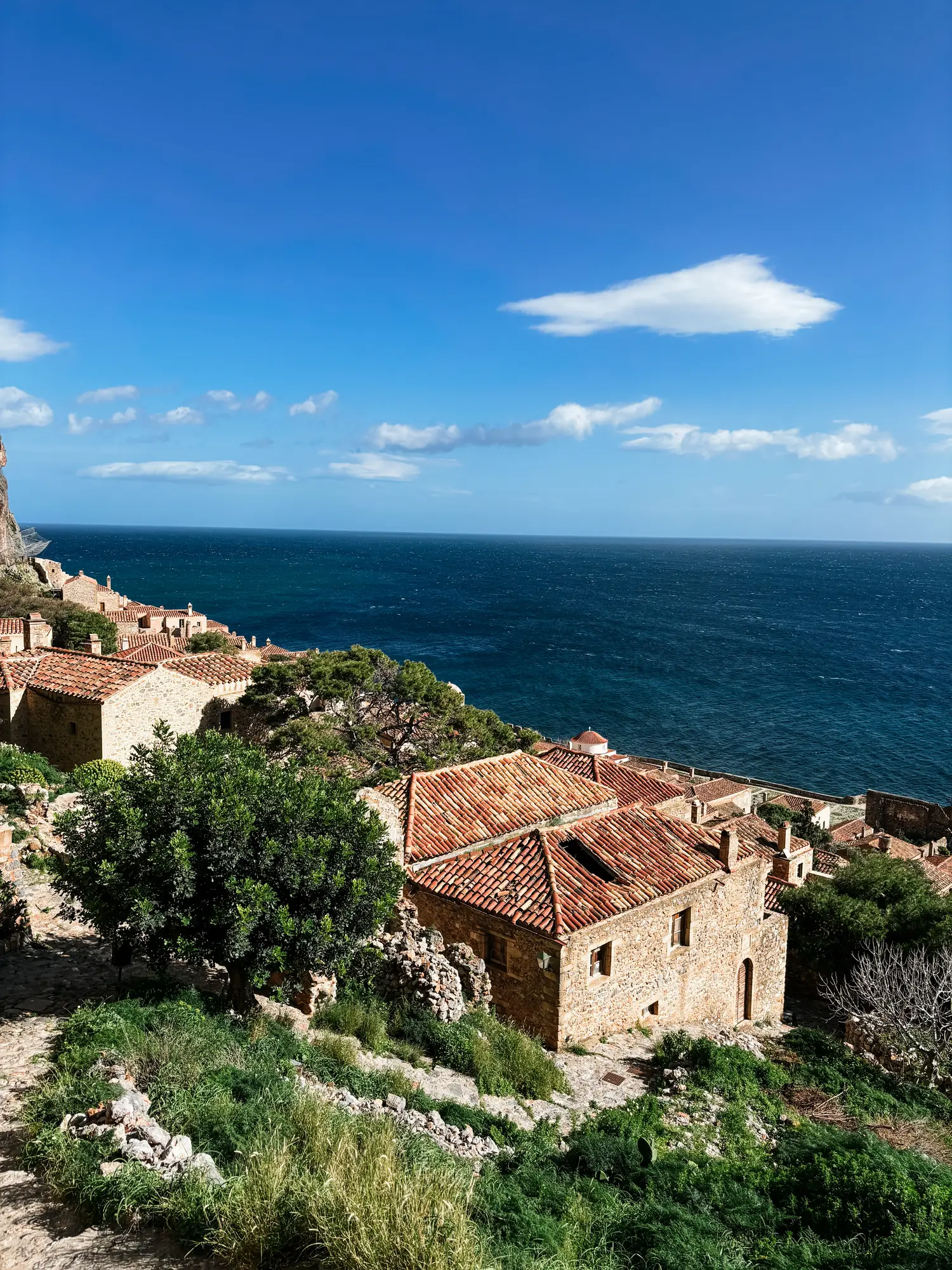
Vanlife favorites: Leonidio
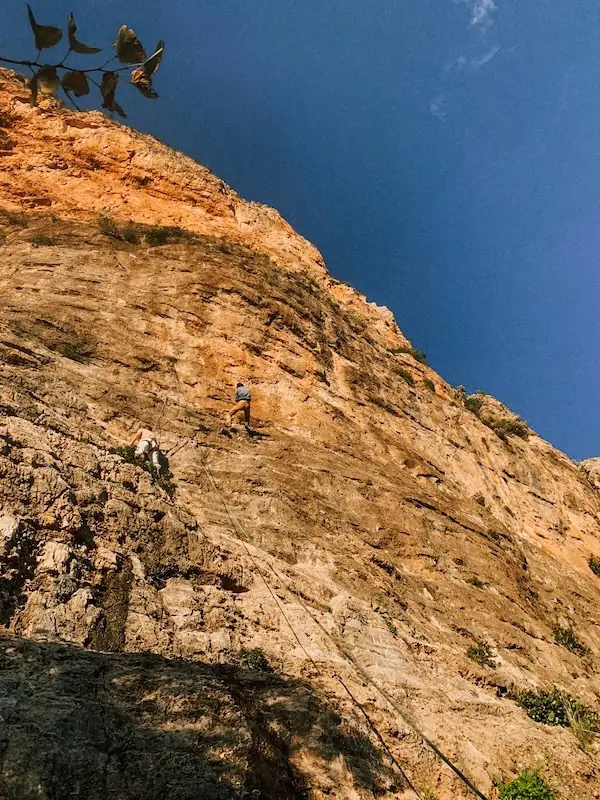
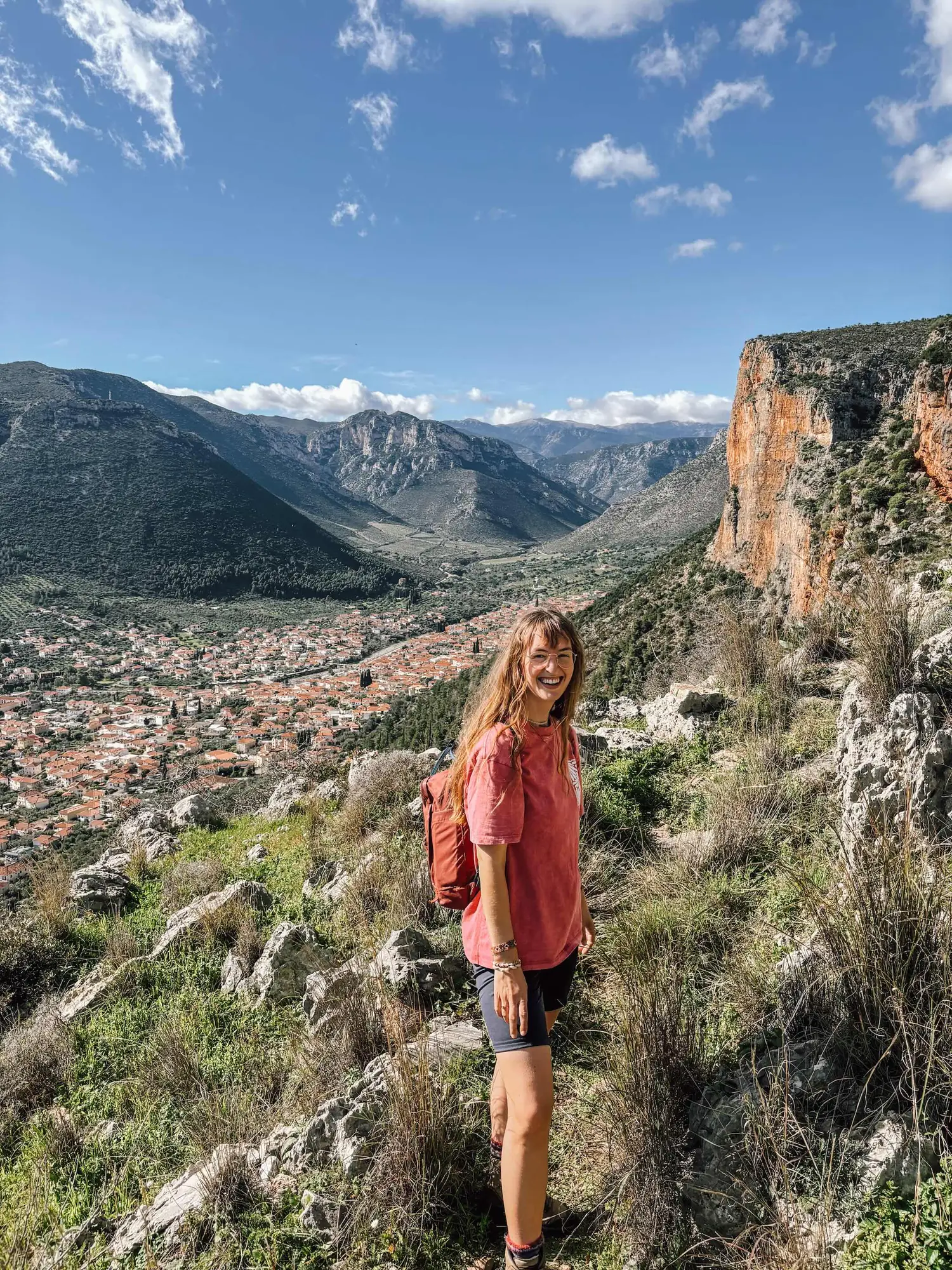
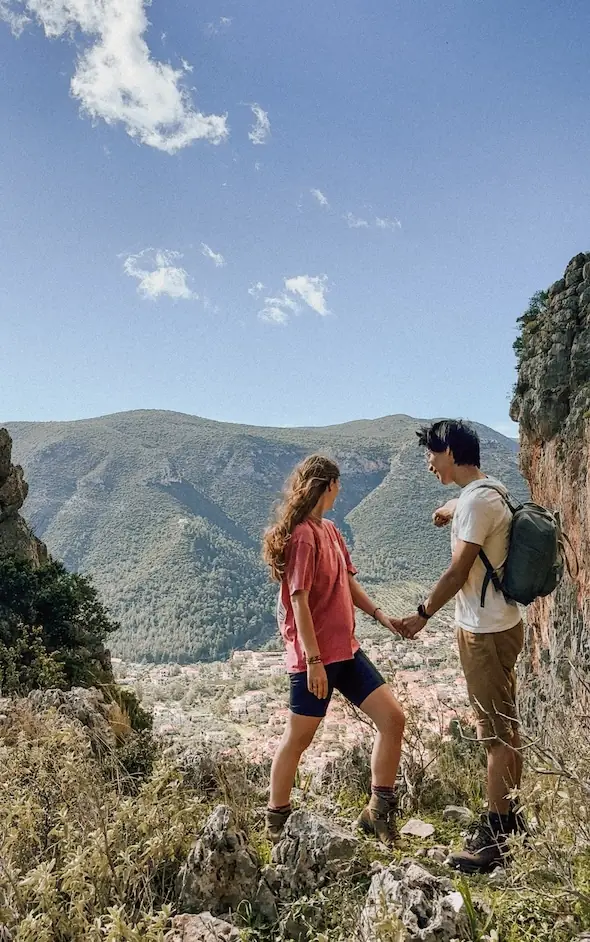
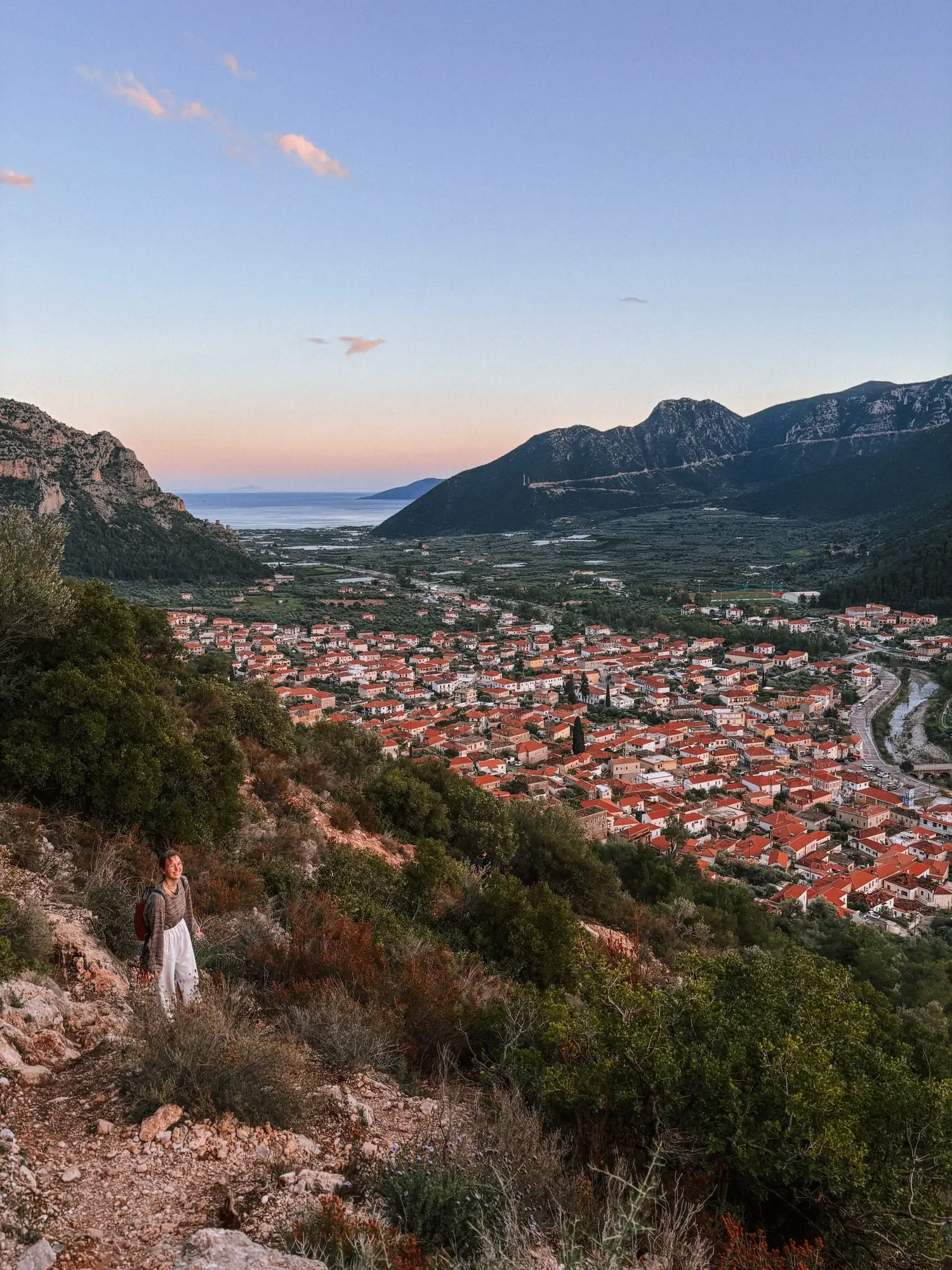
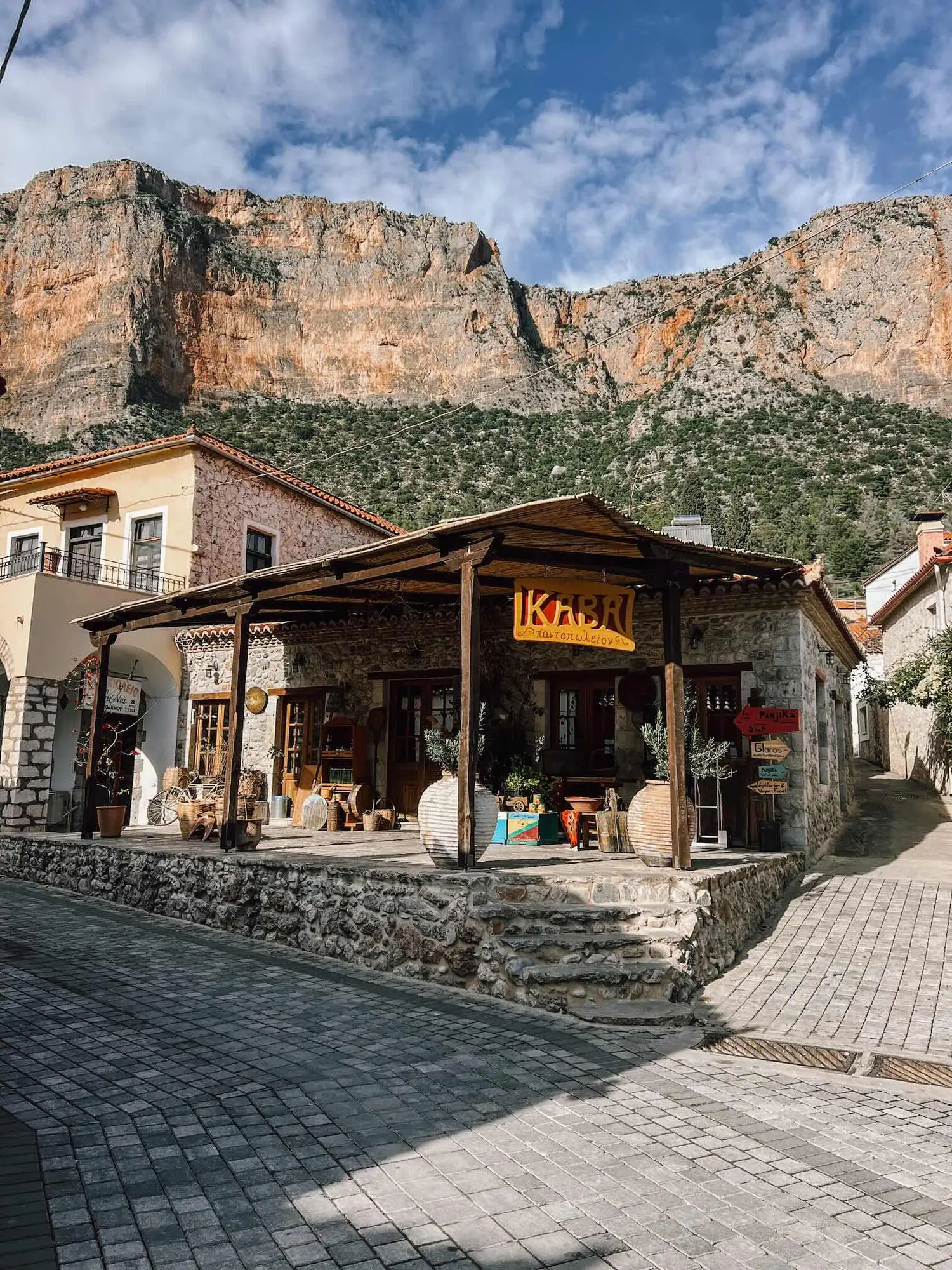
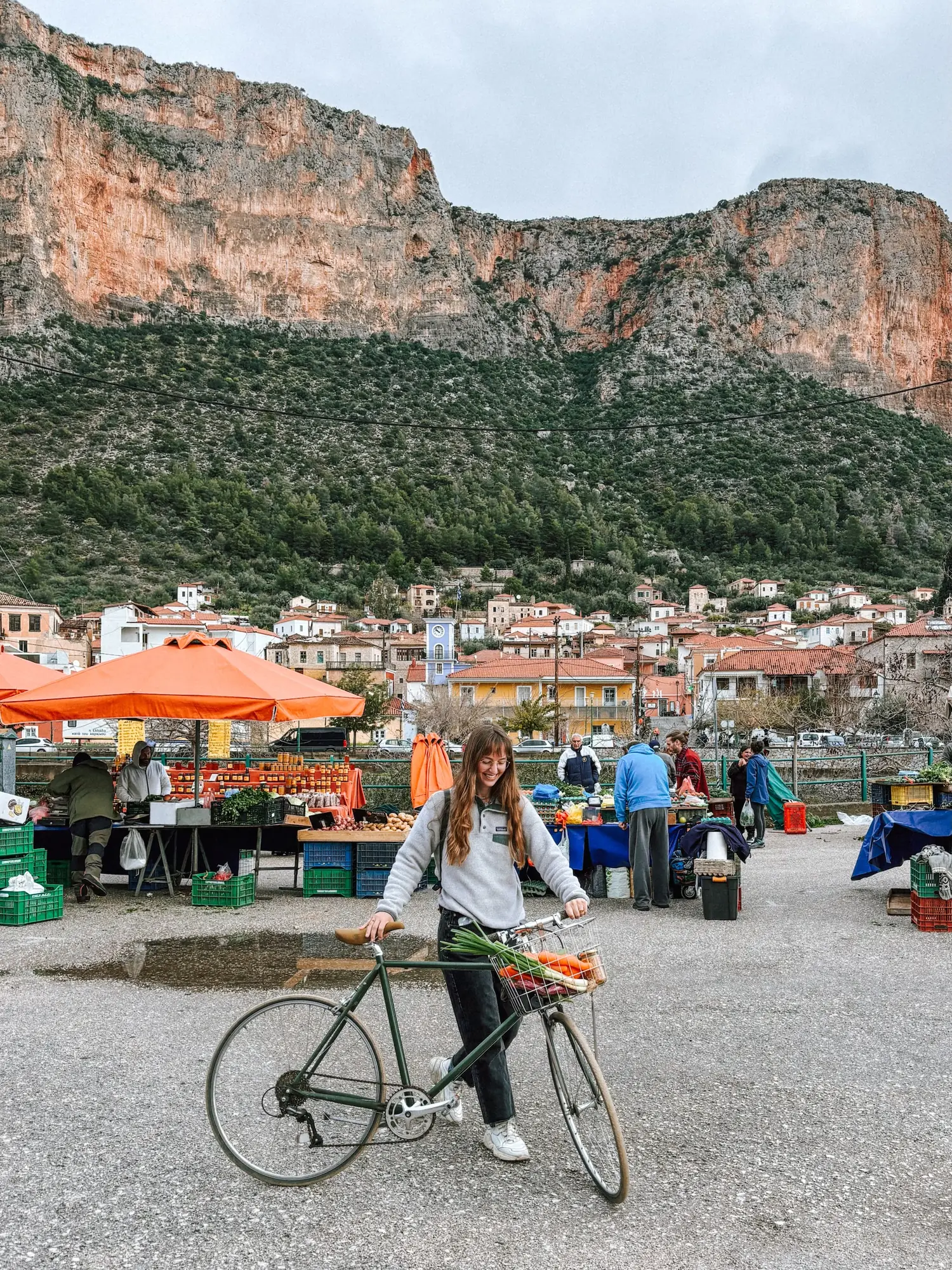
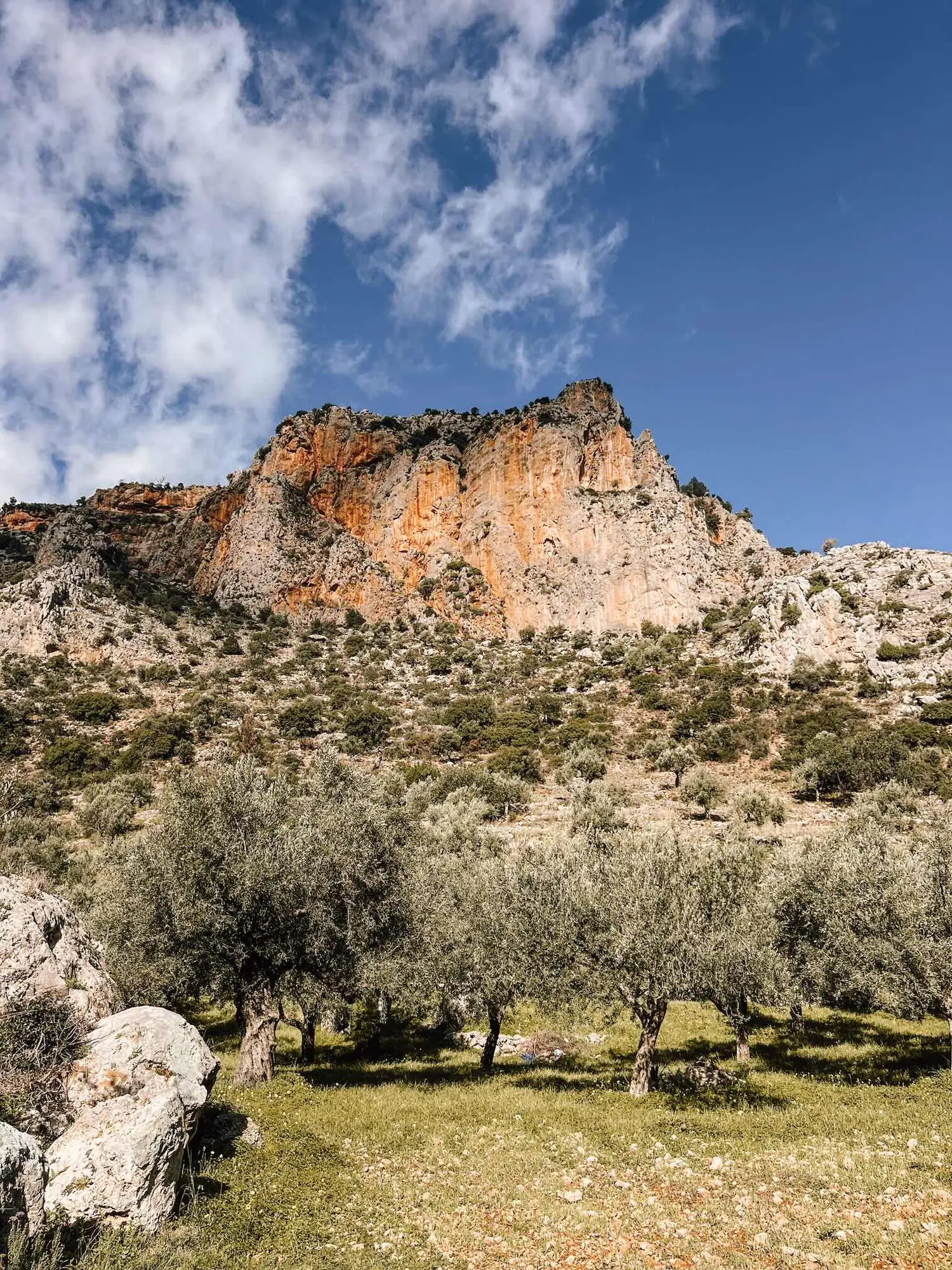
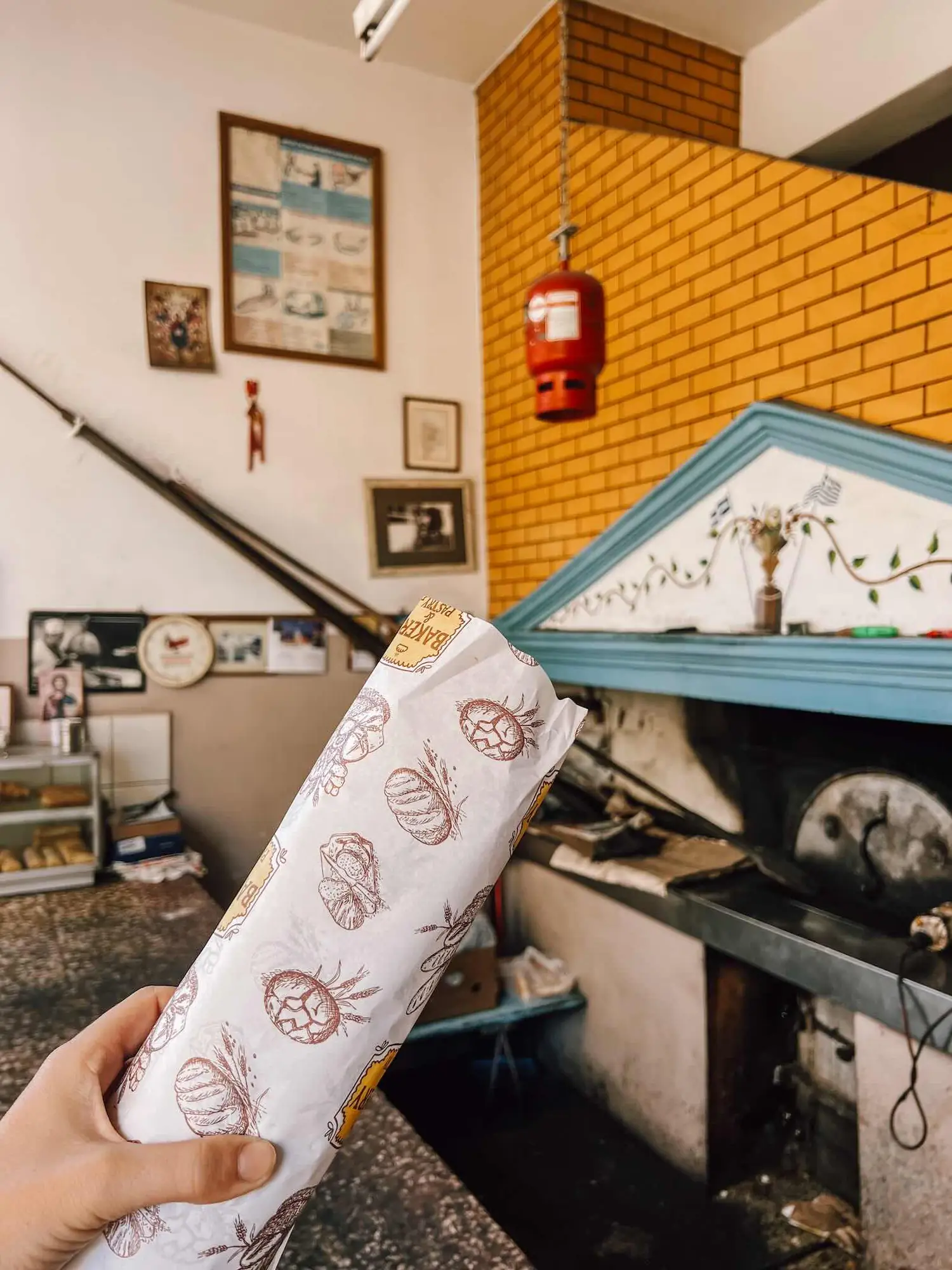
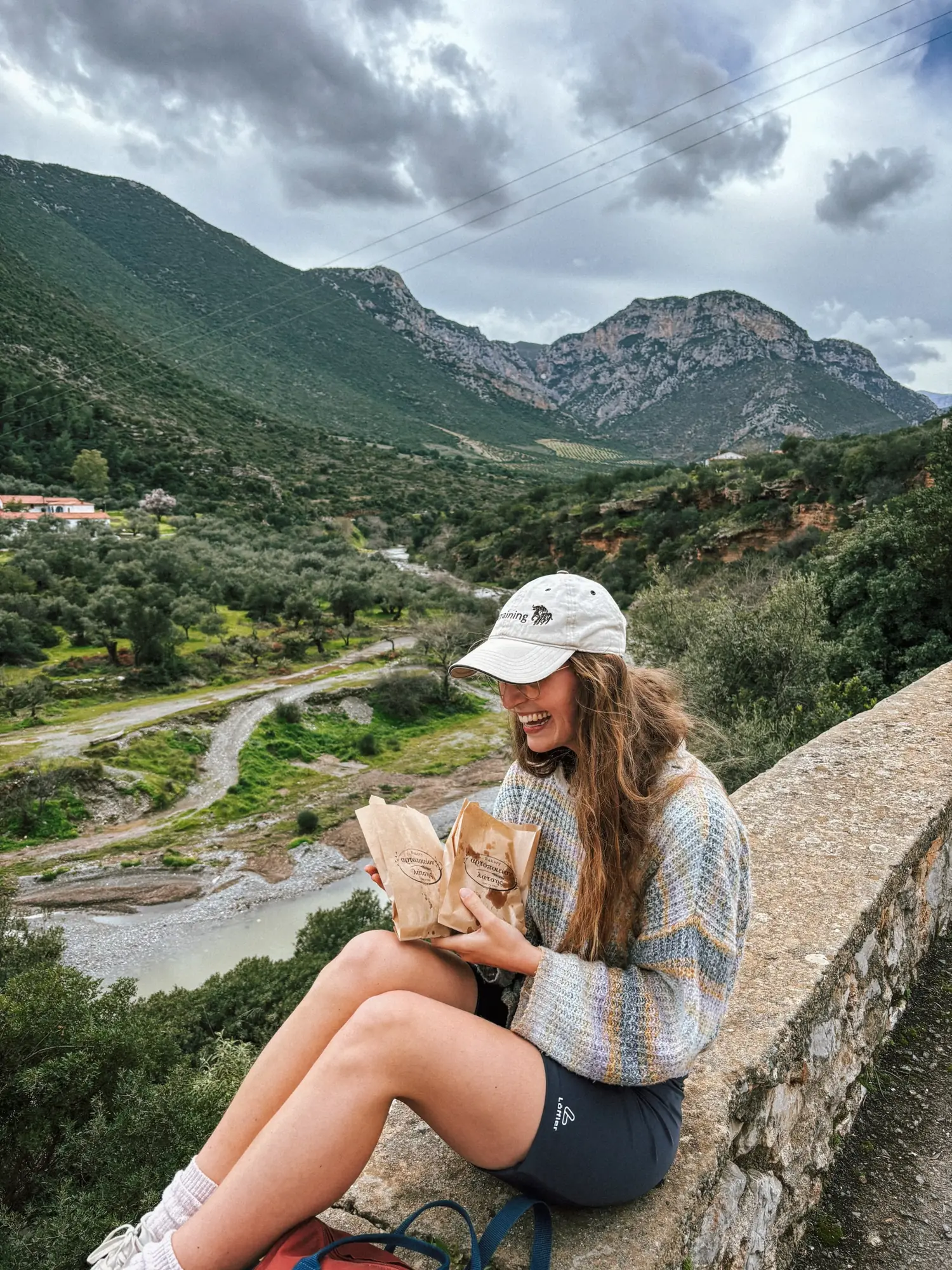
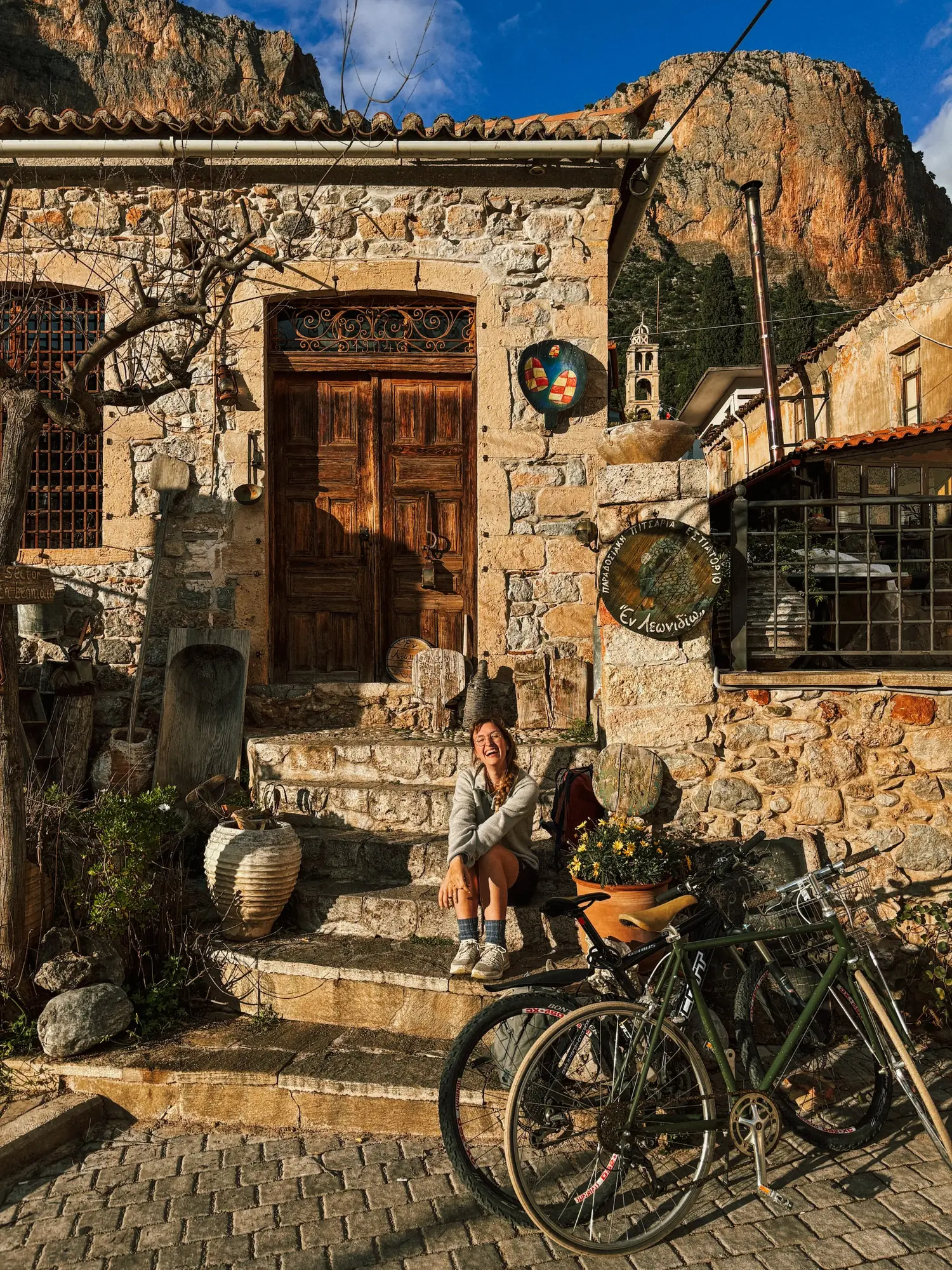
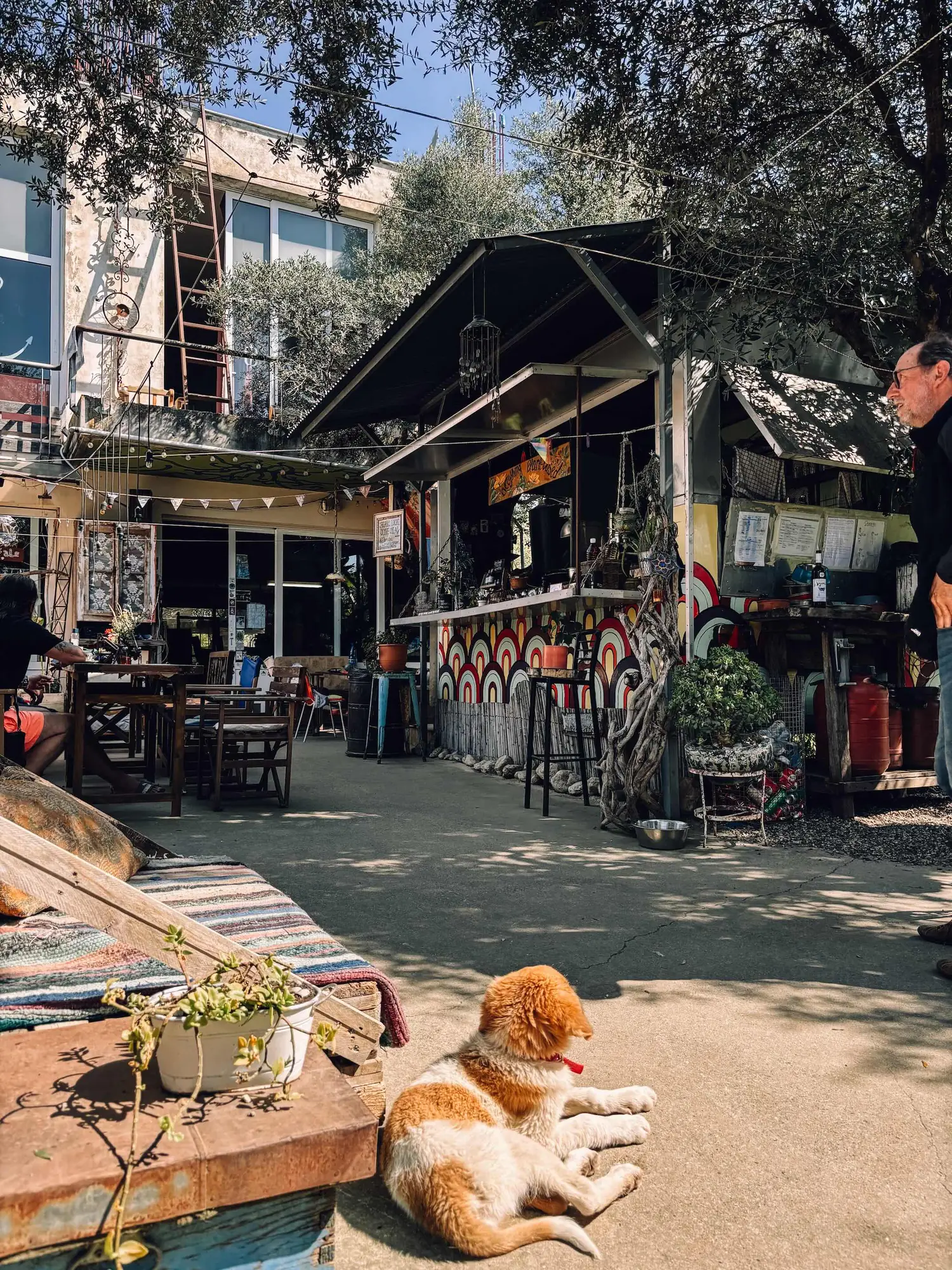
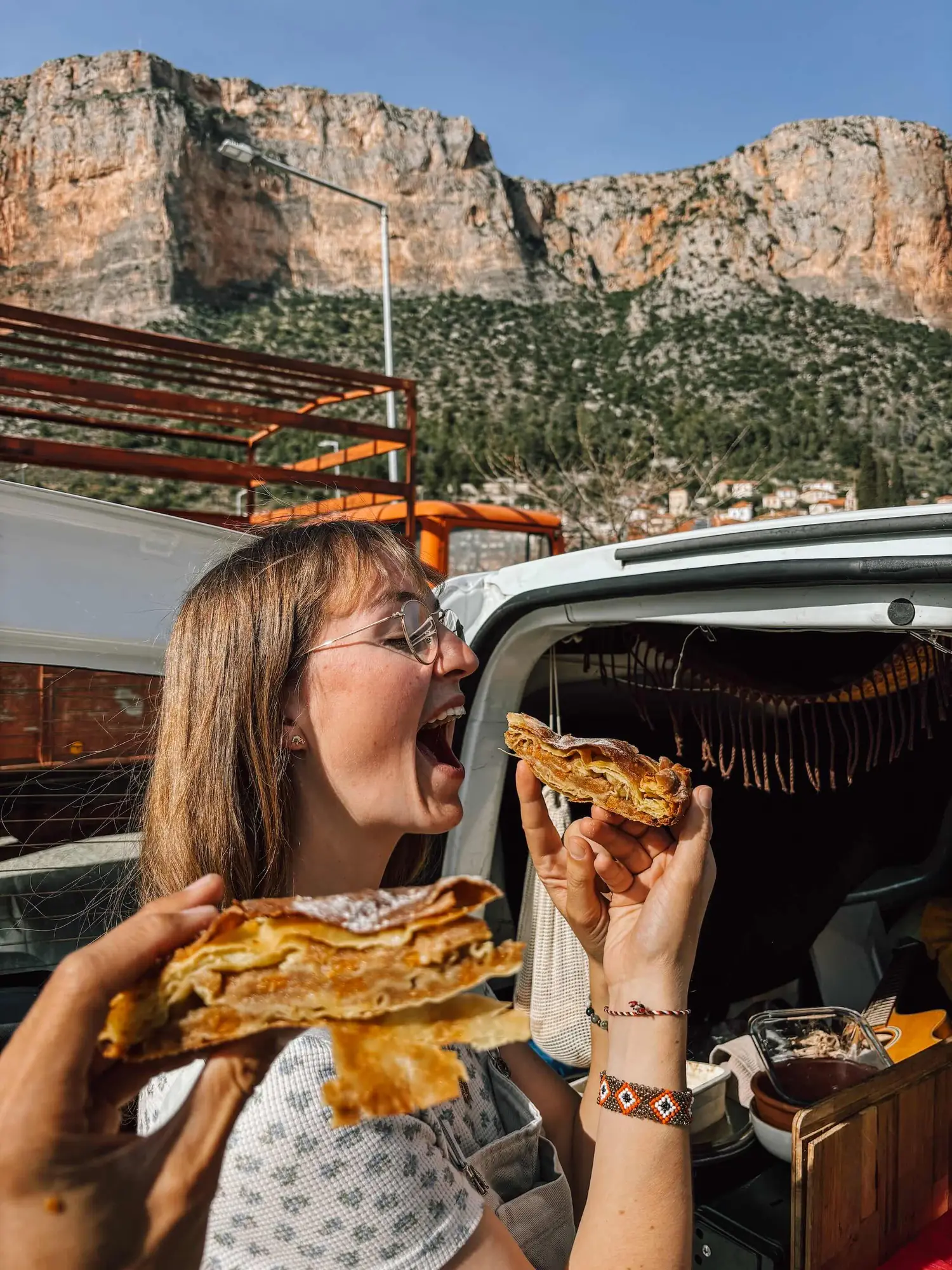
Between the weather and Frank's work, we ended up hanging around here for quite a while, and we didn't mind one bit. Leonidio is a climbing mecca brimming with stories and cozy spots where people just naturally gather. Every Monday there's a farmers market. On top of that, this little town packs in a specialty coffee shop, heavenly rustic tavernas, a climbing co-op, a wood-fired bakery, some very special pastry shops, and a legendary olive oil seller who stops by the parking lot in his minivan every evening.
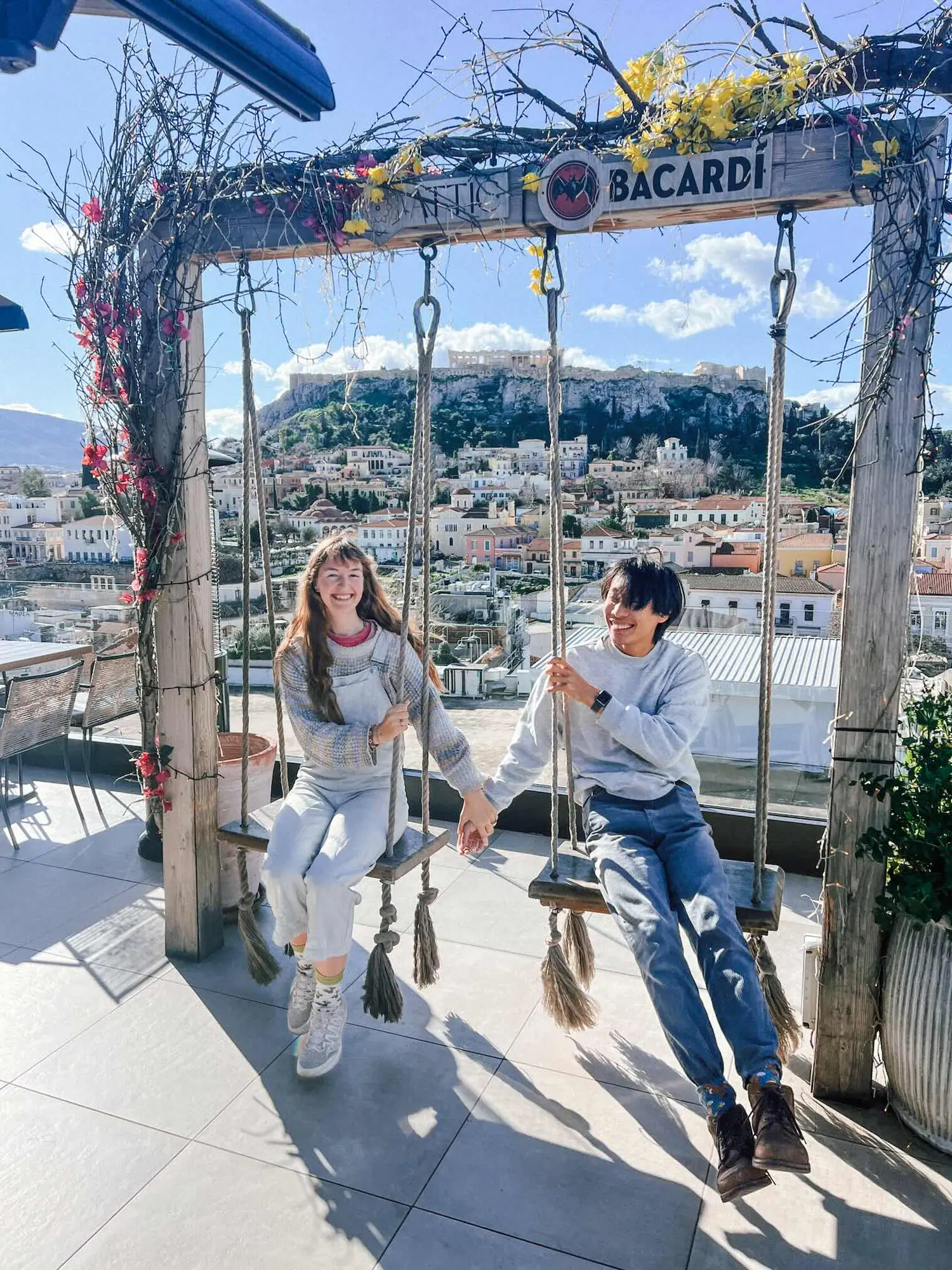
In Athens, we left Humbär at a guarded lot outside the city and treated ourselves to an Airbnb for a week of exploring.
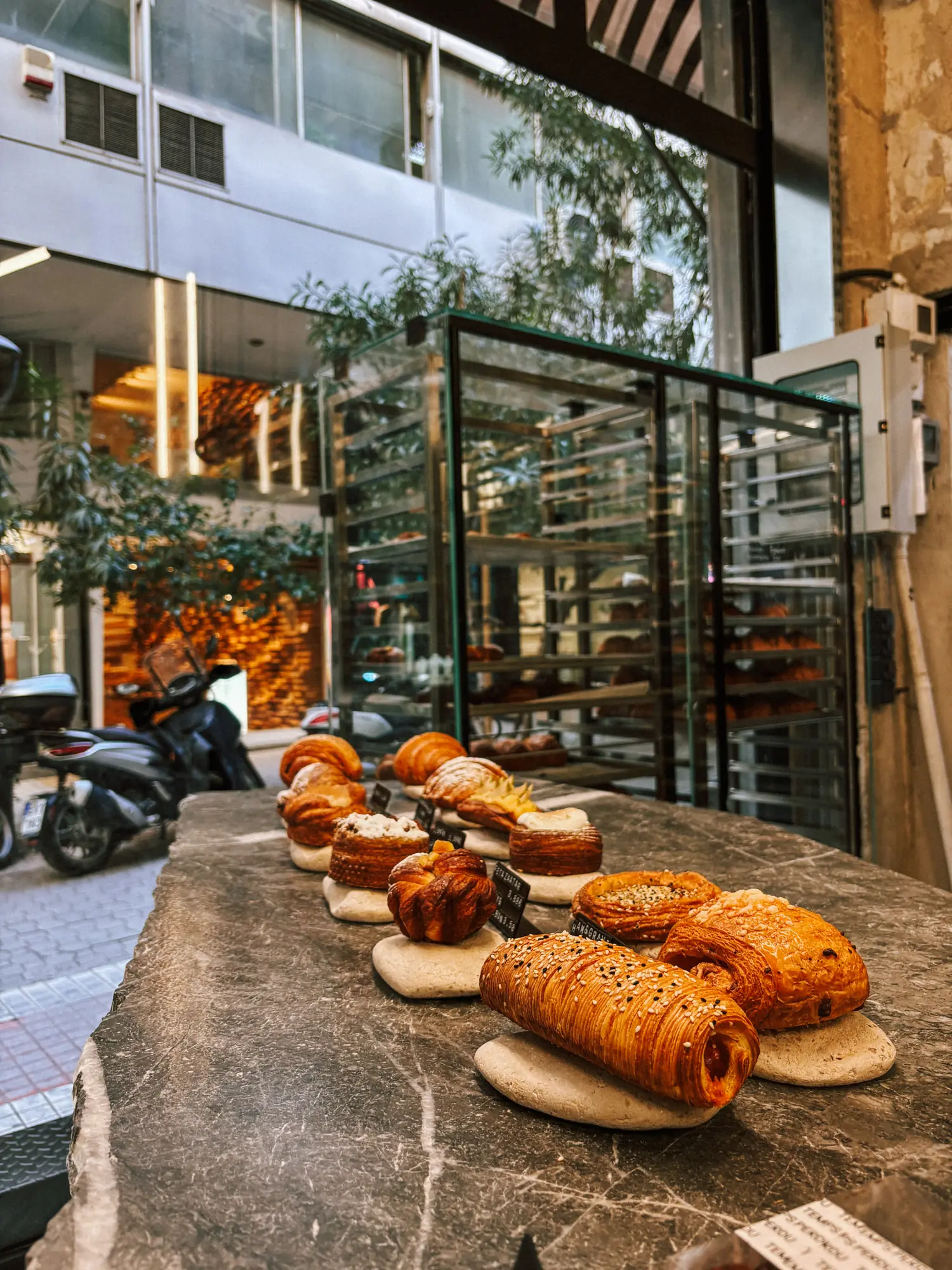
Next stop: Volos, where Humbär was booked in for a fresh coat of paint and some well-deserved restoration work.
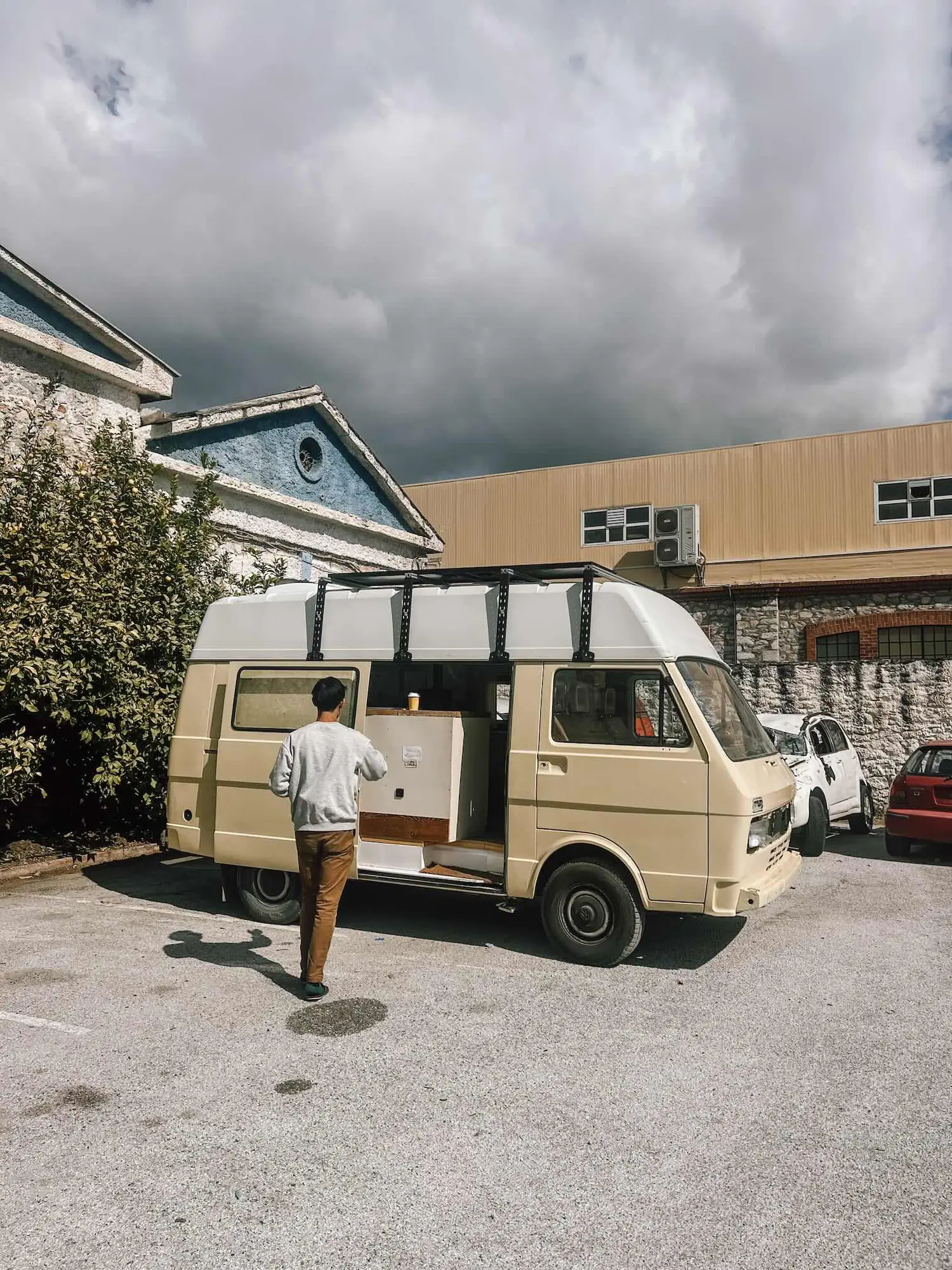
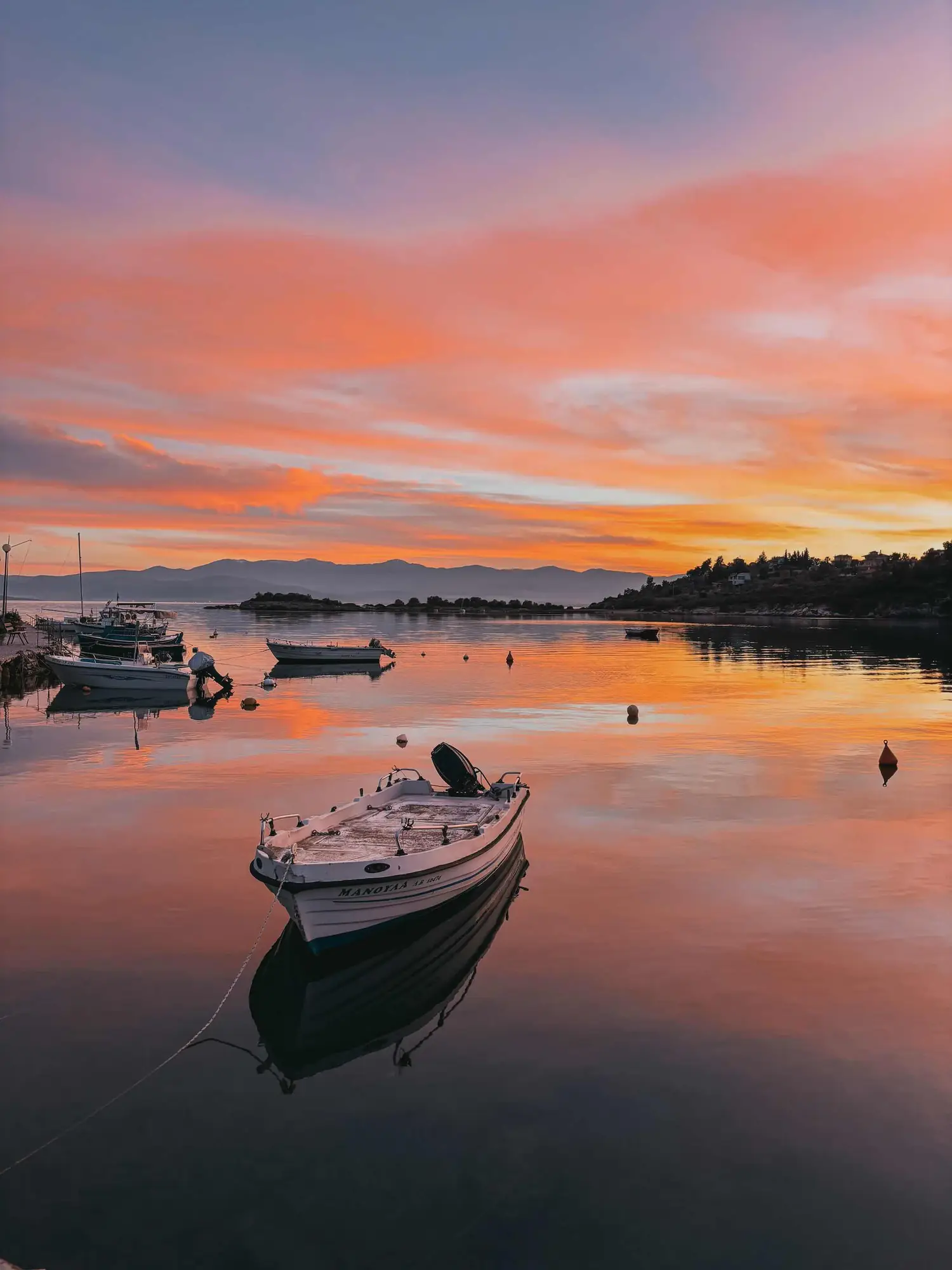
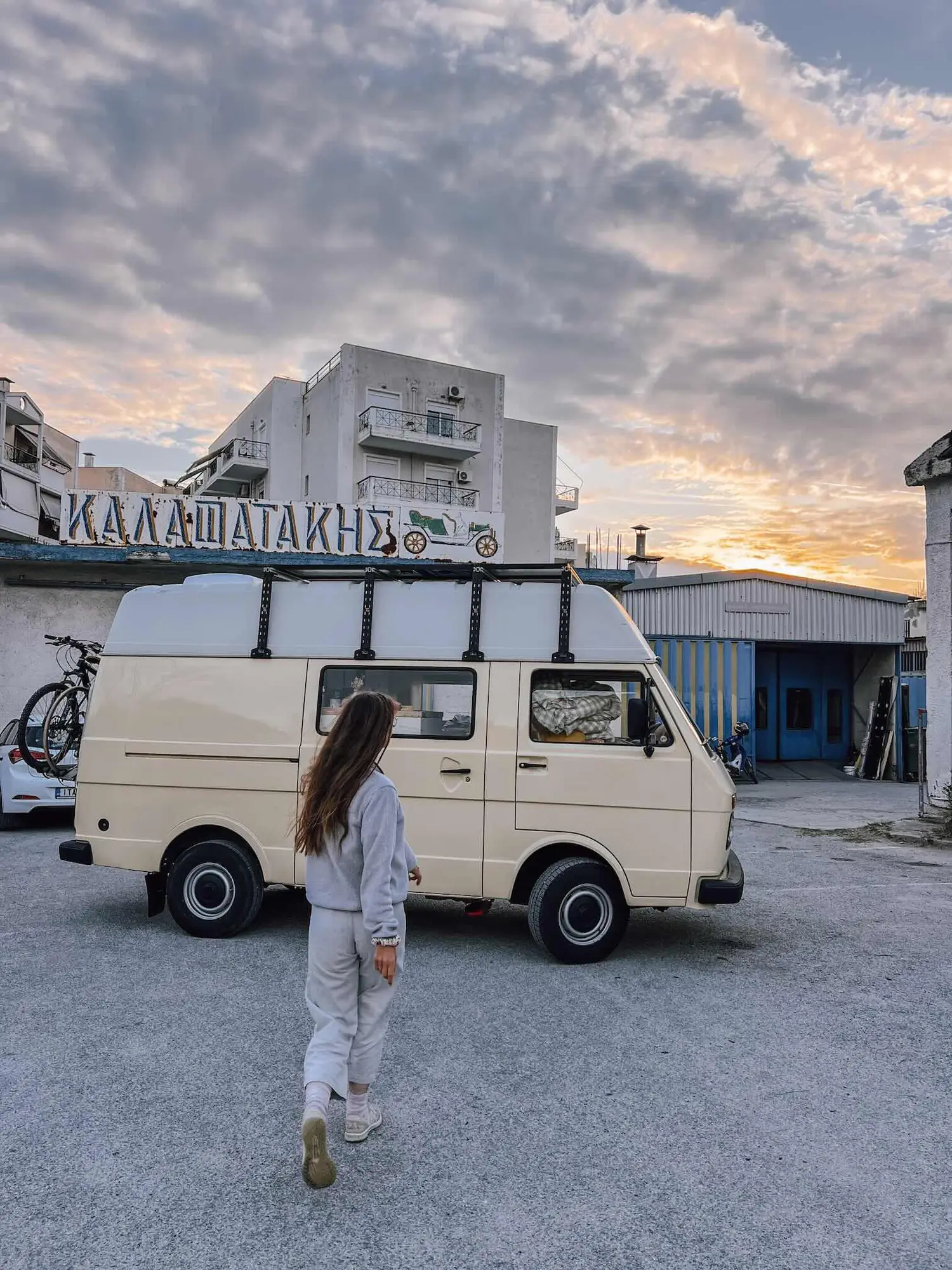
With a rental car, we could cover a lot more ground a lot faster: week one was all about Pelion, week two took us to Chalkidiki, and in week three we swung back down to the Peloponnese to check out some legendary vanlife spots, including Filia Laundry, Elea Beach and Voidokilia Beach.

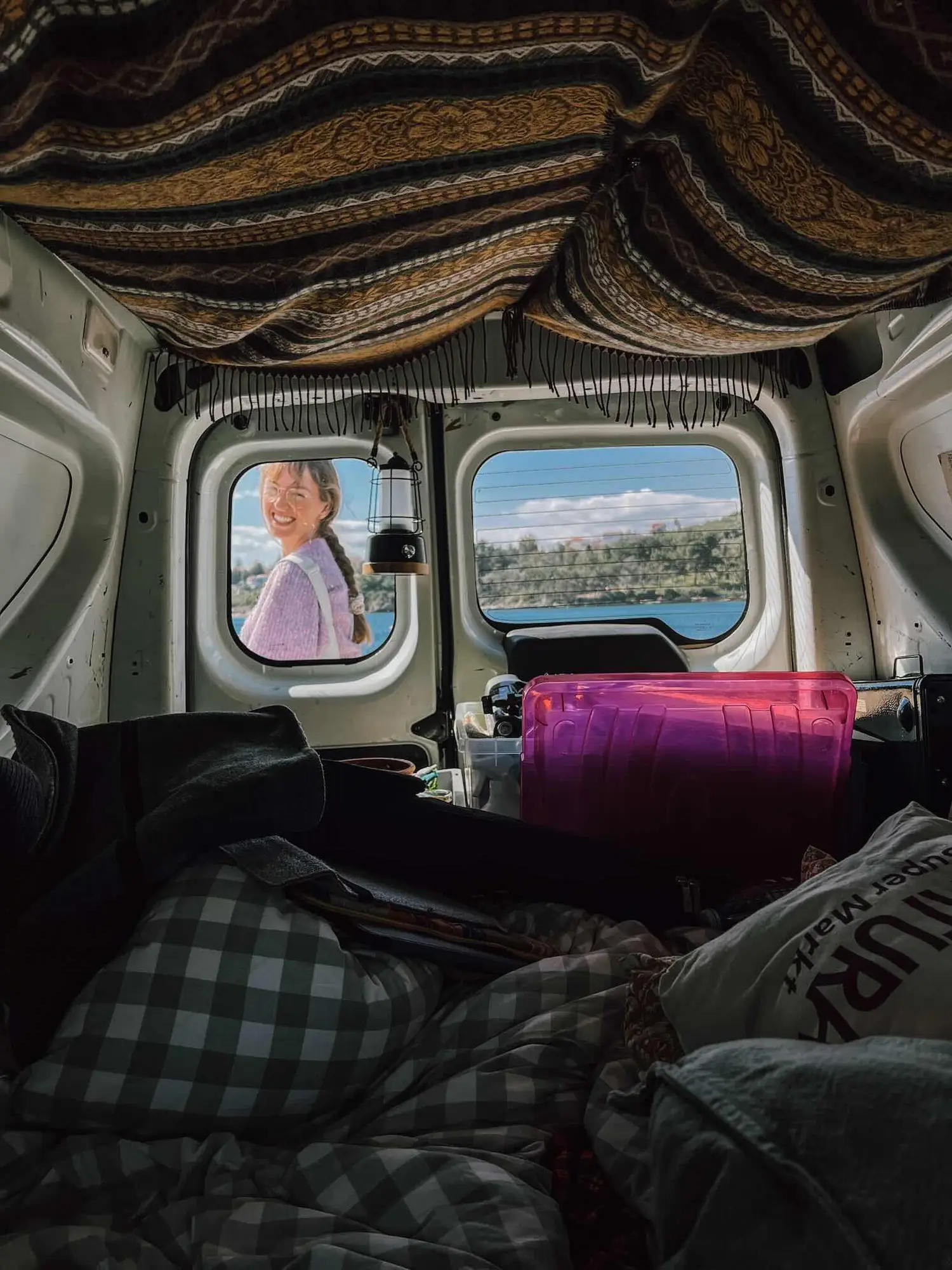
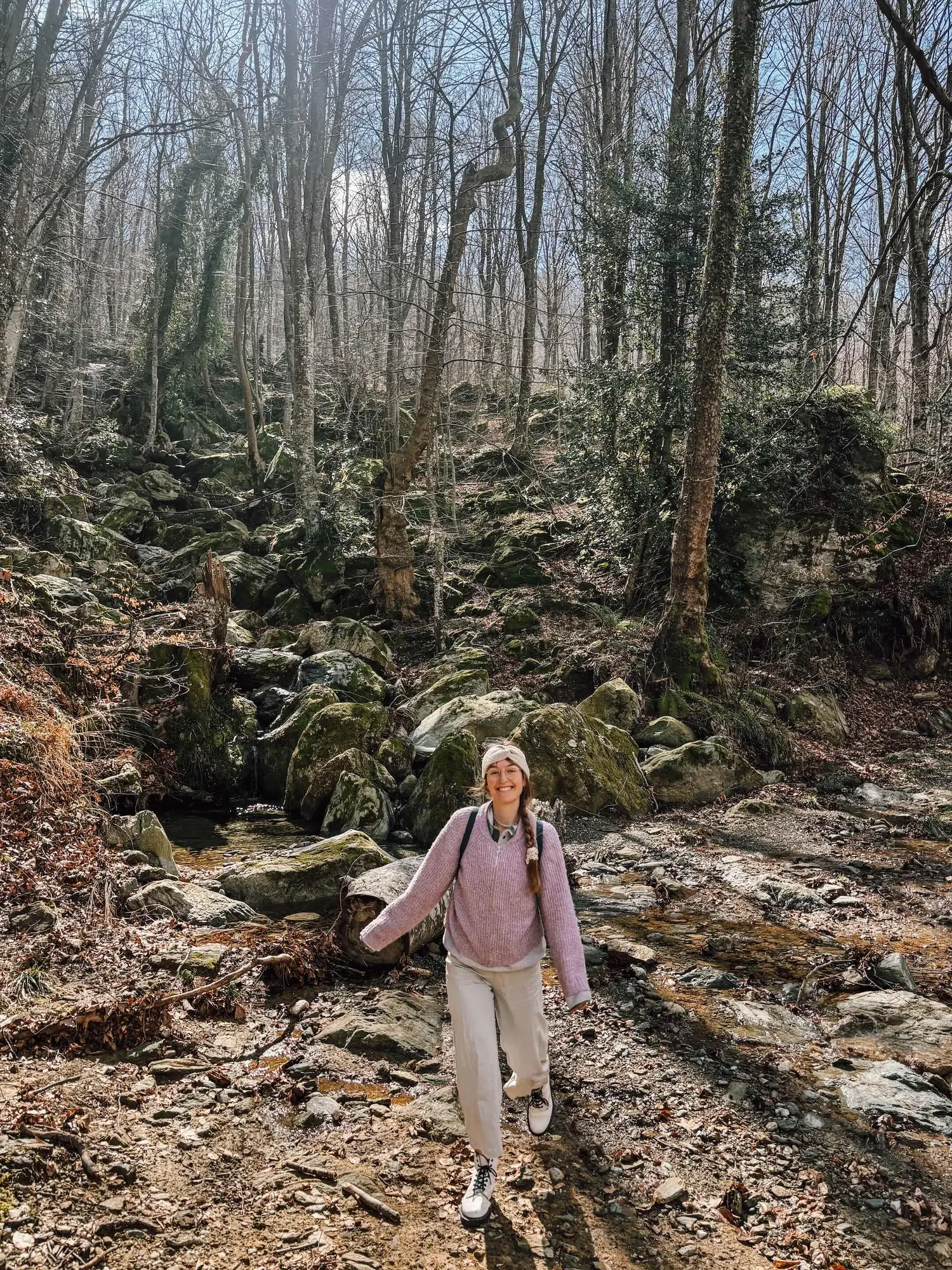
From Volos we headed to Thermopylae for a soak in the hot springs, then cut straight across the country, past the monasteries of Meteora, all the way back to where it all began: Igoumenitsa.
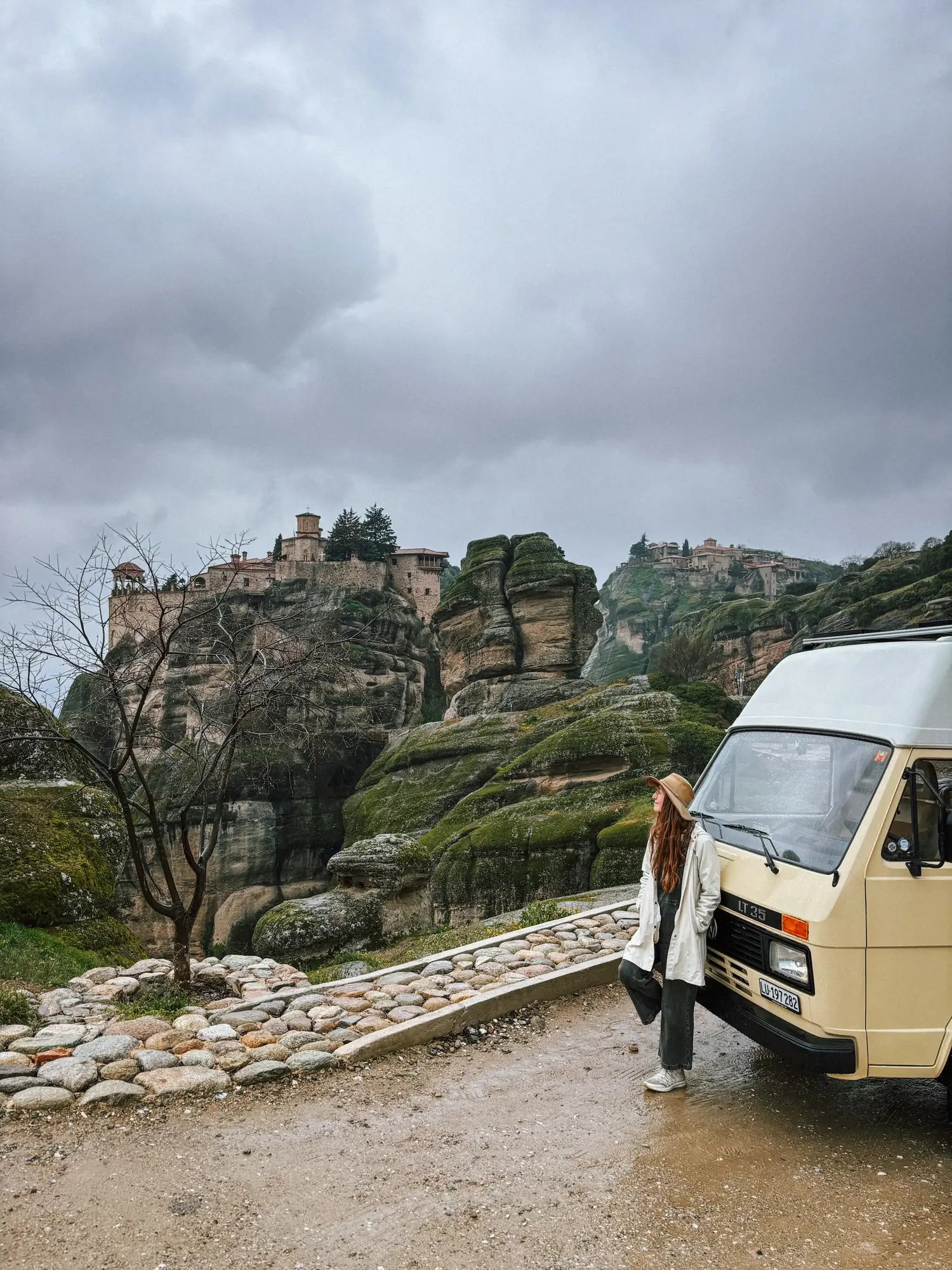
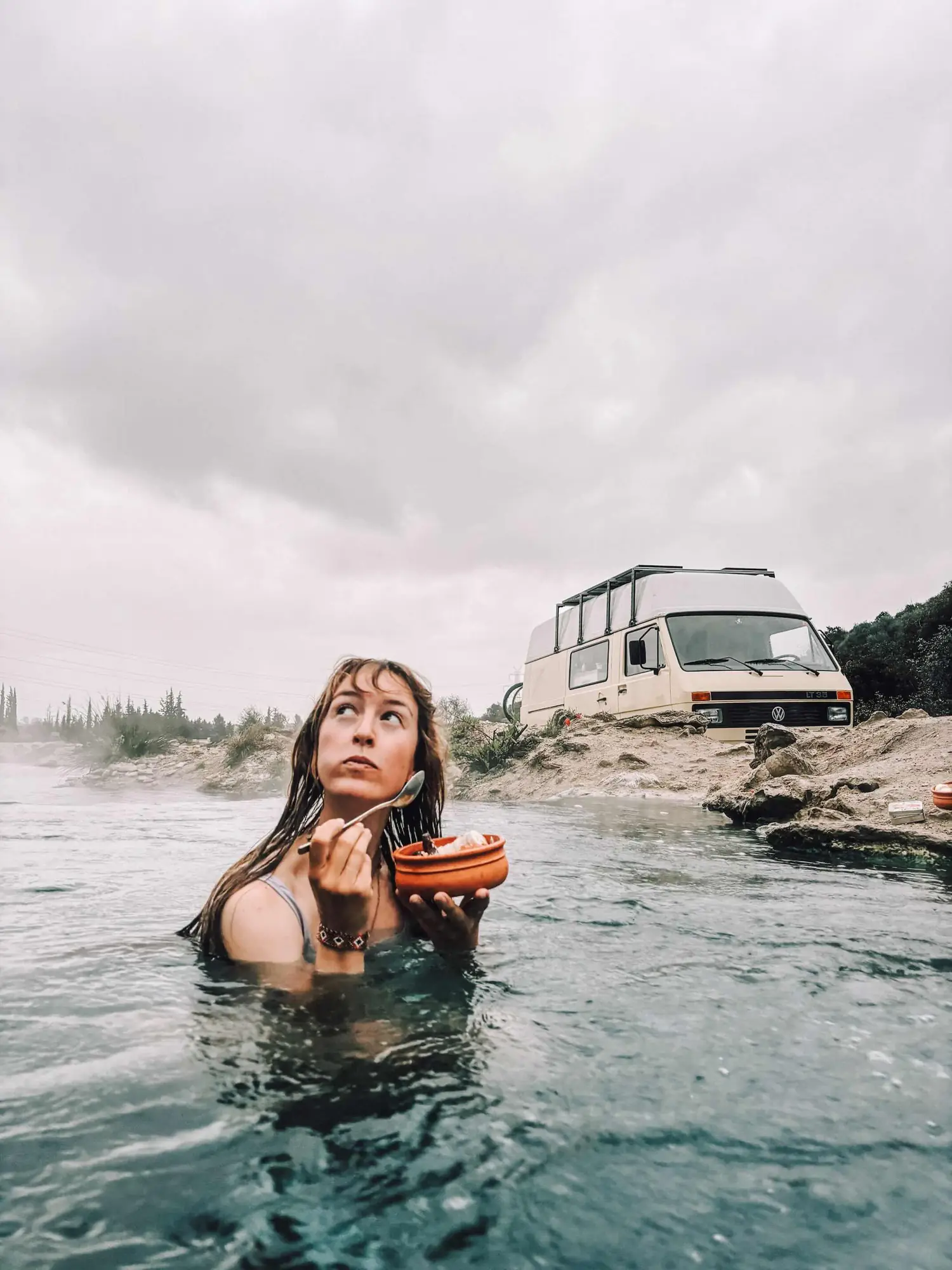
So no, this wasn't some perfectly mapped-out road trip. It was a happy mix of weather forecasts, spur-of-the-moment decisions, vanlife and wherever we felt like being next.
What's the weather really like in Greece in winter?
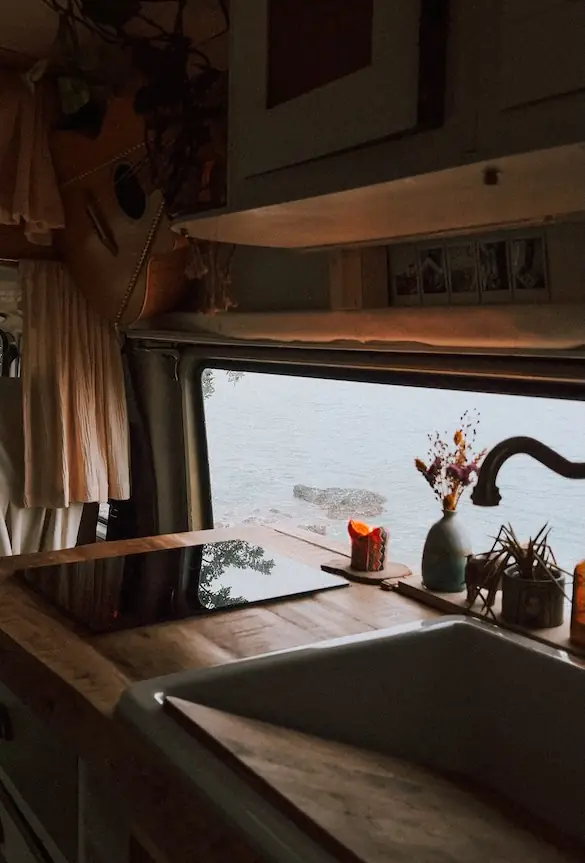
Honestly? A lot chillier than we'd expected.
We'd pictured balmy 20 °C (68 °F) days and endless sunshine. What we mostly got was 10 to 15 °C (50 to 59 °F), plus more than our fair share of rain. And that's pretty much what the climate data says: in the southern Peloponnese, daytime highs in January average around 14 to 15 °C (57 to 59 °F), and nights dip to more like 5 to 7 °C (41 to 45 °F). Winter is also Greece's true rainy season, with the bulk of the year's rain coming down between November and February.
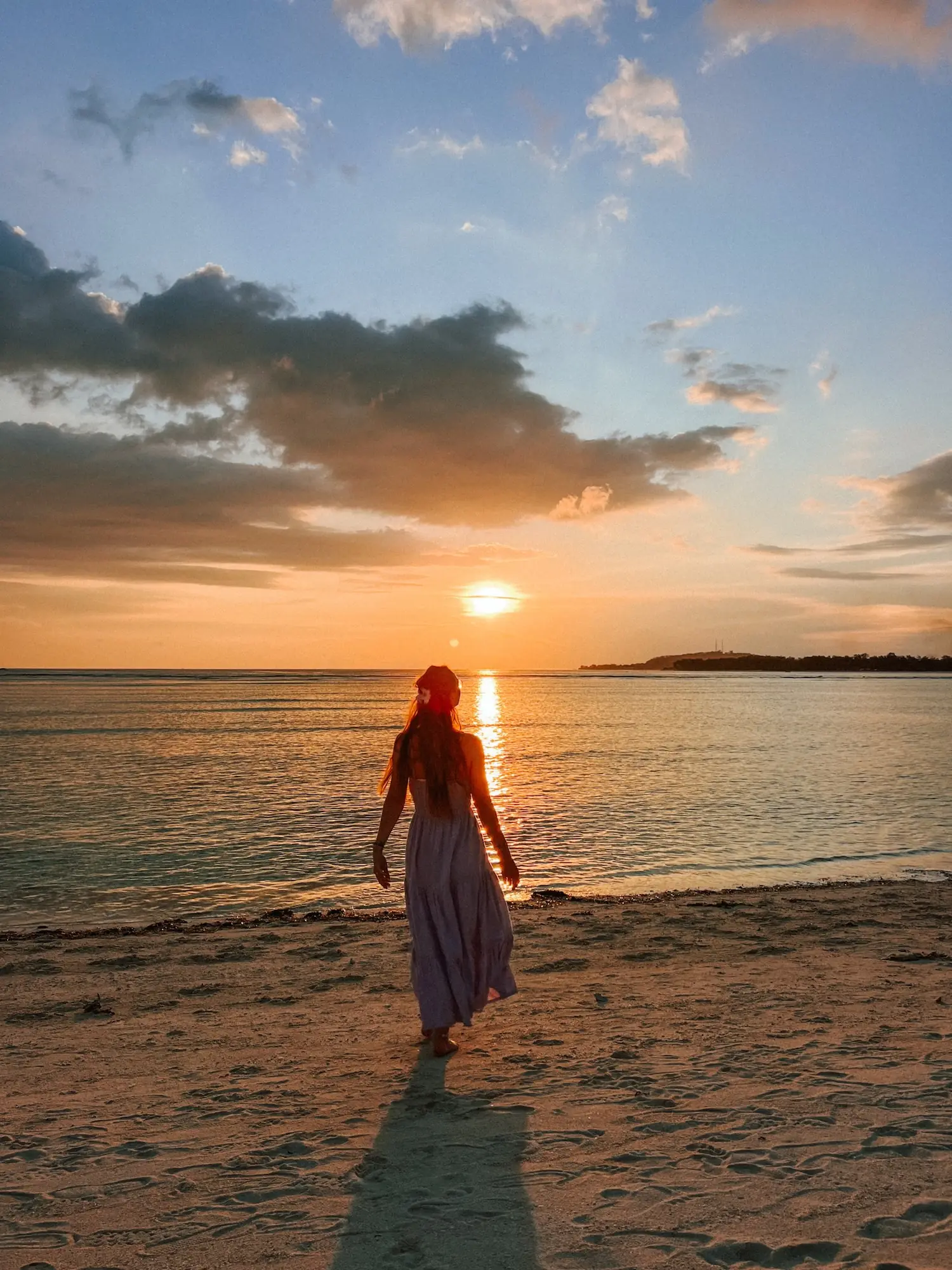
The weather ended up calling a lot of the shots. More than once, we planned our route around wherever the forecast looked friendliest, and the east side generally felt a few degrees kinder.
Still, our verdict is a happy one: the good days easily outnumbered the gloomy ones. And when the sun did come out, winter in Greece felt every bit as dreamy as we'd imagined.
Can you really live off-grid in a van through a Greek winter?

Short answer: yes, but not forever.
We live gas-free and run everything on a powerful electrical system instead: 5 kWh of battery capacity and 500 Wp of solar on the roof. If you'd like the details, check out our post on Humbär's electrics.
During the Greek winter, depending on the weather, we had to track down an outlet roughly every five to seven days to fully recharge our battery. Even on clear days, the winter sun hangs low in the sky, so our panels produce far less energy than in summer. To put some numbers on it: at the latitude of Athens, the midday sun around the winter solstice climbs only about 29 degrees above the horizon, compared with more than 75 degrees in June. On top of that, you get just 9.5 hours or so of daylight instead of around 14. Panels lying flat on the roof lose a big chunk of their output, which is why a tilting panel or a portable add-on panel really pays off in winter.
So for us, living off-grid never meant doing without shore power entirely. It just meant we only needed it every now and then.
And the second the sun disappeared, the temperature dropped fast. That's when our wood stove earned its keep, crackling away in the evenings and early mornings.
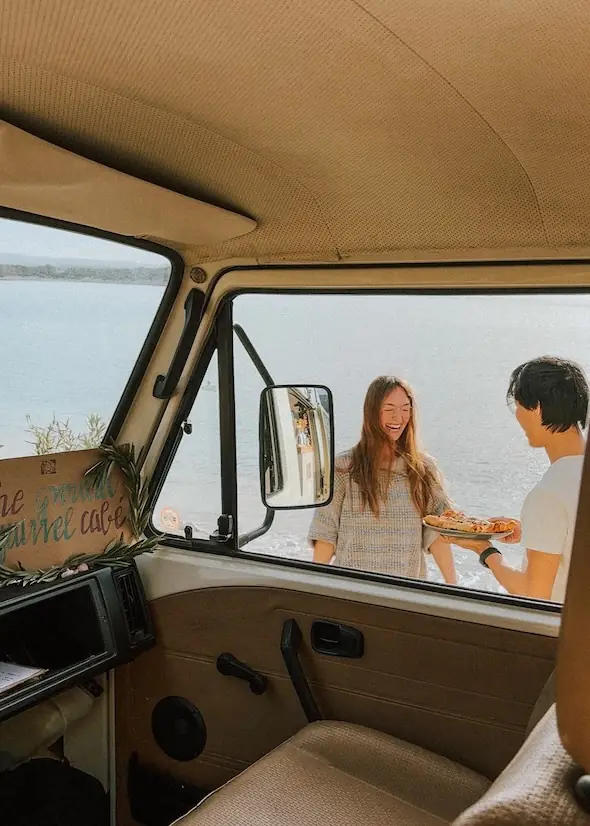
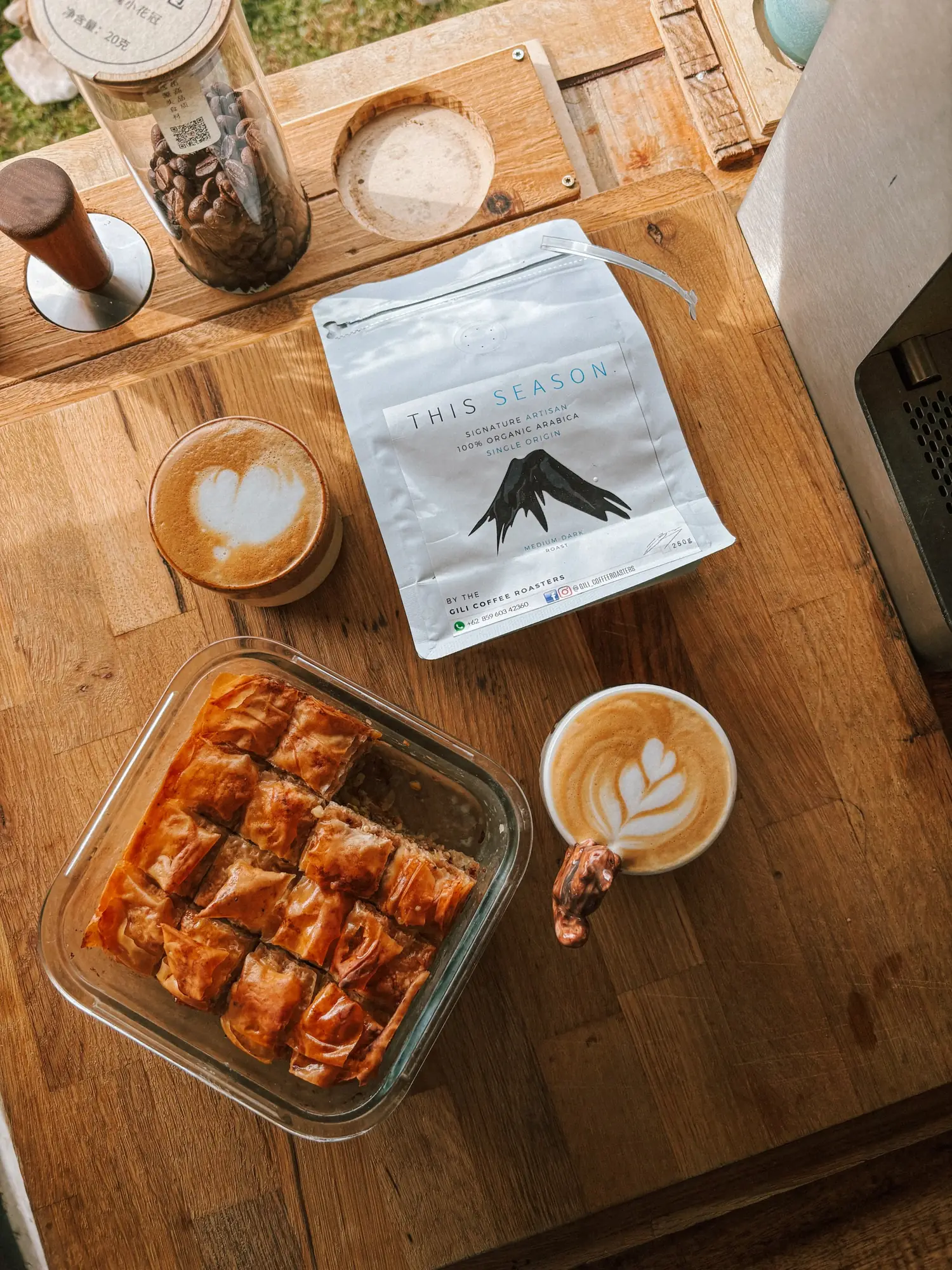
Can you wild camp in Greece in winter?
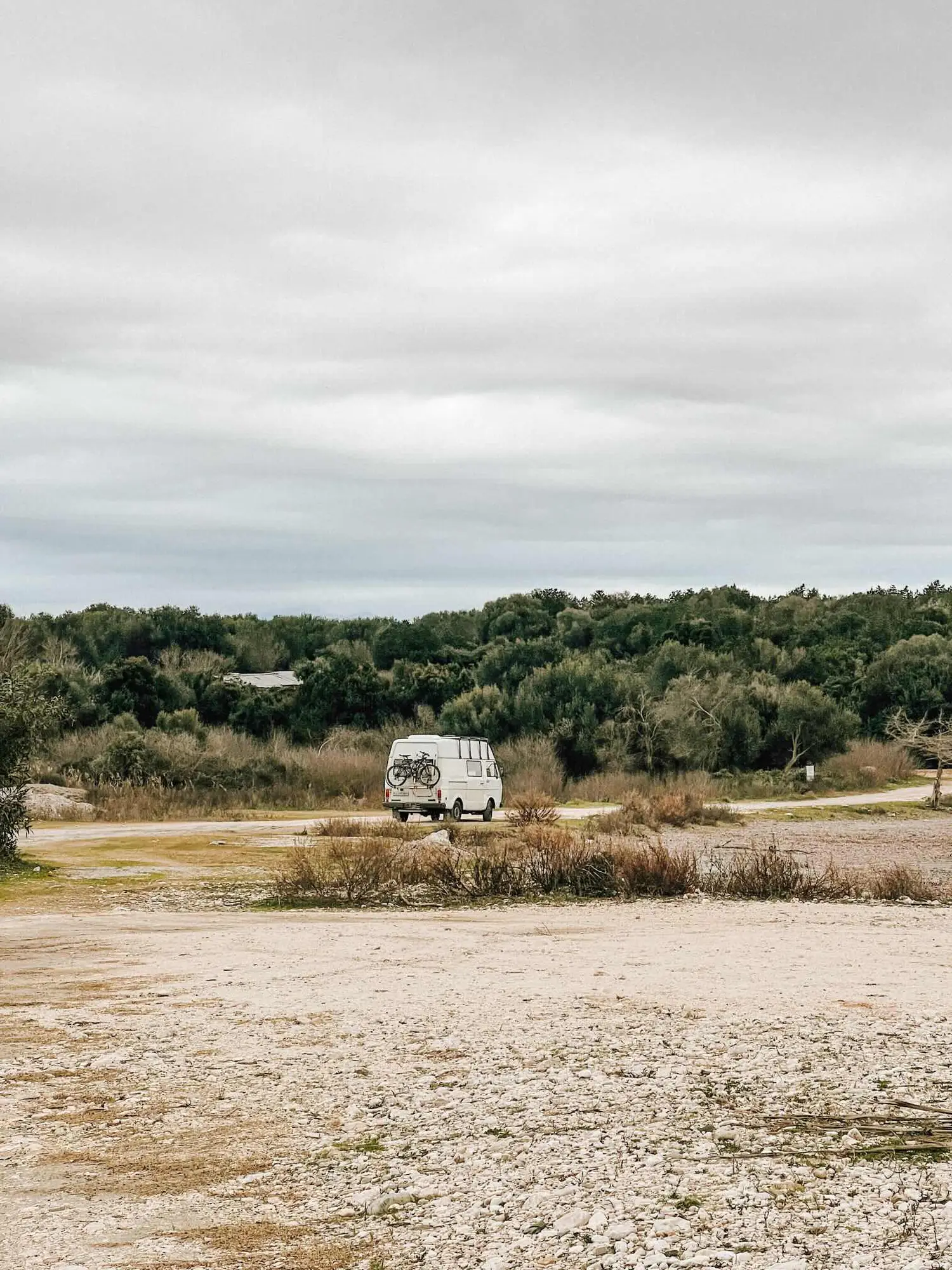
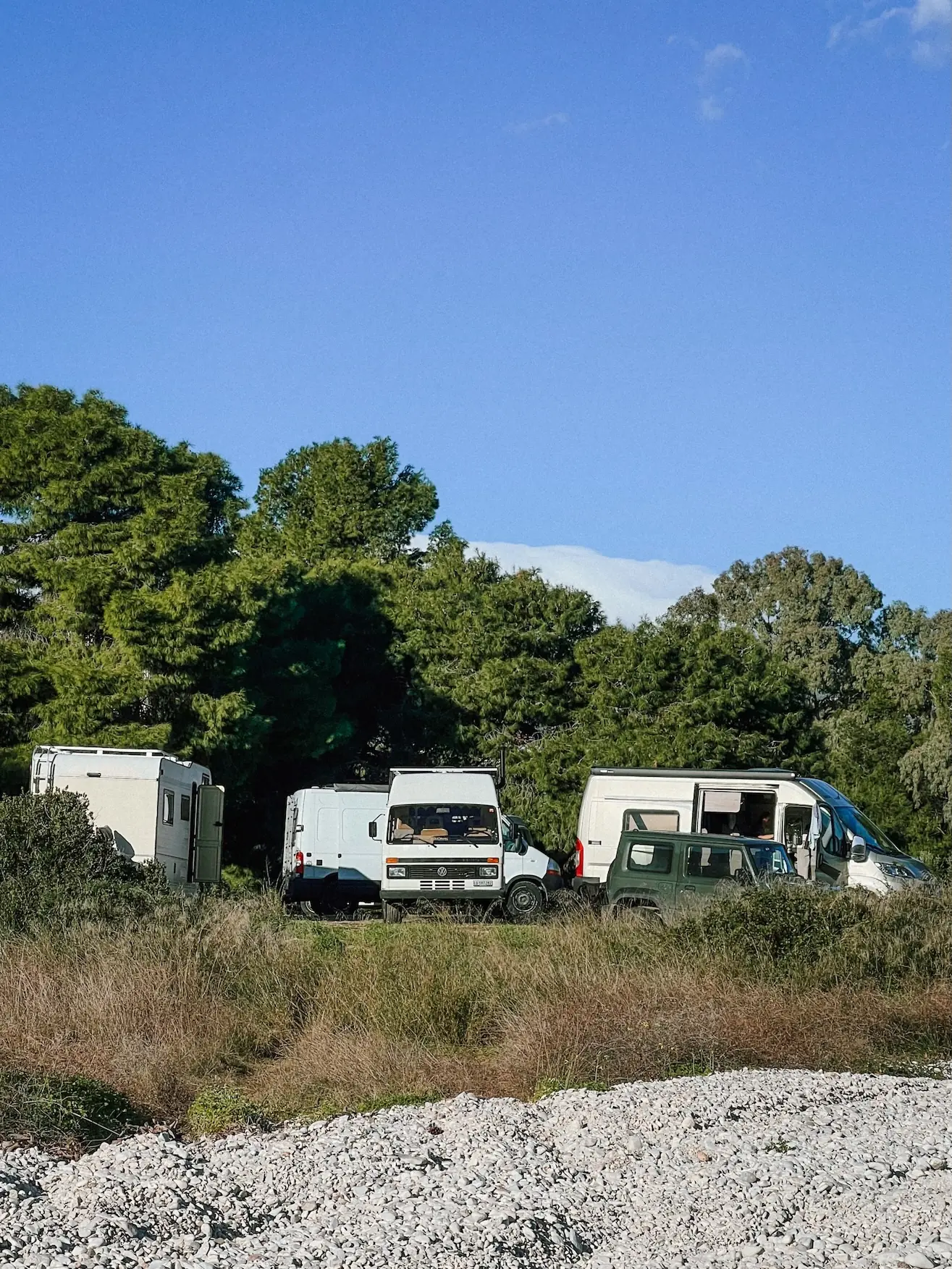
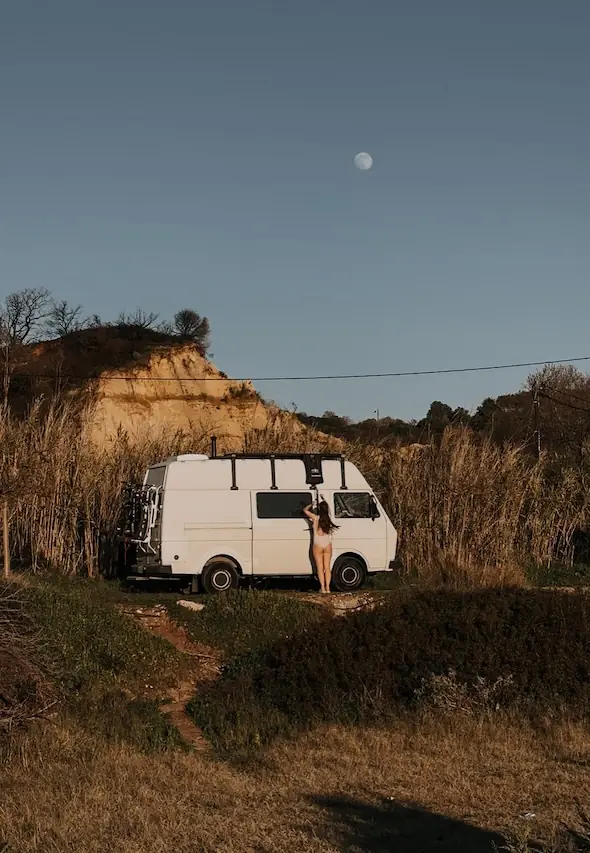
Lots of campgrounds shut down for the winter, and most beach towns turn into near ghost towns once the season wraps up. So sometimes wild camping was simply the only option that made sense. And in the vast majority of cases, nobody batted an eye at us parking overnight. If anything, we got the sense that locals were happy to see anyone at all in the off-season.
How strictly is Greece's wild camping ban actually enforced?
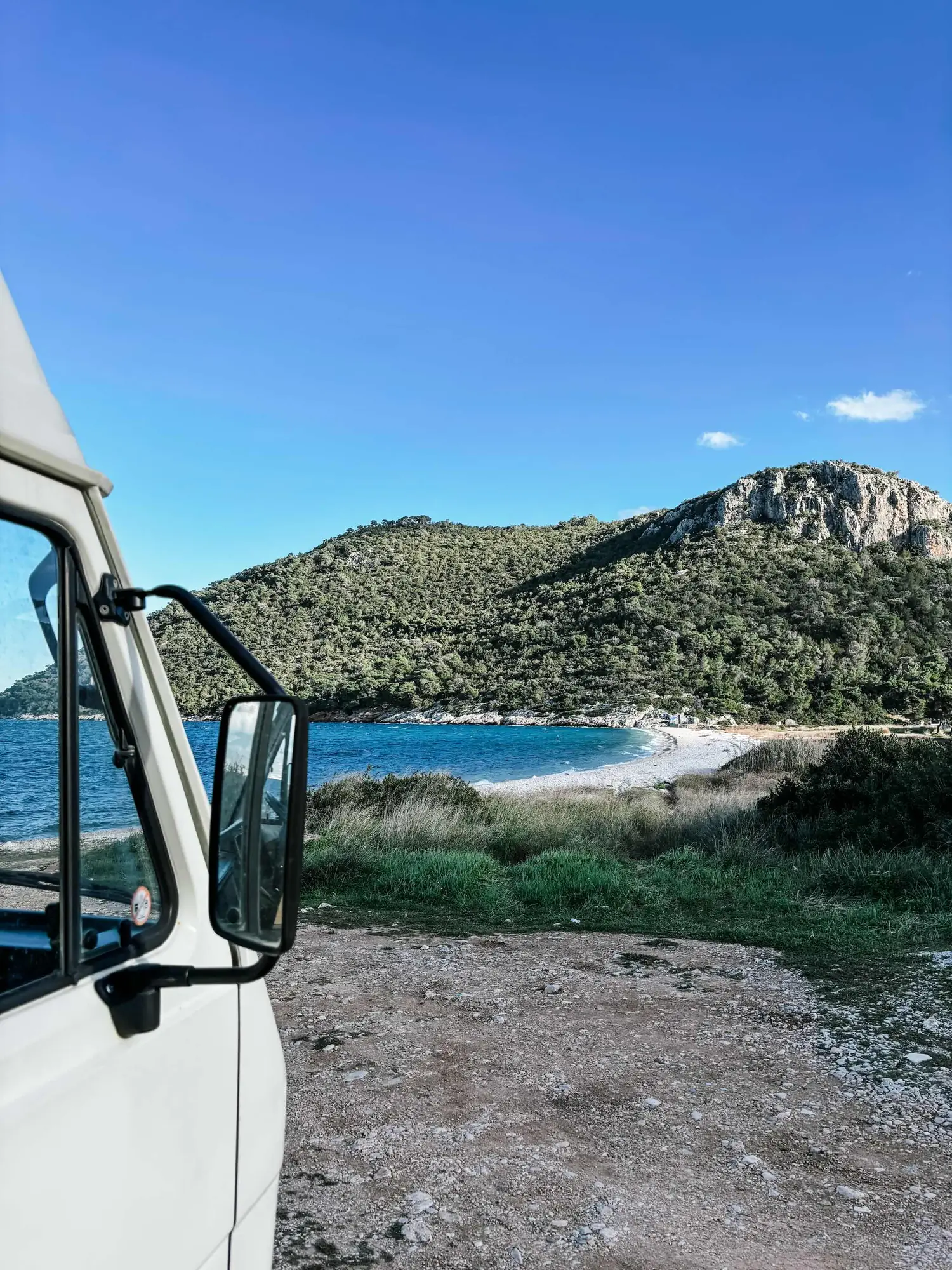
Quick disclaimer: this is just our personal experience, not legal advice. Whenever we wild camped, we never had any trouble with the local police. We always behaved respectfully, were clearly just parked, and never set up camp.
Now for the legal side: wild camping is generally banned in Greece, and since January 2025 the stricter Law 5170/2025 has been in effect. It prohibits parking motorhomes and pitching tents on beaches and coastal strips, at archaeological sites, in forests, and in public spaces in general for longer than 24 hours. Campgrounds and official municipal parking areas are allowed. Fines are reportedly €300 per person, and if it goes to court, you could be looking at up to €3,000 or as much as three months in jail. The key is knowing the difference between parking and camping: a table, chairs, an awning and a campfire turn a parked vehicle into a camp.
At one beach, some people came over to let us know that the police were about to clear the place out, since quite a crowd of campers had gathered there by then. At another beach, a local let us know that overnight stays weren't allowed. Both times, packing up and moving on was the obvious thing to do.
We were also super careful to only stay where there were no "no camping" signs, and to always leave our spot clean and unobtrusive.
So where can you actually park your camper overnight in Greece?

Here's roughly how our nights broke down:
- 60% wild camping
- 20% at tavernas or farms
- 10% at private RV parking areas
- 10% at traditional campgrounds
We found a lot of those picture-book vanlife spots on Park4Night, always double-checking that no ban was listed for the spot. Our absolute favorites were simple day parking lots right on the water or tucked away in nature, where we could stay without drawing any attention.
Vanlife favorites: abandoned beaches with a spooky side
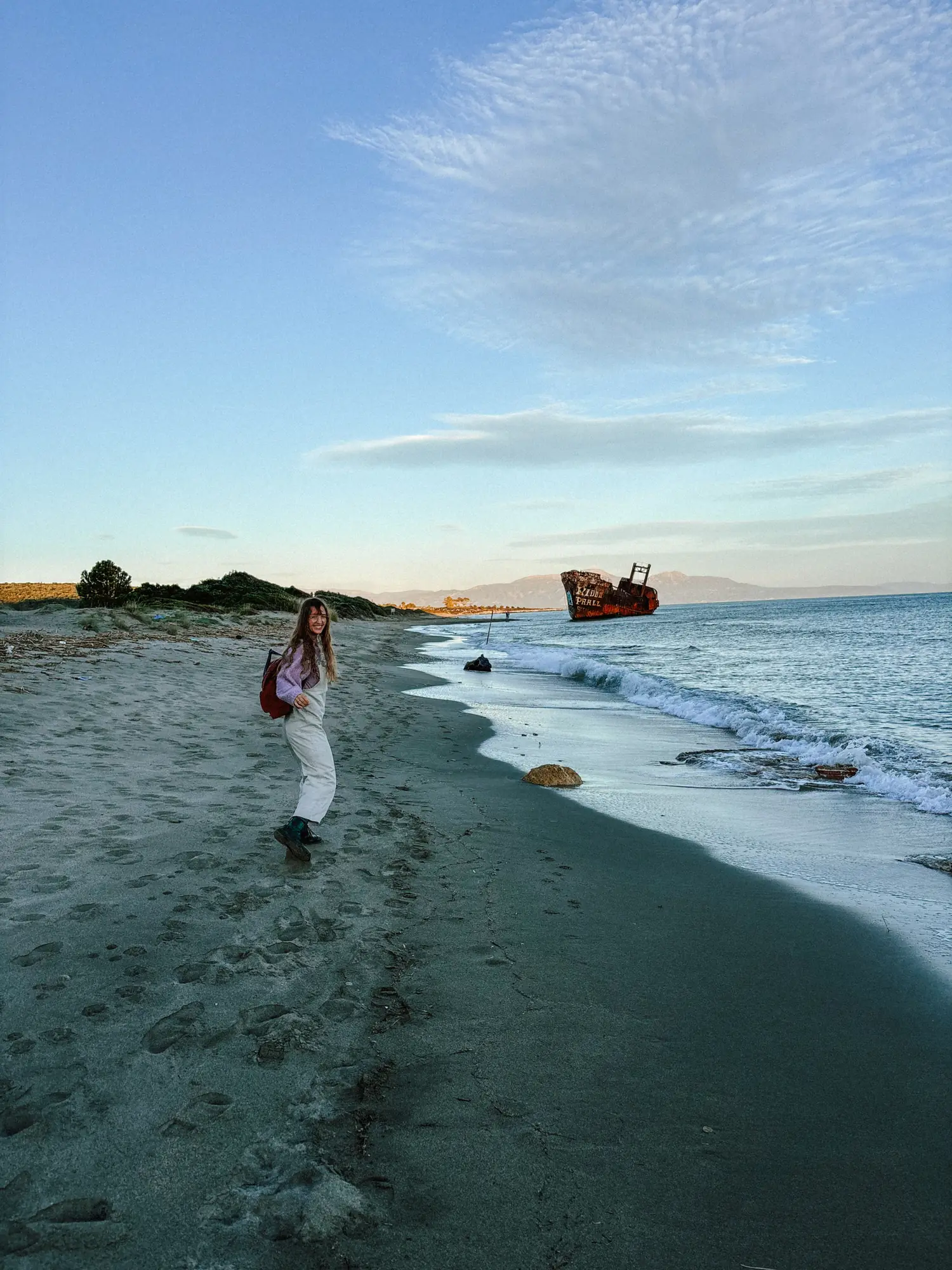
Every now and then, you'll stumble onto a beach spot with its very own lost place: half-built projects that never got finished, or abandoned buildings that nature has been slowly taking back ever since. Two of the most famous are the Saladi Beach Hotel and the Kriaritsi ghost town.
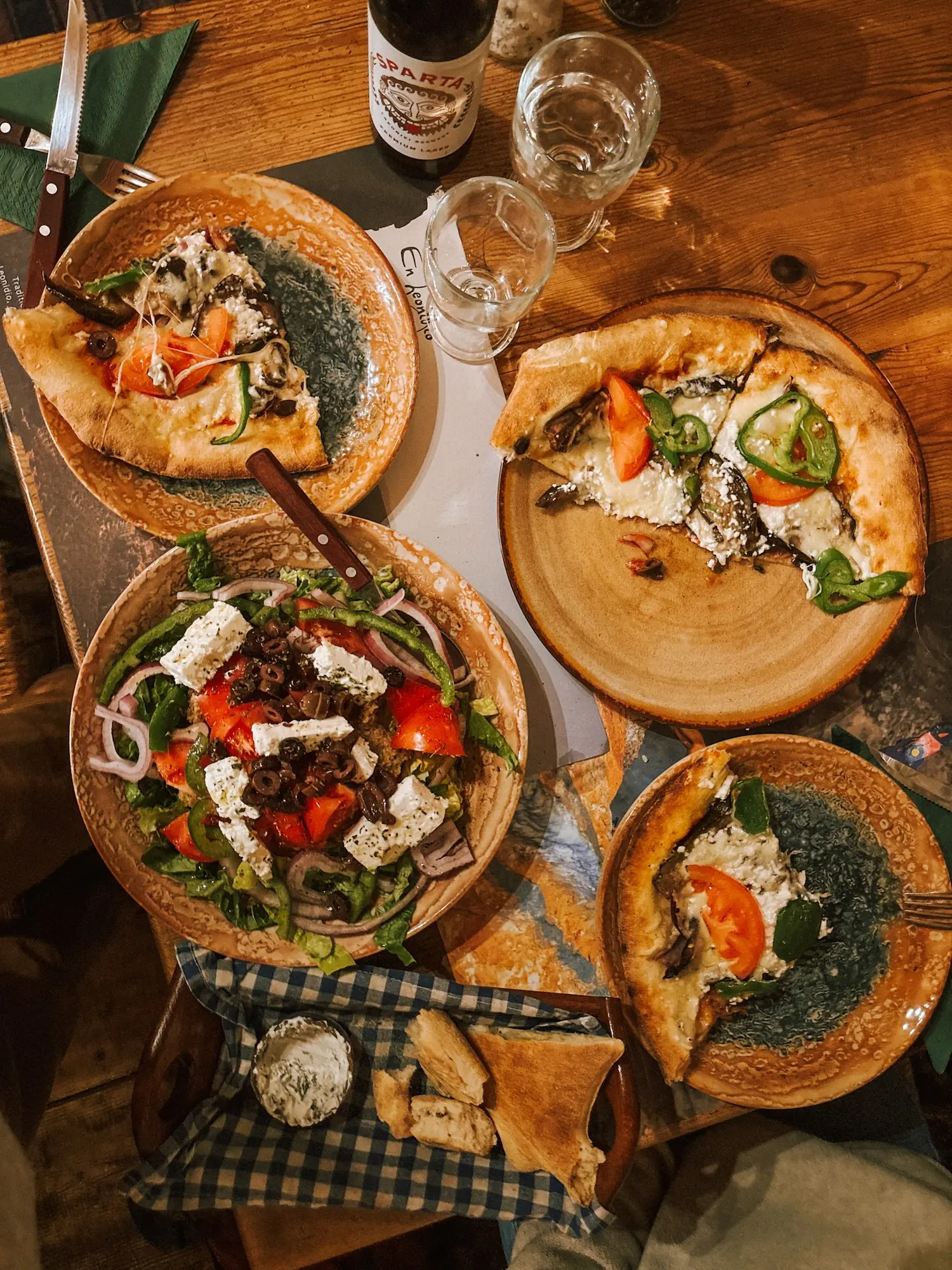
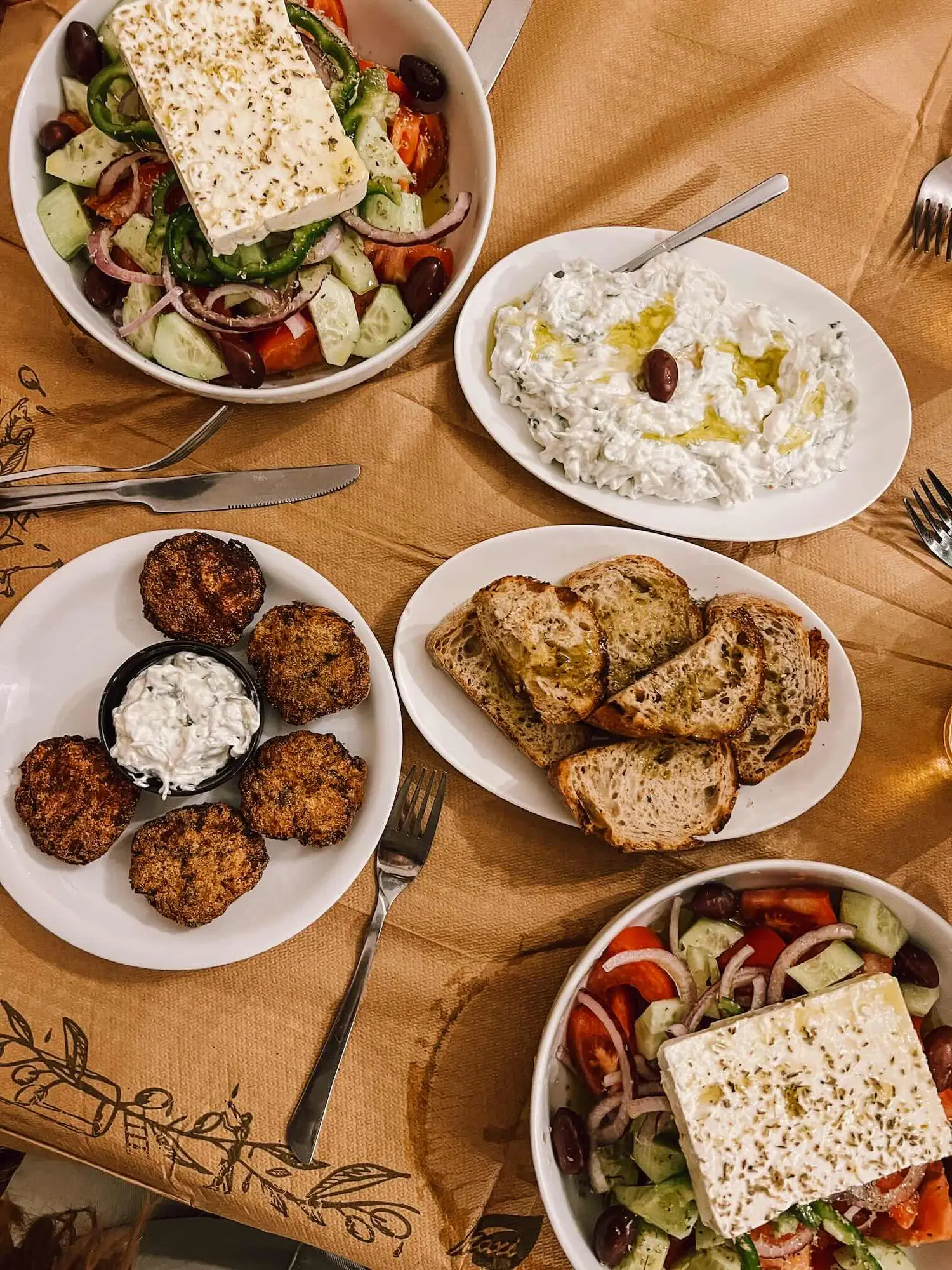
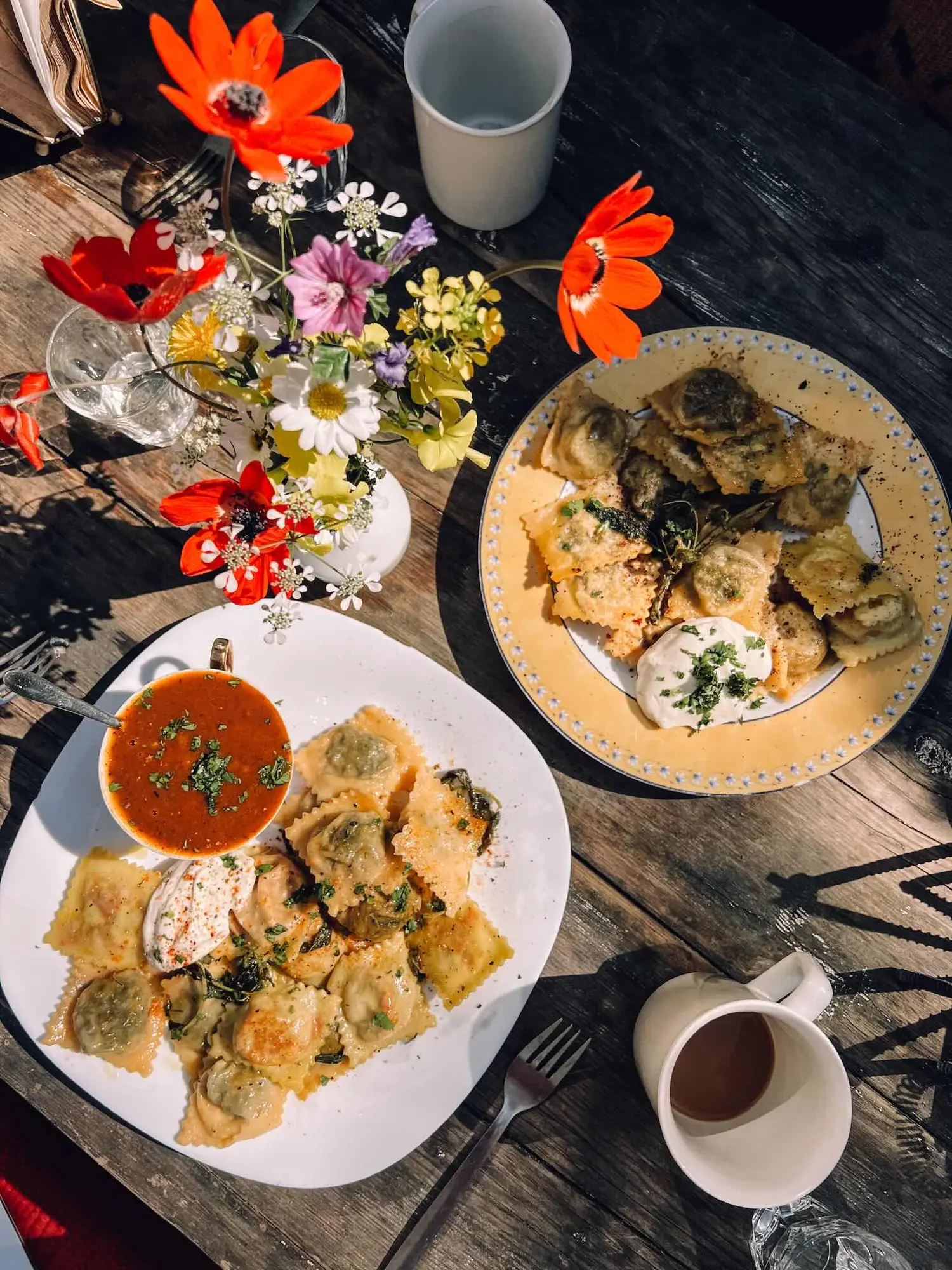
Another huge highlight: farm stays, which in Greece usually means tavernas. These are privately run RV spots, some totally free and some even with electricity. The deal is simple: you grab a bite or a drink at the taverna. Honestly, that felt less like a rule and more like a perk, because it's pretty hard to go wrong with Greek food.
What's the camper infrastructure like in Greece?
Toilets, showers, trash, laundry and supermarkets
We'd gotten spoiled by the great service infrastructure in Spain, France and Norway, where municipal RV areas for dumping gray and black water and filling up on fresh water are all over the place. In Greece? Not so much. Anything like that is few and far between.
Since we travel with a composting toilet and our urine tank holds nothing but, well, urine, gas stations were happy to let us empty it if we asked nicely. And when it came to doing the dishes, we stuck strictly to biodegradable, natural dish soap.
When there was really no way around it, say our battery was running low after a string of gray days, we were grateful to pull into a (private) RV park or, once in a while, a campground. You'll need a little luck, though: plenty of campgrounds don't open at all in winter.

Storytime: leave it better than you found it
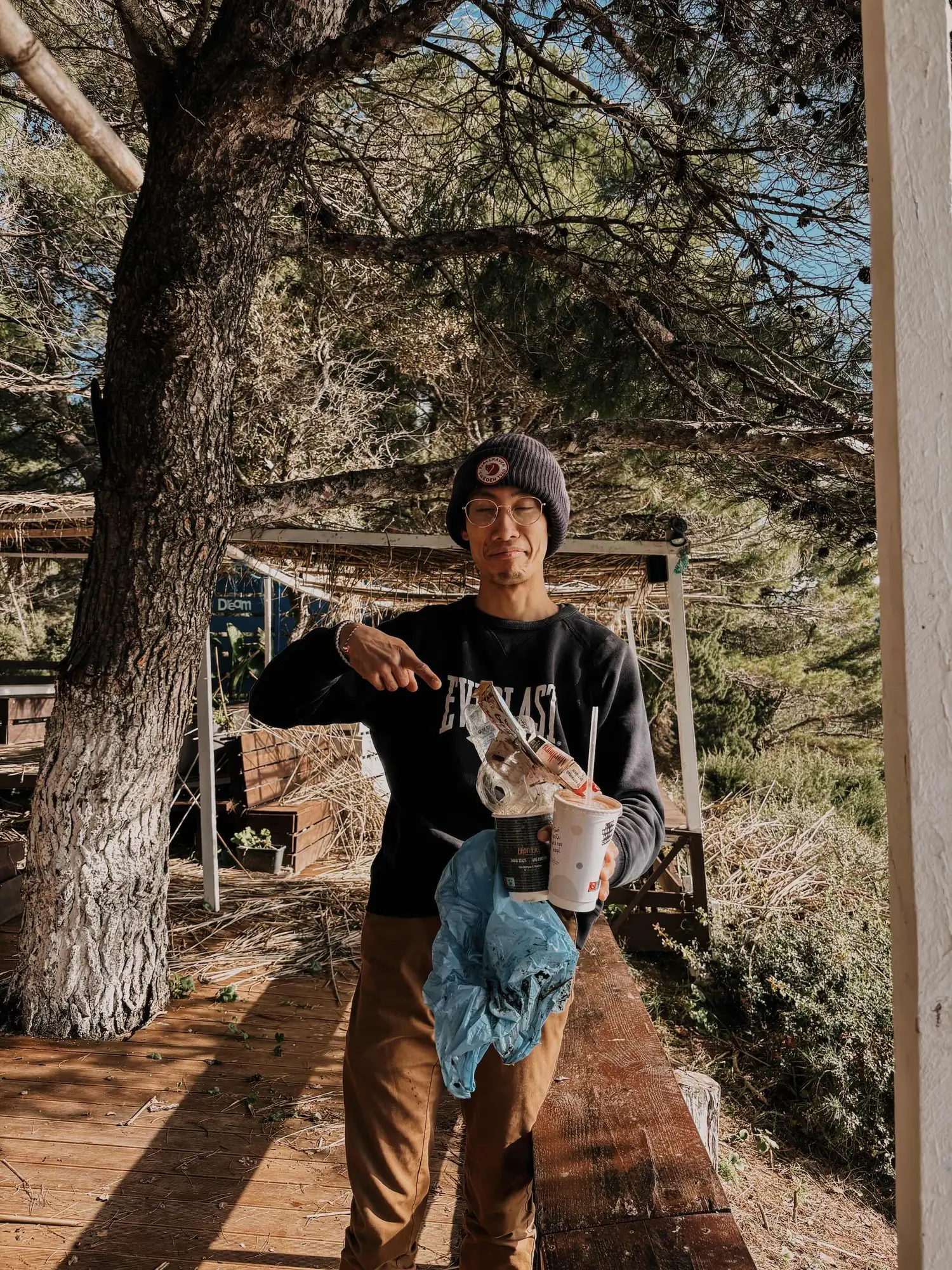
Sadly, we kept running into trash left behind by people who didn't use the cans right in front of them. And in a lot of places, there was literally a public trash can every few yards.
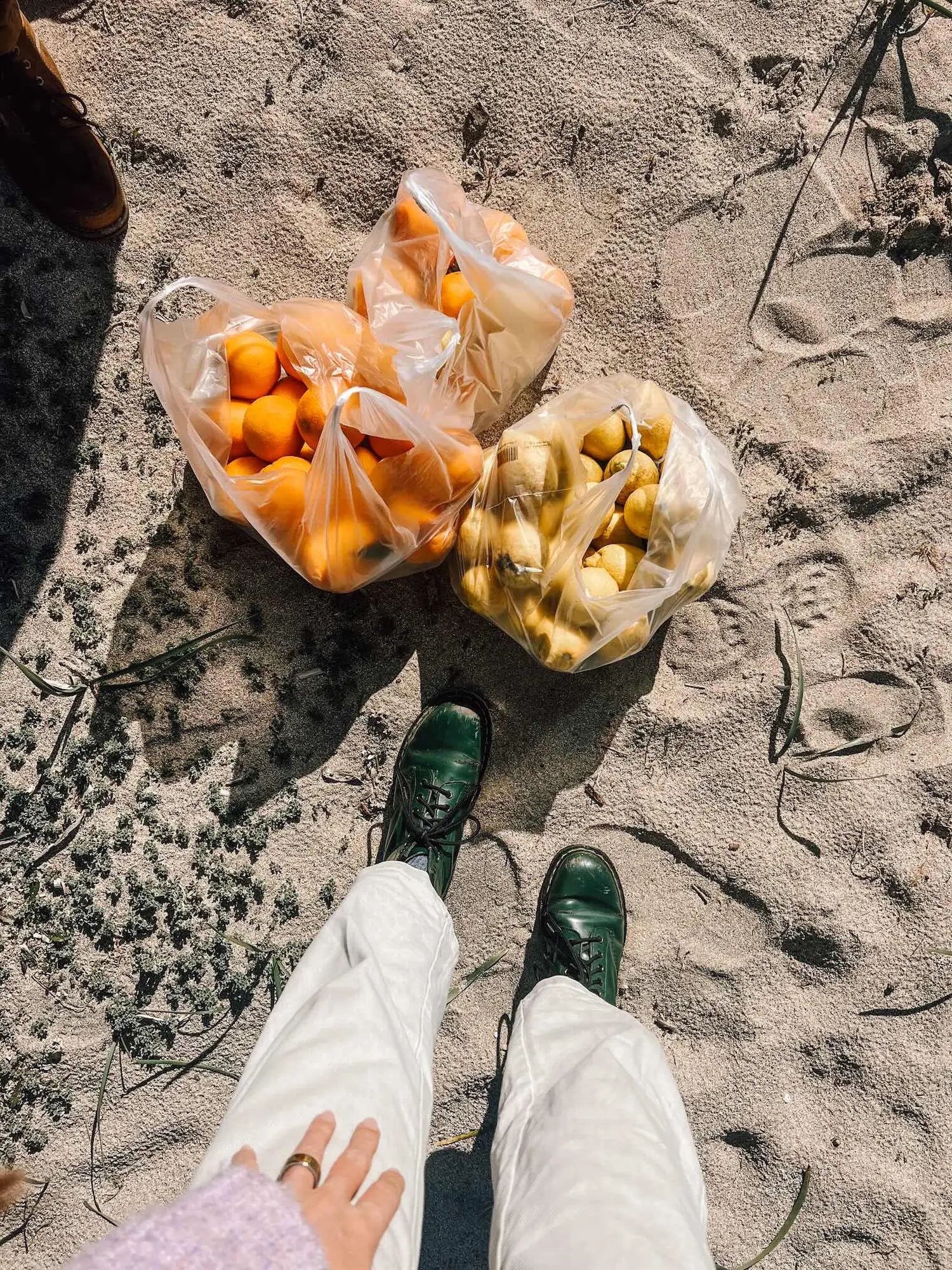
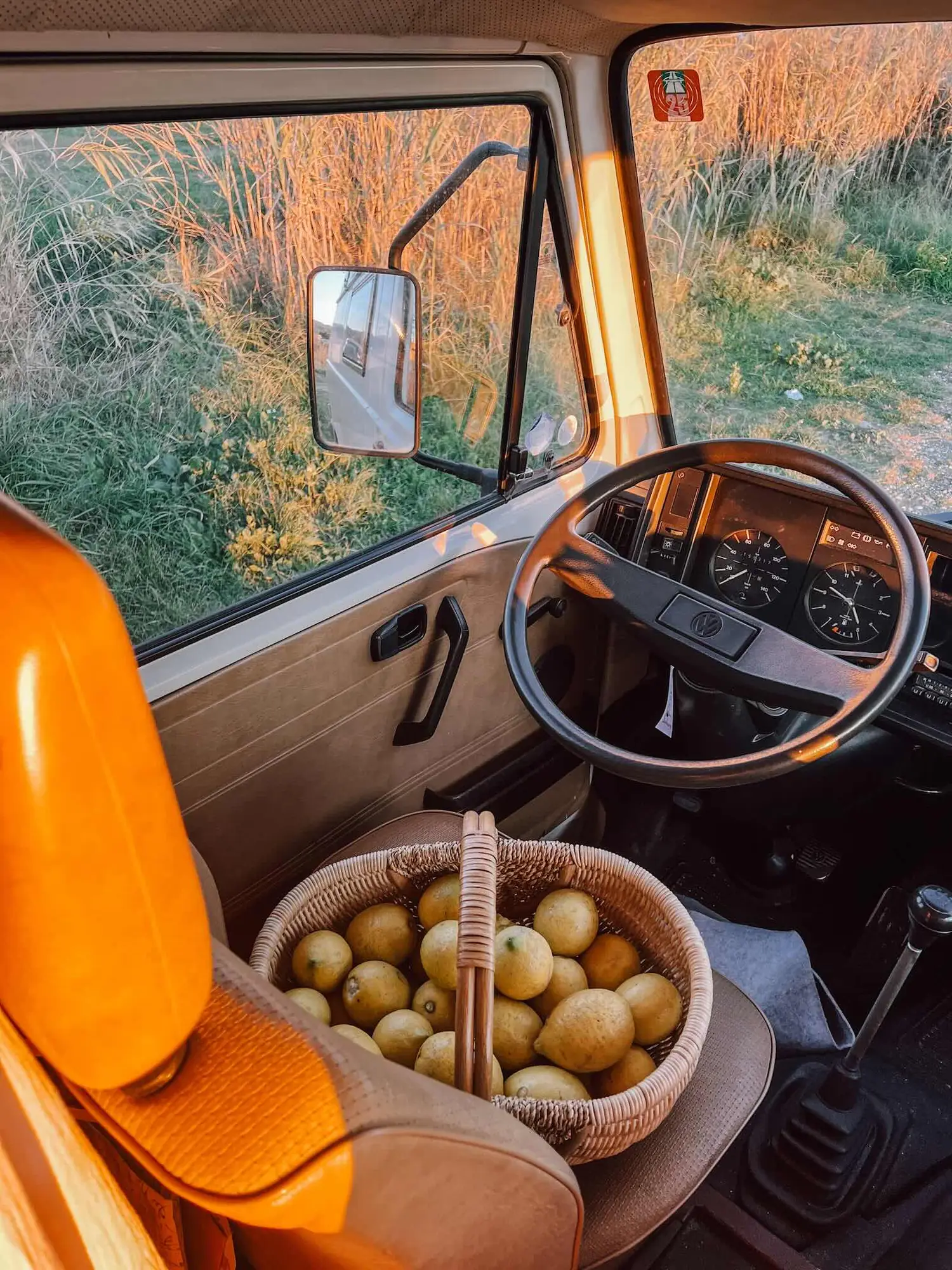
So at one beach, we just rolled up our sleeves and started picking it up. A local was watching, and he was apparently so thrilled that he came over afterward and handed us five kilograms (eleven pounds) of oranges and lemons.
It's little moments like these that stuck with us most from our winter in Greece.

Wildlife favorites: tortoises
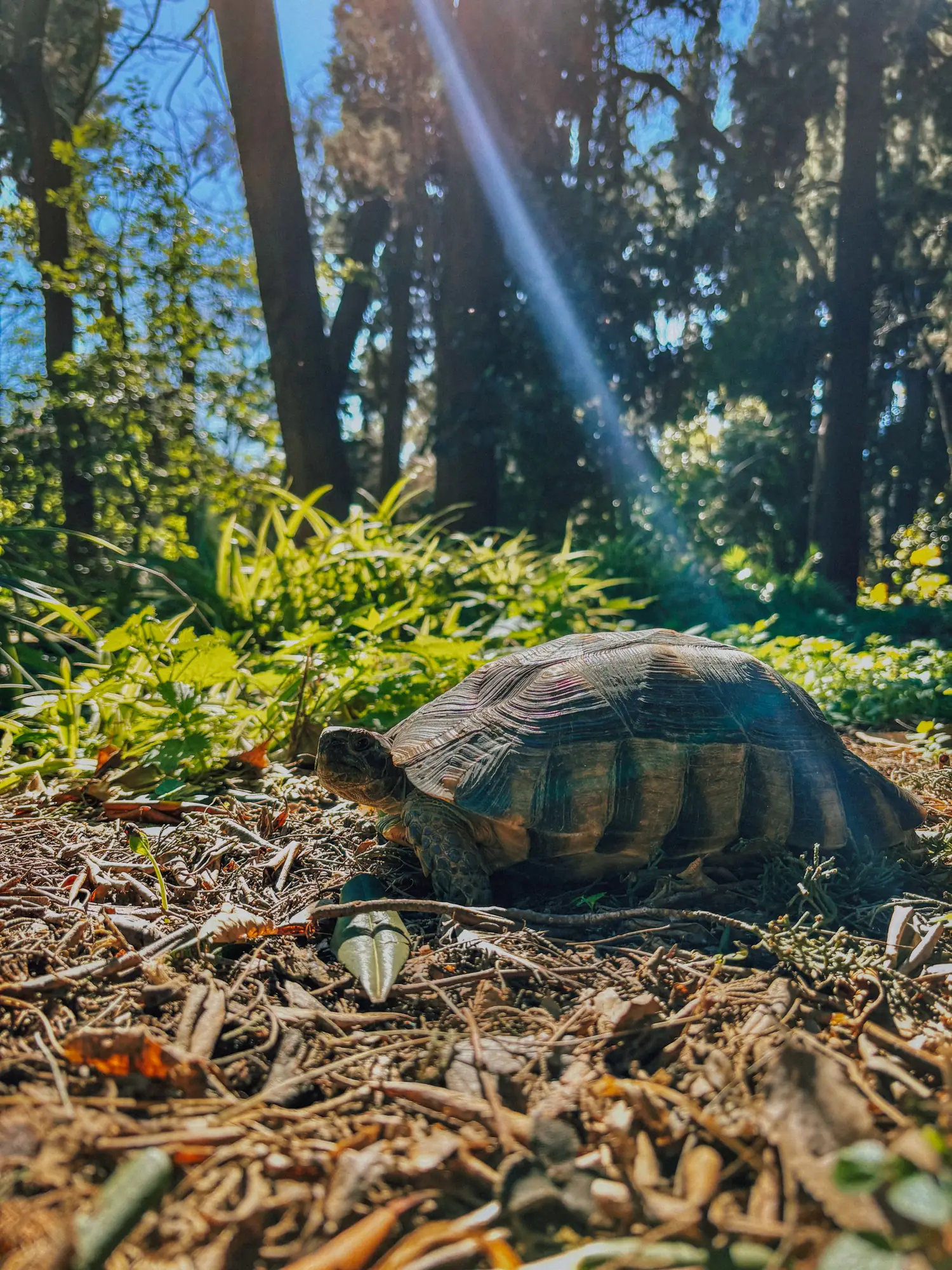
If luck is on your side, you've got a real shot at spotting tortoises in Greece. They wake up from hibernation starting in March. We were lucky enough to admire these majestic animals in the parks of Athens, and if the stars align, you might also cross paths with one on the hiking trails of the Peloponnese. As with any wild animal, keep your distance and give them the respect they deserve. Three species live in Greece: the Hermann's tortoise, the spur-thighed tortoise and the marginated tortoise. All three are strictly protected. Touching them, moving them, or even taking one home is illegal and can be dangerous for the animals: they stick to a fixed territory and rarely find their way back once they've been relocated.
How much did our winter in Greece actually cost?
In January, we lived in the van full-time, so that month's spending gives a pretty honest snapshot of what life on the road really costs us.
Here's exactly where the money went:
- Groceries: CHF 240.42 (€262.55)
- Gas: CHF 243.59 (€266.02)
- Shopping & leisure*: CHF 97.52 (€106.50)
- Overnight stays: CHF 45.33 (€49.50)
- Health: CHF 0.00 (€0.00)
- Transportation: CHF 56.27 (€61.45)
- Cafés & restaurants: CHF 55.84 (€60.98)
- Activities: CHF 6.04 (€6.60)
- Services: CHF 0.00 (€0.00)
- Humbär: CHF 172.97 (€188.89)
- Total: CHF 917.98 (€1,002.49)
* This also includes a €100 cash withdrawal for odds and ends like parking spots, market runs and so on.
Converted at the European Central Bank reference rate for January 31, 2026: 1 EUR = 0.9157 CHF. Since January 31 was a Saturday, the rate from Friday, January 30 applies.
What caught us off guard: some things were surprisingly pricey
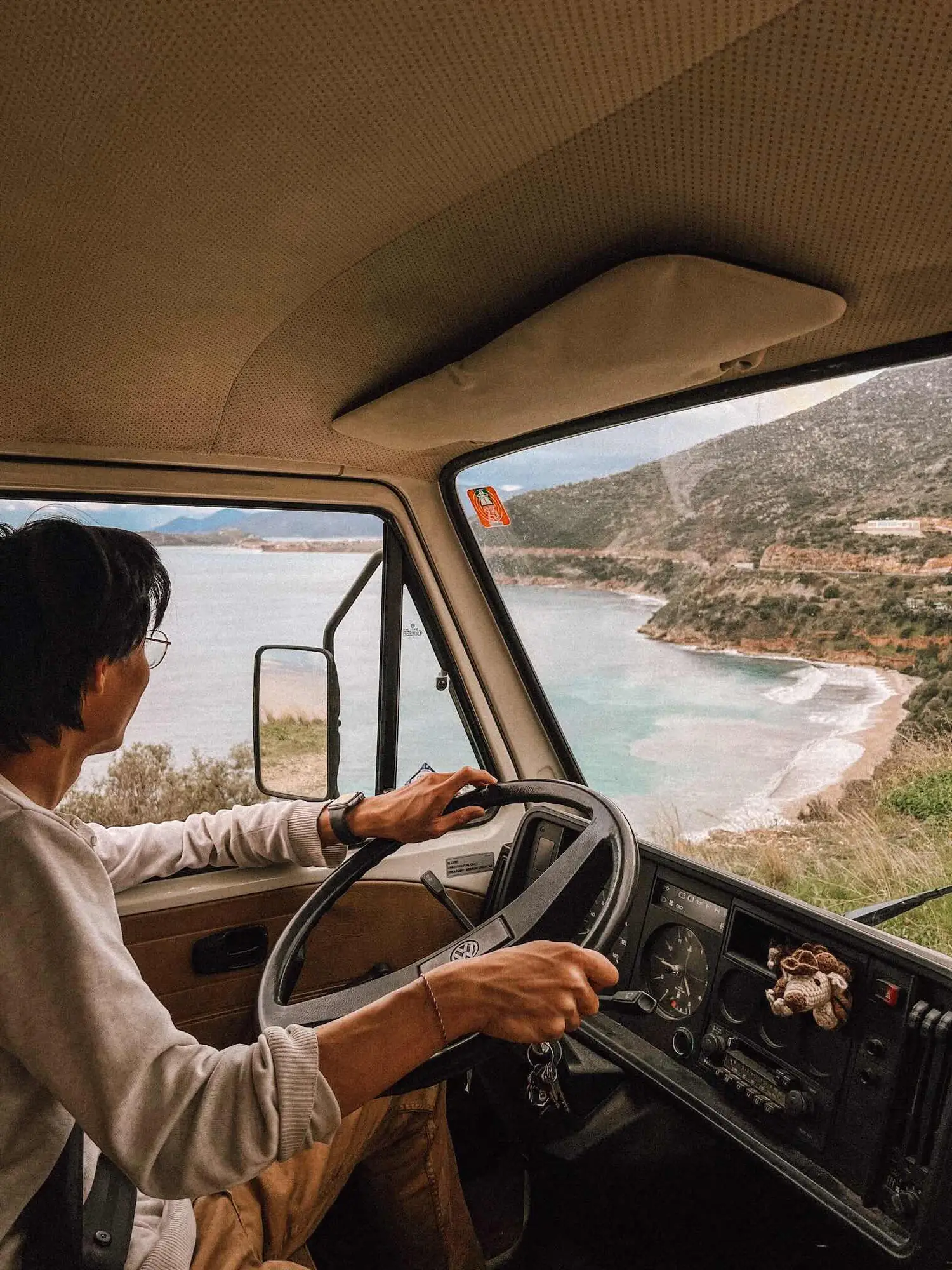
Groceries at the supermarket
Believe it or not, some groceries cost more than in Germany, and a few even beat Swiss prices. For certain products, we'd definitely expected a much smaller bill.
Gas
Note: our numbers are from before the Iran war. Back then, we never filled up for less than about €1.65 per liter (roughly $7 per gallon).
Highway tolls
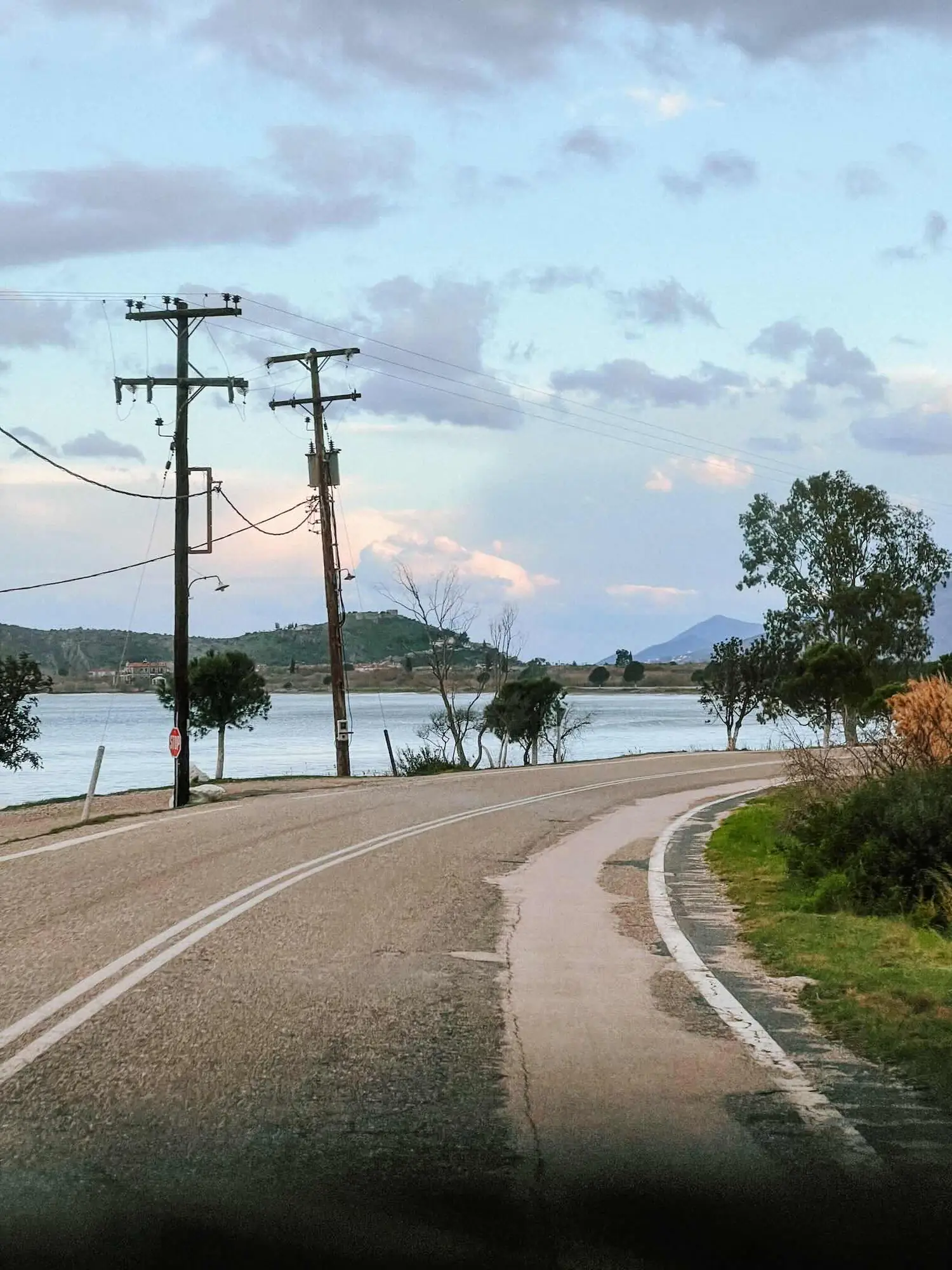
Tolls were hands down the most painful expense. On fairly short stretches of highway, our 2.6-meter-tall (8.5 ft) motorhome sometimes was charged anywhere from €10 to €25. It comes down to vehicle categories: most Greek toll operators draw the line at an overall height of 2.20 meters (7.2 ft). Anything taller gets bumped from category 2 to category 3 and pays a whole lot more, sometimes double.
That said, a lot of the alternatives meant winding mountain roads in rather questionable shape, so we were still grateful for the smooth highways. Whenever we had time to spare, though, we happily skipped the tolls and took the scenic route through gorgeous villages and quiet country roads. Good to know: Greek toll booths sometimes pop up out of nowhere in the middle of a stretch that's been free up to that point. Paying by card was never an issue at any of them, and every once in a while they even took AmEx.
How to save money on vanlife in Greece
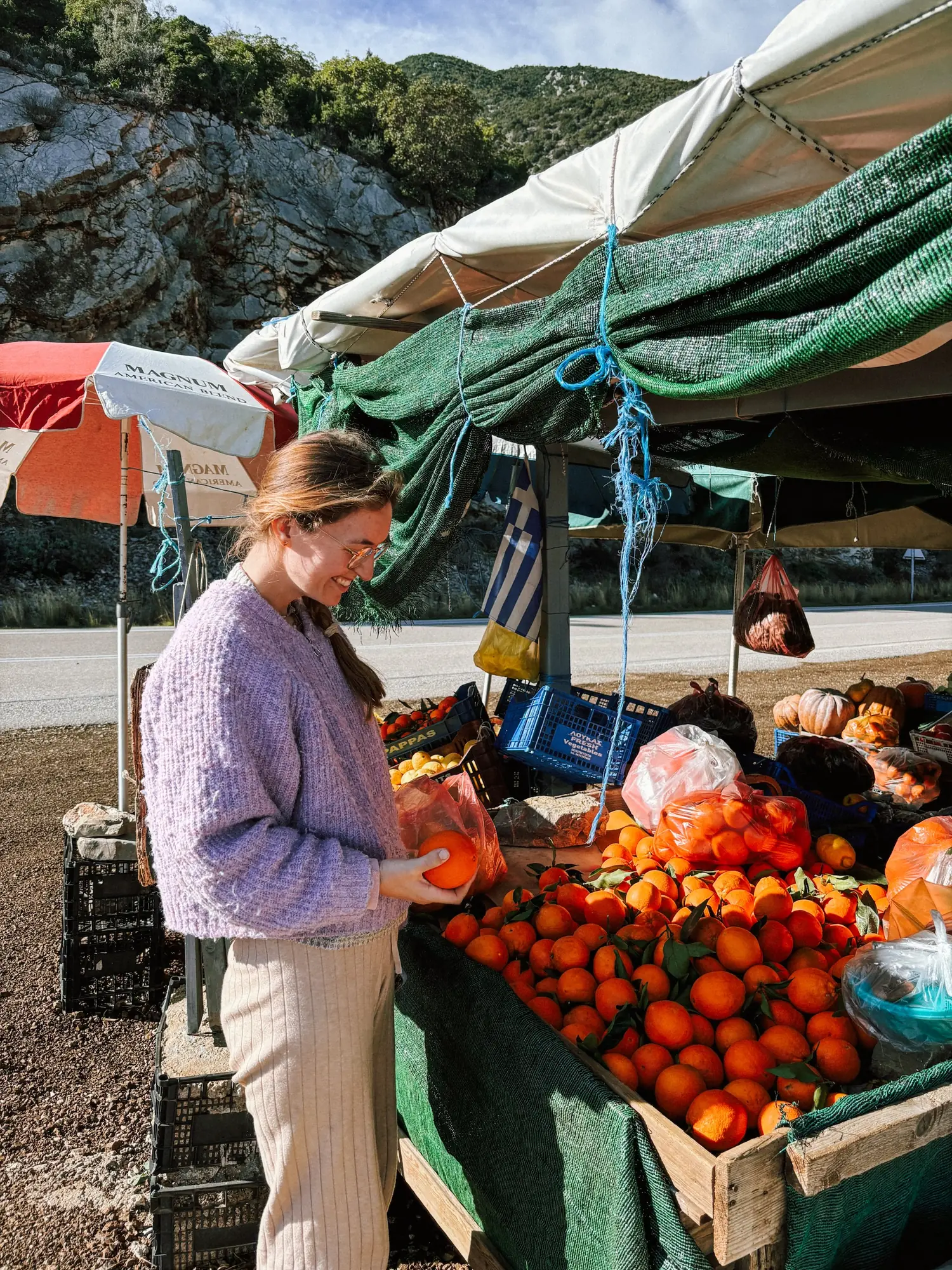
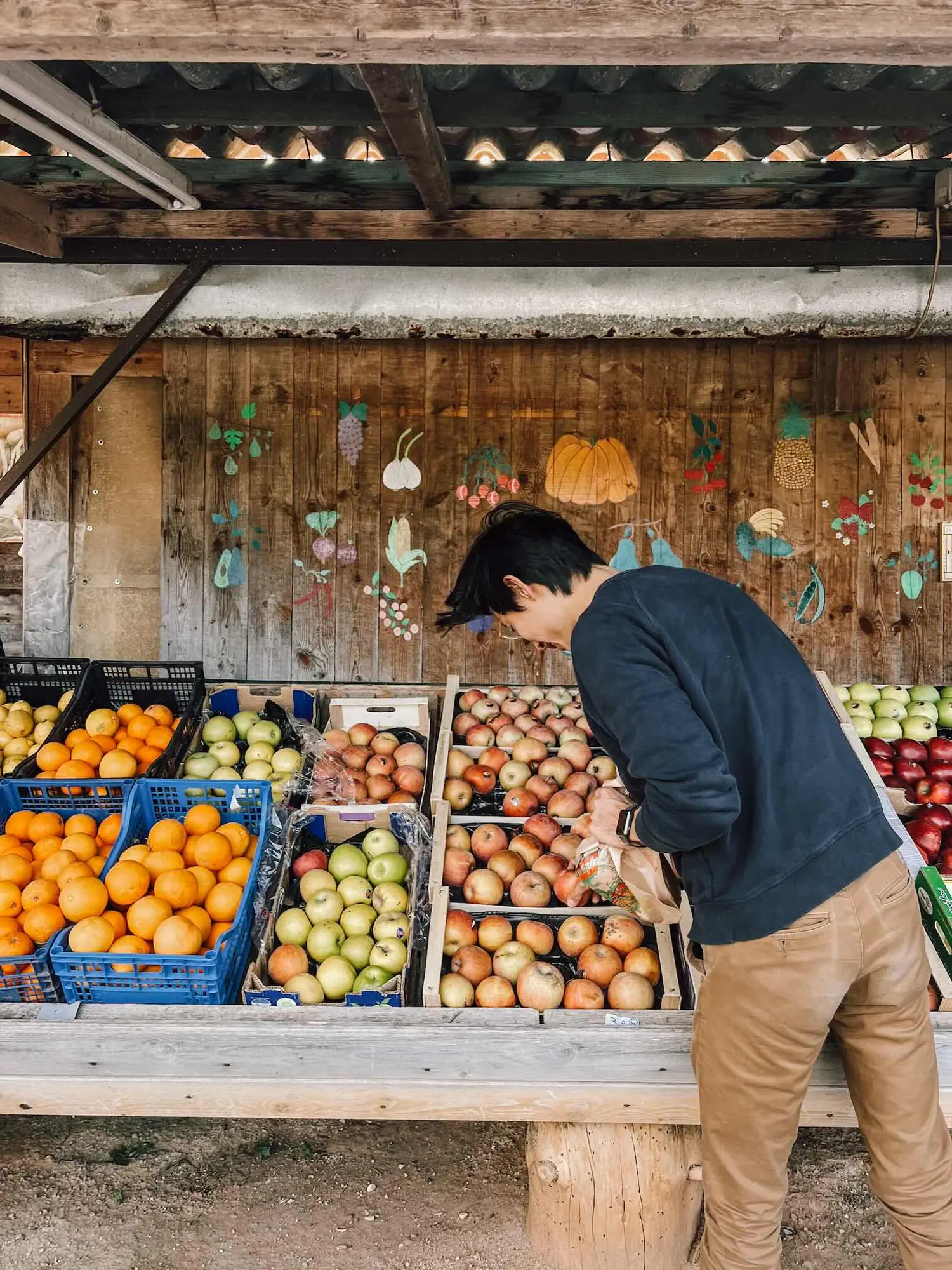
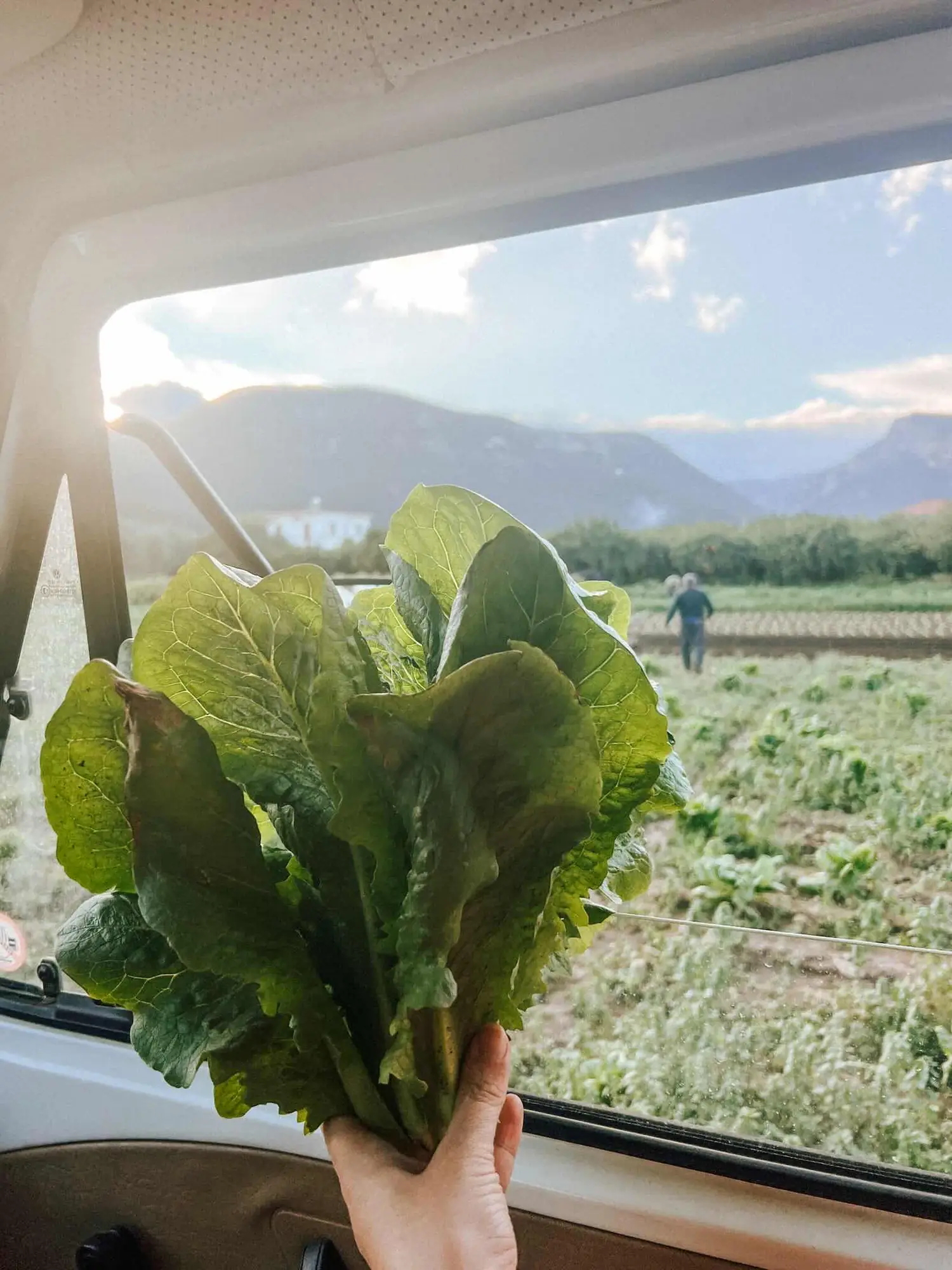
Shop at weekly markets and roadside stands
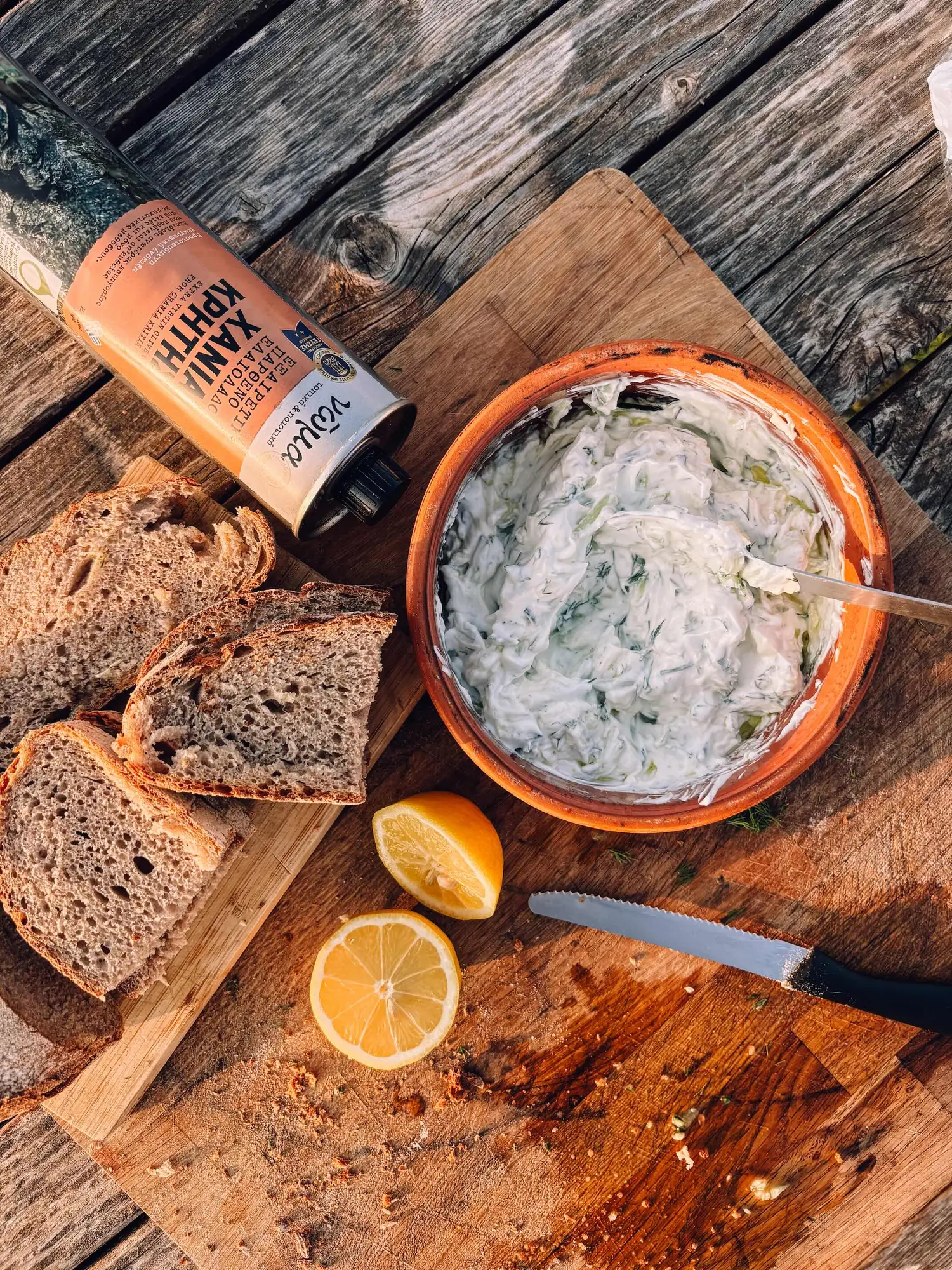
The produce practically smiled at us: fresh, juicy, bursting with flavor, and usually way cheaper than at the supermarket.
Buy feta at the cheese counter
Some supermarkets had a surprisingly huge selection of local feta. The varieties differ way more than the packaged stuff, and bonus: it's easier on the wallet, too.

Vanlife favorites: clay pots
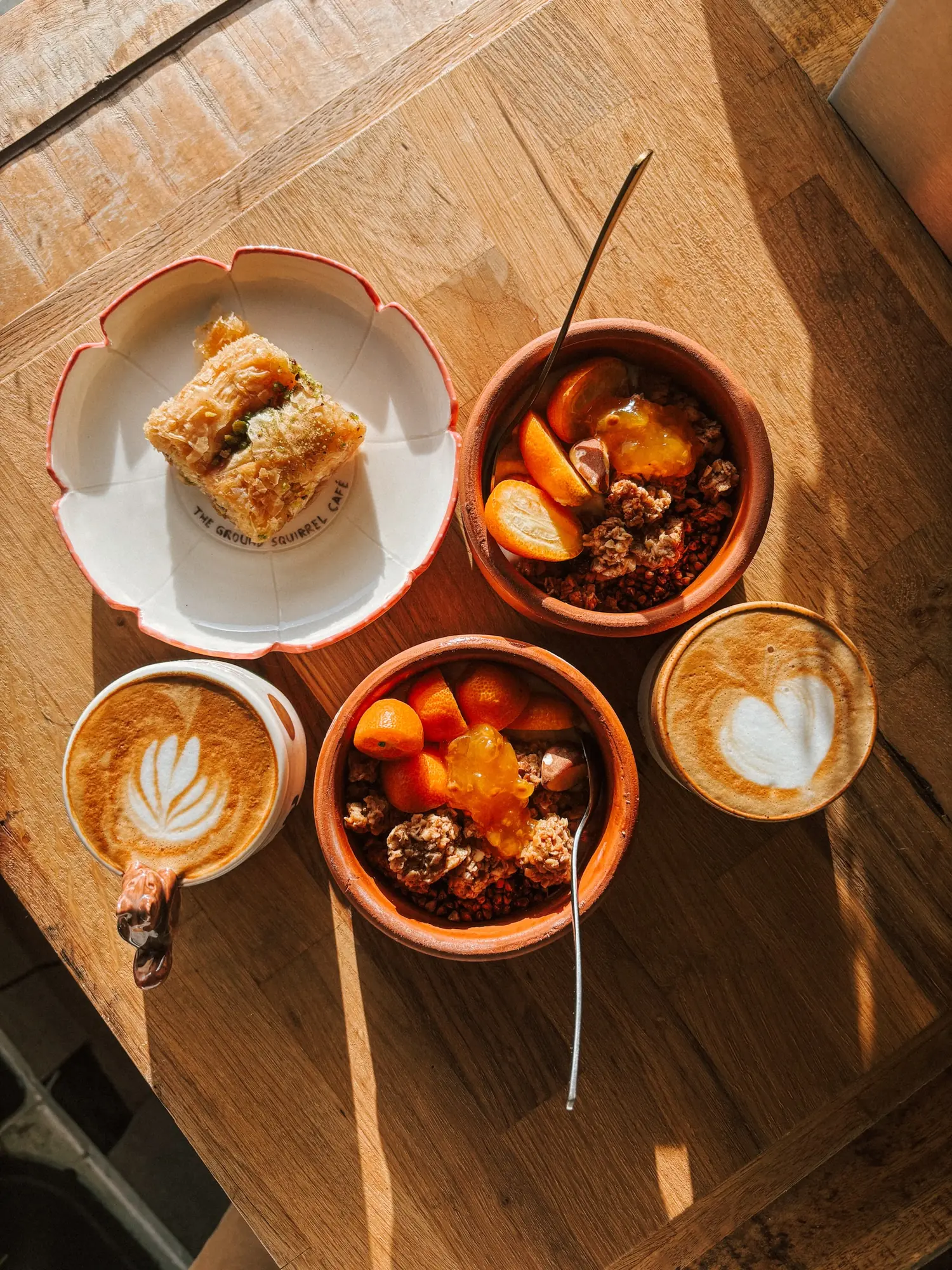
Evelyne and sheep's milk? Not exactly best friends. But Greek sheep's milk yogurt knocked the socks off both of us. It's a true culinary gem, and here's the best part: it comes in little clay pots, straight off the supermarket shelf. Our tip: rinse them out and keep them! They're ridiculously stylish and instantly became our go-to (breakfast) bowls.
Can you swim in the sea in Greece in winter?
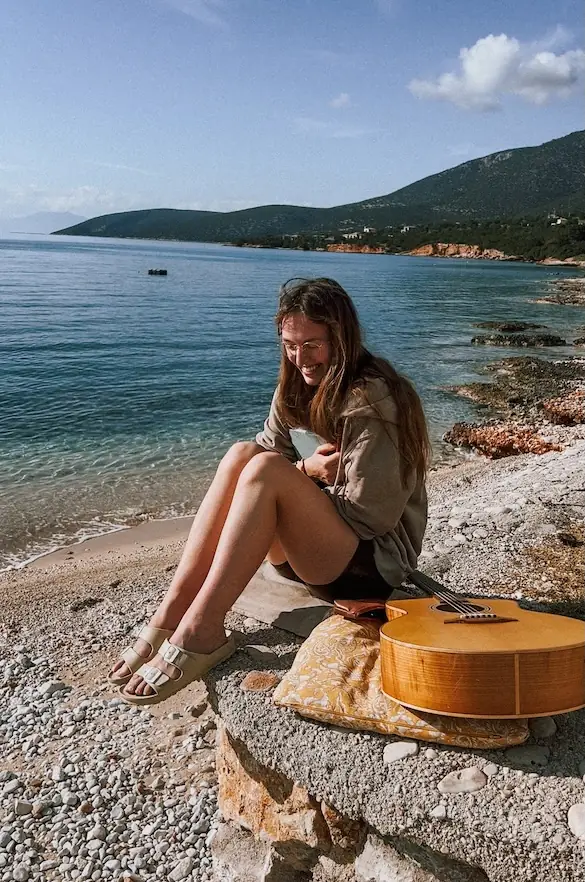
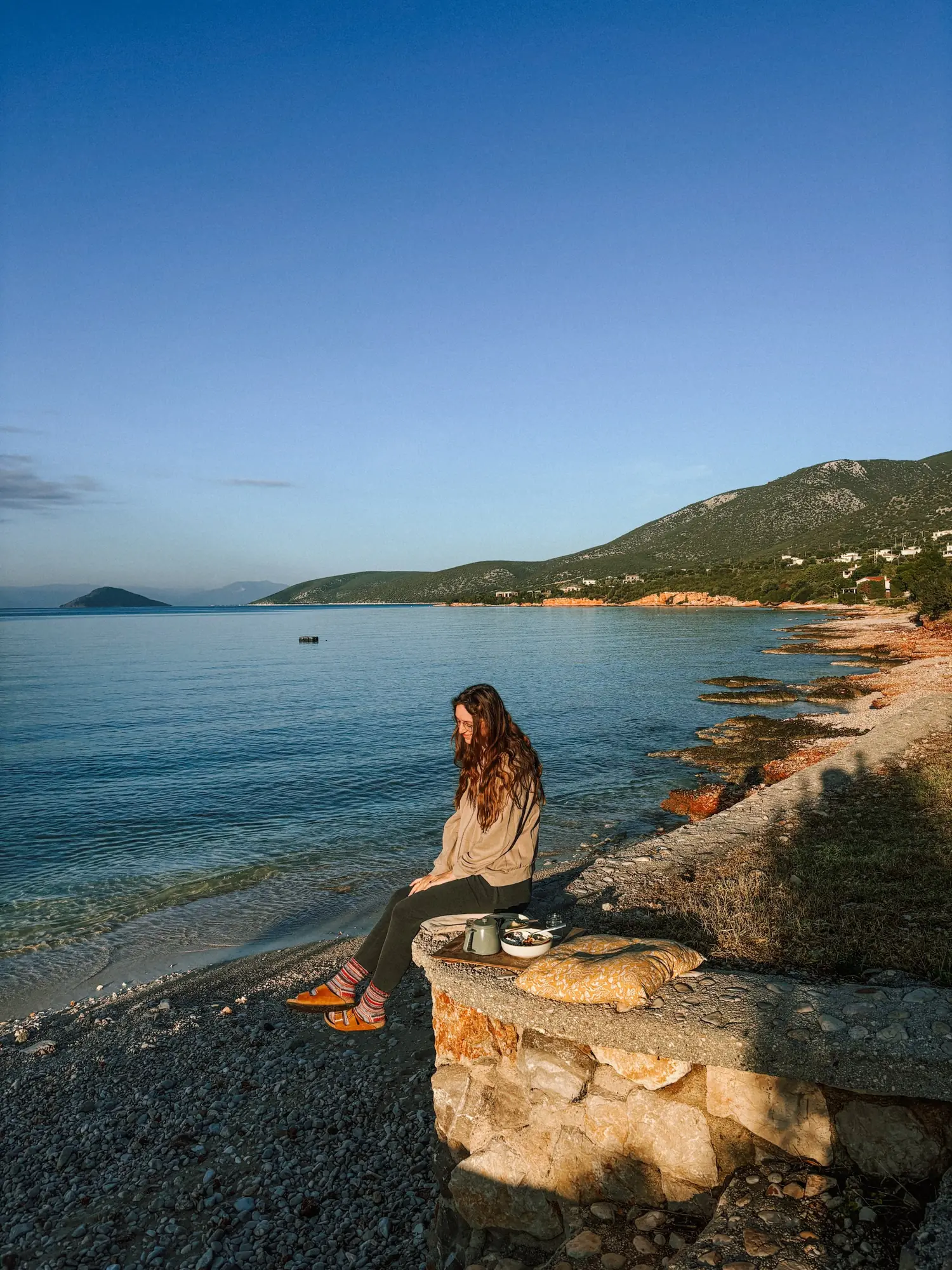
We parked right by the sea all the time, so of course it was tempting to take the plunge, and a few times we actually did.
That said, swimming was definitely not a daily thing. Even with the sun out, the water was pretty brisk. But every time we worked up the nerve, it turned into a little adventure.
Where we swam, the water hovered around 15 °C (59 °F). That's pretty much par for the course: the sea around the Peloponnese bottoms out at about 14 to 16 °C (57 to 61 °F) in February and March and doesn't really warm up again until May.
Vanlife favorites: hot springs
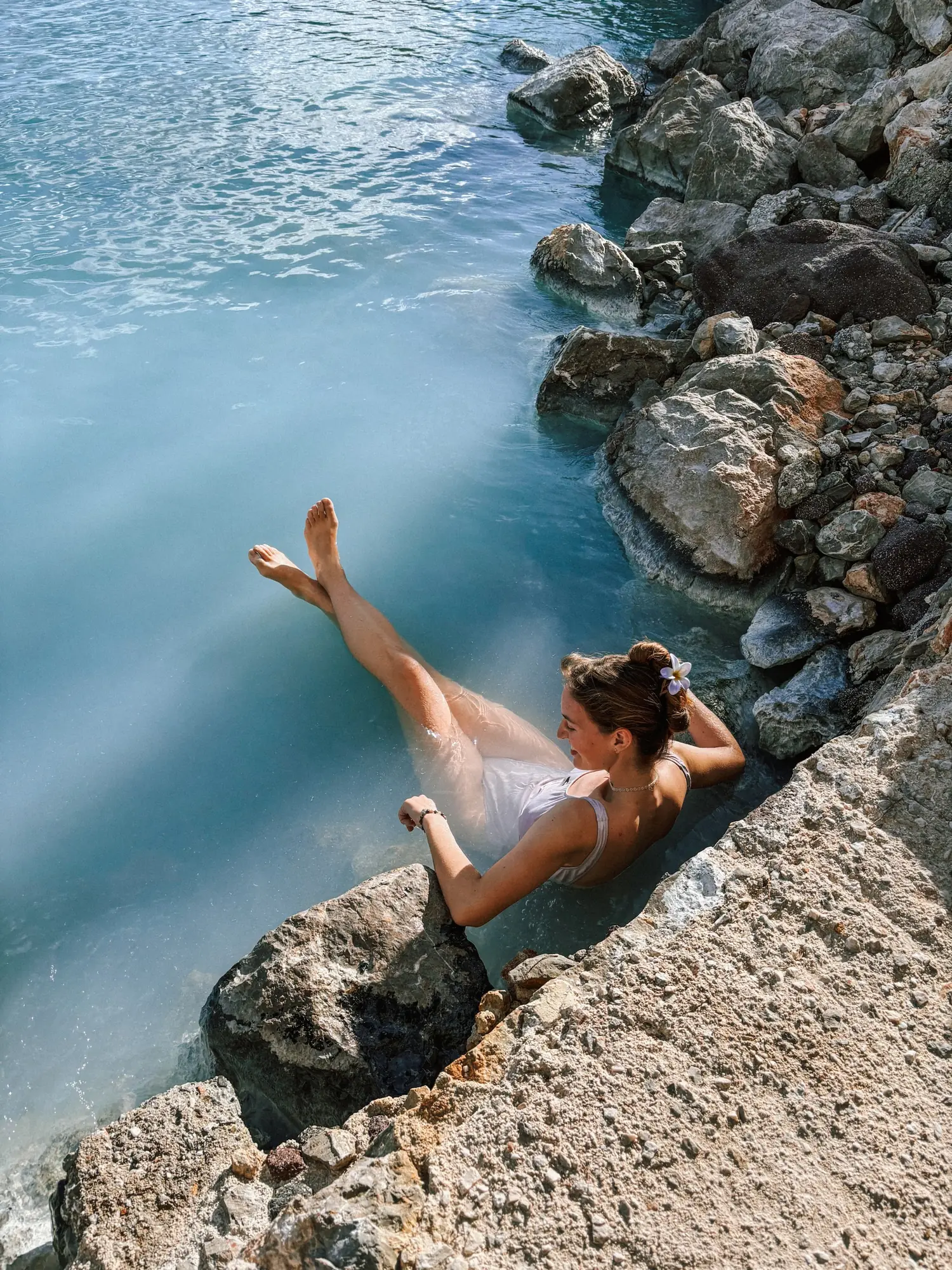
From Methana all the way to Thermopylae, the ultimate highlight is sulfury, bubbling hot water gushing straight out of the ground. Sure, you won't come out any cleaner, but on a cold, windy day, sinking into one of nature's free hot tubs at over 36 °C (97 °F) feels stinkingly divine. What a wonder this planet is! A practical tip: silver jewelry tarnishes within minutes in the sulfur water, so take it off before you hop in.
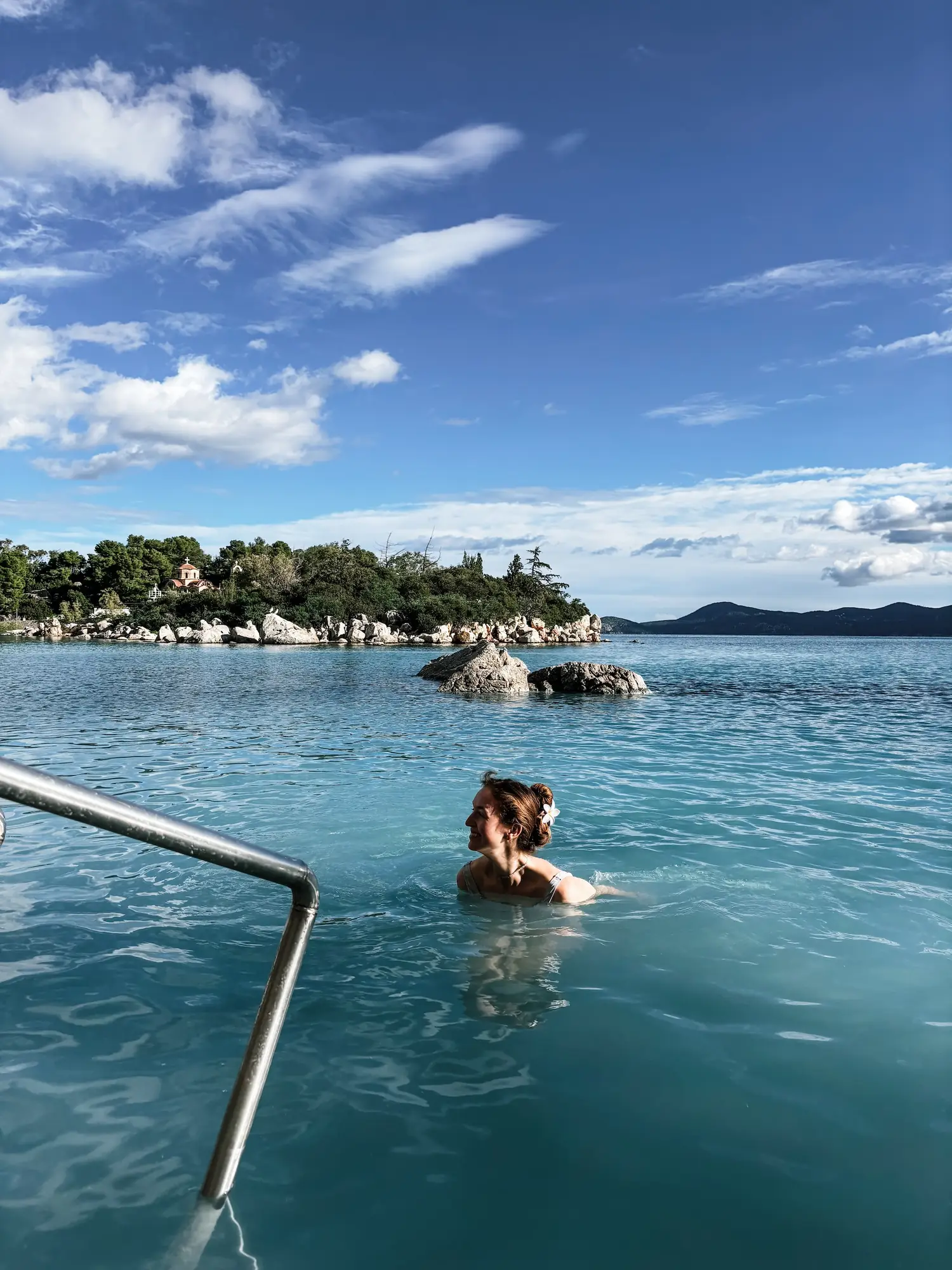
What's the vanlife community like in Greece in winter?
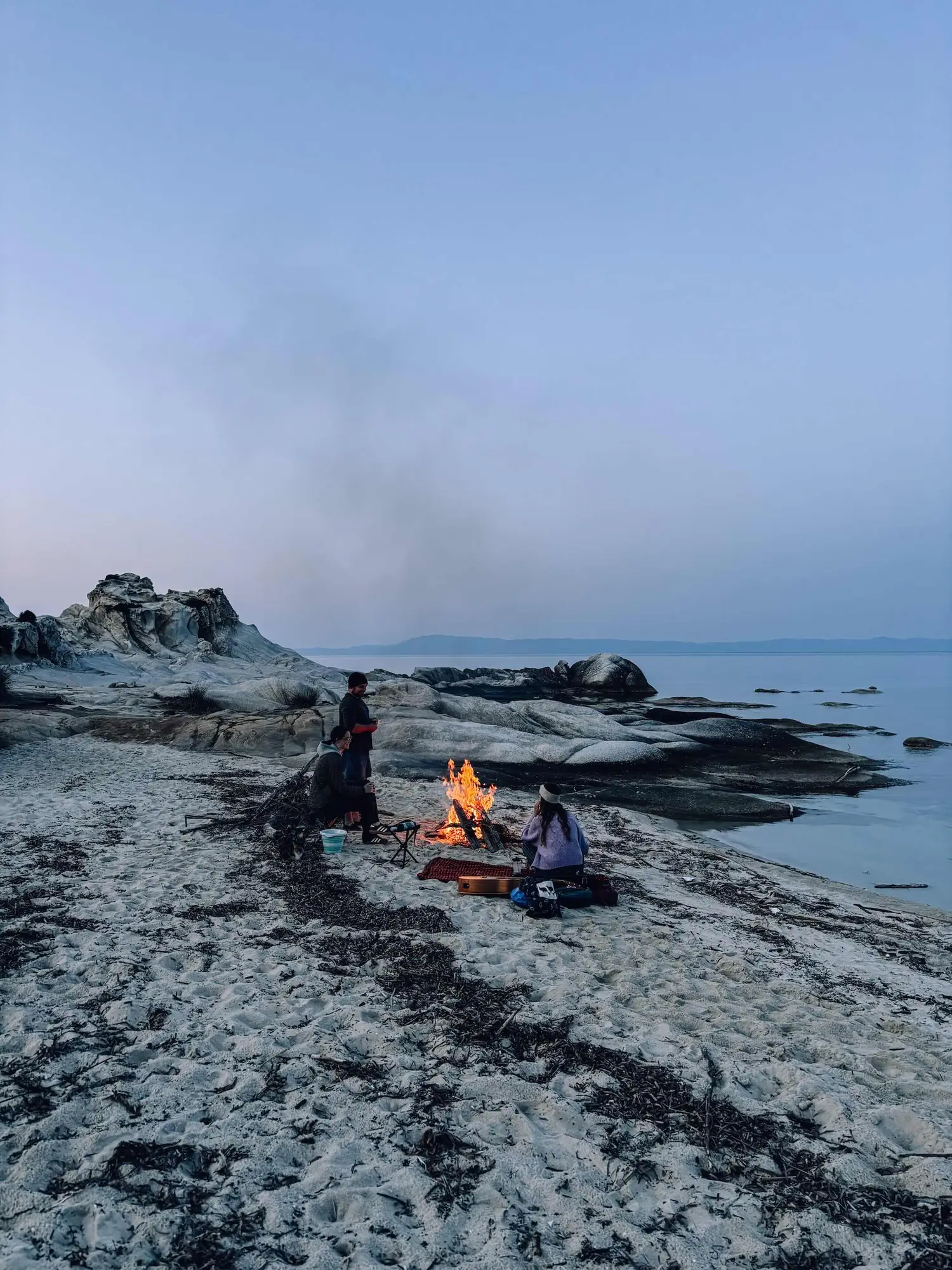
Nowhere else have we had so many spontaneous, heartwarming encounters with fellow vanlifers as in Greece.
The weather basically herded everyone into the same few regions and routes. So we kept bumping into the same faces in different places, made a bunch of new friends and had a wonderful time together.
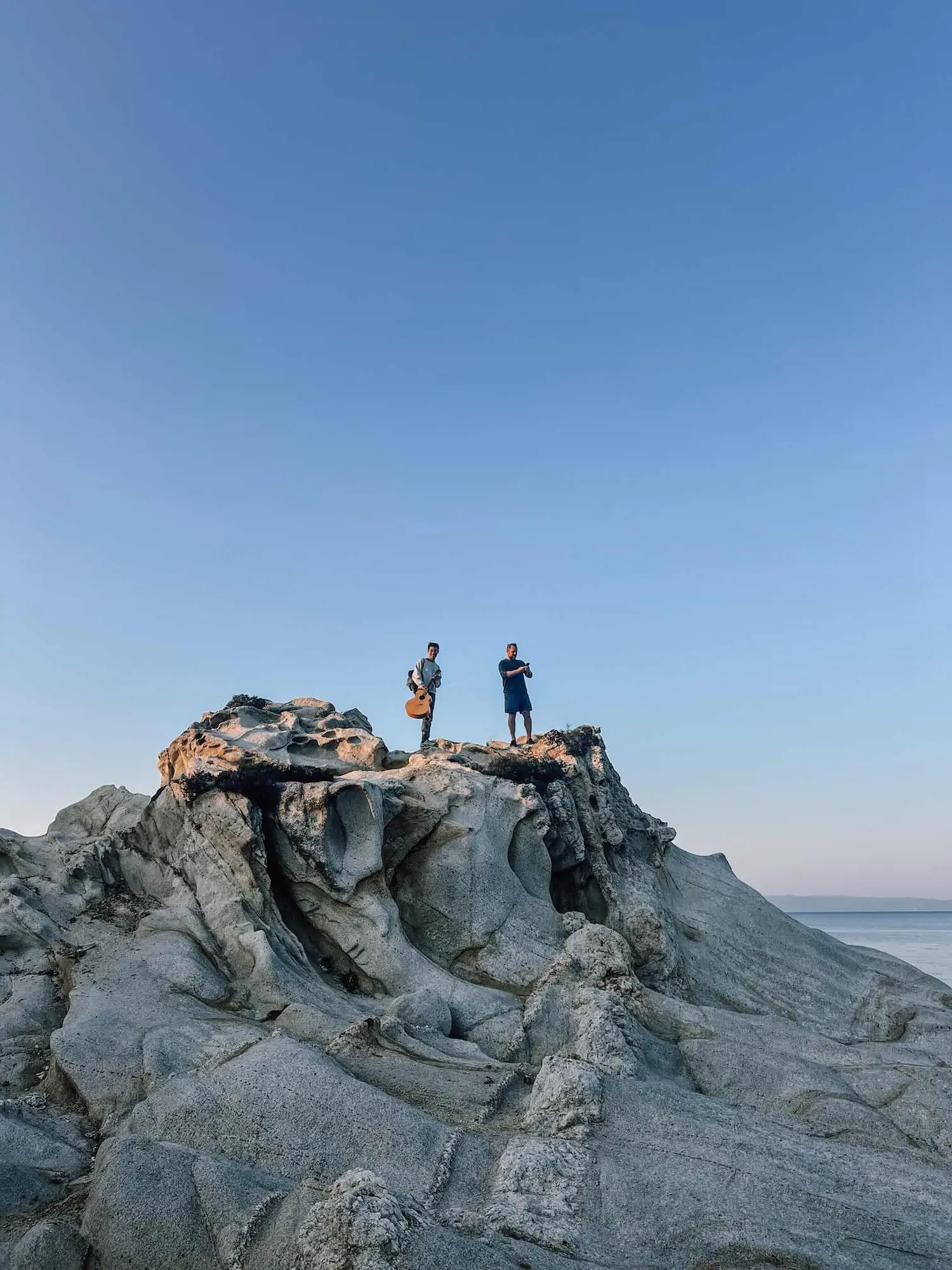
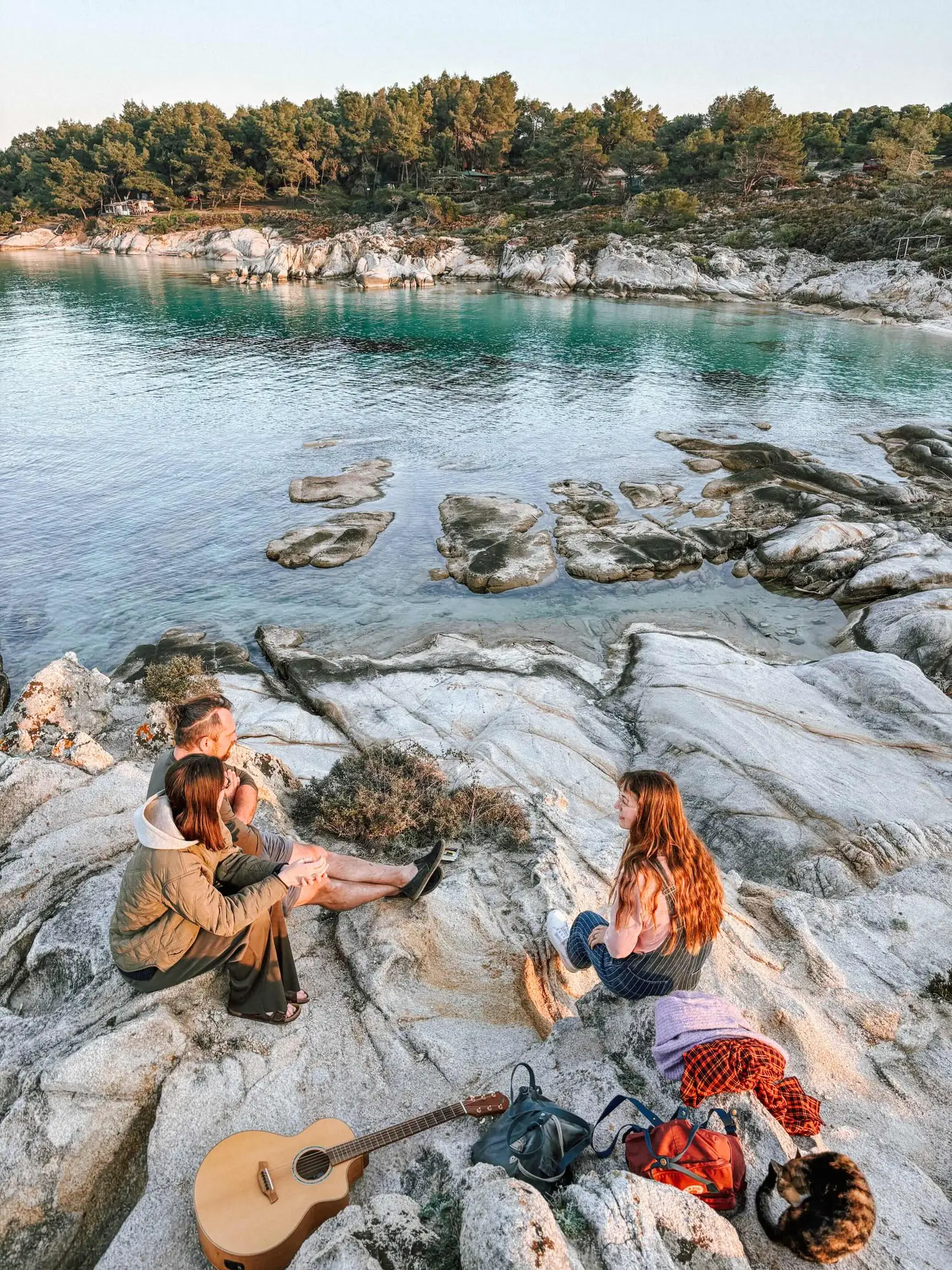
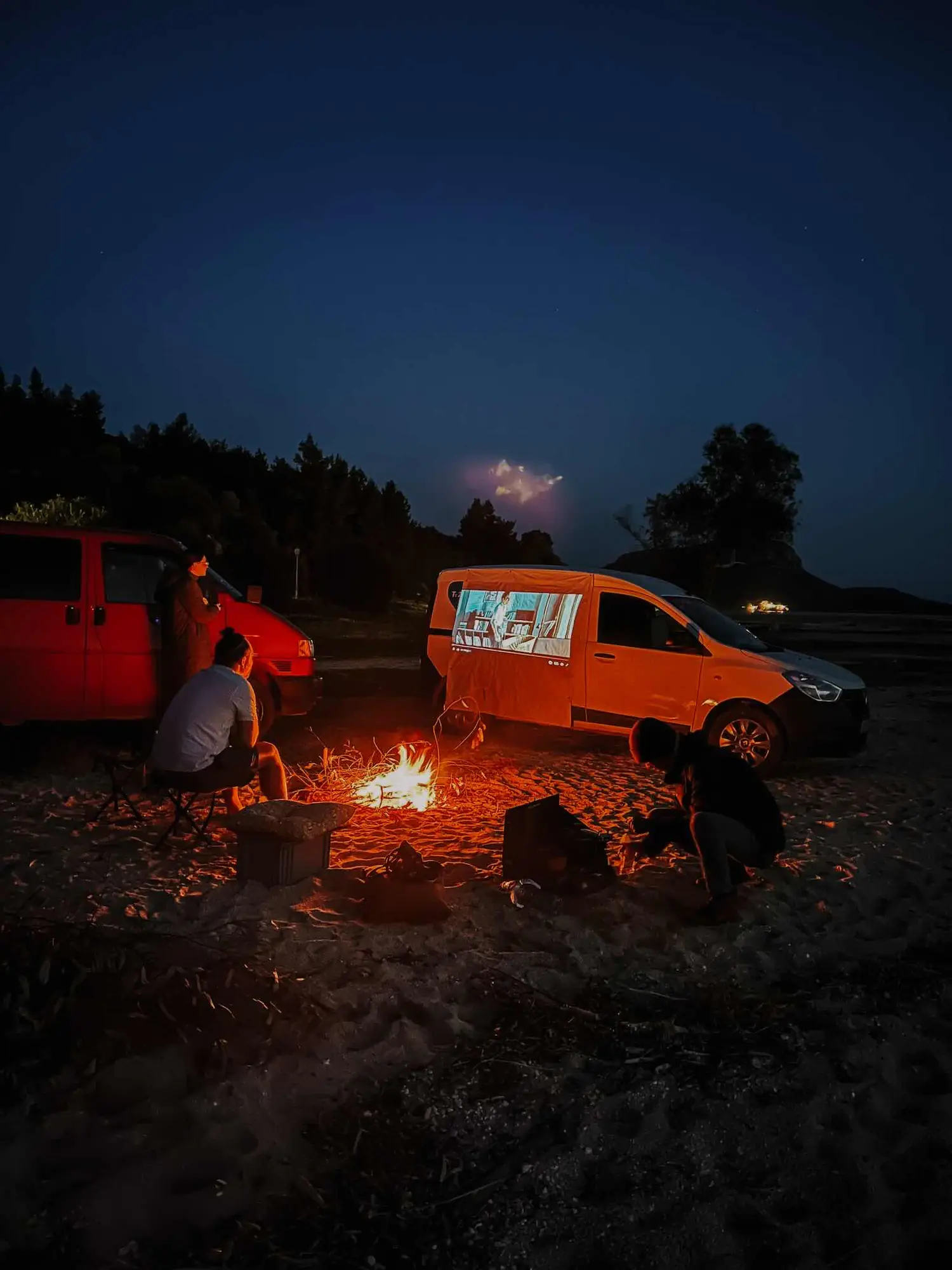
Since we were traveling in the off-season, our neighbors were usually a mix of snowbird retirees and fellow vanlifers. The big sights were way quieter, too: outside of Athens, it was mostly RV travelers and locals.
And maybe that was the most beautiful part of a Greek winter: emptier roads, sleepier towns, and a vanlife community that somehow felt closer than ever.
Would we do a vanlife winter in Greece again?
Hell yeah, in a heartbeat! Sure, the cold, the rain and the sometimes nonexistent camper infrastructure threw us a few curveballs. But they pale next to everything we got in return: dreamy beaches, Greek food we still daydream about, heartwarming encounters and wildly diverse nature. We'd come back any day.
With 🐿️ by Frank
Im letzten Winter zwischen Dezember und März sind wir mit unserem autarken Camper Humbär in Griechenland überwintern gegangen. Schnell ist es zu unserem Lieblingsland für Vanlife geworden. In diesem Blog teilen wir unsere Erfahrung mit dir, erzählen von Begegnungen und unseren Erlebnissen. Vielleicht hilft es dir ja ein wenig bei deiner Reiseplanung, falls du ebenfalls vorhast, in Griechenland mit dem Van zu überwintern.
Wie war unsere Griechenland-Route?
Unsere Fähre ging von Ancona in Italien nach Igoumenitsa in Griechenland. Von dort aus machten wir uns langsam Richtung Patras und auf die Peloponnes.
Ursprünglich wollten wir ganz entspannt der Westküste entlangfahren und uns jeden einzelnen «Finger» der Peloponnes anschauen. Allerdings gab es an der Westküste ungewöhnlich viele Regentage. Deshalb entschieden wir uns, weiter in den Osten bis nach Korinth zu fahren und uns von dort langsam nach Süden vorzuarbeiten. Das ist kein Zufall: Die Westseite der Peloponnes bekommt den Grossteil der Winterniederschläge ab, während die Bergzüge Taygetos und Parnon den Osten im Regenschatten halten. Wer im Winter Sonne sucht, fährt also tendenziell richtig, wenn er sich nach Osten orientiert.
Unsere Route führte uns unter anderem über:
Korinth → Epidaurus → Methana → Nafplio → Leonidio → Monemvasia → Elafonisos → Gytheio
Von Elafonisos ging es noch weiter bis nach Gytheio, bevor wir über Leonidio wieder Richtung Athen zurückfuhren.
Vanlife Favorites: Leonidio
Hier haben wir wegen dem Wetter und wegen Franks Arbeit viel Zeit verbringen dürfen. Ein Kletter-Mekka mit vielen Geschichten und den schönsten Orten, an denen man zusammenkommen kann. Jeden Montag gibt es einen Wochenmarkt. Dieser Ort hat ein Specialty-Coffee-Café, himmlische rustikale Tavernen, eine Kletter-Kooperative, eine Holzofenbäckerei, ganz besondere Konditoreien und einen legendären Olivenölverkäufer, der am Abend mit seinem Minivan auf dem Stellplatz vorbeischaut.
In Athen standen wir auf einem bewachten Stellplatz ausserhalb der Stadt und nahmen uns eine Woche Zeit, die Stadt von einem Airbnb aus zu erkunden.
Danach ging es weiter Richtung Volos, wo die Lackierung und Restaurierung unseres Vans anstand.
Mit dem Mietauto konnten wir die Region anschliessend deutlich schneller erkunden: In der ersten Woche entdeckten wir den Pelion, in der zweiten Chalkidiki und in der dritten einige der legendären Vanlife-Orte auf der Peloponnes, darunter die Filia Laundry, Elea Beach und die Voidokilia Beach (Ochsenbauchbucht).
Von Volos aus sind wir noch an die Thermopylen zum Baden gefahren, bevor es quer durchs Land über die Meteora-Klöster zurück an den Start nach Igoumenitsa ging.
Unsere Route war also weniger ein perfekt durchgeplanter Roadtrip als vielmehr eine Mischung aus Wetter, spontanen Entscheidungen, Vanlife und den Orten, an denen wir gerade sein wollten.
Wie ist das Wetter beim Überwintern in Griechenland?
Ehrlich gesagt: frischer, als wir erwartet hatten.
Wir hatten uns gemütliche 20 °C und Sonnenschein vorgestellt. Stattdessen lagen die Temperaturen bei uns häufig zwischen 10 und 15 °C, und auch an Regentagen mangelte es nicht. Das deckt sich mit den Klimawerten: Auf der südlichen Peloponnes liegen die Tageshöchstwerte im Januar im Mittel bei rund 14 bis 15 °C, nachts sind es eher 5 bis 7 °C. Und der Winter ist die eigentliche Regenzeit Griechenlands, der Grossteil des Jahresniederschlags fällt zwischen November und Februar.
Das Wetter hat unsere Reiseplanung tatsächlich stark beeinflusst. Wir mussten unsere Route teilweise danach ausrichten, wo gerade die besseren Wetterbedingungen zu erwarten waren. Besonders im Osten empfanden wir die Temperaturen als angenehmer.
Trotzdem fällt unser Fazit positiv aus: Es gab mehr schöne als dunkle Tage. Und an den sonnigen Tagen konnte sich Griechenland auch im Winter tatsächlich so anfühlen, wie wir es uns vorher vorgestellt hatten.
Kann man im griechischen Winter mit dem Van autark stehen?
Grundsätzlich ja, aber nicht unbegrenzt.
Wir leben ohne Gas und haben dafür ein leistungsstarkes elektrisches System mit 5 kWh Batteriekapazität und 500 Wp Solar auf dem Dach. Mehr dazu haben wir in unserem Artikel über die Elektrik im Humbär beschrieben.
Im griechischen Winter mussten wir je nach Wetter ungefähr alle fünf bis sieben Tage einen Platz mit Steckdose aufsuchen, um unsere Batterie wieder vollständig zu laden. Selbst an sonnigen Tagen steht die Sonne im Winter deutlich tiefer, wodurch unsere Solaranlage wesentlich weniger Energie produziert als im Sommer. Konkret: Auf der Höhe von Athen steht die Sonne um die Wintersonnenwende mittags nur noch knapp 29 Grad über dem Horizont, im Juni sind es über 75 Grad. Dazu kommen statt rund 14 nur noch etwa 9.5 Stunden Tageslicht. Flach auf dem Dach liegende Module verlieren dadurch einen grossen Teil ihres Ertrags, ein aufstellbares Panel oder ein mobiles Zusatzmodul bringt im Winter überproportional viel.
Autarkie bedeutete für uns deshalb nicht, komplett ohne Landstrom auszukommen. Es bedeutete vielmehr, dass wir ihn nur gelegentlich brauchten.
Sobald die Sonne verschwunden war, kühlte es ausserdem sehr schnell ab. Unser Holzofen kam deshalb häufig in den Abendstunden und am frühen Morgen zum Einsatz.
Kann man in Griechenland im Winter mit dem Camper frei stehen?
Viele Campingplätze sind im Winter geschlossen, und die meisten Ferienorte wirken ausserhalb der Saison beinahe menschenleer. Für uns war das freie Übernachten deshalb manchmal die einzige praktikable Möglichkeit. In den allermeisten Fällen hat es niemanden gestört, dass wir frei gestanden sind. Im Gegenteil: Wir hatten eher das Gefühl, dass sich Einheimische gefreut haben, dass überhaupt jemand in der Nebensaison zu Besuch war.
Wie streng wird das Verbot des Freistehens in Griechenland tatsächlich kontrolliert?
Vorweg: Wir berichten hier ausschliesslich von unseren persönlichen Erfahrungen und nicht als rechtliche Auskunft. In den Zeiten, in denen wir frei gestanden sind, hatten wir keine Probleme mit der örtlichen Polizei. Wir haben uns dabei stets respektvoll verhalten, waren eindeutig parkiert und haben den Platz nicht zum Campen genutzt.
Zur Rechtslage: Wildcampen ist in Griechenland grundsätzlich verboten, und seit Januar 2025 gilt dafür das verschärfte Gesetz 5170/2025. Es untersagt das Abstellen von Wohnmobilen und das Aufstellen von Zelten an Stränden und Küstenstreifen, an archäologischen Stätten, in Wäldern und generell im öffentlichen Raum für länger als 24 Stunden. Erlaubt sind Campingplätze und von der Gemeinde ausgewiesene Stellplätze. Als Bussgeld werden 300 Euro pro Person genannt, im Streitfall sind bis zu 3'000 Euro oder eine Haftstrafe von bis zu drei Monaten möglich. Entscheidend bleibt die Unterscheidung zwischen Parkieren und Campen: Tisch, Stühle, Markise und Lagerfeuer machen aus einem geparkten Fahrzeug ein Camp.
Auf einem Strandplatz kamen Leute auf uns zu und berichteten, die Polizei werde den Strand räumen, weil sich dort inzwischen ziemlich viele Camper versammelt hätten. Auf einem anderen Strandplatz sagte uns ein Einheimischer, dass es nicht erlaubt sei, dort zu übernachten. In beiden Fällen war es für uns selbstverständlich, einen anderen Platz aufzusuchen.
Wir haben ausserdem sehr darauf geachtet, ausschliesslich an Orten zu übernachten, an denen keine entsprechenden Verbotsschilder angebracht waren, und unseren Platz stets sauber und unauffällig zu hinterlassen.
Wo darf man in Griechenland mit dem Camper übernachten?
Unsere Übernachtungen würde ich ungefähr so aufteilen:
- 60 % frei gestanden
- 20 % auf Tavernen- oder Bauernhofplätzen
- 10 % auf privaten Stellplätzen
- 10 % auf traditionellen Campingplätzen
Die Bilderbuch-Vanlife-Plätze haben wir häufig über Park4Night gefunden. Dabei haben wir darauf geachtet, dass für den jeweiligen Platz kein entsprechendes Verbot ausgewiesen war. Besonders schön waren für uns einfache Tagesparkplätze direkt am Meer oder in der Natur, an denen wir unaufdringlich stehen konnten.
Vanlife Favorites: Verlassene Strände mit Gruselfaktor
Ab und zu findet man Stellplätze am Strand mit Lost Places. Das sind Bauprojekte, die nie zu Ende gingen, oder Orte, die verlassen wurden und die sich die Natur seitdem zurückholt. Zu den bekanntesten zählen das Saladi Beach Hotel oder die Kriaritsi Ghost Town.
Ein grosses Highlight war ausserdem die Übernachtung auf Plätzen auf dem Bauernhof, in Griechenland sind das häufig Tavernen. Dabei handelt es sich um privat geführte Wohnmobilstellplätze, die teilweise gratis sind und teilweise sogar Strom anbieten. Im Gegenzug wird erwartet, dass man in der dazugehörigen Taverne etwas konsumiert. Das war für uns allerdings weniger Pflicht als vielmehr eine Freude, denn bei griechischem Essen fällt es uns ehrlich gesagt schwer, etwas falsch zu machen.
Wie ist die Camper-Infrastruktur in Griechenland?
Toiletten, Duschen, Abfall, Waschmaschinen & Supermärkte
Wir waren die gut ausgebaute Ver- und Entsorgungsinfrastruktur aus Spanien, Frankreich und Norwegen gewohnt. Dort findet man vielerorts kommunale Wohnmobilstellplätze, an denen man Grau- und Schwarzwasser entsorgen und Frischwasser auffüllen kann. Eine vergleichbare Infrastruktur findet man in Griechenland nur sehr selten.
Da wir mit einer Trockentrenntoilette unterwegs sind und unser Urintank ausschliesslich Urin enthält, durften wir ihn nach freundlicher Nachfrage bei Tankstellen entleeren. Beim Abwaschen haben wir sehr konsequent darauf geachtet, ausschliesslich biologisch abbaubares, natürliches Abwaschmittel zu verwenden.
Wenn es gar nicht mehr anders ging, etwa weil unsere Camper-Batterie aufgrund mehrerer sonnenarmer Tage an ihre Grenzen kam, haben wir (private) Wohnmobilstellplätze oder auch mal Campingplätze dankbar angenommen. Hier braucht man allerdings etwas Glück: In der Wintersaison sind viele Campingplätze überhaupt nicht geöffnet.
Storytime: Verlasse einen Ort schöner, als du ihn vorgefunden hast
Leider haben wir immer wieder erlebt, dass Menschen ihren Abfall nicht in die vorhandenen Abfallkübel werfen. Dabei standen vielerorts wirklich alle paar Meter öffentliche Abfallkübel.
An einem Strand haben wir deshalb kurzerhand angefangen, den herumliegenden Abfall einzusammeln. Ein Einheimischer beobachtete uns dabei und war offenbar so begeistert, dass er uns anschliessend fünf Kilogramm Orangen und Zitronen in die Hand drückte.
Genau solche kleinen Begegnungen sind es, die uns vom Überwintern in Griechenland besonders in Erinnerung geblieben sind.
Wildlife Favorites: Landschildkröten
Wenn dich das Glück auswählt, hast du tatsächlich die Chance, Landschildkröten in Griechenland zu sehen. Ab März kommen sie aus dem Winterschlaf. Wir hatten viel Glück, die majestätischen Tiere in den Parks von Athen zu bestaunen. Aber auch auf der Peloponnes kann man die Zeitgenossen mit Glück auf den Wanderwegen antreffen. Es gilt, sie aus der Ferne und respektvoll zu beobachten, wie bei allen Wildtieren. In Griechenland leben drei Arten: Griechische, Maurische und Breitrandschildkröte. Alle drei sind streng geschützt, das Anfassen, Umsetzen oder gar Mitnehmen ist verboten und für die Tiere gefährlich, weil sie ein festes Revier haben und ausgesetzt kaum zurückfinden.
Wie hoch waren die Kosten, um in Griechenland zu überwintern?
Im Januar haben wir ausschliesslich im Van gelebt. Die Ausgaben dieses Monats sind deshalb eine ziemlich gute Momentaufnahme unserer tatsächlichen Lebenshaltungskosten unterwegs.
Hier ist genau, was wir ausgegeben haben:
- Lebensmittel: CHF 240.42 (€ 262.55)
- Tanken: CHF 243.59 (€ 266.02)
- Shopping & Freizeit*: CHF 97.52 (€ 106.50)
- Übernachtung: CHF 45.33 (€ 49.50)
- Gesundheit: CHF 0.00 (€ 0.00)
- Transport: CHF 56.27 (€ 61.45)
- Cafés & Restaurants: CHF 55.84 (€ 60.98)
- Aktivitäten: CHF 6.04 (€ 6.60)
- Dienstleistungen: CHF 0.00 (€ 0.00)
- Humbär: CHF 172.97 (€ 188.89)
- Total: CHF 917.98 (€ 1'002.49)
* Beinhaltet auch eine Bargeldabhebung von € 100 für Diverses wie Stellplätze, Marktbesuche usw.
Umgerechnet zum Referenzkurs der Europäischen Zentralbank für den 31. Januar 2026: 1 EUR = 0.9157 CHF. Da der 31. Januar ein Samstag war, gilt der Kurs vom Freitag, 30. Januar.
Was uns besonders überrascht hat: Einige Dinge waren erstaunlich teuer
Lebensmittel im Supermarkt
Lebensmittel waren teilweise teurer als in Deutschland und sogar teurer als in der Schweiz. Gerade bei bestimmten Produkten hatten wir mit deutlich tieferen Preisen gerechnet.
Benzin
Unsere Zahlen stammen aus der Zeit vor dem Iran-Krieg. Damals lag der Benzinpreis bei uns nie unter etwa € 1.65 pro Liter.
Autobahnmaut
Die Maut war für uns mit Abstand der schmerzhafteste Kostenpunkt. Teilweise wurden für unser 2.6 Meter hohes Wohnmobil auf relativ kurzen Autobahnabschnitten Beträge zwischen € 10 und € 25 fällig. Der Grund dafür ist die Einteilung in Fahrzeugkategorien: Bei den meisten griechischen Mautbetreibern liegt die Grenze bei 2.20 Metern Gesamthöhe. Wer darüber liegt, rutscht von Kategorie 2 in Kategorie 3 und zahlt deutlich mehr, teilweise das Doppelte.
Da viele Alternativen über bergige Landstrassen führten, die teilweise in eher fragwürdigem Zustand waren, waren wir trotzdem froh, auf den gut ausgebauten Autobahnen unterwegs sein zu können. Wenn es die Zeit erlaubt hat, haben wir die Maut allerdings gerne vermieden und uns stattdessen Zeit genommen, durch die wunderschönen Ortschaften und über die Landstrassen zu fahren. Gut zu wissen: Mautstationen tauchen in Griechenland teilweise ohne Vorankündigung mitten auf einem vorher kostenlosen Abschnitt auf. Kartenzahlung war auf allen Mautabschnitten kein Problem, ab und zu war es sogar mit AmEx möglich.
Wie kann man in Griechenland beim Vanlife Geld sparen?
Auf Wochenmärkten und an Strassenständen einkaufen
Das Obst und Gemüse hat uns regelrecht angelacht: frisch, saftig, geschmackvoll und in der Regel deutlich günstiger als im Supermarkt.
Feta an der Käsetheke kaufen
Die Supermärkte hatten teilweise eine erstaunlich grosse Auswahl an lokal produziertem Feta. Die Unterschiede zwischen den Sorten waren deutlich grösser als bei abgepacktem Feta, und gleichzeitig konnte man damit sogar noch das Portemonnaie schonen.
Vanlife Favorites: Tontöpfe
Evelyne ist ja generell ein wenig skeptisch, was Schafprodukte angeht. Doch der griechische Schafsjoghurt hat uns beide glatt vom Hocker gehauen: ein kulinarisches Highlight, das du im Supermarkt im kleinen Tontopf findest. Unser Tipp: Die Tontöpfe auswaschen und gleich weiterverwenden. Sie sind richtig stylisch und wurden bei uns im Nu zu ästhetischen (Frühstücks-)Bowls.
Kann man im Winter in Griechenland im Meer schwimmen?
Wir standen sehr häufig direkt am Meer. Da lag es natürlich nahe, auch tatsächlich hineinzuspringen, und das haben wir einige Male gemacht.
Allerdings war Schwimmen definitiv keine alltägliche Aktivität. Das Wasser war auch bei Sonnenschein ziemlich kalt. Wenn wir uns überwunden hatten, war es trotzdem jedes Mal ein kleines Erlebnis.
Die Wassertemperatur lag bei uns ungefähr bei 15 °C. Das ist ziemlich genau der Normalwert: Das Meer rund um die Peloponnes kühlt bis Februar und März auf seinen Tiefpunkt von etwa 14 bis 16 °C ab und erwärmt sich erst ab Mai wieder spürbar.
Vanlife Favorites: Heisse Quellen
Von Methana bis zu den Thermopylen, das grösste Highlight ist schwefelig blubbernd heisses Wasser aus der Erde. Sauberer wird man dabei nicht, aber gerade an kalten und windigen Tagen fühlt sich ein Gang in eine über 36 Grad warme Gratis-Quelle der Natur stinkend göttlich an. Welch ein Wunder ist unser Planet! Kleiner Praxistipp: Silberschmuck läuft im Schwefelwasser innert Minuten dunkel an, also besser vorher ausziehen.
Wie ist die Vanlife-Community in Griechenland im Winter?
Nirgendwo hatten wir so viele spontane und herzliche Begegnungen mit anderen Vanlifern wie in Griechenland.
Das Wetter hat die Vanlifer regelrecht in bestimmte Regionen und Richtungen getrieben. Dadurch haben wir immer wieder dieselben Menschen an verschiedenen Orten getroffen, neue Bekanntschaften gemacht und mit ihnen eine richtig gute Zeit verbracht.
Da wir in der Nebensaison unterwegs waren, bestand unsere Nachbarschaft häufig aus einer Mischung aus überwinternden Pensionierten und anderen Vanlifern. Und auch an den Sehenswürdigkeiten war deutlich weniger los: Abgesehen von Athen trafen wir dort hauptsächlich Wohnmobiltouristen und Einheimische.
Vielleicht war genau das eine der schönsten Seiten am griechischen Winter: Die Strassen waren leerer, die Orte ruhiger, und gleichzeitig fühlte sich die Vanlife-Community erstaunlich nah an.
Würden wir in Griechenland wieder einen Vanlife-Winter verbringen?
Hell yeah und wie! Kälte, Regen und die manchmal fehlende Camper-Infrastruktur waren zwar Herausforderungen, aber sie verblassen gegenüber dem, was wir bekommen haben: Traumstrände, die griechische Küche, an die wir noch oft zurückdenken, herzliche Begegnungen und die vielseitige Natur. Wir würden jederzeit wiederkommen.
Mit 🐿️ von Frank
Written by

Engineer, barista & solar wizard
Frank likes lavender, fluffy bumblebees, golden larch trees in fall, and playing the guitar with just four chords.